Bring people into your shop
- Creators from your city
- Task pinned to the map
- Barter possible
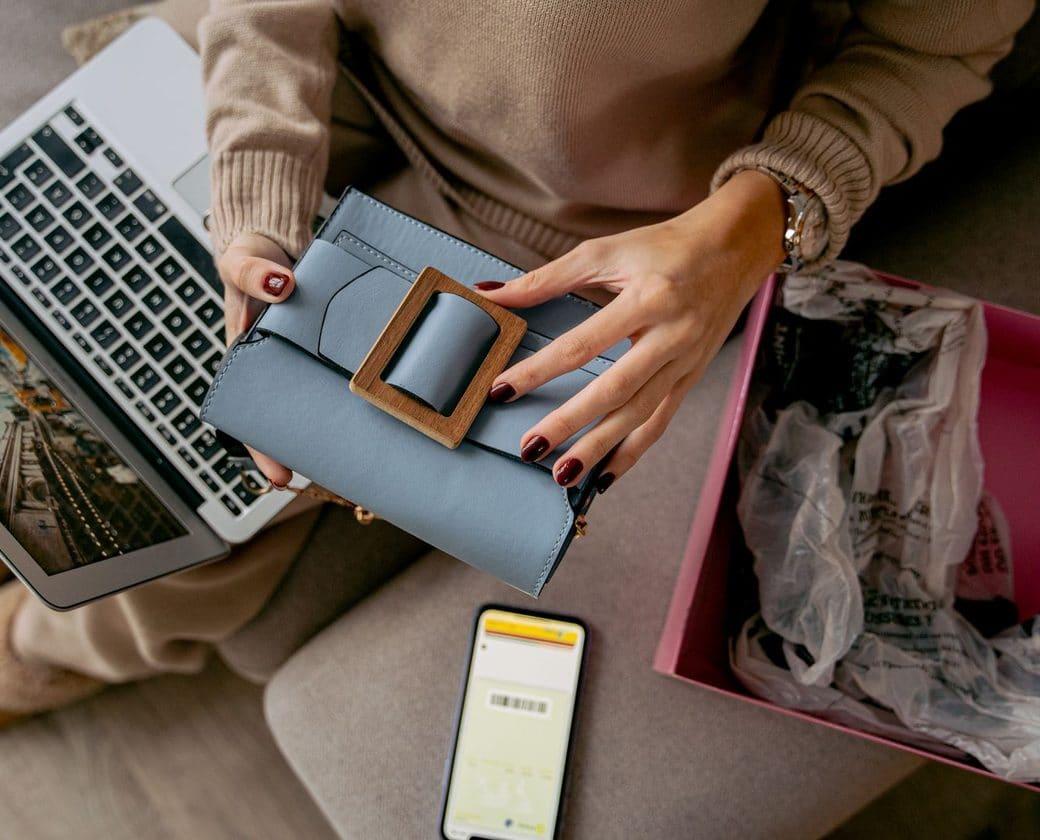
Try-ons, styling, hauls and UGC for clothing shops, boutiques, jewellery and footwear brands.
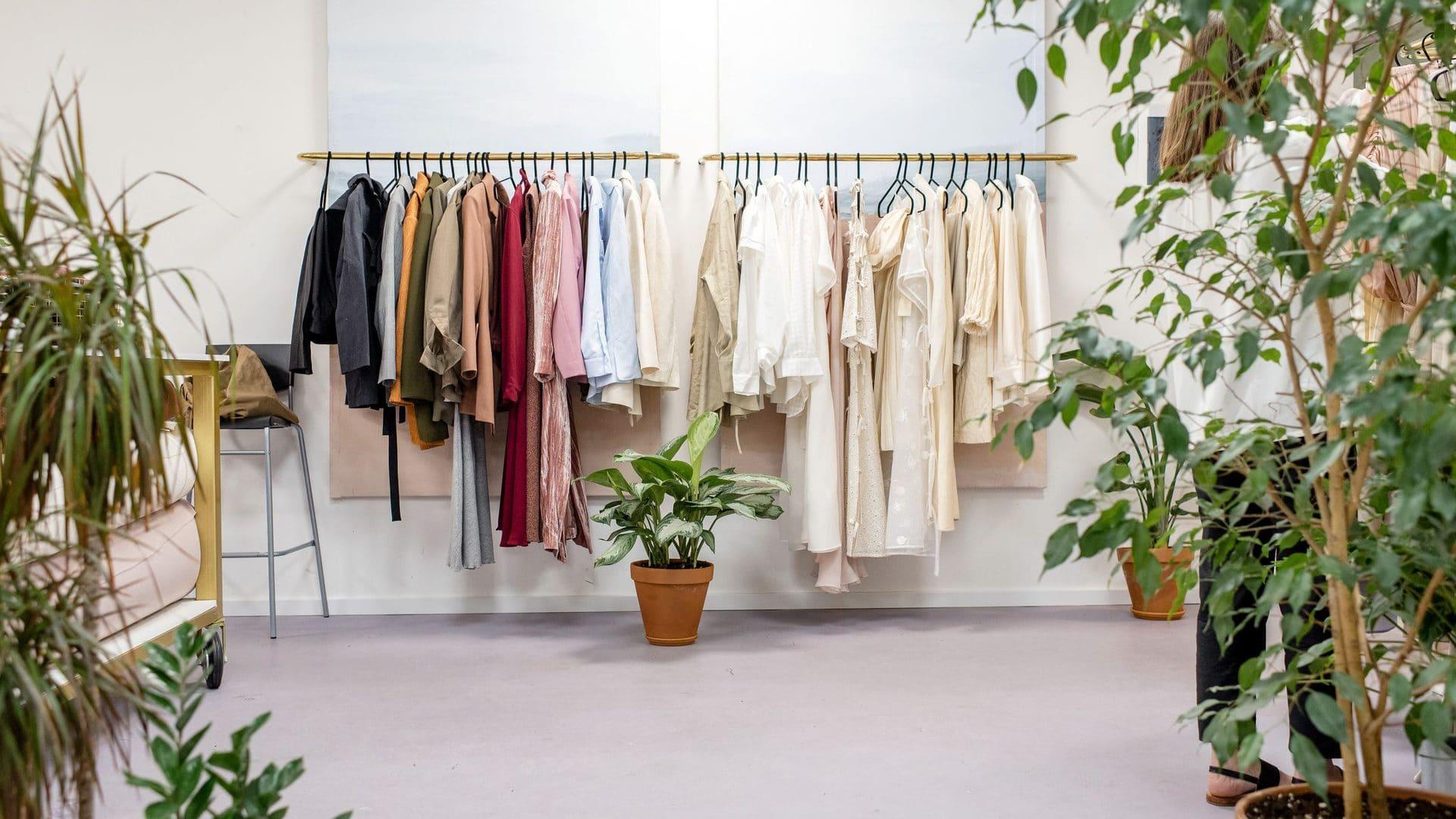
Three ways: bring people into the shop, get material for your own ads, or reach the influencer's audience. That choice sets both the price and who you pick.
Over half of fashion creators shoot for the brand only, without publishing on their own profile.
The try-on and the close-ups come to you as files, ready for the product page, your ads or a mailing.
You write the scope of use into the task before the start, so it is clear from the outset where the material may appear.
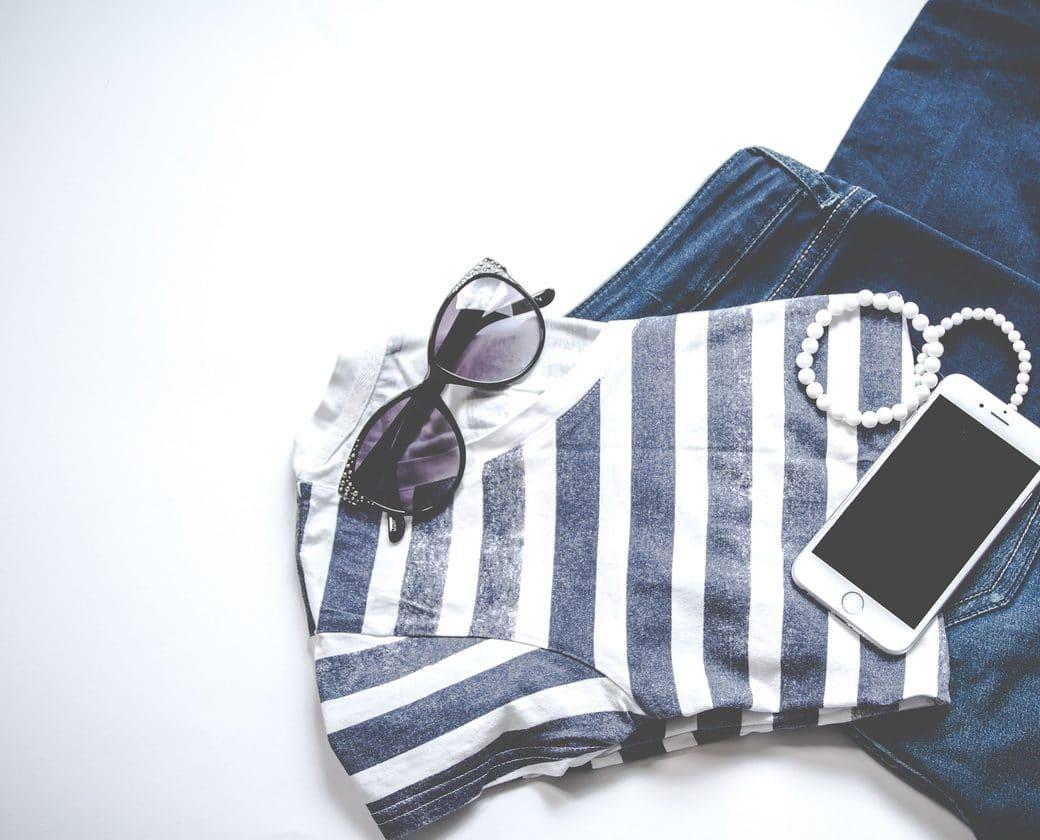
More than 8 in 10 fashion creators are on Instagram, and nearly half also work on TikTok.
Every second person in this category has 1–10k followers, and more than 7 in 10 fall within 1–50k.
The piece is shown in motion, on the creator and with their recommendation, so people who do not know you see it.
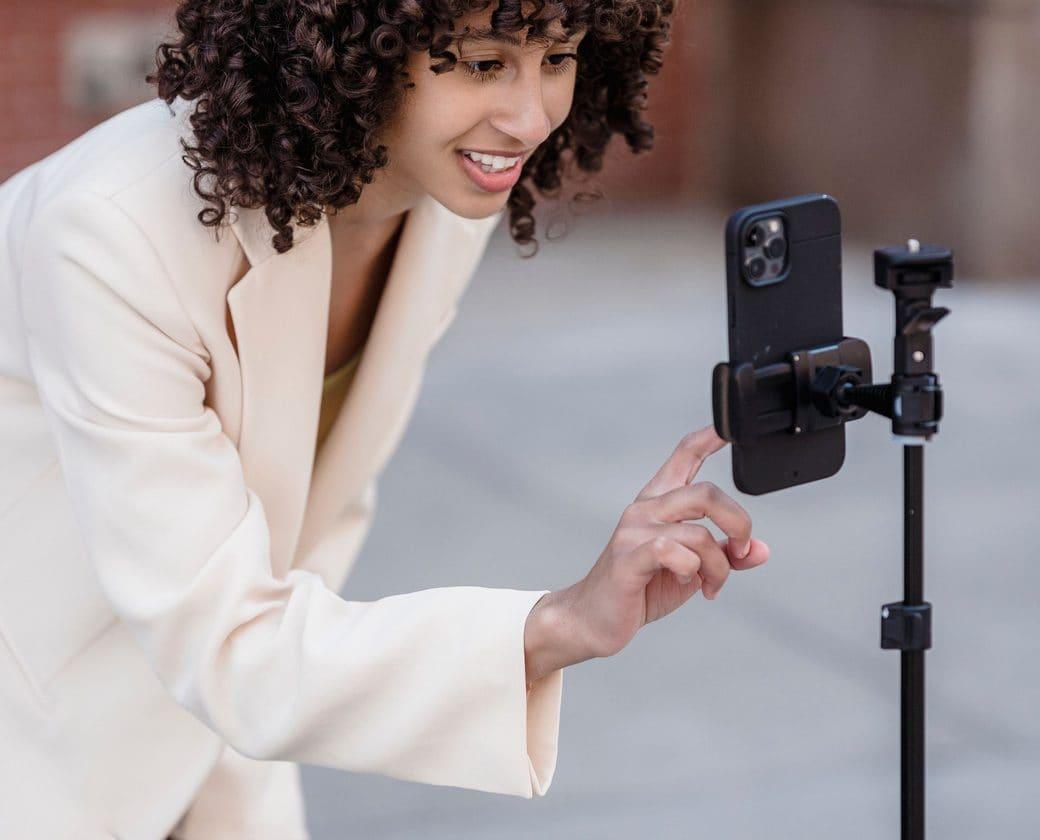
It pays off if the influencer wears the piece and speaks to people who dress like your customers. Three figures that show it, and what each means for your business.
67%
of Polish campaigns are short video (2026)
A reel shows how the fabric moves, which a photo cannot. A reel starts at 390 zł.
8–11x
is the return on advertising with small creators (2026)
The market average is 5.2x. They are the ones who apply to fashion tasks most often.
4.2% and 8.7%
is what small creators get on Instagram and TikTok (2026)
Large accounts get 1.1% and 3.2%. Every second creator in fashion has 1,000–10,000 followers.
Sources: KC Mobile
It works wherever the goods are seen on a person. The usual buyers are clothing shops and boutiques that want customers from nearby, and brands that need material for the product page. Shoe shops, jewellery and accessory brands, second-hand shops and showrooms work the same way.
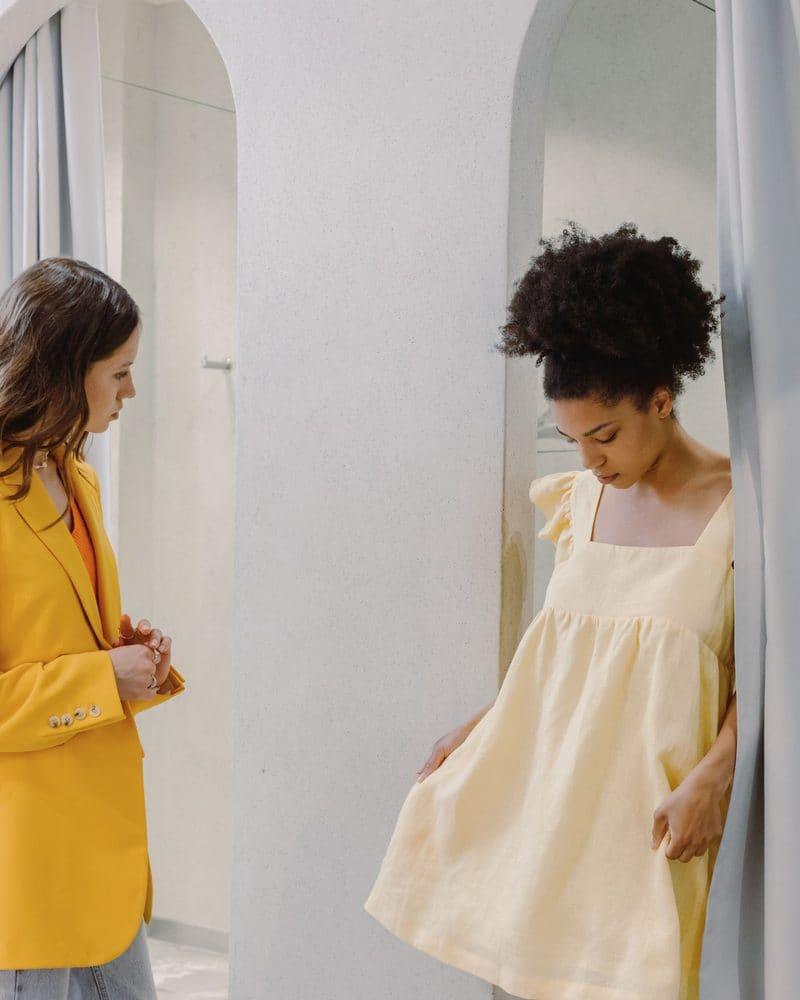
The client sees the cut on a real body and sends fewer parcels back.
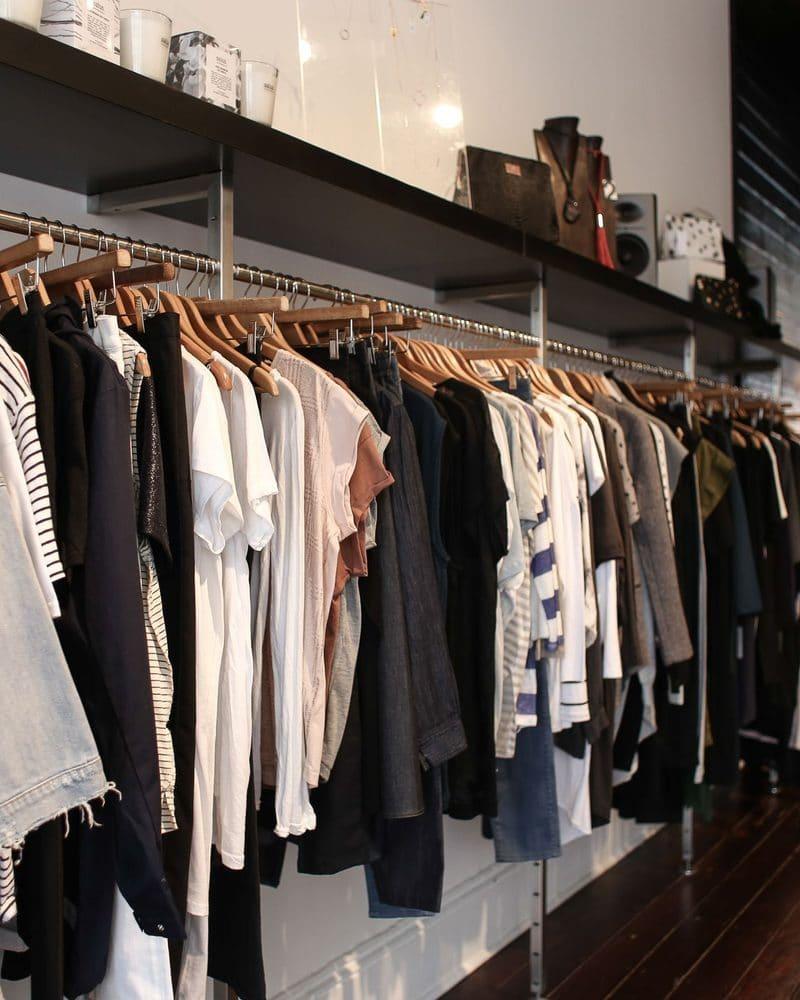
A reel from inside brings in people who walk through the door.
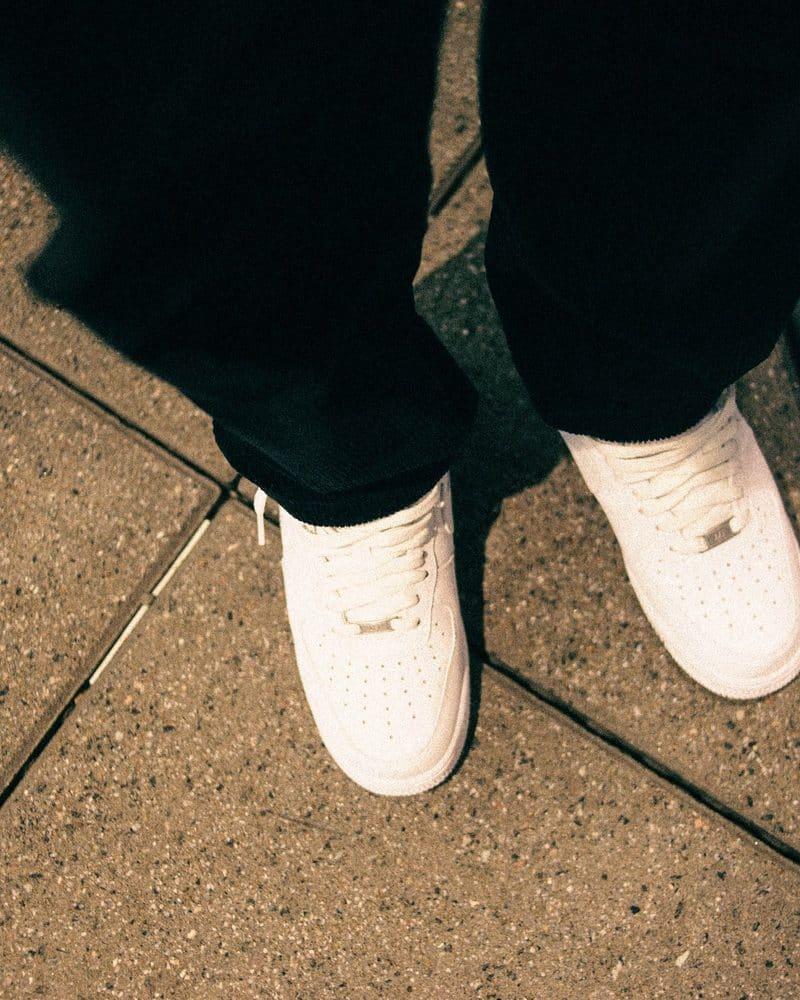
You see how the shoe sits and whether it works with an outfit.
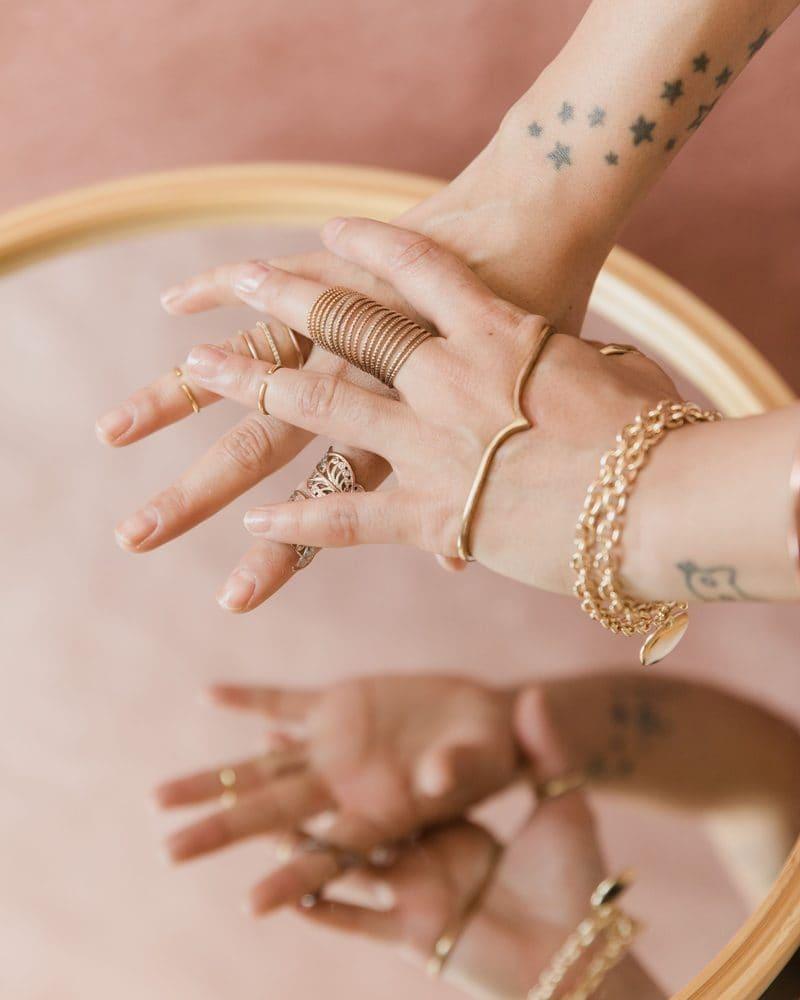
A close-up on a hand or an ear shows the scale a catalogue hides.
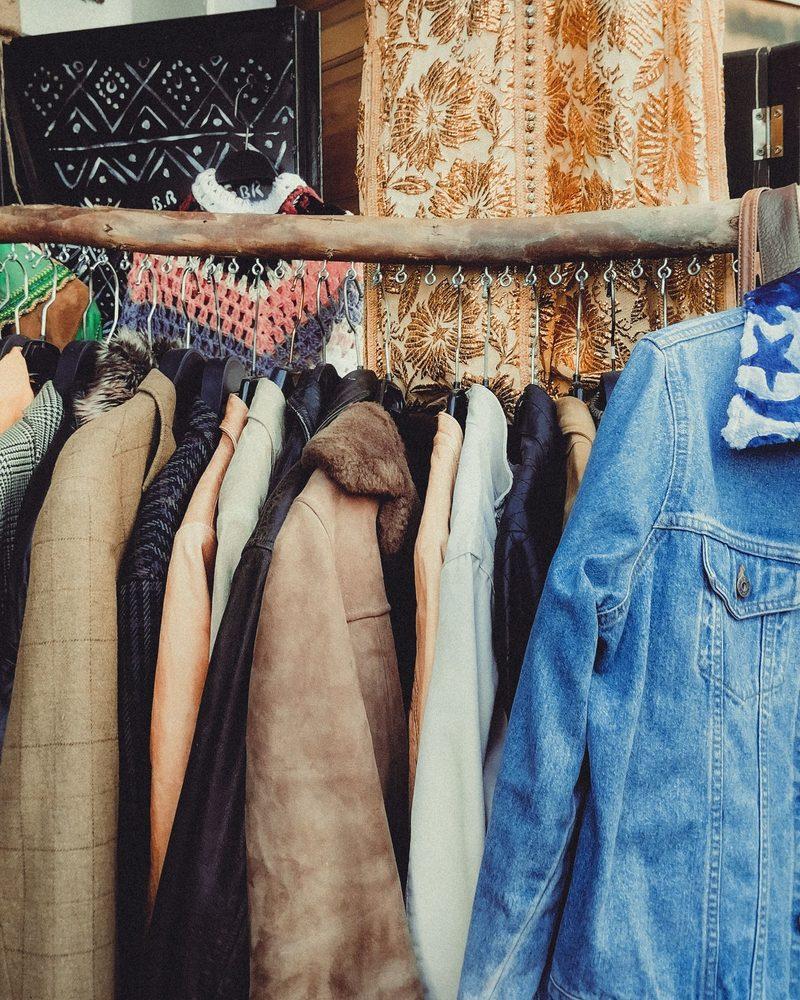
New stock goes in days, so a fast reel is what counts.
A collection launch gets a face instead of a lookbook alone.
Three things: what you order, how you settle up and how many people you work with.
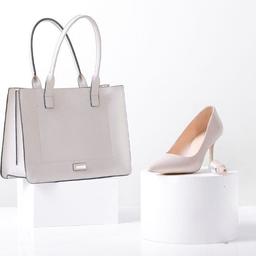 Control
A clean frame, plain background, full control of colour. They show neither scale nor how the piece sits on a person, so the customer guesses the size.
 Fewer returns
A real body, movement and daylight. Less control of the frame, but the cut and the length show, and sizing questions come before the purchase.
Keep product shots on the product page and put creator material next to them and into ads. Two different tasks, not a replacement.
Order UGC No budget
 and no commission. The market standard is stock worth clearly more than a single item, and the choice is narrower: some creators work for a fee only.
 Deadline and revisions
You pay a rate and can require a deadline, a number of shots and revisions. More people apply and strong portfolios are easier to find.
First time in, or stock sitting on the shelf — send the parcel. A launch date in the calendar — pay, because only then is the deadline enforceable.
Barter task Recognition
The brand gets a face and one consistent message all season. It costs several times more, and a parting sends you back to the start.
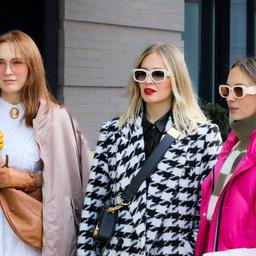 Several bodies
Different bodies, styles and audiences on the same budget. The message is less consistent, but you see which kind of account actually sells.
Start with several creators for one season and see whose material sold. Sign an ambassador once you know who you are signing.
Creator catalogueSeven things worth checking in the applications before you sign a contract.
A piece looks different in a size 8 and a size 18. Check who your stock has to convince.
If a creator has never put an outfit together, the first time should not be on you.
In fashion the weave and the finish show. Watch earlier material zoomed in.
Clothes sell while someone walks, not in a still.
A bargain-hunting account will not sell a coat for a thousand zloty, and the other way round.
Sizing questions in the comments say more than reach. Instagram statistics show in the creator’s profile.
In barter the piece stays with the creator; on loan it comes back. Write it into the task.
A clothing shop can pick a micro account from a single city or a profile with hundreds of thousands of followers. Six examples from the fashion category, all active in recent weeks.

Oliwersik
Lublin · TikTok
147,887 followers
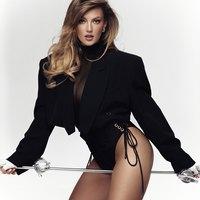
Klaudia
Warszawa · Instagram
126,950 followers

Julia
Katowice · TikTok
77,223 followers

Maria
Skulsk · TikTok
53,137 followers

Kamila
Katowice · TikTok
44,978 followers

Gosia
Grójec · Instagram
28,919 followers
Say what has to be visible and in what format: the try-on, the styling, the close-up on a detail. Below are six tasks published by shops and clothing brands, in their own words.
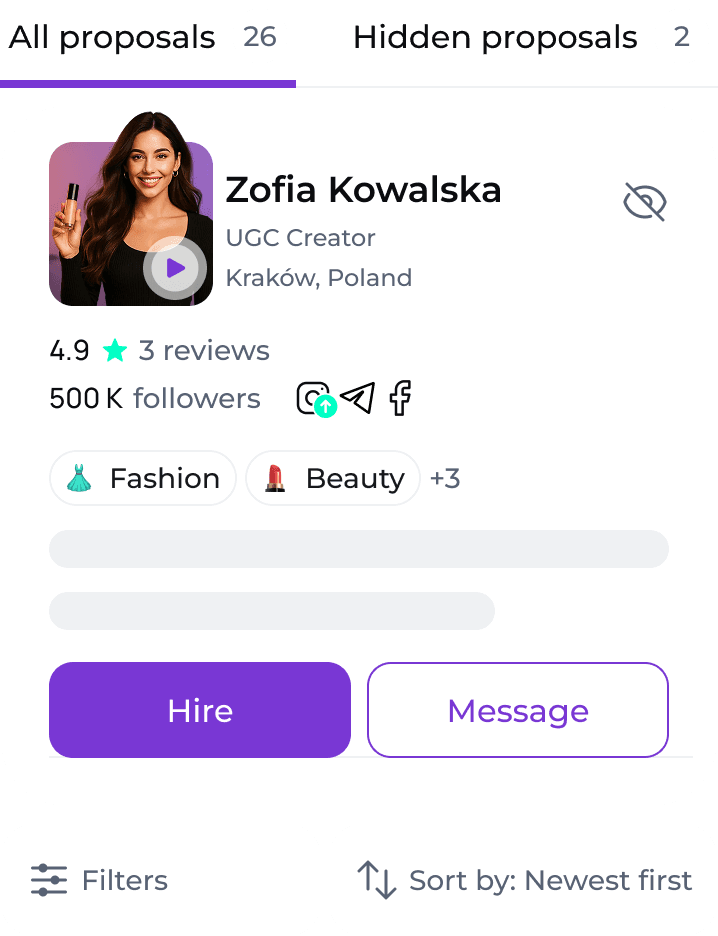
Smart tips help you describe it so only the right creators apply.
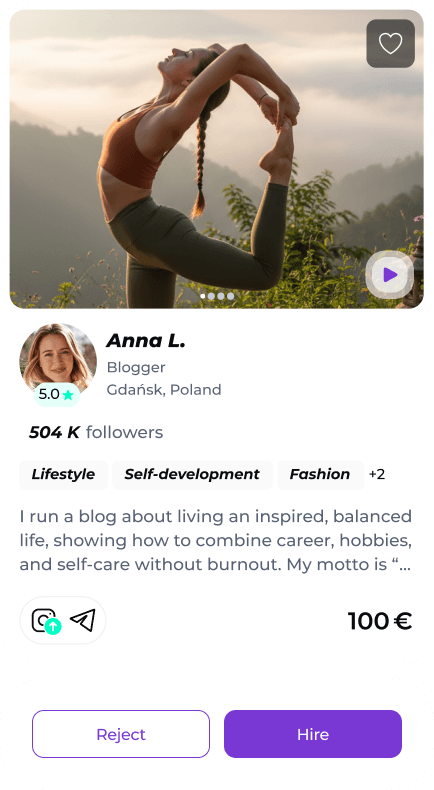
Creators reach out to you directly. The first applications arrive in 8 hours on average. You choose on experience, reviews and work samples in the profile.
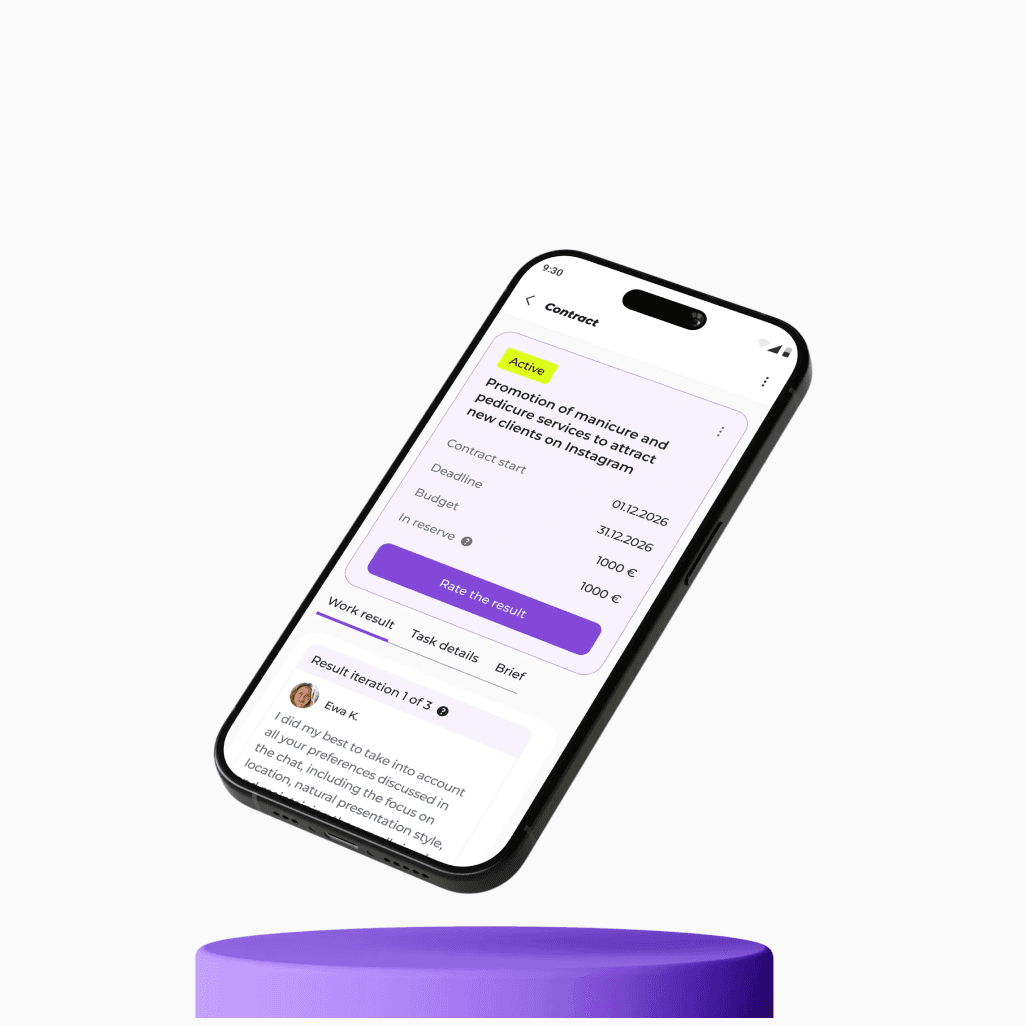
Hiring opens a contract automatically, carrying the terms from the task. Messages, files, stages and deadlines sit in the same place.

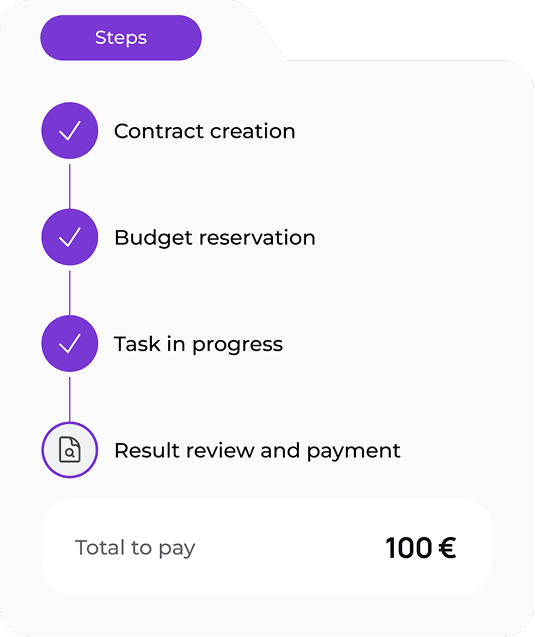
The budget is frozen until your approval. You accept the result, and only then the payment goes out.
A try-on on a real body works hardest: you see the cut, the length and how the fabric falls. A mannequin shot does not show that, which is why parcels come back. Jewellery and accessories sell on a close-up, on a hand or an ear.
A try-on on a real body
The cut, the length and how it falls. The most common reason a parcel is not sent back.
Styled with your product
The piece shown as part of an outfit, not on its own. It helps sell the second item.
Haul
Several pieces in one video. Good for a new collection or a sale.
Get ready with me
Your piece inside an everyday routine, without the feel of an ad.
Close-up on the detail
Jewellery, accessories and fabric texture. It shows the scale a catalogue misses.
Unboxing the parcel
The packaging, the tag and the first impression. It builds trust in the delivery.
A reel from inside the shop
For a boutique or a second hand: it shows the range and the feel of the place.
UGC for ads
The material comes to you as a file and goes onto the product page or into ads. The creator posts nothing.
PLN 300–1,500
is the market rate for a nano-influencer post
With a micro-influencer, PLN 2,000–8,000.
0 zł
is what barter costs instead of a fee
For a shop or a clothing brand this is the usual first step, and a barter task carries no commission.
from 43 zł
is what the cheapest task costs
You set the terms, and the creators they suit apply themselves.
The rates fashion creators in Poland state themselves in their Blogger Bank profiles.
Data as of August 14, 2026.
You describe what you need, and the creators apply themselves.
Publish a taskFor work on site the creator's city is what matters. You pin the task to a point on the map, and creators nearby see it where they are.
Blogger Bank creators are also in these cities
Common questions about working with influencers
The format, the creator’s reach, and whether the material is published or handed over as a file. Rates in Warsaw run higher than in smaller cities. State your budget in the task and compare applications.
It helps, because the customer sees the cut on a real body rather than a mannequin. Ask the creator to state their height and size in the caption — that answers half the questions before checkout.
Rights are settled in the task before it starts and carried into the contract. For UGC the standard is use in the brand’s ads. If you want to keep the shots on the product page indefinitely, write it in.
You publish the task in minutes and the first applications arrive the same day. With a fixed date choose a paid collaboration: only then is the deadline a condition rather than a request.
In barter it stays with the creator — that is the payment. If you send an expensive piece to be returned, write the deadline and the way back into the task before anyone applies.
For a single-city shop an account of 1–10k is enough — that is where questions about size and availability are real. Reach without comments costs more and sells less.
Yes, if you write it into the task: UGC comes to you as a file and goes straight into ads. Without that clause you only have the right to the post on the creator's profile.
Creators who often take on similar tasks.

Ordered here by: beauty salons, nail studios, cosmetology clinics, cosmetics brands

Ordered here by: restaurants, cafés, pizzerias, food trucks
Ordered here by: furniture stores, interior studios, developers, homeware brands

Ordered here by: fitness clubs, yoga studios, dietitians, supplement brands

Describe the task. Creators will apply on their own. You pay after you approve the material.
Post a taskAre you a creator? Join