Brand tone of voice in creator content: how to pass on your brand voice without killing authenticity
Short answer
Tone of voice is how a brand speaks; brand personality comprises the traits it expresses. Give creators a short cheat sheet with language examples and creative boundaries. Scripts can help, but must not invent experiences. Before publishing, check personal claims, product demonstrations and promises. Use Blogger Bank to organise the task and creator applications.
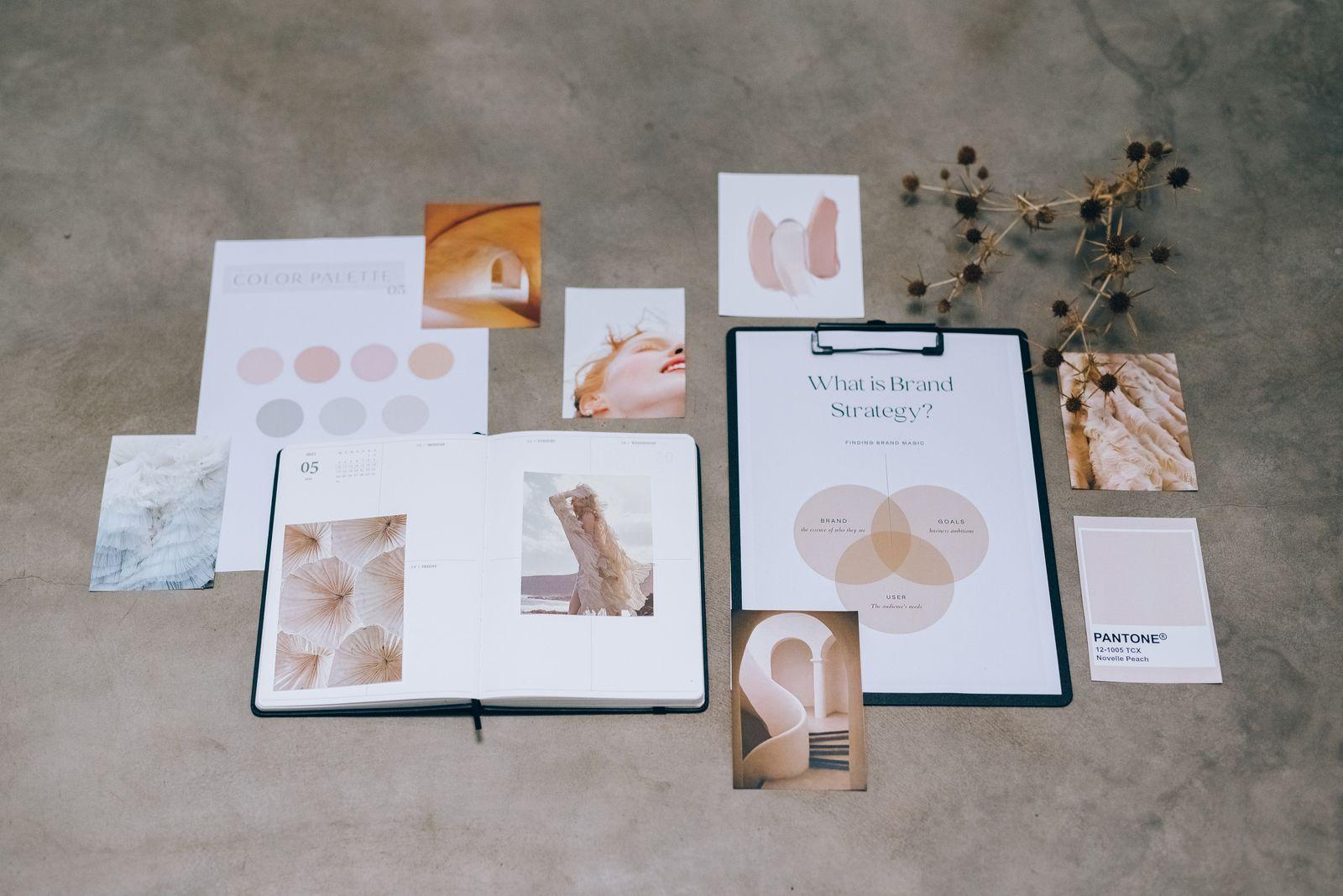
A brand's tone of voice is the way the brand speaks: which words it uses, how formal it is, whether it jokes and how it addresses the audience. Brand personality describes who the brand is, while tone of voice shows how that personality sounds in a caption, a video or a comment.
To pass your brand voice to a creator without killing authenticity, don't impose unfamiliar language or experiences they haven't had. A prepared script can help organise facts and shots if the creator confirms the content and adapts the wording to their own voice. Give them a short, one-page cheat sheet: three voice traits with "do" and "don't" examples, a few words the brand uses and avoids, a clear limit of freedom, and one round of feedback on the material, framed as a goal rather than a rewritten text. The creator then speaks in their own language, but within limits where the brand still sounds like itself. You can attach this cheat sheet to a task on Blogger Bank or send it with the brief in any other kind of collaboration.
Create a brand account on Blogger Bank and prepare a task with your voice cheat sheet and questions about product experience. This article is about how the creator should talk about the brand. What they should say — the goal, the key message, format and deadlines — is covered in our guide on how to write a brief for a creator.
Tone of voice, brand personality and communication strategy — what is what
These three terms often get mixed up, and when working with creators it pays to separate them, because you pass each one on differently.
- Brand personality — the set of traits the brand would have if it were a person: for example friendly, matter-of-fact, a little cheeky. It changes rarely.
- Tone of voice — those traits translated into language. The brand voice is constant, but the tone can shift slightly with the situation: a product launch sounds different from a reply to a complaint.
- Brand communication strategy — the wider plan: who you talk to, with what message, in which channels and with what goal. Tone of voice is part of it, not a substitute.
Creators mainly need the second point, in a practical form. You don't have to send them the whole strategy or a multi-page brand book. What helps them in the first seconds of a video and in the caption under a post is enough.
Why a creator shouldn't sound exactly like the brand
People follow a creator for the way they talk. If the creator suddenly starts speaking in slogans from a brochure, viewers hear it at once and treat the material as an ordinary ad. That is exactly why working with a creator makes sense: the brand borrows their credibility, not just their reach.
A good approach is two voices that don't clash. The creator keeps their style, pace and sense of humour, and the brand guards a few things that must stay consistent: values, the way the product is described, banned words and the limits of humour. Instead of "talk like us", think "don't say anything we wouldn't say".
Working with influencers: how to preserve authenticity
Natural wording is not proof that an ad is truthful. A creator can casually tell a story that never happened. When approving content, separate two judgements: whether it sounds like the creator, and whether it shows and promises only what can be verified. Being open about the collaboration still matters when a video looks like an everyday update.
Before approving publication, read the first-person statements and watch the demonstration without music or effects. Ask the creator specific questions:
- Experience: what have they actually used, under what conditions and for how long? Does "I use it every day" describe their life, or does it come only from the brief?
- Demonstration: is the viewer seeing the product they can buy in action? Does a cut, sped-up footage or staging create a misleading impression?
- Promise: what supports the claimed effect? The creator's opinion is not enough to promise the same result to every customer. Remove an unverified statement or replace it with a narrower, truthful description.
Educational example: a Polish backpack shop. A creator receives a backpack and films packing it at home. They can show the pockets and explain what they put inside. They shouldn't say "it worked well on my mountain hike" if they haven't hiked with it. The brand can commission a later test or accept a presentation of its features without adding an invented trail story.
Educational example: a Pilates studio. After her first class, a creator can describe the visit and her own impressions. She doesn't present that first session as proof of a transformation after months of exercise. Instead of shots suggesting a long-term result, she can show preparation for the class and what she learned from the instructor.
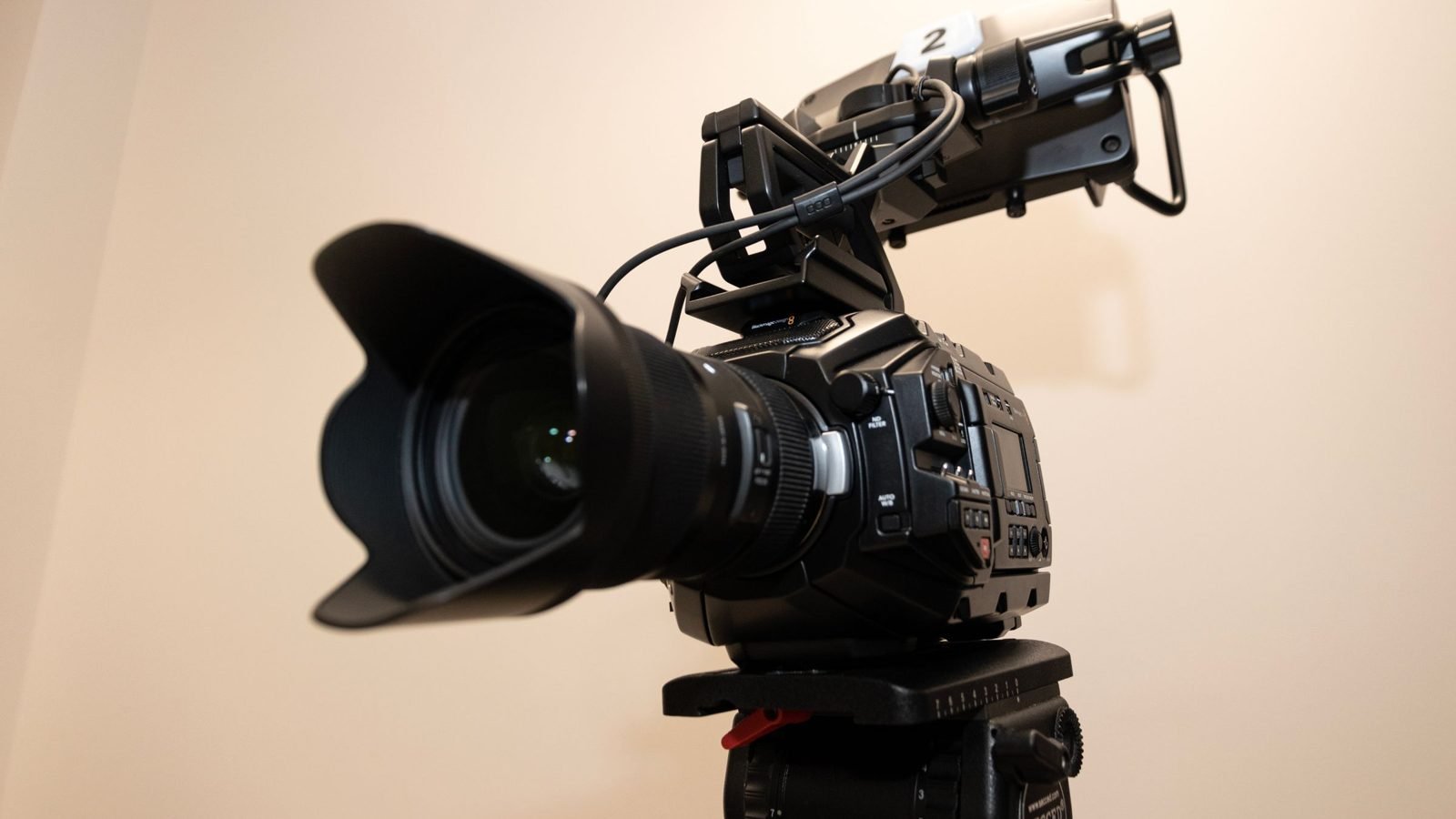
Professional lighting, a script and retaking a shot don't make an ad inauthentic. They help show the product clearly. The boundary is an invented test, a fake reaction or an unsupported promise, not camera quality. Don't add deliberate mistakes just to make an ad look spontaneous.
AI can organise ideas, shorten sentences and suggest variations in tone. But it cannot confirm that the creator used the product or achieved the result described. Mark every claim of personal experience in the draft and ask the creator to confirm it before recording. Don't present an AI-generated image of a result as documentation of a real test.
In your Blogger Bank task, describe what the creator should test, and use the questionnaire to ask about their previous experience with the product. Creators apply and fill in questionnaires themselves; the brand assesses their answers and content. Contracts, secure payment and managing several collaborations in one place help organise the work, but don't replace verification by the brand and creator.
A one-page tone of voice cheat sheet for creators
One short document that a creator can read in a few minutes works best. In practice this cheat sheet is part of the content guidelines, but focused only on how things sound. A suggested layout:
- One sentence about the brand. Who you are to the customer, in plain words. For example: "We're like the neighbour who knows dogs and always gives advice without lecturing."
- Three voice traits. No more, because nobody remembers a longer list. For each trait, add what it is not: "specific, but not dry", "funny, but not at someone's expense", "confident, but not boastful".
- "Do" and "don't" examples. Two or three short sentences in each column. An example explains more than adjectives.
- Words we use and words we avoid. A short list, explained in one sentence.
- How we address the audience. Casual or more formal, whether we use emoji, whether slang is fine.
- Limits. Topics we don't touch and jokes we don't make.
- Creator freedom. What the creator can change their own way and what stays fixed.
The cheat sheet doesn't replace the brief. The brief says what the goal is and what must be in the material; the cheat sheet says how it should sound. It works well when the same version is attached to every task, so each new creator gets the same rules.
"Do" and "don't" examples across categories
Show the creator the difference with sentences they might actually say. The following examples are an editing exercise, not campaign reports. A "do" sentence can only be used if the creator genuinely confirms the experience described:
Pet food
A warm, matter-of-fact brand that doesn't scare owners. For creators in the pets category:
- Do: "My dog is a picky eater, so I checked how he'd eat this for a week."
- Don't: "If you don't switch food, your dog will get sick."
Car accessories
A technical brand that every driver can still understand. For creators in the automotive category:
- Do: "Installing it took me a few minutes, I'll show you where it plugs in."
- Don't: "Revolutionary technology that will change your life behind the wheel."
Food
A relaxed brand with a light sense of humour. For creators in the food category:
- Do: "Dinner in fifteen minutes, and fewer dishes than usual."
- Don't: "The best product on the market, nothing beats it."
Electronics and apps
A helpful brand without jargon. For creators in the technology category:
- Do: "It helps me most in the morning, when I have no time for settings."
- Don't: "An innovative premium-class solution based on advanced algorithms."
Notice that the "do" sentences are written from the creator's point of view and describe a concrete experience. The "don't" sentences are usually exaggeration, scaremongering or ad language that the audience rejects straight away.
Words to use and words to avoid
A word list is the simplest tool for keeping the brand voice, because a creator can check it in seconds. Keep it short and always explain why.
- Product and brand names. How we spell and pronounce them, and whether the name is inflected or not.
- Words the brand likes. For example "tried and tested", "everyday", "simple" — if they fit its personality.
- Banned words. Promises the brand can't make, such as "guaranteed results", "cures", "the best", and terms that carry bad associations in your category.
- Competitors' words. Names and slogans associated with other brands in your category.
Don't put ordinary words the creator uses every day on the list. Ban half their vocabulary and the material will sound artificial.
How much freedom to give a creator
The simplest way is to split things into three zones and describe them plainly in the cheat sheet.
- Fixed. Things the creator doesn't change: the product name, a verified promise, truthful information, the collaboration label and the banned-word list.
- Flexible. Things where the brand sets a direction but the creator chooses the words: how the benefit is shown, a real-life example, the call to action.
- Free. Everything that belongs to the creator: the opening of the video, humour, setting, editing, music and the way they address their own audience.
Freedom can help preserve natural language, but it doesn't prove that the content is truthful. Even freely chosen editing must not change the meaning of a demonstration or suggest a result that wasn't achieved. As you move more and more into the fixed zone, ask yourself whether you still need a creator or just a voice-over artist. If you're preparing material for ads rather than for the creator's profile, the fixed zone can be a little larger — a well-thought-out structure helps, as we describe in the article on the UGC video script.
When choosing creators, check whether their natural style is already close to your voice. A creator who usually talks calmly and to the point won't be convincing in a wild, loud format. It's better to pick someone who already sounds similar than to try to remake them. Watch a few of their recent videos, including unsponsored ones.
How to give feedback without rewriting the creator
Most authenticity gets lost at the revision stage. The brand receives a video, something doesn't fit, and it sends back a ready-made text to read out. The risk arises when the revised text imposes unfamiliar language or an unverified promise. Writing down what will be said before recording is not itself a mistake. It's better to give feedback in a way that lets the creator fix the material themselves.
- Describe the problem, not the solution. Instead of "say: a light formula that lasts all day", write "right now it isn't clear that the product lasts all day, and that's what matters most to us".
- Refer to the cheat sheet. "This sentence sounds like a promise of results, which is on our avoid list" is clear and isn't a personal judgement.
- Separate errors from taste. Errors are facts, the product name, a missing ad label and banned words — these always get fixed. Taste, such as a different joke or a different opening, stays with the creator unless it crosses the brand's limits.
- Collect feedback in one place and one round. Several messages from different people on your team are the fastest way to make a creator play it safe and lose energy.
- Say what stays. Point out the parts that are good and should stay unchanged. The creator then knows what not to touch.
Agree in advance how many rounds of revisions the collaboration includes and how material approval works. A creator who knows what to expect takes feedback more easily.
A consistent voice with many creators at once
When you work with several or a dozen creators, each will sound a bit different, and that's fine. Brand consistency doesn't mean everyone says the same thing; it means nobody says anything that contradicts the brand.
- Send everyone the same version of the cheat sheet and update it in one place.
- After each campaign, add example sentences from materials that captured the brand voice well.
- Also add phrases that kept coming up in revisions — a sign that the cheat sheet doesn't explain something.
- If creators work in different niches, for example travel and home, you can add one sentence on how the tone shifts in each category while keeping the same three traits.
If the brand is changing its personality or identity, the cheat sheet has to be rewritten before it reaches creators. We describe how to run such a change with creators in the article on rebranding with creators.
Most common mistakes when passing tone of voice to creators
- Sending the whole brand book. The creator won't read it or will pick out random things.
- Adjectives without examples. Everyone understands "modern and friendly" differently. A "do" and "don't" sentence clears that up.
- Text that imposes someone else's voice or experience. A script is helpful as long as it organises truthful information rather than asking the creator to fake enthusiasm.
- Too long a list of bans. The creator focuses on what not to say and loses their natural flow.
- Feedback as a rewritten script. Instead of describing the problem, the brand imposes its own sentences.
- Choosing a creator whose style is far from the brand. No cheat sheet will change someone's character.
How Blogger Bank solves the problem of passing your brand voice to creators
The brand voice is easiest to keep when every creator gets the same rules from the start and feedback on the material lands in one place. On Blogger Bank it works like this:
- Instead of sending the tone of voice cheat sheet separately by email and messenger — you describe everything you expect in the task, including how the brand should sound, and every creator sees it before applying.
- Instead of persuading creators whose style doesn't fit the brand — creators apply to the task themselves, and you pick those whose way of speaking is already close to your voice.
- Instead of agreeing collaboration terms with each creator separately — the contract with the chosen creator opens automatically.
- Instead of feedback from several people scattered across channels — the conversation with the creator, material approval and payment are in one place, so it's easy to give one calm round of feedback.
You can also browse the influencer catalogue by niche and city and invite people who already sound like your brand. Create a brand account and publish your first task together with your tone of voice cheat sheet.
Frequently asked questions
What is a brand's tone of voice?
Tone of voice is how a brand speaks: its word choice, formality and attitude towards the audience. Working with creators means translating these principles into practical guidance, not making them speak in exactly the same way.
How do you communicate a brand's tone of voice to an influencer?
Prepare a short cheat sheet with brand voice traits, sample sentences and boundaries for creative freedom. Separate product information from stylistic preferences. Creators should know which facts to retain and which wording they can adapt for their audience.
How do you preserve authenticity when working with influencers?
Base the message on the creator's actual experience, truthful information and openness about the collaboration. Let creators use their own language. Don't demand enthusiasm or claims of product use that they cannot honestly confirm.
Does an authentic influencer ad have to look amateur?
No. Professional lighting, editing and scripts don't rule out authenticity. Truthful messaging and an accurate product presentation matter more. Deliberate mistakes, fake surprise or invented experiences don't become credible just because the content looks spontaneous.
Does a prepared script make a creator less authentic?
Not always. A script can organise facts, demonstrations and shot sequences. Problems arise when it imposes someone else's language or an invented experience. Agree on essential information, then let creators suggest their own wording and way of presenting the product.
How can you use AI without inventing an influencer's experiences?
Use AI to organise ideas, edit and draft text variations. Creators should confirm every personal experience claim. Don't present generated results as a real product test. Separately check the disclosure requirements for advertising and content that uses AI.
How do you give influencers feedback without imposing your own language?
Identify the specific problem: incorrect information, an unclear benefit or an unsupported promise. Ask creators to suggest their own correction. Collect team feedback in one place and distinguish requirements for truthfulness from personal stylistic preferences.
How do you maintain brand consistency when working with many creators?
Give everyone the same facts, communication principles and limits on promises, while allowing different stories and language. Blogger Bank brings creator applications, questionnaires, contracts and secure payment together. The brand remains responsible for assessing the message.