Rebranding with creators: how to announce a new brand name, logo and identity
Short answer
Rebranding with creators means announcing a new name, logo or identity through people your audience trusts. Plan a teaser, a joint reveal and reinforcement of the name, choose creators who know the old brand, use reveal and before-and-after formats, give a single-message brief, prepare answers to criticism and measure searches for the new name. Find creators yourself or via a task on Blogger Bank.
A rebrand with creators means that your new name, logo or visual identity is announced not only by your own channels, but also by people your audience already trusts. A creator who knows the old brand explains to their followers what is changing, why, and what it means for them in practice. That way the new name does not look like a stranger, but like a familiar brand in a new edition.
The shortest route: plan communication in three stages (before, on the day and after the announcement), choose creators who have already used your products, pick formats (teaser, reveal, before-and-after, Q&A), write a brief with one key message and a clear explanation of what changes for the customer, prepare answers to critical comments and measure whether people recognise the new name. You can look for creators yourself on social media or post a task on Blogger Bank, where creators apply themselves. Below is every step in turn.
When it is worth involving creators in a rebrand
Creators help most when the change affects something customers see every day: the shop name, the packaging, the app logo or how the product looks on the shelf. These are exactly the situations in which customers get lost — they search for the old name, do not recognise the new packaging or suspect they are buying a fake. A creator shows it directly: “it is the same product, just in a new edition”.
- Name change — the hardest case, because people search for the brand by its old name. Creators help link the two names before the old one disappears.
- New logo and packaging — a before-and-after format shows immediately that the product is the same.
- Repositioning — when the brand targets a new audience, creators from that audience introduce it to their community.
- Brand merger — after an acquisition or merger, creators explain what stays and what changes.
If you are only adjusting a shade of colour or the typeface in your logo, a separate creator campaign is usually unnecessary. It is enough for your current creators to start showing the new version in their next pieces.
Communication plan: before, during and after the announcement
A rebrand is not a single post but a sequence. It works best split into three stages, each with a different job.
Before the announcement: teaser and curiosity
A few days or weeks before the reveal, creators can signal that “something is changing”: show a fragment of the new packaging, a coded hint or say they will soon reveal news from a favourite brand. This stage prepares the audience rather than revealing everything. Creators need to receive the information under confidentiality and with an exact date until which they may not show the new name or logo. Put this in the contract, not just in a message.
On the day: the reveal
The strongest effect comes when several creators publish the reveal on the same day while your channels, website and shop change at the same time. The viewer sees the new name at the creator's, clicks and lands on a page that already looks the same. If the website still shows the old logo, it feels chaotic. Make sure the link in the content leads to a page explaining the change — for example a short “new name, same quality” post.
After the announcement: reinforcement
One reveal is not enough for people to remember a new name. Over the following weeks creators should use the new brand naturally in their regular content: reviews, tutorials, everyday stories. At this stage UGC videos featuring the new packaging also work well for ads and product pages. For a while it is worth having creators mention the old name too, e.g. “formerly known as…”, so people searching for it still find you.
Which creators to choose for a rebrand
In a regular campaign you look for reach within your target group. In a rebrand, credibility with people who already know the brand matters more. So start with creators who have talked about you before.
- Creators who know the old brand — they have used the product, recommended it, had it in frame. Their words “it is still the same brand” sound convincing because followers remember earlier content. Check who has tagged your brand in recent months.
- Creators from the new audience — if the rebrand is meant to open the brand to new people, add creators from that group. For example, a pet food brand moving from budget to premium might work with creators in the pets niche, and a car accessories maker with creators in the automotive category.
- Smaller but engaged creators — with a name change, what counts is whether followers ask in the comments and get an answer. Micro-creators talk with their community more often.
Avoid creators who have recently criticised your brand or advertised a direct competitor. Viewers will notice and the reveal will lose credibility. For a long collaboration with one creator, consider a brand ambassador role to guide followers through the whole change.
Formats that work for a rebrand
- Teaser — a short story or reel with a covered product and a date. It builds curiosity without giving details away.
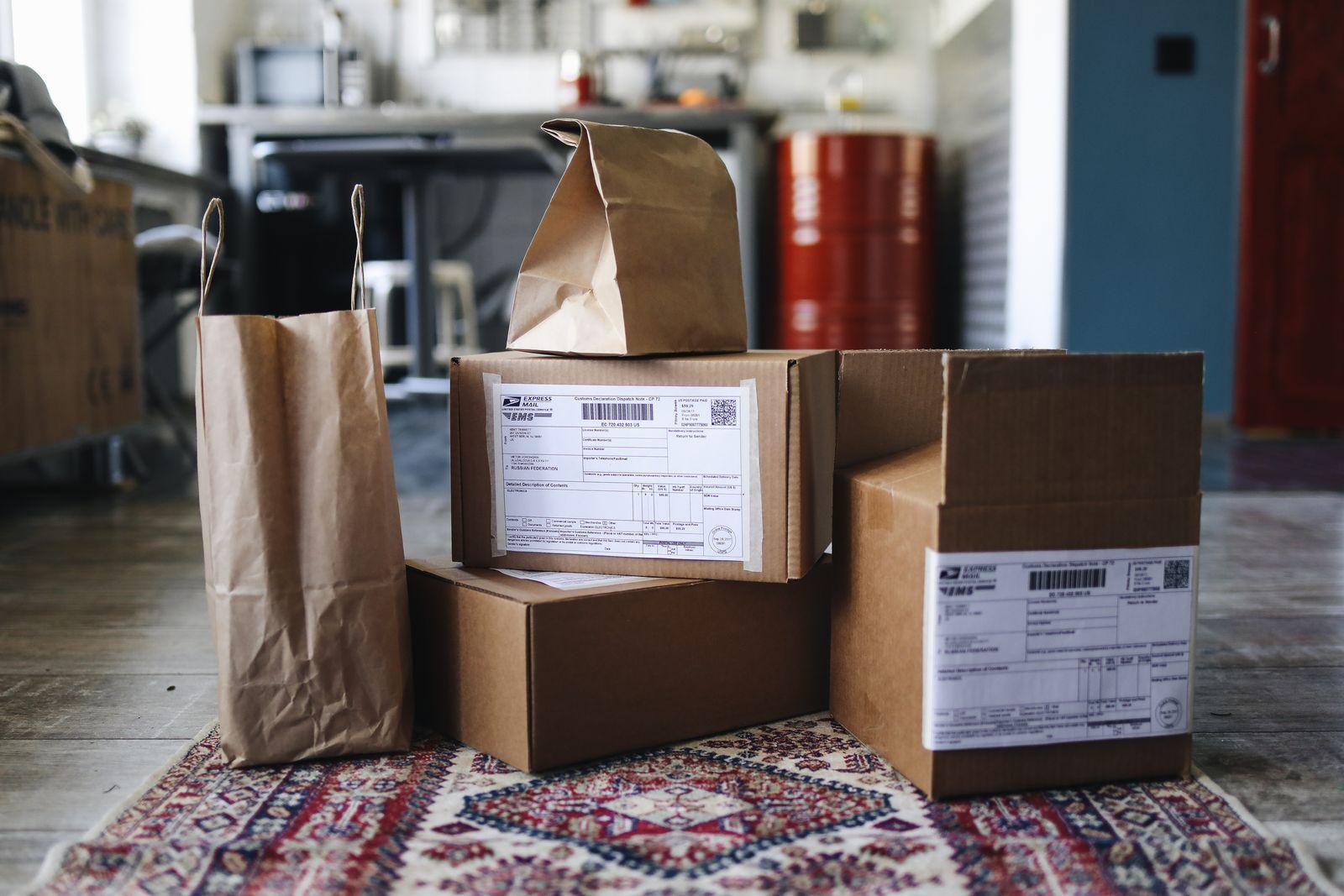
- Reveal — the creator opens a parcel with the new packaging and says what has changed. This is the main piece of the campaign.
- Before and after — old and new packaging side by side, old and new website, old and new app. The best format to show the product inside is the same.
- Questions and answers — the creator collects followers' questions and answers them, sometimes with a brand representative during a live stream. It clears doubts before they grow in the comments.
- Behind the scenes — the creator visits the company or talks to the team about why the change was made. It works well when the reason is genuine, such as an expanded range or entering new markets.
- Everyday use — after the reveal, regular content with the new product in frame that reinforces the new name.
The format depends on the niche. A brand in the food category will best show the new packaging on the shop shelf and in the kitchen, a technology brand the new app icon and the screen after the update, and a home brand the product in an interior. You will find more on planning reveals in the article on how to plan a product launch with creators — a rebrand follows similar rules.
What to put in a rebrand brief
The most common problem in a rebrand is different versions of the same story: one creator talks about a “new brand”, another about a “change of owner”, and a third suggests the formula has changed. That is why the brief must be very precise about what has to be said and flexible about how to say it.
- One key message — one sentence that should stay in the viewer's head, e.g. “we are changing our name, the products and quality stay the same”.
- What changes for the customer — name, website address, packaging, social media profile. And what does not change: ingredients, price, warranty, customer service, loyalty points. Customers fear most that they will lose something they already have.
- Reason for the change — true and short. The creator should be able to explain it in their own words.
- Embargo date — until when the new name, logo or packaging may not be shown.
- Mandatory elements — the new name in the caption, a tag of the new brand profile, a link to the explanation page, an advertising label.
- What not to say — speculation about unconfirmed changes, comparisons with competitors, promises the brand will not keep.
- Content rights — whether you can use the reveal video in ads and on your website, and for how long.
A detailed template is in the guide how to write a brief for a creator. Attach images of the new logo and packaging to a rebrand brief, plus a short list of questions you expect to hear, with answers.
How to handle negative comments
With any bigger change, some people will write that the old logo was better. That is normal and does not mean failure. What matters is that you and the creators are prepared.
- Prepare answers in advance — to the most common questions: has the formula changed, will the price go up, what about gift cards, where to buy the product under its new name. Share them with creators so they answer consistently.
- Agree who answers what — the creator answers questions about their experience with the product and passes questions about orders, complaints and offer changes to the brand account.
- Do not delete criticism — removing comments usually fuels resentment. It is better to reply calmly and thank people for their opinion. Delete only offensive content or spam.
- Listen to recurring remarks — if many people cannot find the product or confuse the new name with another company, add an explanation or extend the period in which both names appear together.
- Have a crisis plan — if criticism gets out of hand or concerns the creator, use the approach described in creator crisis in a campaign.
How to measure a rebrand with creators
The goal of a rebrand is not just reach, but whether people recognise the brand under its new name and keep buying. So look beyond views.
- Searches for the new name — check in Google Search Console and Google Trends whether searches for the new name are rising and the old one is gradually fading.
- Traffic from creators' links — each creator gets their own UTM-tagged link to the page explaining the change.
- Comments and messages — what people write: do they understand the change, do they keep asking the same things. Collect the most frequent questions and answer them in later content.
- Sales and returning customers — whether regular customers keep buying. A drop in this group signals that some people did not recognise the brand.
- Followers of the new profile — if you also renamed your account, check whether people move to the new profile.
Judge results over a longer period. The first days after the reveal bring a spike of interest, but the real test comes a few weeks later, when customers search for the brand by its new name on their own.
Most common mistakes in a rebrand with creators
- A reveal without a ready website and shop. The viewer clicks and sees the old logo or an error.
- Different versions of the message. Each creator explains the change differently and viewers start suspecting you are hiding something.
- A leak before the date. No confidentiality clause in the contract ends in early publication.
- Only new creators. People who have never talked about the brand will not convince regular customers that it is the same company.
- A one-off campaign. After a single day of reveals, the new name will not stick.
- Ignoring criticism. Unanswered questions fuel rumours about changed ingredients or owners.
How Blogger Bank solves announcing a rebrand through creators
In a rebrand, the most work goes into gathering several creators at once, giving them the same message and making sure everyone publishes on the agreed date. On Blogger Bank it looks like this:
- Instead of writing to each creator separately and explaining the change from scratch — you describe the key message, what changes for the customer, the formats and the reveal date in a task, and creators apply themselves.
- Instead of agreeing the embargo and terms across several messengers — you describe everything you expect once in the task, and the contract with the chosen creator opens automatically.
- Instead of collecting reveals, before-and-after videos and files from different places — the conversation with the creator, approval of content before publication and payment are in one place, so it is easier to keep the message consistent.
You can also browse the influencer catalogue by niche and city and invite people who already know your brand. Create a brand account and post a task to announce your rebrand.
Frequently asked questions
How do you announce a rebrand with creators?
Plan three stages: a teaser before the reveal, a joint reveal on the day and reinforcing the new name over the following weeks. Choose creators who know the old brand, brief them with one message and update your website simultaneously.
Which creators should announce a rebrand?
Start with those who have already used and recommended your products, because their assurance that it is the same brand sounds credible. If the rebrand opens the brand to new people, add creators from that new audience, including smaller but engaged ones.
Which formats work for a rebrand?
The best are a teaser with a covered product, a reveal unboxing the new packaging, a before-and-after comparison, a questions-and-answers session, behind-the-scenes content and regular everyday content with the new product in frame after the announcement.
What should a rebrand brief include?
One key message, a list of what changes for the customer and what stays the same, a short reason for the change, the embargo date, mandatory elements, topics to avoid, content rights, plus images of the new logo and prepared answers to expected questions.
How long should creators mention the old brand name?
For several weeks after the reveal, and often longer when the name changes. A phrase like formerly known as helps people who still search for the old name. Stop once searches for the new name clearly outnumber the old one.
How should you respond to negative comments after a rebrand?
Prepare answers to common questions and share them with creators, agree who handles orders and complaints, do not delete criticism except offensive content and spam, and treat recurring remarks as a sign the change needs a clearer explanation.
How do you measure a rebrand with creators?
Track rising searches for the new name in Google Search Console and Google Trends, traffic from each creator's UTM link, what comments say, purchases by regular customers and followers moving to the new profile. Judge results after several weeks, not one day.
How do you prevent the new logo from leaking before the announcement?
Put a confidentiality clause and an exact embargo date in the creator contract, stating when the new name, logo or packaging may first be shown. Share materials only with selected people and remind them of the publication date just before the reveal.