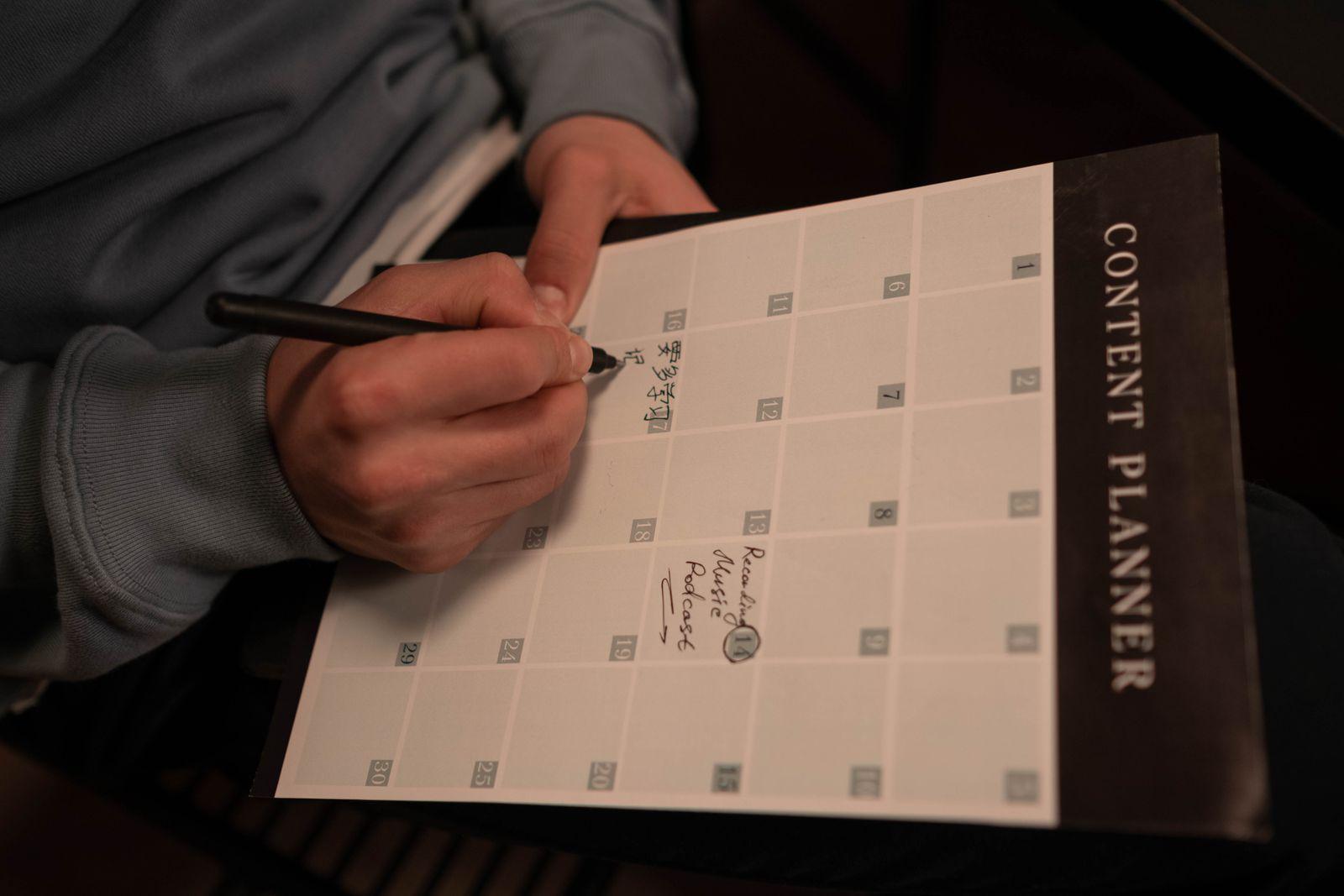
How to write a brief for a creator and stop redoing the material

Short answer
A brief is one page that settles seven points: the job in one sentence, the format and number of deliverables, where it will be published, two dates — delivery and publication, the fee or barter item, usage rights and the number of revisions. Anything the brief leaves out, the creator will fill in alone. Half an hour of writing decides the rest.
Most collaborations with creators do not fail on the shoot or in the edit. They fail at the moment a brand writes “make something nice about our product” and gets exactly what it asked for — something.
A brief is the cheapest lever a client has over the result. It costs half an hour and decides the rest. Anything the brief leaves out, the creator will fill in alone — not out of carelessness, but because they are filming today and you will answer tomorrow.
Three things a brief has to settle
A good brief is not a summary of the company's values. It has three jobs.
First: let the creator judge whether the job fits at all. They read the description and decide whether to apply. If the format, the volume and the payment are not clear from the text, they either skip it or apply with questions — and the messages will cost you more time than the brief would have.
Second: draw the boundaries. What has to be said, what must not be said, how the product is named. A boundary is not a script; it is a fence, and inside it the person is free.
Third: close the disputable points before they become a dispute. Rights to the material, the number of revisions, how long the post stays up. Every one of these, left out at the start, surfaces at the worst moment — when the work is delivered and both sides are certain they agreed on the opposite.
What to write in each point
The job in one sentence. “We need a video where someone shows how they apply the serum and says in their own words what changed after two weeks.” If it does not fit in a sentence, you have not decided what you want yet, and the brief will not hide that.
Format and volume — in numbers. “One vertical reel of 15–20 seconds plus two stories with a link” instead of “a content package”. The difference between one and three deliverables is a difference of half the price, and it is better noticed before the start than after delivery.
Where the material goes. Three scenarios, each priced differently: published on the creator's profile, made for your channels only, or both. Price, rights and even who you should look for depend on it — for material used in your own ads, the size of the creator's audience does not matter at all.
The deadline — two dates. Delivery and publication are not the same thing. If the material has to be ready for a campaign launch, write both.
Money or barter — specifically. Amount and currency. For barter: what exactly the creator receives, not “brand products”. Rates differ several times over, and a stated amount saves two emails out of three.
Usage rights. The most often skipped point and the most expensive one. By default the rights stay with the creator: material you paid for cannot go into paid advertising unless that was written down. Describe it with three parameters: where (your channels, paid ads, website), in which market and for how long.
The number of revisions. Write it as a number. “We revise until it is approved” turns a fixed price into an open account and almost always ends in conflict.

Ad disclosure is not a detail, and not the creator's call
In Poland this is governed by the recommendations of the President of UOKiK from September 2022 on labelling advertising content by influencers. What follows from them for a client:
- The label must be clear and unambiguous to someone seeing the profile for the first time, not only to regular followers.
- Two-level labelling is recommended: a note in the description or on the material itself plus the platform's own tool.
- The text should be in Polish if the profile is run in Polish, and large enough to be noticed.
- The recommendations cover every platform, without exception.
- They apply not only to paid publications but also to gifts, including PR packages, and to self-promotion.
The duty sits with both sides, so it is worth writing the disclosure line into the brief yourself rather than assuming the other side remembers. It costs less than sorting it out afterwards.
What does not belong in a brief
Over-specifying hurts as much as leaving things out. A ready script with lines, a mandatory list of six “key messages”, a requirement to show the logo in the first three seconds — all of it turns a recommendation into an ad filmed by a non-professional. You are paying precisely for someone speaking in their own words, and their audience spots the difference instantly.
One more thing: do not move your internal company language into the brief. “The communication should reflect the brand's values” means nothing to the person who has to film it. “Do not call the product a medicine” does.

What a filled-in brief looks like
- Job: hydrating serum — vertical video — delivery by 12 March.
- In short: a serum for dry skin, sold only in our shop.
- What we need: one video, 15–20 seconds. Show the texture and the application, say in your own words what changed after two weeks.
- Boundaries: do not promise medical results, do not compare with named brands, say the full product name.
- Where it goes: our channels only, no publication on your profile.
- Rights: paid advertising in Poland, 6 months.
- Revisions: up to three rounds.
- Payment: amount, paid after the material is accepted.
- Disclosure: the material runs on our channels, we handle the labelling.
A brief like this reads in a minute and makes it obvious whether the job fits. That is the whole point of writing one.
How Blogger Bank helps with this
Everything above works anywhere — even in Instagram messages. This part is about what the platform adds.
The job form does not let you forget. A job is built from blocks: description, platform and content type, images and references, location, dates and amount, barter item. An empty field is visible immediately, so rights and deadlines do not get lost on the way.
You do not search — they come to you. A published job goes into the open job catalogue and creators apply on their own. From platform data as of 21 August 2026: 99 percent of visible jobs receive offers, and over the last twelve months — 100 percent. The median time to the first offer is under an hour, 80 percent of jobs get their first offer within a day, and a job collects 37 offers on average. The figures count offers in both directions: applications from creators and invitations sent by the brand.
A stated amount does not increase the number of applications — it changes their quality. Paid and barter jobs collect offers at the same rate, 99 percent in both groups. The difference is that with an amount on the table the conversation starts with dates and format instead of “what do you pay”.
Revisions have a ceiling. The platform allows up to three rounds of revisions. That is exactly the number you have to negotiate separately when working outside a platform — and the one that most often turns into an argument.
Money and acceptance. The amount is reserved and goes to the creator once the material is accepted, and the terms are recorded for each job separately. That is the part which, in ordinary correspondence, rests on someone's word.
If you want to see the whole process first — from publishing a job to accepting the work — it is described on the page for brands. And the fastest way to see a working brief is to open the catalogue and read a dozen written by others: each was written to make someone apply, and it shows.
Frequently asked questions
What should a brief for a creator contain?
The job in one sentence, the format and number of deliverables, where it will be published, two dates — delivery and publication, the fee or barter item, usage rights and the number of revisions. Seven points are enough; the rest depends on the job.
How long should a brief be?
One page is enough. A brief should make the job clear without follow-up questions and stop short of becoming a script. Three pages without a stated fee work worse than one paragraph with specifics.
Does a brief have to state the budget?
It does not have to, but it helps. A stated amount does not increase the number of applications — on Blogger Bank paid and barter jobs collect them at the same rate — but it moves the conversation straight to dates, format and rights.
Who owns the rights to material filmed by a creator?
The creator, by default. A brand may use the material only within the scope written into the job: where it publishes, in which market and for how long. Without that, the material cannot be used in paid advertising.
How do you label material as advertising under the UOKiK recommendations?
The recommendations of the President of UOKiK from September 2022 propose two-level labelling: a note in the description or on the material itself plus the platform's own tool. In Polish, and readable for someone seeing the profile for the first time.
Does a gifted product have to be disclosed?
Yes. The UOKiK recommendations cover not only paid publications but also gifts, including PR packages, as well as self-promotion — a creator advertising their own brand.
How many revisions should the brief allow?
As many as you are willing to pay for, and always as a number. Blogger Bank allows up to three rounds. “We revise until approved” turns a fixed price into an open account.
How does a brief differ from content guidelines?
A brief answers “what and why”: the job, the format, the deadline, the fee. Guidelines answer “how exactly”: what to show, what not to say, how to name the product. Everyone considering the job reads the brief; only the chosen person reads the guidelines.
Is a brief needed for a barter collaboration?
Yes, in the same scope. Only the payment line changes: instead of an amount you write what exactly the creator receives. Barter removes neither the rights question nor the duty to disclose advertising.