How to Become a UGC Creator: Start Before You Feel Ready
Short answer
A UGC creator films photos and videos for brands, which publish them on their own channels — so a large following is not required. Start with a phone and three products you already own: shoot a review, an unboxing and a problem-solution piece. A first portfolio is 5–8 short videos. The craft comes from practice, not before it.
The most common message that lands in a UGC creator's inbox goes something like this: \"I want to get into UGC, but I don't know where to start.\"
That's completely normal. A lot of people watch other creators, see polished Reels, brand partnerships, PR packages, and professional portfolios — and think: \"I'm not ready yet.\"
Because the camera could be better. The lighting more professional. The apartment more aesthetic. The voice more confident. The idea more creative. The portfolio more polished.
The problem is that this perfect moment almost never arrives. And people who wait for full readiness often never start at all.
The truth is simpler: UGC starts with your first imperfect video. Not expensive equipment. Not a viral idea. Not confidence. Just practice.
What Is UGC, Actually?
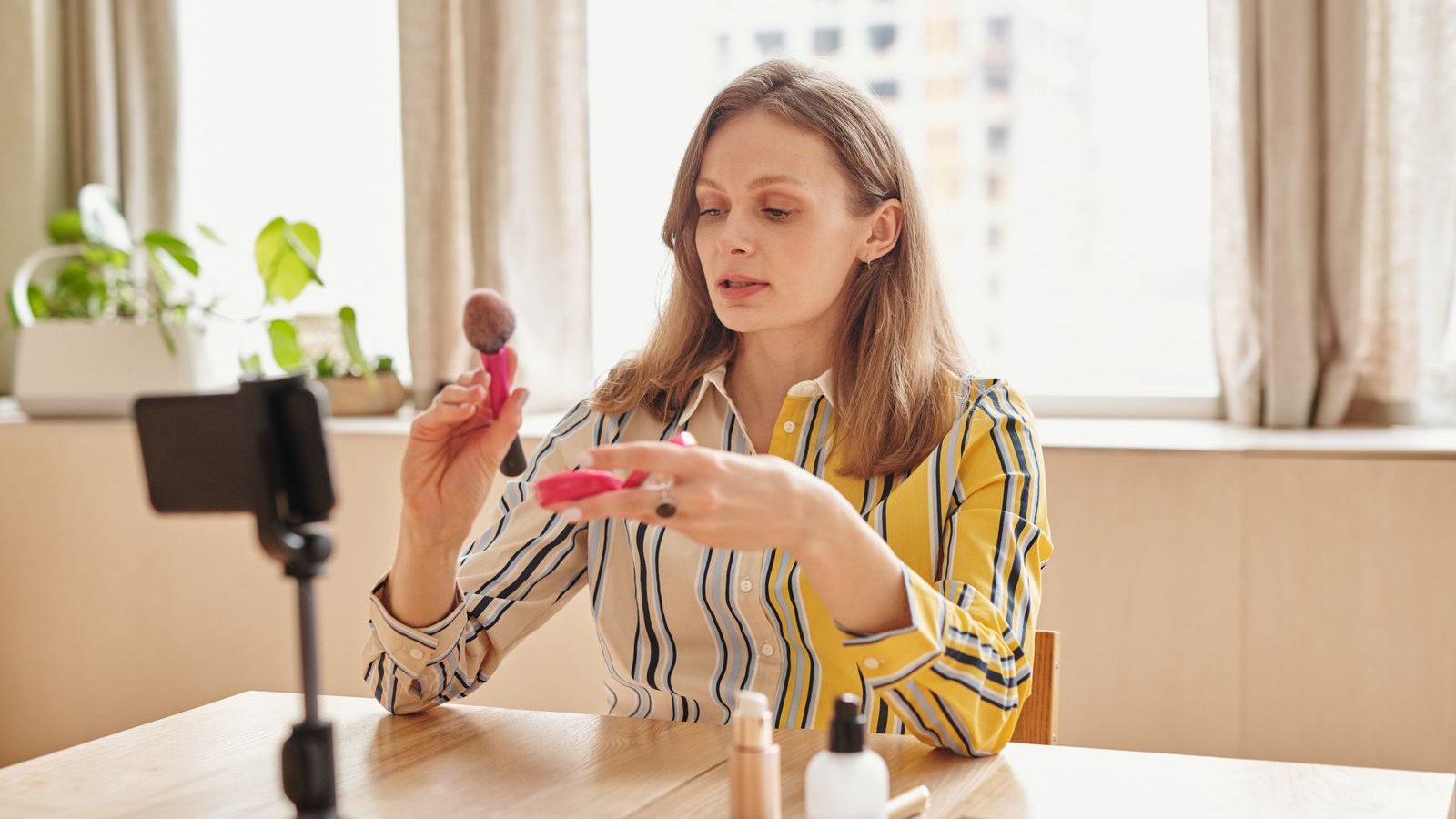
UGC — user-generated content — is content created by individuals for brands. It can include short videos, photos, reviews, unboxings, product tests, tutorials, or natural footage showing a product in everyday use.
Unlike classic influencer marketing, a UGC creator doesn't always need a large following. A brand often isn't buying access to your audience — it's buying the content itself, which it can then use in ads, on social media, in its online store, or on a product page.
That's why UGC is so attractive for beginning creators. You don't need 50,000 followers from day one. You need the ability to show a product in a way that feels credible, simple, and engaging.
Why Most People Don't Start
The most common reason isn't a lack of equipment. It's a lack of permission to be a beginner.
Many people want to start only once they're already good. But UGC works the other way around: you get better by starting. Your first video might be awkward. The second might have bad lighting. The third might run a little long. By the fifth, things will start to look better. By the twentieth, you might not recognize yourself.
That's how skills are built — not by waiting, but by doing.
How to Start UGC Without Professional Equipment
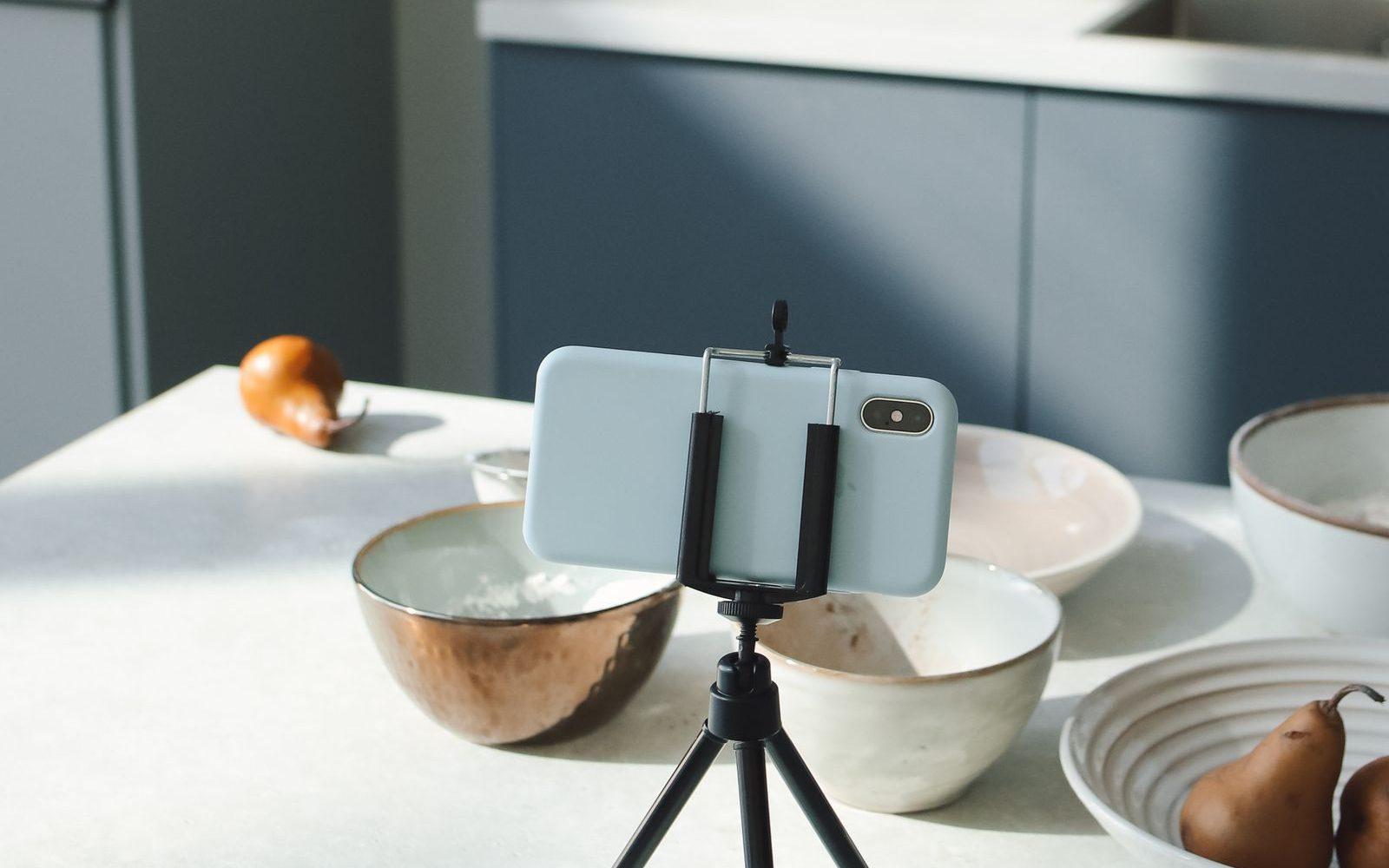
A phone, a product you already own, and a simple idea are all you need to start. You don't need to go out and buy lights, a microphone, a tripod, and props. Start with what's already around you: a skincare product, coffee, a candle, a book, a supplement, an app, a piece of clothing, a kitchen accessory, or a baby product.
The most important thing is learning a few basics:
- how to show a product in a natural context;
- how to open a video in a way that holds attention;
- how to speak simply and directly;
- how to show a problem, a solution, and a result;
- how to film short takes;
- how to edit so the video doesn't drag.
It's not about perfection. It's about having something to learn from.

Your First Exercise: Film a Video With a Product You Already Own
If you genuinely want to start as a UGC creator, do one simple task: pick a product you already have and film a short video. It could be a skincare item, tea, a notebook, a blender, an app, perfume, or a pair of shoes. It doesn't need to be a well-known brand. At this stage, it's not about a collaboration — it's about training.
Simple structure for your first UGC video:
- Hook: \"I didn't think this product would actually make a difference, but…\"
- Problem: Show a situation the viewer can relate to.
- Product: Show the product in use.
- Result: Say or show what changed.
- Call to action: \"Check it out if you're looking for something similar.\"
It doesn't have to be perfect. It has to be filmed.
What Should a UGC Creator Portfolio Include?
Your UGC portfolio is your calling card. A brand wants to see whether you can create content that looks natural, is easy to follow, and fits the way a product should be communicated.
To start, you can prepare 5–8 sample pieces. They don't have to be paid collaborations — they can be mock-ups created with products you already own.
A good portfolio shows a range of formats:
- product review;
- unboxing;
- tutorial;
- problem–solution video;
- before-and-after test;
- aesthetic product shots;
- talking-to-camera video;
- short ad-style clip.
A strong portfolio shows not just pretty shots, but sales-oriented thinking. A brand wants to know whether you understand why a piece of content exists: to build trust, explain a product, demonstrate its use, or encourage a purchase.
How to Find Your First UGC Brand Deals
Many beginning creators start by DMing brands on Instagram. This can work, but it tends to be chaotic — often with no clear terms, no budget, no brief, and no concrete response.
That's why platforms that structure the relationship between brands and creators are becoming increasingly important. On Blogger Bank, a creator can build their profile, showcase their portfolio, and apply to brand campaigns. For beginning UGC creators, this is more manageable than random DMs, because collaborations have a clearer structure: a brand, a brief, expectations, content format, and terms.
This matters especially at the start, when you're still learning how to talk to brands and how to price your work.
Do You Need a Big Following to Start UGC?
No — and that's one of UGC's biggest advantages. In classic influencer marketing, follower count matters a lot because the brand is paying for access to your audience. In UGC, the brand is often buying the content, not your reach.
An active profile helps — it builds trust and shows your style. But you don't have to wait until you've built a large community. You can start by creating samples, publishing your own content, and growing your portfolio.
In UGC, what counts most is: naturalness, message quality, ability to show a product, understanding of brand needs, regular practice, reliability, and willingness to work from a brief.
The Biggest Beginner Mistake: Waiting for Confidence
Confidence doesn't show up before you act. It shows up after several — or several dozen — attempts. If you wait until you feel ready, you might wait a long time. Better to treat your first pieces as training, not as a test.
Your first video doesn't need to impress anyone. It needs to teach you: how you position your phone, how you sound on camera, how the product looks in frame, how fast you speak, whether your script sounds natural, which shots feel slow, and what you can improve next time.
That's the real path to better content.
A Mini Plan for Your First 7 Days in UGC
If you want to start but don't know how, here's a simple week-by-week plan.
Day 1: Choose 3 products you already own.
Day 2: Film a short video with one of them.
Day 3: Watch it back and write down 3 things to improve.
Day 4: Re-film the same product with those improvements.
Day 5: Create 2 more short sample clips.
Day 6: Pick the best moments and put together a portfolio.
Day 7: Set up or update your profile on a creator platform like Blogger Bank and start browsing available campaigns.
Most importantly: don't overcomplicate it. Your goal is to start — not to build a perfect personal brand in a week.
Start — Even If You Don't Feel Ready
If you want to get into UGC but don't know where to start, the answer is simple: start with your first video. Imperfect. Filmed on your phone. With a product you already own. Without perfect lighting, expensive equipment, or full confidence.
Because the skill of creating content doesn't appear before you start. It appears while you're doing it.
Your first video might be weak. Your fifth will be better. Your twentieth could be the beginning of your real portfolio.
Just start. Really. Create your profile on Blogger Bank, add your sample content, and start browsing brand campaigns looking for creators to work with.
Frequently asked questions
Can I start UGC with no experience?
Yes. Most people begin by filming sample material with products they already own and show that as a portfolio. Experience comes from practice and regular filming, not before the first paid job.
Do I need a professional camera?
No. A smartphone that records in good quality is enough at the start. Daylight, clean sound, a simple message and showing the product so it looks used rather than staged matter far more than gear.
How many videos should my first UGC portfolio have?
Five to eight short pieces in different formats is enough to start: a review, an unboxing, a tutorial, a product test, a problem-solution piece and a video spoken to camera. It shows craft, not volume.
Does a UGC creator need a lot of followers?
Not always. In UGC the brand usually buys the content itself rather than the creator's reach, so account size does not decide the job. A large community helps but is not a condition for starting.
Where do you find your first UGC collaborations?
You can write to brands directly, but platforms connecting creators and companies, such as Blogger Bank, are more convenient. Campaigns, briefs and clearly written terms are easier to find there than in private messages.
Does a UGC creator publish the material on their own profile?
Usually not. The brand buys the finished file and publishes it itself: in ads, on a product page or on its own profile. That is why a creator's account can be small and the material still reaches thousands.
What is the biggest mistake beginner UGC creators make?
Waiting to feel fully ready: better gear, better light, more confidence. That moment almost never arrives, and the craft only appears while filming one piece after another.
How do you start your first UGC video?
Pick three products you already have at home and film a short review, an unboxing and a lifestyle piece with them. That is enough to have first samples and start applying to brands.