Faceless UGC: Formats, Portfolio and How to Pitch It to Brands
Short answer
Faceless UGC is content where hands, voice and framing carry the product: unboxing, hands-on demos, overhead tutorials, voiceover, before and after, POV or ASMR. Brands buy it mainly for ads and their own profiles. Build a portfolio of a few such videos, and in your pitch state your specialism, deliverables, usage rights and deadline.
Faceless UGC is a normal part of the market, not a lesser version of talking-to-camera videos. A brand that orders UGC is mainly buying footage that shows the product in use: hands, packaging, results, a voice explaining it. A face can help, but many formats do not need one at all. Below we explain which formats you can film without showing your face, how to build a portfolio from them and how to pitch brands so that the missing face looks like a deliberate specialism.
Why brands buy faceless content
Most UGC videos end up in ads and on brand profiles, not on the creator's account. The brand needs a clear product, believable use and a strong opening that stops the scroll. A shot of hands opening a parcel, applying a cream or assembling furniture meets those needs just as well as a video to camera.
Sometimes the absence of a face is an advantage. Footage without a specific person is easier to cut into several versions, combine with other shots or reuse in different markets with a different voiceover. Categories where the product and its details matter — cosmetics, cooking, electronics, interiors, pets, sport — work well with faceless framing.
UGC formats you can film without your face
- Unboxing and first impressions. Hands, a parcel, the product coming out of its packaging, close-ups of details. A classic format that needs good light and a steady frame.
- Hands-on product demo. How it works, how it opens, what the texture or material looks like. It works best when each shot shows one specific thing.
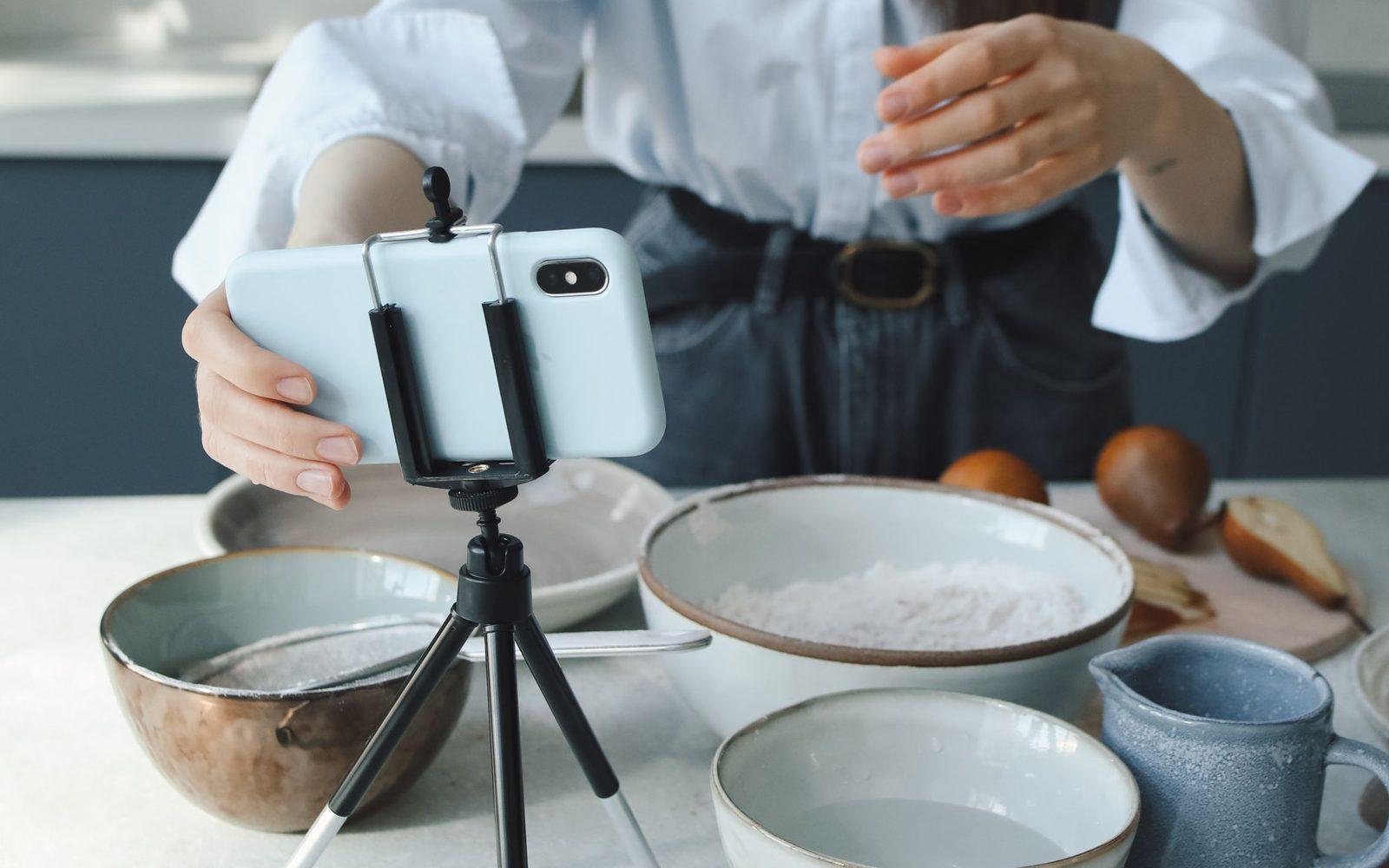
- Tutorial or “how I use it”. Steps filmed from above or over the shoulder, with captions or voice. Good for cooking, skincare, cleaning and tools.
- Voiceover over product shots. You film the visuals and tell the story with your voice: problem, solution, result. A voice builds trust much like a face.
- Before and after. The same frame before and after use: a worktop, the skin on your hands, a wardrobe, a lawn. The result must be real and achievable with the product.
- POV and first-person shots. The camera shows what you see: morning coffee, a packed backpack, a workout.
- ASMR and product sound. Rustling packaging, a clicking lid, pouring. It works where sound is part of the experience.
- Product photos and flat lays. Some brands order a set of photos in a natural setting alongside the video.
One product can usually be filmed in several of these formats at once. That is an argument for the brand: one shipment gives it several assets to test.
How to build a faceless UGC portfolio
A portfolio shows a brand that you can sell a product with visuals, not that you have a large following. To start, a few short videos filmed with products you already own, in different formats and categories, are enough. Label each video: what format it is, what goal it serves and how long it runs.
Take care of what stands out most in faceless content: clean hands and nails, a tidy background, a stable frame, good daylight and clear sound. If you rely on your voice, include at least one voiceover video, because the brand wants to hear your tone and pace. For first steps, see How to become a UGC creator.
How to pitch faceless UGC to brands
Do not apologise for not showing your face and do not hide it at the end of the message. State your specialism plainly and give the brand what it needs to decide:
- Your specialism in one sentence, e.g. “I film hands-only demos and tutorials for skincare, with a Polish voiceover”.
- A portfolio link with two or three videos closest to the brand's category.
- What the brand gets: number of videos, length, alternative hooks, captions, vertical format and raw footage if you offer it.
- Scope and duration of use: whether the footage goes only on the brand profile or also into paid ads, and for how long. It is a separate part of the offer worth pricing deliberately.
- Deadline and number of revisions, so both sides know what to expect.
Ask the brand for a brief and a single goal for the video. Faceless footage needs a more precise shot plan, because facial expressions cannot make up for a weak script. A ready structure helps: hook, problem, product in use, result, call to action. We break it down in UGC video script: hook, structure and template.
Rights, image and ad disclosure
Not showing your face does not remove the need to agree on rights to the footage. Put in the contract where the brand may use the video, for how long and whether it may edit it. If another person appears in the frame, such as a child or partner, distributing their image generally requires their consent under Article 81 of the Polish Copyright and Related Rights Act. Your voice and distinctive features, such as a tattoo on your hand, can also identify you.
If you publish the material on your own profile as part of a collaboration, label it as an ad. In its influencer marketing recommendations, Poland's consumer authority UOKiK says creators, advertisers and agencies are all responsible for clear labelling. When the video goes only to the brand, the brand is responsible for how the ad is run. This is not legal advice; if in doubt, have a lawyer review the contract.
Faceless UGC on Blogger Bank
On Blogger Bank, brands post jobs with a description, format and budget, and creators apply themselves. You do not need a large account for UGC jobs: what counts is your portfolio and whether your proposal fits the brief. As of 21 August 2026, almost half of the more than 10,000 profiles in the database were UGC creators.
Payment is secured until the material is approved, so you do not send a finished video blind. The commission is 5% on the creator's side and 5% on the brand's side. Create a creator account, add your faceless portfolio and apply for your first job.
Frequently asked questions
Can you make UGC without showing your face?
Yes. Brands that order UGC mainly buy footage showing the product in use, so many formats work without a face: unboxing, hands-on demos, overhead tutorials, voiceover, before and after, POV shots and ASMR content.
Which UGC formats work best without a face?
Unboxing, hands-on product demos, overhead tutorials, voiceover over product shots, before-and-after comparisons, POV shots, ASMR and product photos work well. A single product can usually be filmed in several of these formats at once.
Do brands buy faceless UGC?
Many brands mainly need a clear product and a strong opening rather than a specific person. Faceless footage is easier to cut into versions and pair with a different voiceover, which makes testing ads simpler for the brand.
What should a faceless UGC portfolio include?
A few short videos in different formats and categories, filmed with products you already own. Label each one with its format, goal and length. If you work with your voice, include at least one voiceover video.
How do you pitch faceless UGC to a brand?
State your specialism in one sentence and link two or three videos from the brand's category. Add the number and length of videos, alternative hooks, scope and duration of use, deadline and revisions. Do not apologise.
Do you need to talk to camera in faceless UGC?
No. You can tell the story with on-screen captions or a separately recorded voice. A voiceover builds trust much like a face, and the brand can later order a version with another voice for a different market.
Does faceless UGC need a contract covering usage rights?
Yes. Whether or not your face appears, agree where the brand may use the video, for how long and whether it may edit it. Use in paid ads is a separate part of the offer worth pricing.
When must faceless UGC be labelled as an ad?
When you publish the material on your own profile as part of a collaboration, label it as an ad. According to UOKiK recommendations, creators, advertisers and agencies share responsibility. A video delivered only to the brand is run by the brand.