AI influencers: what brands should check before collaborating
Short answer
An AI influencer is a virtual character used in influencer marketing whose appearance or content is created with AI. Brands should check the operator, rights, disclosures and evidence of actual product use. When human experience is needed, Blogger Bank helps organise creator collaborations through applications, profiles, contracts and secure payment; it does not generate avatars or guarantee their availability.
An AI influencer is a virtual character whose appearance or content is created using artificial intelligence, with a human or team running the profile. It can appear in adverts and attract an audience, but has no personal experience of a product. For a brand, the key question is therefore not “does it look real?” but “what can this character honestly show, and who is responsible for its words?”.
If you need an opinion based on using a product, start with a real creator, not a generated face. Create a brand account on Blogger Bank and describe a task requiring an actual test: what the creator should check, record and submit for review. The platform helps collect applications and organise collaborations; it is not an AI generator or a promise of access to virtual influencers.
A virtual character is not the same as a creator using AI
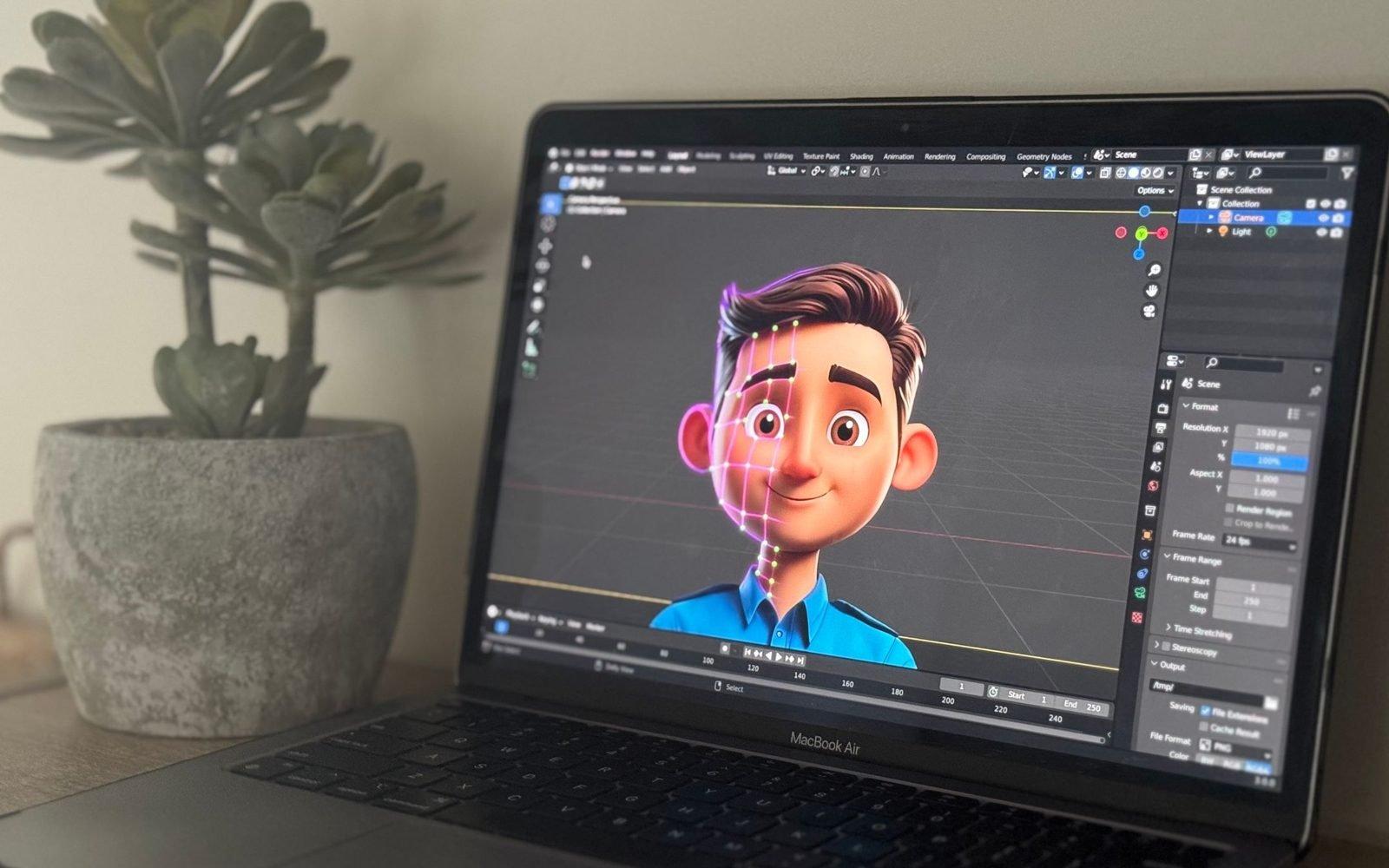
A creator who adds automatic captions or removes noise from a recording is still a person standing behind their words. A virtual influencer has a designed identity: a face, voice, way of speaking, interests and sometimes a fictional biography. An operator decides what it publishes. The label “AI influencer” alone does not tell you how much work is done by a model and how much by a scriptwriter, designer or account manager.
Not every virtual character is AI-generated, either. A character may be traditionally animated, built in graphics software or combine human footage with synthetic imagery. Before comparing offers, ask for a description of the production process. “Virtual” describes the character, while “AI” describes the technology; neither label confirms the quality of the content or access to a real audience.
Also distinguish between a profile with its own community and an avatar appearing only in a brand advert. In the first case, you are also buying publication to a particular audience. In the second, you are commissioning creative content that still needs distribution. A portfolio of impressive videos is no substitute for account audience data if reaching that audience is what you are paying for.

If AI is intended to change a product's surroundings rather than create its virtual ambassador, establish where each image element comes from. Our guide to offering AI product photos to brands shows how a creator can describe the editing scope and prepare material for checking before acceptance.
Choose a character to match what the advert needs to prove
A virtual character can narrate an invented story, guide viewers through features or become a recognisable figure in brand communications. Assess this creative work as a scripted advert, not an independent user recommendation. If the content needs to explain how to open a package, show the real package. If it tells a fantastical brand story, the character’s fictional nature can be part of the idea.
A real creator is needed where experience provides the value: the taste of a dish, the comfort of a backpack, operating a device or what happens during a visit. A person can describe what they checked and what they cannot assess. A virtual character cannot taste coffee or wear shoes. Having it say “I tested them on a run” requires particular care: a render is not evidence of a test.
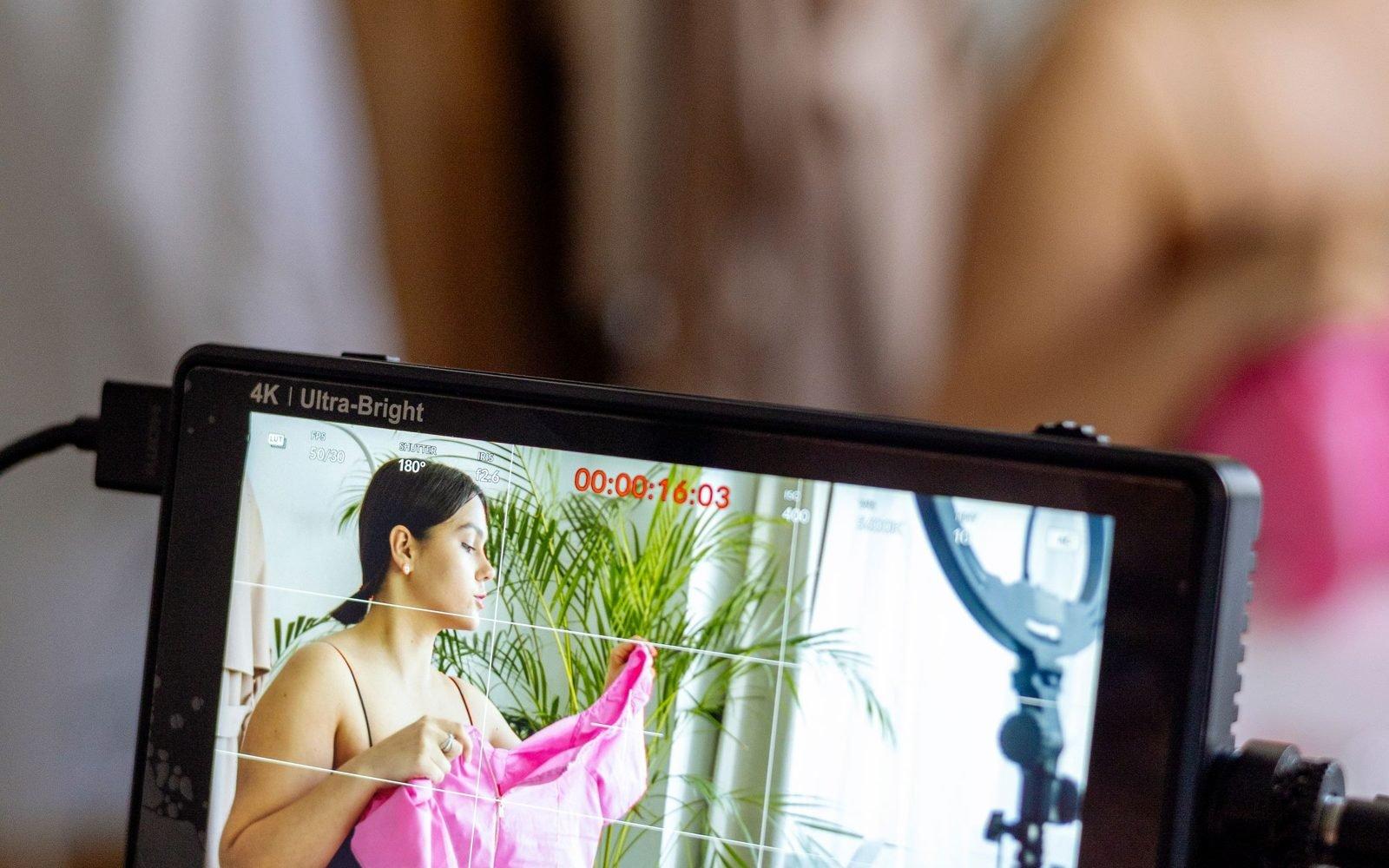
No face does not mean no real user. When you need a demonstration rather than a personal ambassador, commission faceless UGC: hands operating the product, an overhead shot or a creator commenting on their own footage. This is a different choice from generating a scene in which the product only appears to be in use.
Mixed content is also possible: a synthetic narrator introduces a scene, and a real creator shows the product. Separate these layers in the brief. Viewers should understand what is a visualisation, what is test footage and whose opinion they are hearing. Do not attribute a human’s experience to a virtual character simply because they have been edited into the same video.
Control over appearance does not automatically mean control over risk
A designed character lets you plan the style and recurring elements of your communications, but the final content still needs approval. Check that the product retains its shape, the label text is correct and the action shown is actually possible. An attractive shot may hide altered proportions, an extra button or an effect the product cannot deliver.
Do not assume a virtual creator will be cheaper, faster or more effective than a human. Compare the same scope: production, revisions, publication, language versions, use in advertising and documentation of the content. The operator should show what they deliver rather than justify the offer with the word “automation” alone.
Trust also needs checking, not declaring. Review comments on earlier posts: do people understand that they are following a fictional character, ask about the product or only comment on its appearance? Request statistics from the account dashboard, including the reporting period and information about paid promotion. Follower numbers prove neither a match with Polish customers nor interest in your category.
Questions for the operator before accepting an offer
Speak to the person or company responsible for the profile. The character’s name is not enough to identify the contractor. Request written answers, with examples and documents where needed. The following list helps assess an offer; it does not replace a legal review of a specific contract.
- Who runs the account and signs the contract? Establish the contractor’s details, a contact person, your ability to approve posts and a procedure for urgent corrections or withdrawing content.
- What exactly is generated? Ask the operator to identify the imagery, voice, movement, text and elements taken from real footage. Ask whether the character is based on a particular person.
- What are you buying beyond the file? Clarify account publication, formats, versions, revisions, performance reporting and the scope of further use by the brand.
- Where do the content elements come from? Request confirmation that the voice, music, photos, character model and tools can be used commercially. Simply saying “AI-generated” does not resolve these issues.
- Who checked the product? You need to know the person, the testing process and the source materials if the advert is meant to show the result of actual use.
- How will viewers recognise the advertising and synthetic content? Ask to preview the disclosures in the specific format, not just for an assurance that the account mentions it in its bio.
- Who handles replies to viewers? Establish who checks answers to product questions and what happens when an automated reply contains an error.
When a character uses a real person’s likeness or voice, do not limit the discussion to a licence for the finished video. The scope of that use needs to be established separately. For a broader discussion, see the guide to consent to the use of a person’s image in advertising and AI. Do not treat the operator’s assurance as a standalone assessment of the rights of everyone involved and all materials used.

Separate advertising disclosure from information about AI
The description “virtual character” explains the character’s identity, but does not say who is paying for promotion. UOKiK’s influencer marketing recommendations call for clear, unambiguous labelling of advertising content and identification of the promoted brand. They recommend using both the platform’s features and your own disclosure. When approving an advert, check both messages: the commercial nature of the collaboration and the synthetic nature of the content.
The AI Act’s transparency obligations are a separate issue. According to the European Commission’s guidance on Article 50, this article’s provisions apply from 2 August 2026; they include disclosure of deepfake content by AI deployers. Do not reduce them to “every avatar is a deepfake”. The scope depends on the content, how it is presented and the entity’s role. If in doubt, commission an assessment of the specific creative work rather than copying a disclosure from another profile.
Also check the rules of the platform where you will publish. TikTok requires labelling of realistic AI-generated images, audio and videos. A label does not mean that any content is permitted, however. Check compliance for the finished content and its planned distribution, not just the production tool. Sources checked on 6 November 2026; this text is not legal advice.
Content approval: evidence first, visual effect second
List the claims in the script and note the basis for each one. “This is how the container opens” can be checked against raw footage. “It feels comfortable in the hand” should be the opinion of an identified person who held it. “It removes every stain” does not become true because an animation shows clean fabric. Remove unsupported promises rather than trying to rescue them with a small disclaimer.
A working example: a thermal mug brand commissions a video about its lid. The operator shows a generated shot with no trace of spilled liquid. That is a visualisation, not a leak test. The brand requests real footage following the product instructions, checks the demonstration conditions and only then approves the description. A virtual narrator can explain the mechanism, but should not pretend to be someone who carried the mug in a bag.
Keep the approved script, file version and substantiation for the claims. Before launch, watch the video on a phone: are the disclosures readable, does the product stay consistent between shots, and does the editing present a visualisation as a test result? Also designate the person who decides whether to stop publication. The more realistic the image, the less you should rely on assuming viewers “will surely work it out”.
When you need experience, explicitly commission it
If this assessment shows that the advert needs a real user, put that in the brief. Post a brief as a brand on Blogger Bank, describing the product, the demonstration process, the shots needed and the limits on AI use. Applications and creator profiles help you match a contractor to the task. Before choosing, request a similar portfolio example and agree which source recordings you will receive.
Structure the collaboration through agreed terms for the brief, a contract and secure payment: funds are secured before the work begins, and payment is released after the result is accepted. The brand assesses whether the demonstration is truthful; payment through the platform does not replace that check. Blogger Bank helps organise work with creators, does not generate characters and does not guarantee the availability of virtual creators.
Start with one sentence: “After watching this video, the customer should know…”. If the answer requires someone’s experience, commission an actual test. If a story is enough, assess the virtual character as deliberately fictional creative work — with recognisable advertising and a specific human responsible for publication.
Frequently asked questions
What is an AI influencer?
An AI influencer is a virtual character whose appearance or content is created using artificial intelligence. An operator or team runs the profile. The character can appear in adverts but has no personal experience of using a product.
Is a creator who uses AI for editing a virtual influencer?
No. Someone using automatic captions or noise reduction is still a real creator. A virtual influencer has a designed identity, with statements prepared by an operator. Before collaborating, ask which elements of the video are synthetic.
When should you choose a human instead of an AI influencer?
Choose a real creator when an advert relies on experience: taste, comfort, operating a product or a visit. A virtual character can explain features but cannot replace a user who actually tested the product and describes their own observations.
What should you ask a virtual character’s operator?
Establish who signs the contract, what is generated, where content elements come from and who approves posts. Also request disclosure plans, video usage rights, account statistics and evidence of testing if the advert shows actual product use.
Does an AI label replace advertising disclosure?
No. AI information explains how content was made; advertising disclosure identifies its commercial nature. UOKiK recommends clear labelling of collaborations and naming the promoted brand. Finished content must also be checked against the publishing platform’s rules.
How do you check a product demonstration in AI content?
Compare script claims with real product footage and test documentation. Establish who performed the test and under what conditions. A generated depiction of performance is not evidence of a result; remove unsupported promises before publishing the advert.
Does an AI influencer need its own community?
An offer may cover a profile with an audience or just avatar content for a brand. These are different scopes of work. If buying audience reach, request account statistics with the measurement period and information about paid promotion.
Does Blogger Bank create virtual influencers?
Blogger Bank is not an AI character generator and does not guarantee virtual creators’ availability. It helps brands organise collaborations through briefs, applications, profiles, contracts and secure payment. The brand checks the product demonstration’s accuracy before approval.