Social media advertising campaign: brand profile, creators and ads
Short answer
A social media advertising campaign needs a shared plan for the brand profile, creator posts and paid distribution. Influencer marketing adds a creator's product demonstration; each piece needs an objective, link and owner. Blogger Bank helps collect applications, compare profiles, agree contracts and pay for work through secure payment. The brand manages the media plan and ad account.
A social media advertising campaign needs a shared plan for brand posts, creator content and paid distribution. Otherwise, the creator shows a product, the profile points to a different offer, and the ad attracts questions that nobody handles. Start by dividing the responsibilities: who explains the offer, who shows it in use, and who makes sure interested viewers reach the right page.
If you need a product demonstration, create a brand account on Blogger Bank and describe the content your campaign needs. Creators can apply for the assignment, and you can compare their profiles. First, though, decide where the video will appear: a post on the creator's account and a file for the brand's ad are not the same commission.
Ongoing social media marketing versus a specific campaign
Social media marketing covers the brand's everyday presence: replies, posts, conversations with followers and keeping information up to date. A campaign singles out a particular offer, period and desired customer action within that work. The profile still handles other matters, but campaign content shares one direction. The guide to what an advertising campaign is, using a product example explains the general principles; here, we focus on handing work over between people and publishing channels.
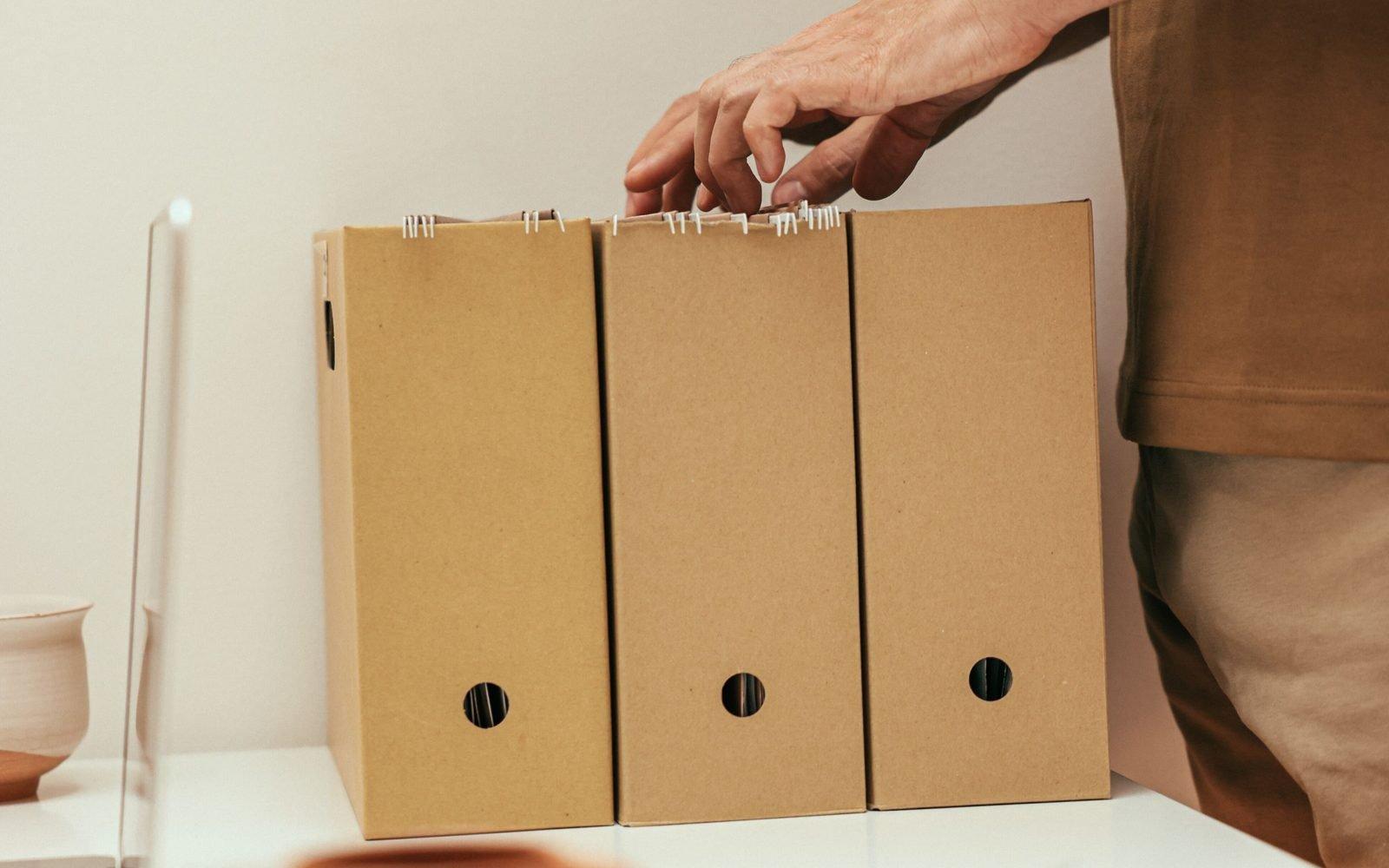
Consider an illustrative editorial example: a shop promotes a set of meal prep containers. This is a planning exercise, not a Blogger Bank client's campaign. The brand profile explains the containers' capacity and what the set includes. A creator shows how to pack lunch for work. A paid ad leads to the page for that same product. The photos in this article are illustrative and do not document this example.
The shared promise should remain verifiable. If the set is meant to help organise a meal, show what fits inside. Do not add claims about heat resistance or leakproofing that the brand has not confirmed. The advertising team can shorten the message, but should not change the product's properties in the process.
The brand profile, creator and ad have different jobs
The brand profile organises information. Someone arriving from a creator's video should recognise the set, find an answer to a basic question and know where to buy it. They should not have to watch every previous post. Provide an up-to-date link, visible content about the offer and someone who will reply to messages. If you are still setting up the account, use the guide to getting a brand started on Instagram with creators.
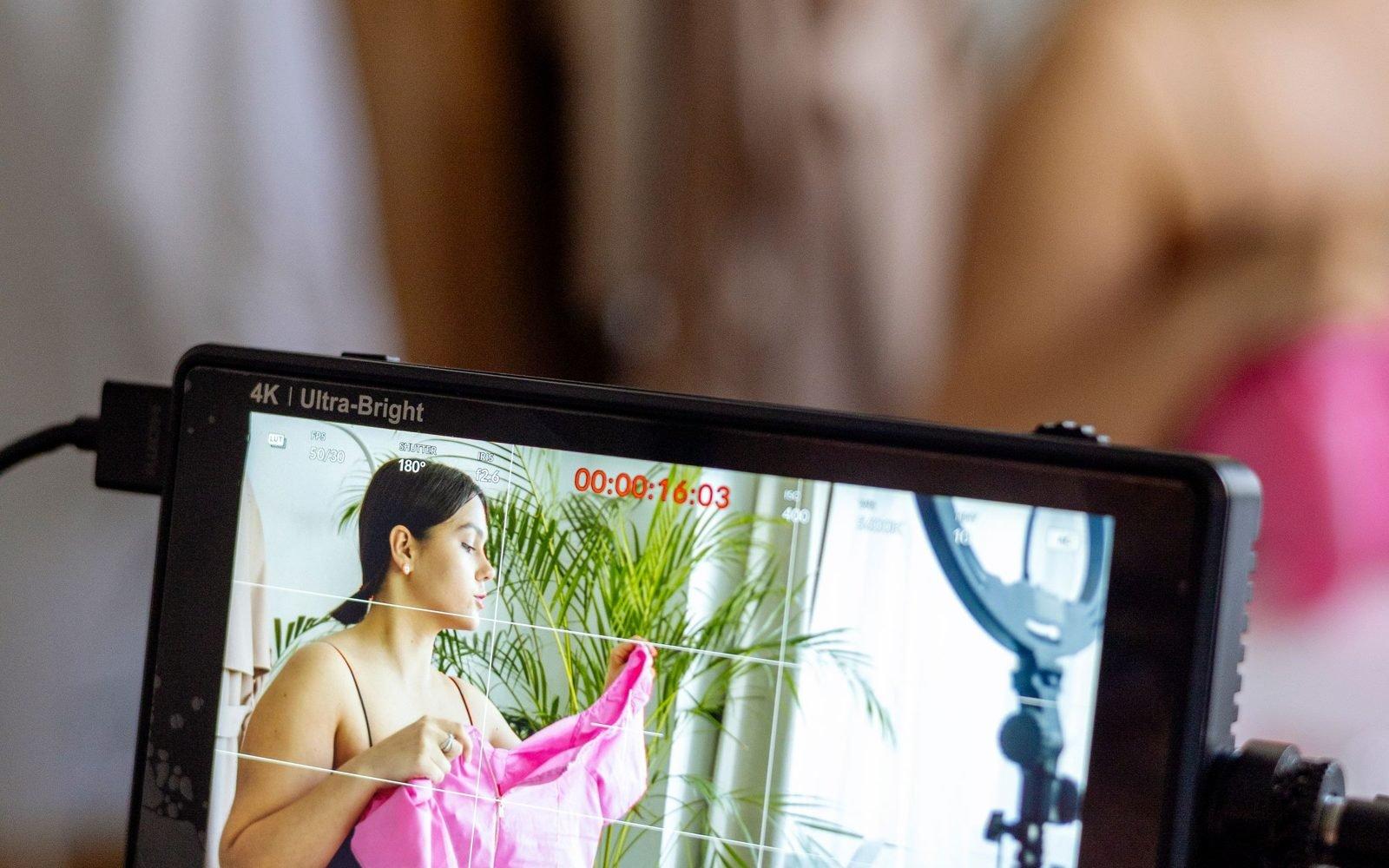
The creator's post shows the product in a situation familiar to their audience. A video about packing lunch explains more than repeating a catalogue description. The creator can show the sequence of steps, proportions and limitations. Viewers must also be able to recognise the advertising partnership; a commissioned demonstration is not a spontaneous review from a random customer.
Paid distribution lets you plan how selected content will be delivered through an advertising system. The person running the ad account is responsible for it, not automatically the person who made the video. They set the objective, audience, spending and when to stop running the ad. An organic post's popularity can suggest something worth testing, but does not prove that the same video will generate purchases as an ad.

A placement sheet: one row for each use of the content
Instead of separate plans for the social media manager, creator and advertising specialist, prepare a shared placement sheet. Each row describes a specific use of content, not an entire channel. The same video posted on a creator's account and used in an ad needs separate entries: it may have a different link, date, caption and person handling comments.
Include these fields in the sheet: placement and publication date, publisher, approved filename, viewer action, destination URL, person answering questions and measurement method. Add the approval status for distribution. “Video ready” does not mean “ad ready” if permissions, a correct link or approval of the shortened version are still missing.
You can copy the sample rows below into a spreadsheet. The version names are illustrative and do not prescribe a fixed number of content pieces.
- Brand profile, post about the set. Published by the profile manager; version “set-description”; viewers check the contents and follow the current profile link to the set's product page. The shop's customer service team answers questions. Measurement: visits from the tagged link and orders attributed using the agreed method.
- Creator profile, packing video. Published by the creator; version “packing-post”; viewers watch the demonstration, and the route indicated in the content leads to the product. The creator answers questions about the experience shown, while the shop takes over questions about purchasing and delivery. Measurement: the creator's statistics and traffic from their separate link.
- Creator Stories with a link. Published by the creator; version “packing-link”; the action is opening the set's product page. The brand is responsible for the correct URL, and the creator for publishing the agreed Story. An order enquiry reaches the shop rather than going unanswered in the creator's private inbox.
- Paid ad using creator content. Launched by the advertising specialist; version “packing-paid”; the button leads to the same offer, with a separate source tag. The brand handles purchase enquiries. The advertising report remains a separate data source, not an addition to sales already totalled in the shop.
In an Instagram advertising campaign, it is particularly easy to confuse a call to action with an available route to the offer. A caption saying “click the link” solves nothing if viewers do not have a working link there. Check the actual journey on a phone: content, profile or button, the set's product page, and the ability to buy. Do not replace a link to the specific offer with the homepage just because it works.
Handing content over for ads does not end with the file
Before filming, agree whether you are commissioning a creator post, content for the brand profile or use in paid ads as well. Specify the placements, period, permitted edits and process for approving changes. This is a practical checklist of agreements, not a ready-made licence template. If the scope of rights is unclear, clarify it before running the ad rather than treating receipt of the file as permission for every use.
The creator should know what an advertising adaptation may change: the opening, length, captions, ending, music or framing. In turn, the advertising team needs to know what must not be cut. Shortening a demonstration must not turn a qualified “this lunch fits in mine” into a promise for every user. Approve a specific version, not a general idea.
According to Meta's documentation on partnership ad formats, checked on 6 November 2026, the availability of music and content elements in ads is subject to restrictions. A track available for an organic post is not necessarily suitable for paid distribution. Prepare a version with audio whose advertising use has been checked; do not discover the problem on launch day.
Check the technical permission to promote the content separately. Meta describes permission at the individual content level, including through a partnership ad code. This does not replace an agreement between the brand and creator on the scope of content use. For setup instructions, see the article on UGC in Meta ads and partnership ads; the shared plan should specify who provides permission and who checks it before launch.
Post an assignment on Blogger Bank with separately described versions for posting and advertising. Prepare the demonstration scene, placements, deadlines and acceptance criteria. Choose a creator from the applications and agree the terms of collaboration in a contract. Secure payment helps settle payment for accepted work; it does not guarantee ad performance. The media plan, ad account and file handover to the advertising team remain the brand's responsibility.

Launch only after checking the entire journey
Plan the sequence around dependencies. The offer and customer service should be ready before viewers arrive from the creator's post. An ad using their content must wait for an approved version and permission to promote it. A calendar entry alone is no reason to launch an ad leading to an unavailable product.
Appoint one person to collect readiness confirmations. The profile manager checks the description and links, the creator confirms the posting version, the advertising specialist checks the ad preview, and the shop's customer service team knows the offer and how to take over enquiries. If the product or date changes, that same person updates every placement instead of hoping the teams notice a message in the shared chat.
When accepting a post, also check its advertising disclosure. UOKiK's recommendations on influencer marketing, checked on 6 November 2026, call for clear identification of the commercial nature and promoted brand, and recommend disclosure on two levels: using the platform's feature and adding your own label. Do not remove information about the partnership when adapting the content.
One sale can appear in several reports
A customer may see a creator's video, return through an ad and buy after visiting the brand profile. Statistics from these placements describe different contacts with the same person. Do not automatically add up purchases reported by Meta, website analytics and the creator's code: one purchase may be attributed in several reports.
Before launch, agree on a shared campaign name and separate link tags for individual placements. Count your sales result in an agreed source, such as the order system, using unique transaction IDs and taking transaction status into account. Compare channel reports alongside that result, stating the reporting period and attribution rules. Not every purchase can be attributed unambiguously to a piece of content.
Also separate acceptance of the creator's work from assessment of ad delivery. A creator may deliver a correct video that needs a different advertising adaptation. An ad may generate visits while the product page fails to answer customers' questions. Record decisions against specific placements: change the video's opening, improve the page or pause the ad. Simply saying “social media doesn't sell” does not tell the team what to fix.
Start by connecting placements, not multiplying posts
Choose an offer and map its journey from the creator's demonstration to purchase. For each placement, add the approved content, a working route to the next step and the person responsible for replying. Only then commission the content versions. A shared plan should close gaps between posting, advertising and customer service, not just fill the calendar.
Frequently asked questions
How do you plan a social media advertising campaign?
Assign specific roles to the brand profile, creator posts and ads when promoting one offer. A shared sheet should identify the approved content version, viewer action, destination URL, person handling enquiries and measurement method for each placement.
How does a campaign differ from ongoing social media marketing?
Ongoing marketing covers daily posts, replies and developing the brand's presence. A campaign singles out a specific offer, period and desired audience action. Its content works together, while the profile continues handling other topics and customer enquiries.
Should an Instagram campaign use the same video everywhere?
Content can share a core, but different placements need separate versions and calls to action. Agree on cuts, captions, music and the ending. Also check advertising permissions and the actual route from the post to the offer.
What should a campaign placement sheet include?
Each row should describe one use of content: placement, date, publisher, approved file, audience action, link and enquiry handling. Add the measurement method and readiness status. Record the creator's post and paid ad separately.
Is receiving a creator's file enough to launch an ad?
The file alone does not establish the agreed scope of use. Before launch, confirm placements, duration, permitted adaptations and rights to content elements. Separately check the platform's technical permissions if the ad uses the creator's identity.
Who answers questions under a creator's post?
Agree responsibilities before posting: the creator can discuss personal experience, while the brand handles purchasing, availability and delivery. Record a contact person and handover process in the plan so customers do not get stuck in the creator's private inbox.
How do you avoid counting campaign sales twice?
Count sales in an agreed source using unique transactions and taking order status into account. Compare Meta, website analytics and creator code reports separately. Do not automatically add them together, as they may claim the same purchase.
What does Blogger Bank organise in a social media campaign?
Blogger Bank helps collect creator applications, compare profiles, agree collaboration through a contract and pay for accepted work through secure payment. The brand handles the media plan, creator-approved adaptations, ad account management and measurement of the whole campaign.