Which product should you choose for your first influencer campaign?
Short answer
For your first campaign, choose a product with a clear benefit a creator can demonstrate in use. Compare candidates by audience need and ease of demonstration, then check profitability, variant availability and the product page. A bestseller does not win automatically. Your choice should produce a specific model and a scene that helps customers assess its usefulness.
For your first influencer campaign, choose a product whose benefit you can show in an everyday situation and that customers can buy without obstacles. It does not have to be new or the most expensive item in the catalogue. A better candidate is a model you can describe in terms of who it is for, what it makes easier and which scene will make that clear. Then check the margin, availability and readiness of the product page.
Once you have a candidate, create a brand account on Blogger Bank and prepare a product demonstration brief. Describing the use case will help attract applications from creators who can actually demonstrate it. The platform helps organise the collaboration; choosing a product from your catalogue and checking its profitability remain the brand's responsibility.
Choose the focus of the content, not a showcase for the whole shop
For your first test, treat the hero product as the main item around which you build the story. Viewers should remember a specific thing and what it is used for. If a creator presents an organiser, a lamp, a desk mat and a stand at the same time, it becomes hard to tell which problem the content is meant to solve. A broad range is an advantage for a shop, but it does not have to be the subject of its first video.
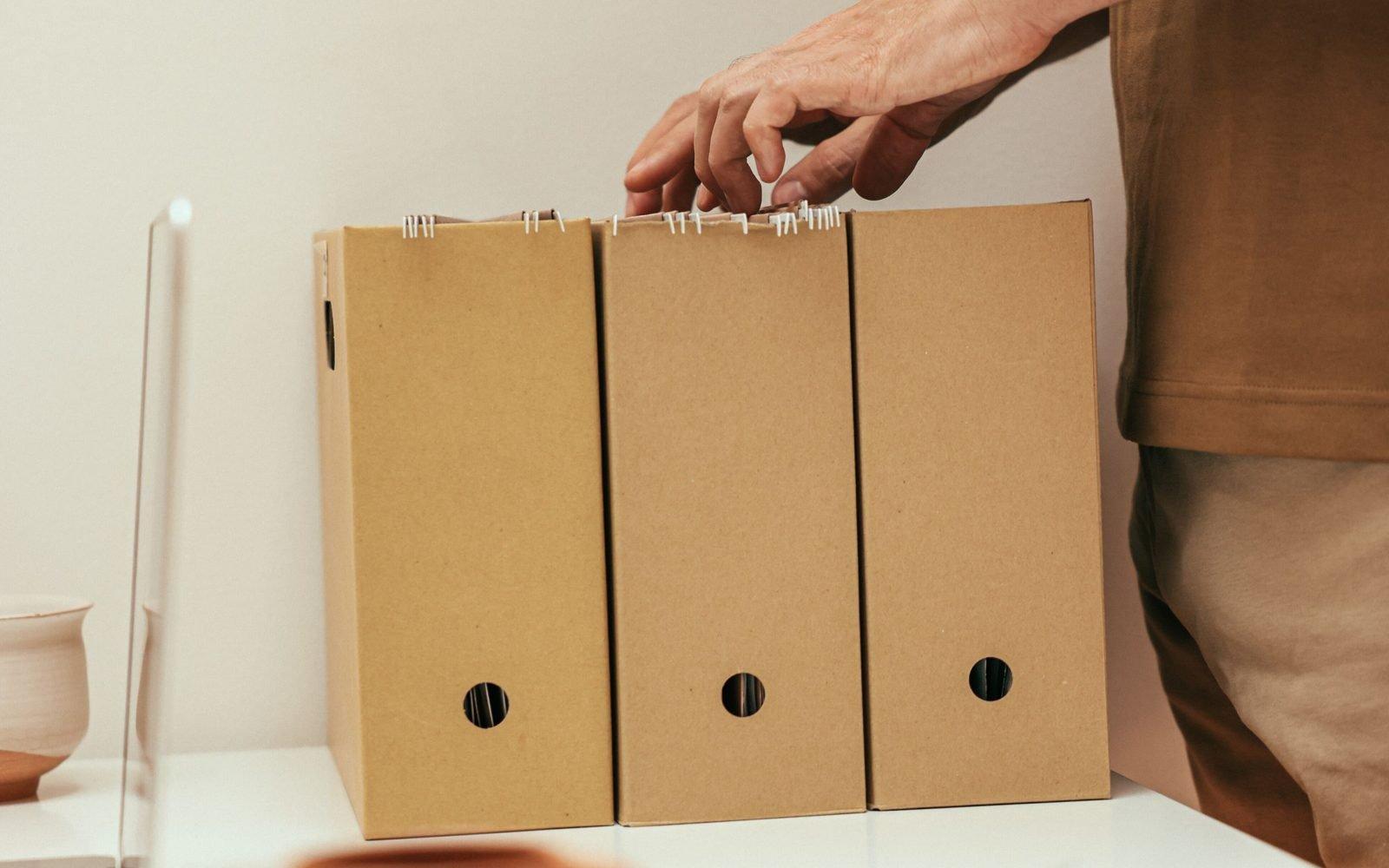
Suppose you run a shop selling desk accessories. You can choose a product because it looks good in a photograph, or because it demonstrates a solution to a noticeable problem. An organiser from which the creator takes the right cable without searching through a drawer gives you the starting point for a scene. Simply saying “we sell office accessories” does not create that scene.
This decision comes before planning the whole campaign. Goals, deadlines and responsibilities are covered in a separate influencer campaign plan. Here, the outcome should be a selected model, a reason for choosing it and a demonstration task, not a complete collaboration schedule.
A selection matrix: how useful the benefit is and how easily it can be shown
List candidates from your catalogue and assess each along two axes: whether it addresses a specific audience need and whether a creator can demonstrate that response. The matrix below is an editorial tool for team discussion, not a model that predicts sales. Do not award points based on a few people's intuition. Next to each assessment, note the evidence or a question that needs checking.
- Clear benefit, easy demonstration. A candidate for the first campaign: you know who it helps, and the scene shows more than the packaging. Still check availability, economics and whether the promise matches the product's properties.
- Clear benefit, difficult demonstration. The product may be good, but it needs explanation, a longer test or a different format. Do not squeeze the whole process into a quick unboxing just because that kind of video is easy to commission.
- Unclear benefit, impressive demonstration. Attractive shots do not yet explain why the viewer should buy this particular item. Clarify the use case and audience before letting the product's appearance decide the choice.
- Unclear benefit, difficult demonstration. Set this candidate aside. First clarify the offer or find a situation in which its value becomes clear. A campaign cannot replace that work.
You can identify a need in customer questions, conversations with support staff and reasons for choosing a model. This is material for a hypothesis, not representative market research. Still, “customers ask whether the cables will fit alongside the charger” is more useful than “the product has great potential”. It suggests what to show and what to explain on the page.

Try the demonstration before choosing a creator
Take the product and record a rough demonstration on your phone. Avoid editing that simulates an effect the product cannot deliver, and skip the list of adjectives. Show the starting situation, the product in use and the visible result. Do not judge the recording as if it were a finished advertisement. You are checking whether there is an action a creator can present in their own way.
For an organiser, the scene could involve putting accessories away and later taking out a specific cable. Showing the inside lets viewers assess the compartments; rotating a closed box does not. If appearance is the product's advantage, show it in the setting and at the scale in which it will be used. Not every product needs a technical demonstration, but each needs a clear reason to take an interest.
Show the test to someone outside the product team. Ask who the item is for, what it changes and what they still do not understand. Do not just ask whether they liked the video: a polite compliment does not establish whether the offer is clear. If all the viewer remembers is an attractive desk, improve the scene or consider another product.
Unboxing suits situations where the contents of the set, workmanship and first use matter. A tutorial is needed when the benefit emerges through use. An effect that requires longer use does not become immediate through faster editing. The way you show a product should follow from its properties, not the other way around.
A bestseller, a new release or stock that is not moving
A bestseller is a reasonable candidate if you know why people choose it and can show those reasons to a new audience. Sales alone are not enough: customers may have found the model while searching for the brand by name or bought it as an add-on. Check whether it has a story of its own for someone who does not yet know the shop.
A new release can also be the focus of a first campaign if the product is ready, available and tested in use. A lack of sales history does mean more unknowns, though. Do not combine the launch of an unfinished product with a test of an unfamiliar channel and then attribute every problem to the creator. First fix the faults and verify what the brand wants to promise.
Slow-moving stock needs a diagnosis. If customers are not buying because they do not know how to use it, a demonstration may help explain the use case. If the obstacle is poor workmanship, a mismatch with customer needs or missing variants, greater visibility will not fix it. A first campaign should not be an attempt to hide a product problem behind a creator's reach.
Choosing a main model does not rule out accessories needed for the demonstration. A mat under the organiser can remain part of the scene without needing its own message and call to buy. Distinguish between what helps show the product and what distracts from it.
Margin and availability: entry requirements, not a points contest
After trying the demonstration, check each candidate's economics using your own data. Do not compare sales revenue only with the creator's fee. Include the cost of goods, order fulfilment, samples for filming, shipping and the agreed use of the content. If you plan additional paid advertising, that also affects the result. There is no single margin threshold suitable for every shop.
The economics check may rule out a product that looks good on camera. Do not “balance out” poor profitability by awarding extra points for appearance. Treat availability the same way: a candidate without confirmed stock or a realistic way to replenish it is not ready for a sales campaign. A creative assessment does not remove inventory constraints.
Record the exact variant that will go to the creator. Check that customers clicking through will find the same colour, size and included accessories, rather than a similar model with different features. Confirm stock with the person responsible for sales, allowing for orders from other channels. Also agree who will notify the campaign lead of changes in availability.
Follow the customer's path from the link to the product page and basket. Does the page show the right variant? Do the dimensions and contents match the video? Can you place an order? If an important feature is missing from the description, do not ask the creator to replace missing documentation with an enthusiastic claim.
A decision example: an organiser instead of the whole collection
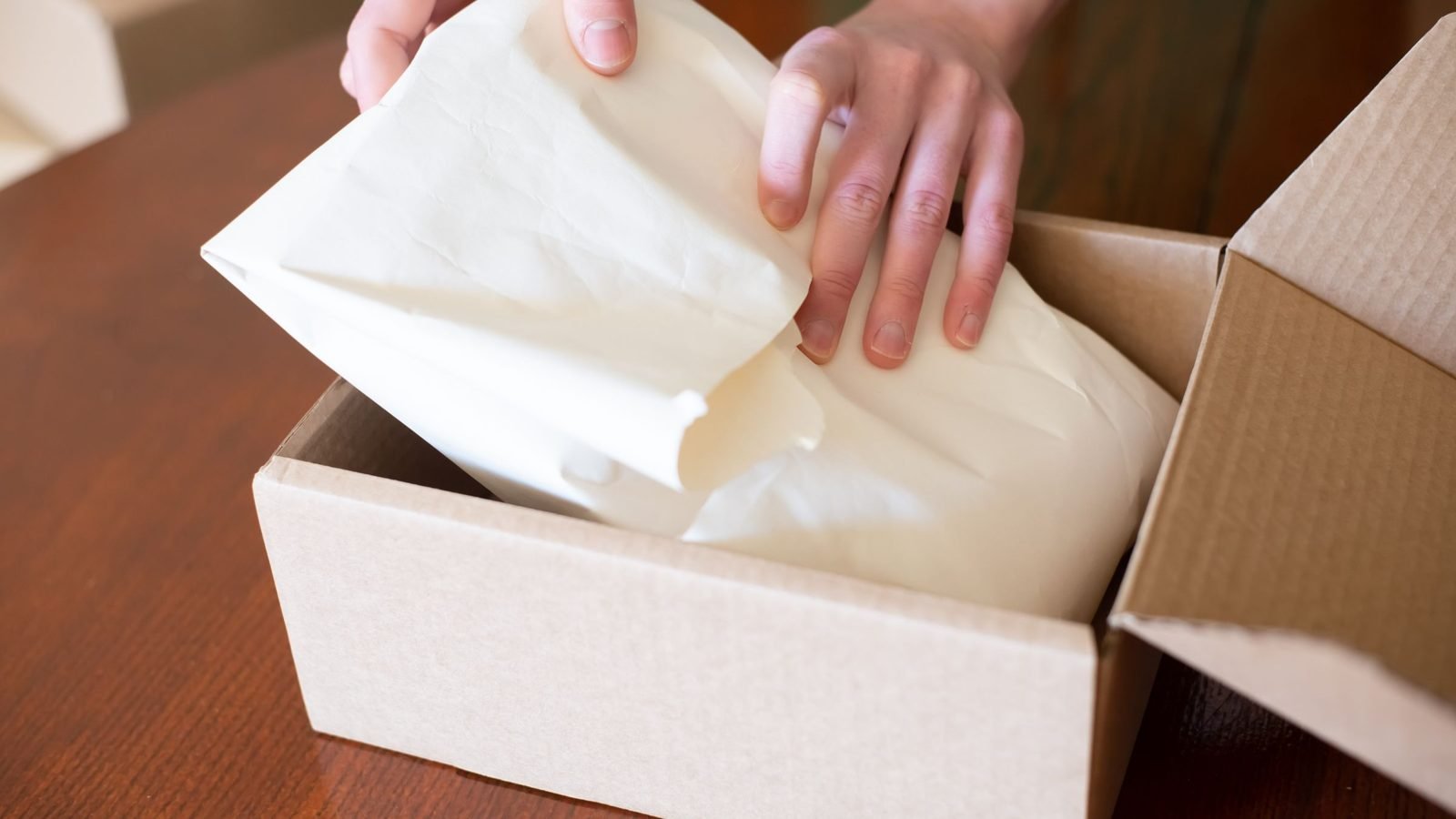
This is an editorial exercise, not an account of a client's campaign. A shop is choosing between a cable organiser, a decorative desk mat and a new lamp that requires setup. The photographs in this article are illustrative and do not document the properties of these example products. The intended audience is people who work at a small desk and regularly move their accessories.
The organiser provides a clear scene of packing items and taking out the one you need. The mat looks good, but the team cannot yet explain why this audience would need it. The lamp solves a different problem and requires an explanation of its setup. In this particular situation, the brand chooses the organiser, subject to confirming profitability and stock. That does not mean an organiser will always beat a lamp.
In its decision sheet, the brand records the audience, problem, model, benefit, demonstration scene, limitation and sales readiness status. For the organiser, the limitation is the size of the compartments: not every charger will fit. That information goes into the brief and onto the product page. Honestly narrowing the promise helps customers assess suitability rather than suggesting universal use.
Once you have chosen a model, connect its presentation with the brand's other content. This product advertising campaign example shows how a photograph, a creator's video and an advertisement can answer different questions leading to the same purchase decision.
Turn your product choice into a brief you can assess
Post a brief for the chosen model on Blogger Bank instead of asking generally for promotion of your shop. Describe the audience's situation, the demonstration needed, the exact variant, the product delivery deadline and how the video will be used. Applications and creator profiles can help you find someone able to demonstrate a similar action, not just photograph a package attractively.
Before filming, agree on the acceptance criteria: correct identification of the model, a visible action, information that matches the product and clear advertising disclosure. Do not make praise a required test result. If the creator notices a limitation, clarify it before publication. The brand is responsible for the accuracy of the information it supplies and for having an offer ready to sell.
Start by choosing a model and recording a rough scene. If you can explain its relevance to the customer and the product has passed the economics and availability checks, you have the basis for a brief. If not, improve the selection before commissioning content instead of hoping the creator will resolve an unclear offer.
Frequently asked questions
Which product should you choose for your first influencer campaign?
Choose a model that addresses a specific need, with a benefit you can demonstrate in use. Confirm profitability, availability and product page readiness. Your first candidate need not be new or the most expensive item in the catalogue.
Is a bestseller always the best product to promote?
A bestseller is a candidate, not an automatic winner. Check why customers buy it and whether you can show that reason to a new audience. Sales driven by brand familiarity do not prove the product is easy to introduce to strangers.
How can you check whether a product suits a creator's video?
Record a rough demonstration of the starting situation, use and visible result. Ask someone outside the team to explain who the product helps and how. Assess their understanding of the benefit, not the recording's appearance or a polite compliment.
Can you promote several products at once?
Yes, but for a first test, choose a main model and one audience need. Other items can support the demonstration. If each gets a separate promise and call to buy, it becomes harder to keep the message clear.
Can an influencer help sell slow-moving stock?
A demonstration may help when the product's use is unclear. It cannot fix poor workmanship, mismatched needs or missing variants. Before choosing slow-moving stock, establish why sales are weak rather than assuming greater reach will be enough.
How should you account for margin when choosing a campaign product?
Assess profitability using shop data, including goods, fulfilment, collaboration, filming samples and planned advertising costs. There is no universal margin threshold. An attractive demonstration should not compensate for unfavourable economics of the chosen model.
What availability checks are needed before sending a product to a creator?
Confirm stock of the exact variant and whether it can be replenished, allowing for sales through other channels. Customers clicking through should find the model shown in the video. Agree who reports availability changes to the campaign lead.
How should you describe the selected product in a Blogger Bank brief?
Specify the exact model, audience situation, benefit and action to demonstrate. Add the product delivery deadline and intended video use. Applications and profiles help you choose a creator, but the brand assesses profitability and whether the offer is ready to sell.