How to Become a UGC Creator and Land Safe Brand Deals

Short answer
A UGC creator makes material for brands, but the first jobs are the hardest: walking into local businesses usually ends with "leave your details". It works faster where brands post jobs themselves, with a brief and terms — then instead of searching, you answer a stated need. What counts is a filled-in profile with samples, not follower count.
The Problem Nobody Talks About When Starting as a UGC Creator
Marta spent three months walking into small hair and beauty salons. She introduced herself, explained she could film a video, shoot a Reel, show off their services — create UGC content for their social media. Every time, she heard the same things:
- "Leave your number, we'll be in touch."
- "Maybe we can do a barter."
- "We don't have a budget right now."
- "Record something first, then we'll see."
- "How many followers do you have?"
After a few weeks she realized the problem wasn't the rejections themselves — it was the complete absence of structure. No trust, no clear terms, no certainty that she'd ever get paid for the work she delivered. She had the skills. She had the ideas. But the process of finding work was exhausting in a way that had nothing to do with making content.
This is the experience of thousands of UGC creators starting out today. And it's a problem that can be solved — not by walking into more salons, but by using platforms like Blogger Bank that bring structure to the brand-creator relationship.
What Is a UGC Creator?
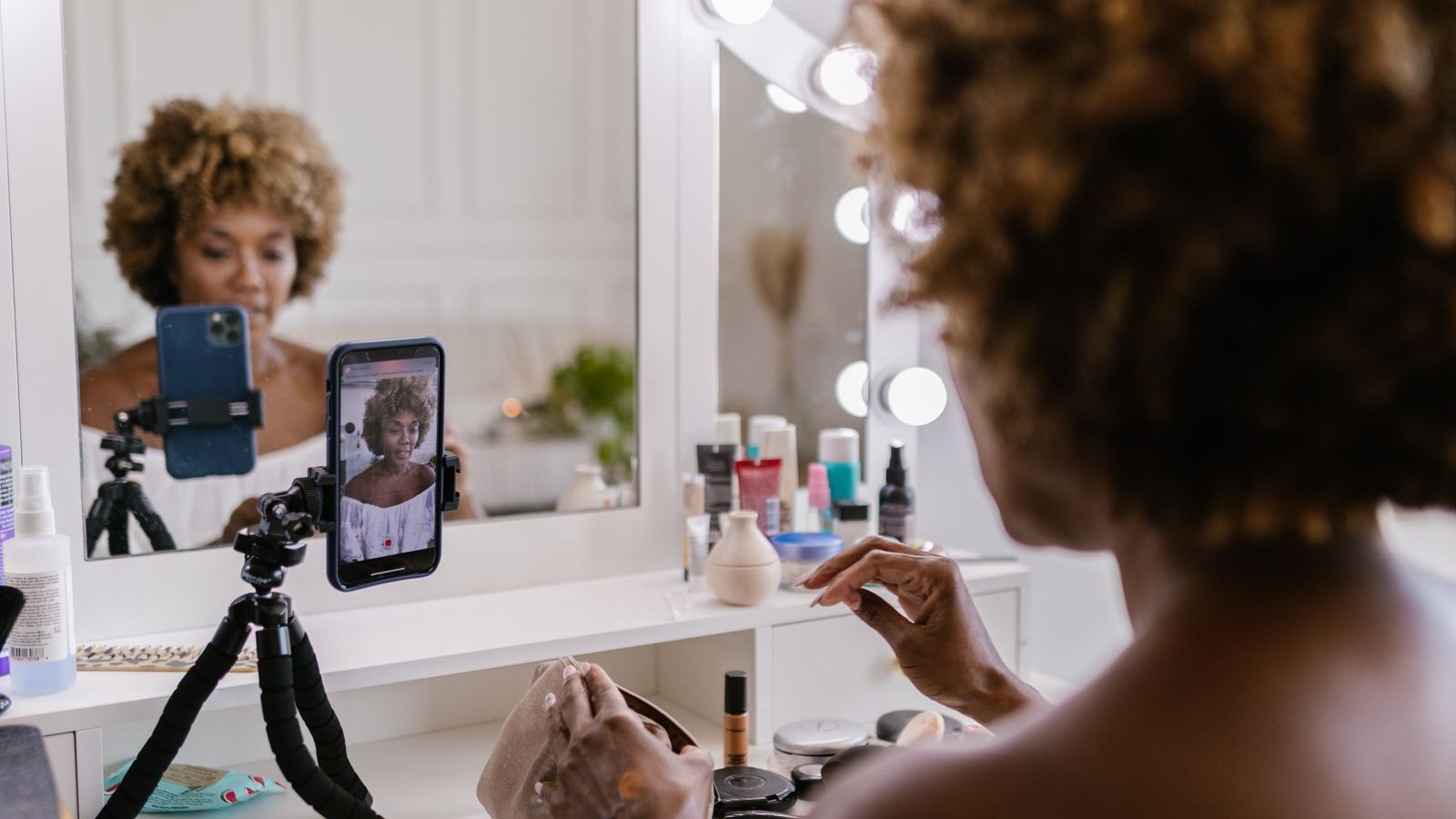
A UGC creator produces content for brands: short videos, photos, reviews, unboxings, product tests, service walkthroughs, or ad materials. UGC stands for user-generated content — content that looks natural, as if made by a genuine product user rather than a brand's marketing department.
You don't need hundreds of thousands of followers to be a UGC creator. For many brands, what matters far more is:
- natural on-camera presence;
- credibility;
- content quality;
- fit with the target audience;
- ability to show a product in everyday context;
- consistency and reliability.
Why Is It Hard to Get the First UGC Gigs?
The hardest part isn't editing. It's the lack of trust at the starting line.
Beginning creators typically hit three walls. First, brands don't know how to evaluate a creator — they look at follower count instead of content quality, audience fit, and engagement. Second, creators don't yet have an organized portfolio — they have great material on their phone but haven't presented it in a way that makes a brand's decision easy. Third, the collaboration process is unclear — no one knows who writes the brief, when approval happens, what exactly needs to be filmed, or when payment arrives.
This is why Marta felt like she was starting from zero every single time. Each salon needed to be convinced separately. Every conversation was different. Every promise was uncertain.
How Blogger Bank Helps UGC Creators Find Work
Blogger Bank brings order to the brand-creator collaboration. Instead of searching for brands manually, sending dozens of messages, and walking into local businesses, a creator can log into the platform, browse available campaigns, and apply to those that match their profile.
For the UGC creator, this means access to brand briefs, a clear description of what's needed, the ability to work from home, fewer inconclusive conversations, a safer process, better portfolio organization, and a simpler path to monetization.
For brands, it means less chaos — no more manually scrolling hundreds of profiles or managing negotiations in DMs.
Does a UGC Creator Need a Large Following?
Not always. In UGC, a brand is often buying the content asset, not just the reach. A creator with a small audience who can film a compelling Reel, show the product convincingly, and deliver content that matches the brief is still valuable.
This is different from classic influencer marketing, where brands pay primarily for access to the creator's audience. In UGC, the brand can use that material on their own channels, in ads, on product pages, or across social media. The ideal situation combines both: a creator with a credible profile, a growing community, and the ability to produce content a brand can use to drive sales.
Why Brands Love Micro-Influencers
Marta and her colleague Ola noticed something important: a micro-influencer often performs more credibly than a large advertising account. Their followers feel like they're listening to someone they know. A product recommendation from that kind of person — a salon, a cosmetic, a piece of clothing — can land more naturally than a sponsored post from an account that promotes dozens of brands every week.
A micro-influencer is attractive to brands when they have an aligned audience, genuine comments and reactions, a consistent content niche, clean and readable content, and no suspicious activity like fake likes or random bot comments.
How to Prepare Your Profile to Get UGC Work
Your profile is your portfolio. If a brand lands on your account and can't immediately understand who you are, who you create for, and what kinds of content you make — they won't shortlist you.
1. A clear bio
Your bio should answer: who you are, what content you make, which brand categories you work with, where you're based (if location matters), and how to invite you to collaborate. Include your Blogger Bank profile link.
Example: UGC creator beauty & lifestyle | Warsaw. I create natural Reels, unboxings and reviews for beauty, hair and wellness brands. Portfolio and collabs: Blogger Bank.
2. Highlights as a portfolio
Story highlights shouldn't be random. For a UGC creator, folders like Portfolio, Beauty, Hair, Unboxing, Reviews, Collabs, and Briefs work well.
3. Sample content
Even without a paid brief yet, you can create sample material: a cosmetic test, a salon visit, a product unboxing, a before/after, a problem–solution video.
4. A consistent niche
You don't have to talk about only one thing — but a brand needs to understand what you're associated with. Beauty, parenting, fashion, local spots, fitness, food, interiors — any niche works if it's clear.
How to Make Reels That Attract Brand Briefs
A Reel can be a brand's first contact with you. The simplest structure: a hook in the first seconds (a question, problem, or promise), context (why this product or service matters), the product shown naturally in use, the result or benefit, and a call to action (check it out, save, comment, visit the profile).
Example for a hair salon — Hook: \"I was scared my hair would be dry after the coloring. The result surprised me.\" Then show the consultation, the process, the after — and close with a CTA to save or check the salon.
How to Avoid Getting Burned as a UGC Creator
The biggest risk for a beginning creator is working on a handshake. A brand says \"film something, then we'll see\" — you film, edit, deliver, and then hear there's no budget after all or \"it was just a test.\"
Before you start any project, make sure you've agreed on: exactly what needs to be created, how many versions are included, whether the brand can use the footage in ads, the delivery or publication deadline, when approval happens, and when and how payment is made.
This is exactly why a platform like Blogger Bank matters — it structures the collaboration terms and reduces the chaos that happens when everything lives in private messages.
Creator Checklist: Before You Apply to Your First Brief
- Does your bio say who you are and what content you make?
- Do you have at least 3–5 UGC sample pieces?
- Do your story highlights function as a portfolio?
- Can you film a video with a strong opening hook?
- Do you know which brand categories you want to work with?
- Do you know your niche and target audience?
- Can you read a brief and ask clarifying questions before you start?
- Do you refuse to start work without agreed terms?
- Do you have a place where brands can find you?
Brand Checklist: Before Choosing a UGC Creator
- Does the creator match your target audience?
- Is their style natural for your category?
- Do they have examples of similar content?
- Does their profile look credible?
- Do they understand the campaign goal?
- Is your brief clear enough?
- Have content usage rights been agreed?
- Is it clear when approval and payment will happen?
From Walking Into Salons to Working From Home
Marta's story shows that the problem for a beginning UGC creator usually isn't a lack of talent — it's a lack of system. Without a system, a creator goes door to door explaining what UGC is, negotiates without clear rules, and risks delivering work for free. With a system, they build a portfolio, respond to briefs, work from home, and grow as a content creator.
Blogger Bank was built to connect both sides: brands that need credible creators, and creators who want to earn from their content without chaos, uncertainty, and constantly having to prove their worth. Create your free profile and start finding briefs today.
Apply to paid and barter tasks from brands. Sign-up is free — create your creator profile and start applying today.
Frequently asked questions
How do you become a UGC creator?
Yes. In UGC the brand often pays for the material itself, not only for reach. A creator with a small account can earn by making good videos and delivering content the brand can use in ads or on a product page.
How do you land your first UGC jobs?
Through an influencer marketing marketplace such as Blogger Bank, through a portfolio on Instagram or TikTok, and by applying to specific campaigns. The safest start is briefs that state the scope of work, the deadline and the payment terms clearly.
Can you earn as a UGC creator without a big Instagram account?
Yes. In UGC the brand often pays for the material itself, not only for reach. A creator with a small account can earn by making good videos, understanding what the brand needs and delivering content it can use in ads or on a product page.
What should a UGC creator's portfolio contain?
Examples of an unboxing, a review, a product test, a problem-solution video, a before-and-after piece, a short reel with a hook and a natural piece spoken to camera. Best to show several formats within one niche: beauty, fashion, parenting or lifestyle.
Why do brands choose micro-influencers?
Because their audiences tend to trust them more. A micro-influencer reads like someone you know recommending a product from their own experience. For the brand, though, the profile still has to be consistent, genuinely engaged and matched to the campaign's audience.
What belongs in a good brief for a UGC creator?
The campaign goal, a product description, the target audience, the format, the number of videos or photos, key messages, what must be avoided, the deadline, approval rules, usage rights for the material and the fee.
How do you make a reel that catches a brand's attention?
A reel needs a strong opening, a clear problem, a natural view of the product and a specific benefit. The first seconds decide. Rather than "today I'll show you a product", start with the pain or the result the product delivers.
How do you avoid a brand not paying you?
Do not start work without clear terms. You should know the scope, the deadline, the fee, how the material gets approved and when payment happens. Working through a platform that structures the collaboration lowers the risk of working unpaid.