Personal Brand, Company Channel, or Influencers — Where Should You Invest?
Short answer
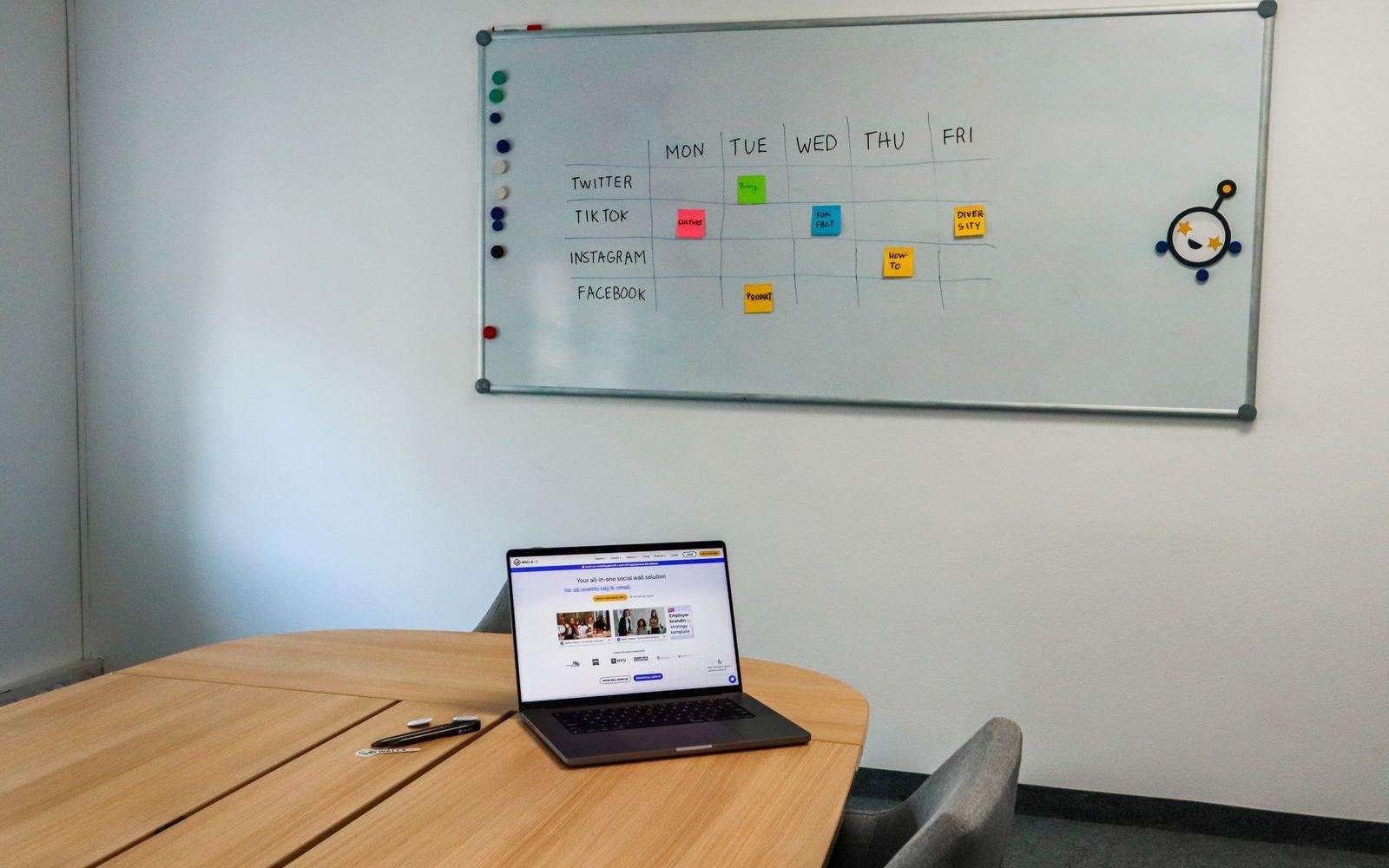
Your own channel is an asset that rarely brings quick sales: it takes months to build and depends on whether the owner actually wants to be on camera. Creators give you access to an audience you do not have yet, immediately. What works best is own channels as the base and influencers as the accelerator, measured like any other channel.
Sooner or later, almost every entrepreneur faces the same question: should I build a personal brand, grow a company channel, or invest in creators who already have the audience I need?
The pressure is real. It feels like you need to be everywhere at once — Instagram, TikTok, LinkedIn, YouTube, Facebook, newsletters, podcasts. Add to that the growing trend of \"founder brand,\" and the decision gets even more complicated.
The problem is that not every social media activity is a real sales channel. Sometimes your own profile is a useful business card. Sometimes it's a long-term asset. And sometimes it becomes an expensive project that consumes time, energy, and budget without delivering proportional business results.
That's why it helps to separate three distinct goals:
- Building brand credibility
- Creating your own long-term communication channel
- Reaching customers who are ready to buy right now
These are not always the same activities — and they rarely require the same investment.

Your Own Channel Is an Asset — But Rarely a Fast Sales Tool
A founder's personal brand and a company channel can both be genuinely valuable. They build trust, demonstrate expertise, explain your product, and create a relationship with your audience. A well-run channel can eventually become a real source of leads and referrals.
The key word here is eventually.
Building your own media requires consistency — not for three weeks, not for a quarter, often not even for a year. Think of it like building a house: everyone sees the finished result (the terrace, the open kitchen, the morning coffee with a forest view), but few people count the foundation: hundreds of posts, years of showing up, video editing, analytics, and the weeks when nobody responds.
If you genuinely want to build a recognizable channel, ask yourself the hard question: am I ready to do this for 10 years? Maybe 20? If the honest answer is no — or not yet — it's smarter to start smaller: a solid website, a few strong pieces of content, some case studies, and tests with creators who already have the audience.
The strongest channels don't exist because someone did content for a while. They exist because someone published consistently, tested formats, understood their audience, and had the natural energy for communication over the long haul.
Personality Matters More Than You Think
One practical element often missing from personal brand discussions is the founder's personality.
Not every entrepreneur wants to be the face of their communications. Not everyone enjoys speaking on camera, sharing personal moments, or building a public narrative around themselves. That's not a flaw — it's an operational fact.
People who naturally win on social media often share traits with professional creators: energy, expressiveness, consistency, psychological resilience, and a willingness to put themselves in the public eye. An entrepreneur who's already managing a team, finances, sales, and operations doesn't automatically need to compete with people whose full-time job is making content.
So the better question isn't: \"Should I have a personal brand because others do?\" It's: \"Is this a format I can genuinely sustain, and does it make sense for my business?\"
Influencer Marketing: Access to an Audience You Don't Have Yet
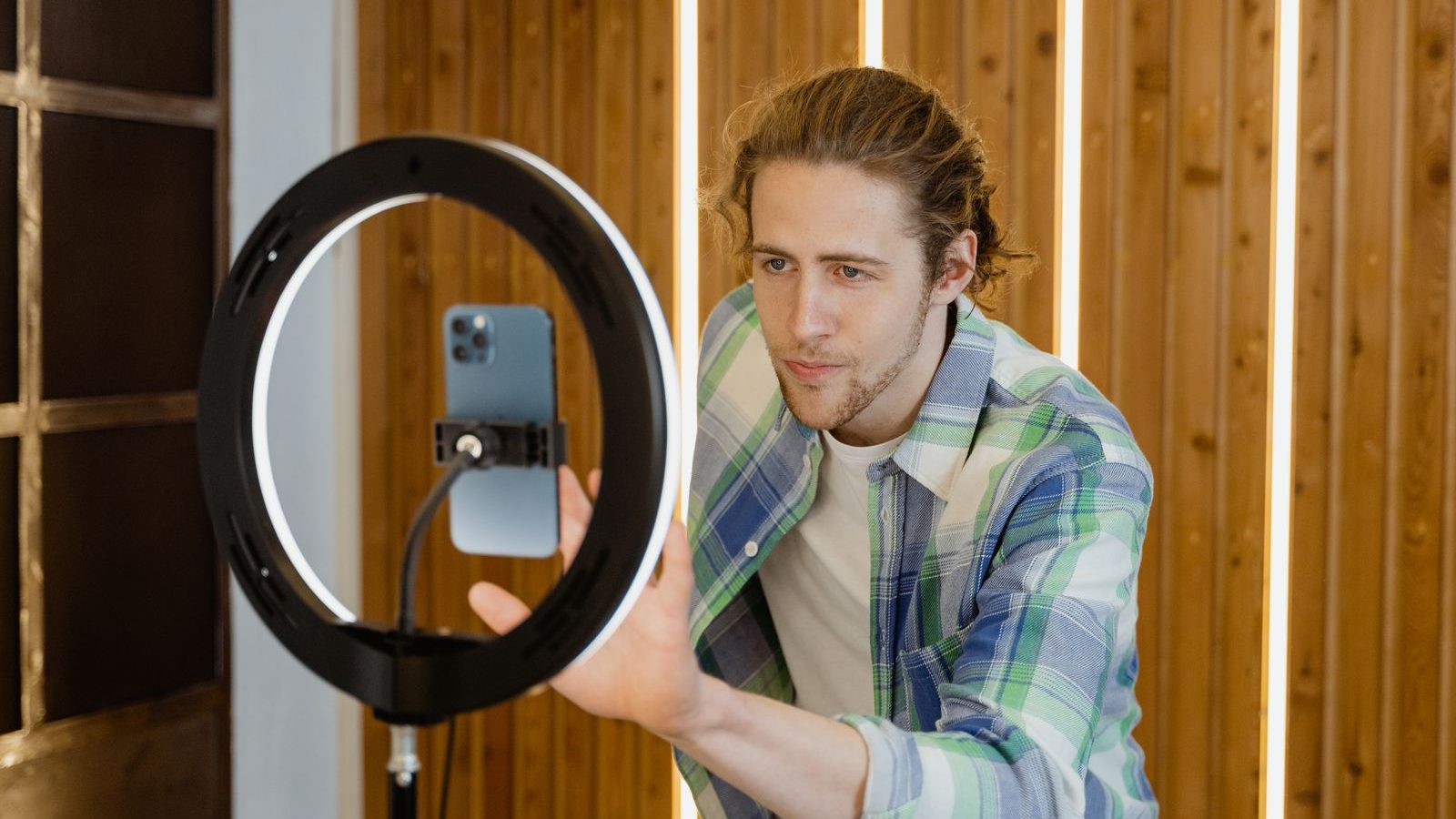
The alternative to years of building your own reach is working with creators who already have the attention of your potential customers.
This is one of influencer marketing's biggest advantages. A brand doesn't need its own large audience from day one. It can enter an existing community through someone that audience already trusts.
Yes, it's not \"your\" channel. It's more like renting attention than building on your own land. When the campaign ends, the creator doesn't become part of your company. But what you get in return is something very valuable: speed.
Instead of spending years building reach from zero, a brand can:
- Test a product with a specific target group
- Validate a marketing message quickly
- Reach a niche community
- Drive traffic to a landing page
- Generate first orders or inquiries
- Build recognition in a specific market segment
For many businesses, this is a far more realistic path than trying to turn the owner into an influencer.
How to Measure Influencer Marketing Like a Real Channel
If you're treating influencer partnerships as a business channel, you need to measure them. \"This creator is popular\" or \"we like their style\" isn't enough.
A solid starting point is CPM — cost per thousand impressions. In practice, compare:
- Average views per post or reel
- Publication cost
- Cost per thousand real impressions
- Audience engagement rate
- Thematic fit
- Comment quality
- History of previous brand collaborations
- Ability to track results via discount codes, UTM links, or forms
Then benchmark against your other channels: Google Ads, Meta Ads, email newsletters, or trade publications. Remember: the lowest CPM isn't always the best choice. A smaller creator with a tightly engaged niche community often outperforms a large profile with a random audience.
The Best Strategy: Own Channels as Base, Creators as Accelerator
The most practical answer isn't \"personal brand or influencers.\" It's: build your own channels as a foundation, and use creator partnerships to accelerate reach and sales.
Your own channels anchor trust — they show who you are, what you sell, what you stand for, and why a customer should believe you. They're where you send traffic from campaigns.
Creators help you reach people you can't reach on your own yet. They deliver attention, context, and a recommendation from someone the audience trusts.
Combining both is healthier than either extreme: a company channel growing too slowly on its own, or influencer campaigns with no home base to capture and retain the relationship.
A Practical Checklist Before You Decide
Before investing time and money, answer these questions honestly:
- Am I ready to run a personal brand for years, not weeks?
- Do I naturally enjoy public communication?
- Should my company channel generate leads, or confirm trust after a first touchpoint?
- Where does my target audience already spend time?
- Which creators already have access to that audience?
- What's the cost of reaching 1,000 people through a creator vs. paid ads?
- Can I measure campaign results through links, codes, or forms?
- Am I choosing a channel based on data — or ego?
If the answers are unclear, start small. Test a few creators, compare results, and only then decide where to scale the budget.
How Blogger Bank Fits Into This Approach
Blogger Bank was built to help brands collaborate with bloggers and influencers without chaos, guesswork, or unclear arrangements. For an entrepreneur, that means a cleaner process: define your campaign goal, find creators matched to your audience, prepare a brief, compare offers, and run the partnership in an organized way.
You don't have to choose between a personal brand and influencer marketing. Build your own channels as a long-term asset — and use creator collaborations as a faster route to the customers you haven't reached yet.
Want to see which creators can help your brand reach the right audience? Explore Blogger Bank and plan a campaign with bloggers matched to your goal.
Frequently asked questions
What brings sales faster: your own channel or working with creators?
Creators, because they give access to an audience that already exists. Your own channel is a long-term asset: it builds trust and can generate leads after years, but it rarely produces quick sales in the first months.
How long does building your own channel take?
Years, not weeks. A recognisable channel comes from hundreds of posts, consistency, testing formats and stretches when nobody responds. If you are not ready for that horizon, start with something smaller instead.
Should every business owner build a personal brand?
No. Not everyone wants to be the face of communication, speak to camera and comment on the market daily. That is not a flaw but an operational fact: the better question is whether you can sustain the format.
How does your own channel differ from working with influencers?
Your own channel is building on your own land: slower, but it stays yours. Working with creators is closer to renting attention: you build no asset, but you enter a community that already trusts someone.
How do you measure influencer marketing as a real channel?
Start with CPM, the cost per thousand views. Compare the creator's average reach against their price, add engagement, comment quality and topical fit, and track traffic with discount codes, UTMs and tracking links.
When is it better to start with creators than with your own channel?
When you need speed: testing a product with a specific group, checking a message, reaching a niche, or collecting first orders and landing page traffic. For many firms that is more realistic than turning the owner into an influencer.
Do you have to choose between a personal brand and influencers?
No. The healthiest setup is your own channels as the base that cements trust, and creators as an accelerator for reach and sales. Either extreme on its own works worse than the combination.
Where do you start with a small budget?
With small tests. Find where your audience already spends time, pick a few creators with access to it, compare the cost of reaching a thousand people against ads, and only then increase the budget.