How can a dog hotel earn customers' trust before their first booking?
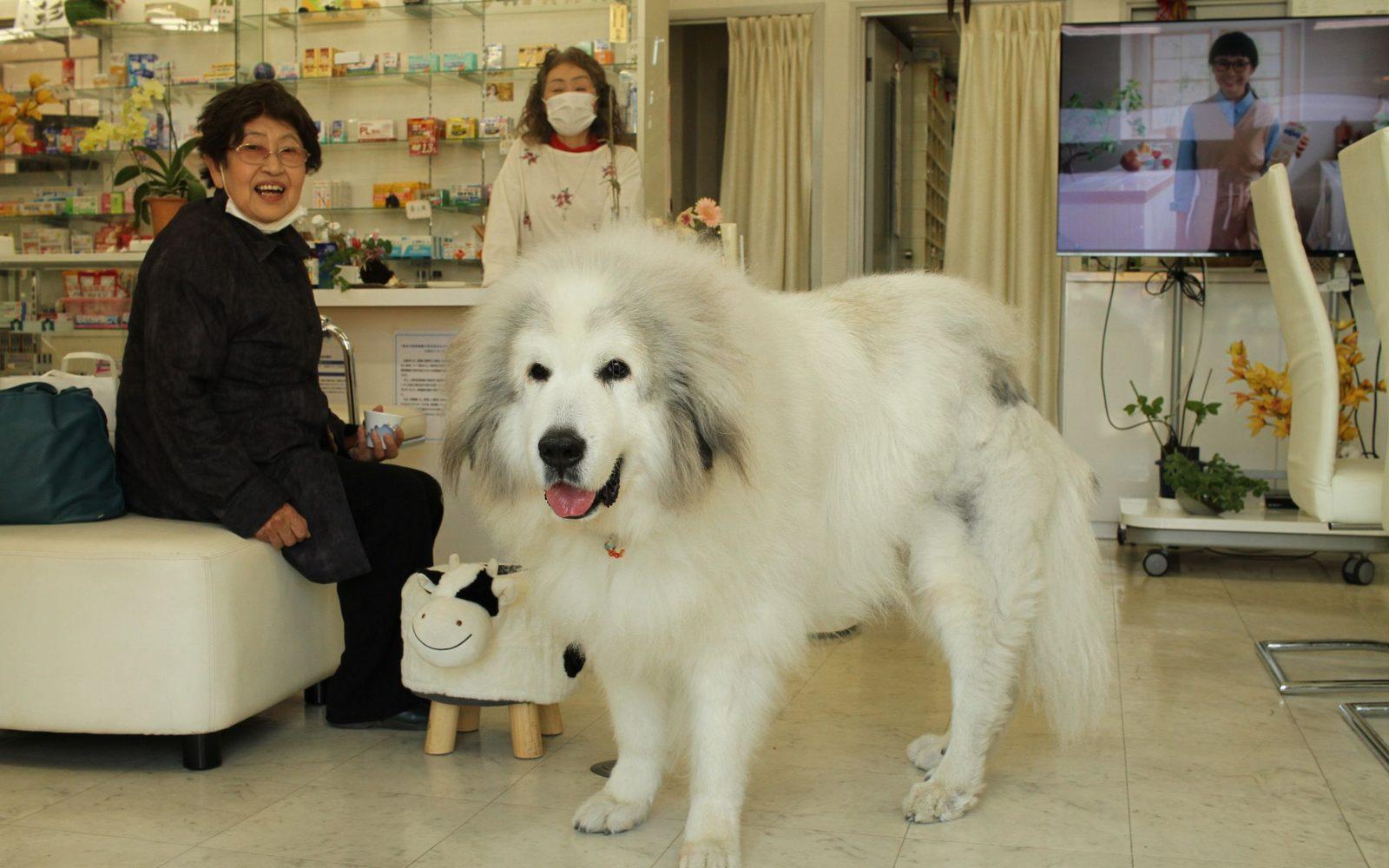
Short answer
Promote a dog hotel by clearly showing the place, the people and the check-in process. A local creator can ask prospective customers' questions and show how to get in touch. Blogger Bank connects brands with creators: it helps commission this content, collect applications and accept the result. It does not handle dog stays or hotel bookings.
How do you promote a dog hotel when owners ask about availability but hesitate to make their first booking? Show them the place and the people they would be trusting with their pet. A local creator can take viewers from the entrance to a conversation with the person who welcomes dogs: ask a prospective customer's questions, show the rooms and explain what owners need to find out before a stay. This gives people a basis for getting in touch, not a guarantee that the hotel will suit every dog.
Do not commission a generic endorsement of “the best dog hotel in the area”. Commission a visit that leaves viewers knowing their next step: read the terms or arrange to see the place. On Blogger Bank, you can describe that content and collect applications from creators. Create a brand account to prepare a dog hotel presentation brief. Your team still handles stays and bookings outside the platform.
A pretty picture does not answer questions about care
A photo of a dog on the grass captures a moment. It does not say who will welcome the pet, where the owner will share information or how they will contact the hotel. A discount may encourage someone to check the price, but it does not explain these things. An ad leading to a gallery with no information about check-in leaves customers with the same problem: they still have to trust an unfamiliar place.
Build the creator's visit around questions, not scenery. A creator whose local audience knows them through everyday life with a dog can ask a staff member for specific explanations. But that does not replace an inspection of the premises or an assessment of the service. If there are genuine organisational shortcomings, address them first. A video should not hide them behind music and assurances that “everything is under control”.
Furrimo's Polish guide to promoting a dog hotel also identifies photos of the rooms and an initial visit as ways to build trust. This is advice from a commercial source, not research into campaign effectiveness. Show the actual conditions at your own premises rather than repeating someone else's promises of results.

A tour with a clear beginning and end
The first approach is a relaxed walkthrough following a prospective customer's route. The creator shows the entrance, the place for a conversation and a selected room where dogs stay. A staff member explains what each space is used for. Do not build the whole video out of close-ups: viewers should understand how the places shown connect. Make the footage clear, but do not leave out limitations that matter when choosing the service.
If you show a sample room, call it a sample room. Do not suggest that every dog will stay there. If part of the premises is unavailable during filming, a staff member can explain why and where customers can get information. Showing an empty space is more honest than inserting attractive footage from another facility. The illustrative photos in this article do not depict a specific dog hotel or a Blogger Bank project.
A conversation with a person, not an advertising voice-over
The second approach focuses on the person customers will speak to before arrival. The creator asks: who confirms the terms, what information needs to be shared in advance and how does contact work during the stay? The staff member answers based on how the hotel actually operates. If someone appears only in their role as the business owner, do not present them as the person who constantly looks after every dog.
Separate what the creator saw from what they were told. “The staff member explained how to get in touch” does not mean “I checked the care provided around the clock”. A short visit cannot support that claim. The brief should allow factual questions and answers without rehearsed enthusiasm. Do not present a paid showcase as an independent audit or a spontaneous customer review.
Show check-in without real customer data
The third approach covers arrival arrangements. A staff member can walk through a sample conversation with the creator without actually taking a dog into their care. Show where owners report their arrival, who confirms the arrangements and where they can find the list of information the hotel needs. If it is a demonstration, say so in the video. Do not stage a stay that never happened.
To show a document, use a blank template or entirely fictional details. Phone numbers, signatures, customer names and booking screens should stay out of the frame. Agree in advance on the participation of people appearing in the video, and do not film customers who happen to be there. You do not need an animal reacting to a director's cue: the conversation and the room are enough to explain the process. Do not change care arrangements or the facility's routine for an attractive shot.
Marketing content should direct questions about a dog's individual needs to the hotel, and health matters to an appropriate specialist. Do not ask a creator to judge whether a particular animal will “definitely cope well with the stay”. Neither follower counts nor editing can determine that. An article about promotion does not need advice on treating animals or helping them adjust.

Questions before booking as a separate piece of content
The fourth approach is a short conversation built around questions the team actually receives before a first stay. Collect them without customer data. Choose those for which the hotel has a current, clear answer: visiting the premises, sharing information, finding the terms, getting in touch and confirming dates. Instead of claiming “we always answer”, provide a channel that actually works and explain how responses are handled.
This content can end with an invitation to talk rather than an immediate booking. Someone who wants to see the place first is not a failed lead. Make sure the link leads to current information, not just the homepage. If hours, the contact person or a procedure changes, check the descriptions of earlier posts too.
A Blogger Bank brief: from a question to a finished video
Prepare a brief with the hotel's location, the scope of the visit, how the footage will be used and acceptance criteria. On Blogger Bank, creators can apply for the work you describe; you choose a creator based on examples of their content and a conversation. For this assignment, the ability to conduct a natural conversation without turning every answer into a superlative matters more than flashy editing.
Example assignment, not an account of an actual campaign: a dog hotel commissions a walkthrough video and a shorter segment about getting in touch before arrival. The creator talks to a designated staff member and shows the entrance and a sample space where dogs stay. They do not film customers, documents or restricted areas. The ending directs viewers to a page with the terms and a way to arrange a visit. A draft goes to the person responsible for checking facts about the service.
Before choosing a creator, agree whether you are commissioning files for your own channels, a post on the creator's account or both. Include the deadline, travel arrangements, revision terms and agreed usage rights. Do not assume that receiving a video includes every future advertising use. For the general structure, see our guide to writing a creator brief; here, the priorities are customer questions and the limits of the visit.
Create an advertiser account and collect applications for this video. You can manage arrangements, files and acceptance of the work on Blogger Bank. The platform organises collaboration with a creator, but it does not verify the hotel's veterinary care, receive dogs or confirm availability.
Check the answers, not just the editing
Watch the finished file without sound, then with sound. Check that the footage, captions and statements describe the same place and scope of service. Viewers should be able to distinguish a check-in demonstration from an actual stay, and the creator's opinion from information supplied by staff. Advertising content must be clearly labelled, and a staff member should confirm the facts before publication.
- Is it clear who answers questions before arrival?
- Is the room shown described according to its actual use?
- Is the content free of promises that the hotel suits every dog?
- Does the final link work and lead to the right contact?
- Have customer data and unapproved shots of people been removed?
After publication, separate views from conversations, arranged visits and confirmed bookings. The hotel keeps track of those booking figures, not the creator or Blogger Bank. Our guide to measuring creator campaigns explains how to tag traffic sources and interpret results. Without data on the customer journey, do not attribute every new stay to a single video.
Start by posting a brief for a visit on Blogger Bank, then choose a creator who can ask specific questions and plan a route through the premises with a staff member. The first piece of content should help prospective customers take an informed next step, not replace their conversation with the hotel.
Frequently asked questions
How do you promote a dog hotel before a customer's first booking?
Show the actual rooms, the people responsible for contact and the check-in process. A creator's visit should answer prospective customers' questions and lead to a conversation with the hotel, not promise a perfect stay for every animal.
Does the creator need to leave their own dog at the hotel?
No. A presentation can include a staff conversation and a tour without a dog staying there. The creator should explain what they actually saw. Do not present a short visit as a check of round-the-clock care.
Does a small dog hotel need an influencer with a large audience?
The choice depends on the content's purpose. For a creator's post, reaching local prospects matters; for files on your own channels, presenting the service matters. Check the creator's previous interviews and how they explain limitations.
What should you give the creator before filming at the hotel?
Provide the route, customer questions, current check-in information and a staff contact. Agree on restricted areas, who will appear, the required files and an ending directing viewers to the terms of a stay or a visit appointment.
How can you show check-in without revealing customer data?
Film a clearly labelled demonstration with a staff member and the creator. Use a blank form or entirely fictional details. Check booking screens, documents and backgrounds; do not film real customer conversations without appropriate arrangements in advance.
Can paid content look like an independent review?
Do not present a commissioned showcase as an independent audit or a spontaneous customer review. Agree on clear advertising disclosure. Creators can describe their own observations but should distinguish them from information provided by hotel staff.
How can you check whether a video helps attract customers to the hotel?
Separate views from website visits, enquiries, arranged visits and bookings. The hotel should record the contact source where available. Without customer journey data, do not treat every new stay as the result of a particular creator's video.
How does Blogger Bank help promote a dog hotel?
Blogger Bank lets you describe an assignment, receive creator applications and manage arrangements and content acceptance. The hotel selects the creator and confirms service information. The platform does not provide animal care or manage bookings for stays.