How to Make Money on Instagram in 2026: 10 Routes for Creators
Short answer
There are several ways to earn on Instagram: paid brand collaborations, barter, UGC filmed to order, affiliate commissions, your own digital products, selling services, editing reels for businesses and running other people's profiles. Some need an active community, others need only craft. Start with one route and build a portfolio around it rather than trying all of them at once.
Making money on Instagram rarely starts with a message from a big brand. It starts with deciding what you actually sell: access to your community, the content itself, or a skill the company does not have in-house.
Below are ten routes creators in Poland genuinely earn through in 2026. Some need an active community; others need nothing more than the ability to shoot and edit a good video. Starting with one and building a portfolio around it works better than trying all of them at once.
1. Paid brand collaborations
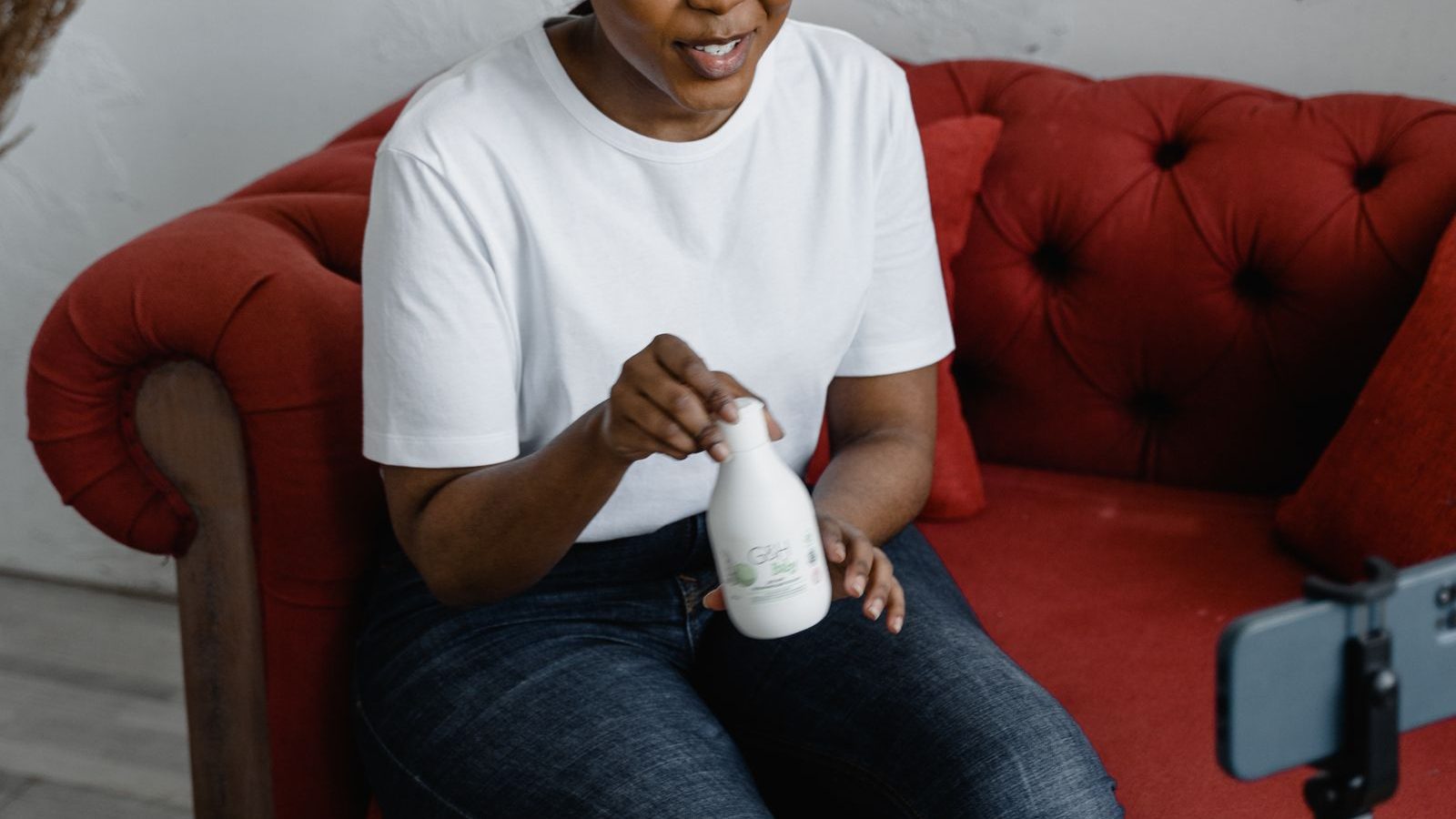
A brand pays you to produce and publish material on your profile: a reel, a feed post, a story series, a product test. Companies increasingly look for micro-influencers rather than celebrities — a smaller account is easier to match to a narrow audience, and the conversation under the post actually happens.
Your rate depends on reach, niche and licence scope, not on follower count. We collected the ranges for a post, a reel and a story series in a separate answer on how much to charge for a post and a reel. Usage rights for paid ads and exclusivity are priced separately — they are not free add-ons.
First step: put together a media kit — who you are, who you speak to, the reach of your last ten posts, three content samples.
2. Barter, but counted
In a barter deal you receive a product instead of money. It has a market value and counts as income, so it is taxed like a transfer — we explain the maths in the answer on tax on barter collaborations.
Barter makes sense when the brand fits your niche and the material leaves you with a strong portfolio piece. Turn it down when the company expects a full campaign for a parcel, or when the product is worth clearly less than your rate. The counter-offer is simple: the product plus the difference in cash.
3. UGC: content you never publish yourself
UGC is material you shoot for a brand that the brand publishes itself — in ads, on a product page, on its own profile. Your account does not need to be large, because the company is buying a file, not access to your followers.
What counts is craft: light, sound, pacing, and showing the product so it looks used rather than staged. We wrote up how to build a first portfolio in how to become a UGC creator.
First step: take three products you already own and shoot three different formats with them: a test, an unboxing and a problem–solution piece.
4. Affiliate marketing
Affiliate collaboration runs on commission: you recommend a product, someone buys through your link, you get a percentage. It works where your audience already asks you about specific things — in beauty, fashion, interiors or gear.
The link itself does not sell. The context does: why you use it and what problem it solves. That is why affiliate income is rarely anyone's first revenue stream — it works as an addition to content you were making anyway.
5. Your own digital products
The knowledge people message you about can become a product: an e-book, a mini-course, a planner, templates, a checklist. You make it once and sell it many times — but you have to keep selling it, so it is not income without work.
What sells best solves one specific problem. Not “an Instagram course”, but “how to build your first UGC portfolio”. First step: check which question keeps coming back in your messages.
6. Selling your own services
For photographers, dietitians, trainers, cosmetologists and interior designers, Instagram is a client acquisition channel rather than a place for brand deals. The profile then works as a portfolio: before and after, work in progress, client feedback.
Whether to build a personal brand or a company channel is something we broke down in personal brand, company channel, or influencers.
7. Editing reels for businesses
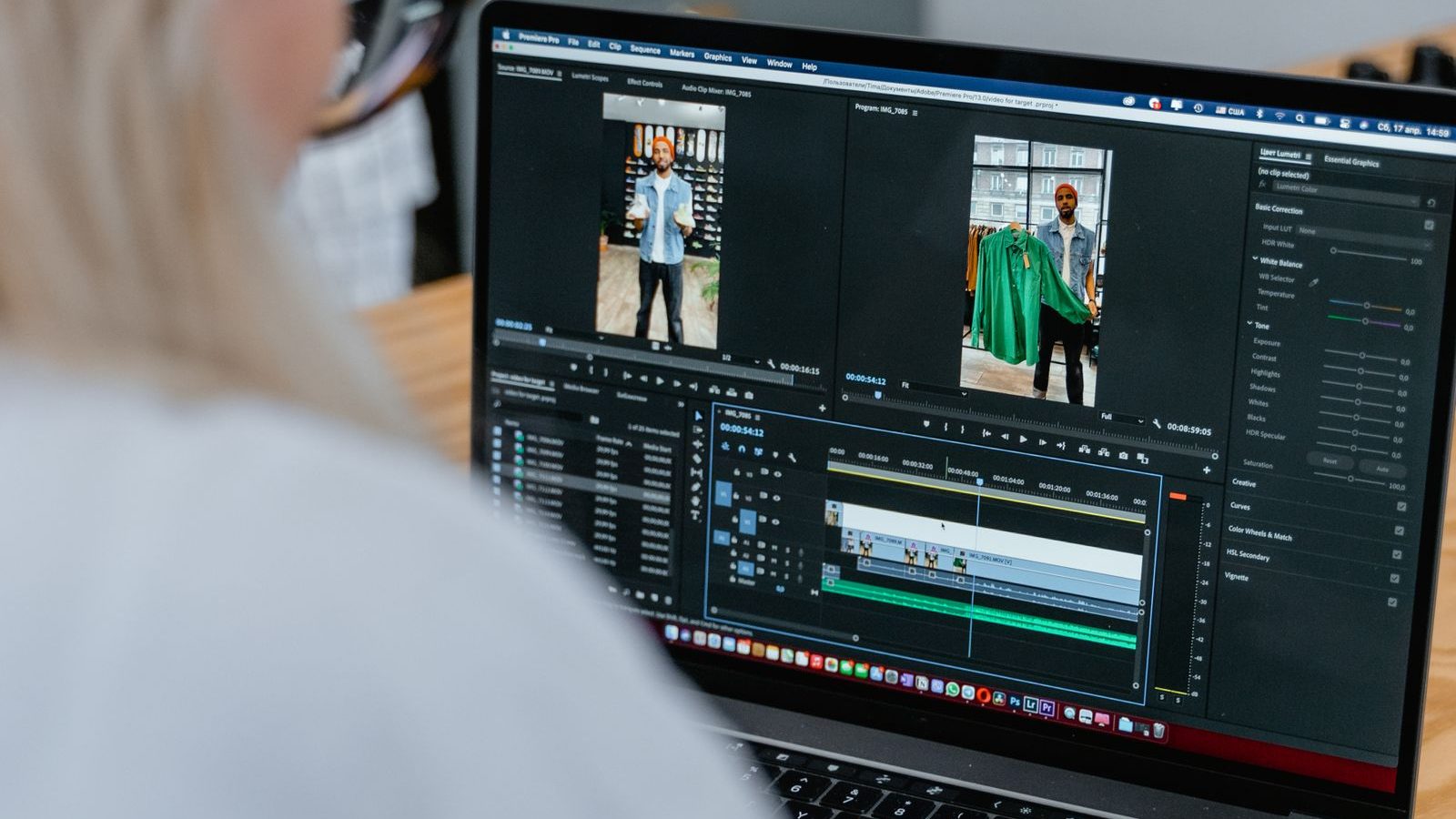
Companies need video more often than they can produce it. That opens a market for people who understand editing and short form — without ever showing their face. The service usually covers cutting raw footage, captions, music and export for Instagram Reels and TikTok.
Monthly packages give the steadiest work, because a few recurring clients make income predictable. It helps to understand what actually drives the results of what you edit — we covered that in how to increase your reels reach.
8. Running brand profiles as a social media manager
A step beyond editing: strategy, publishing plan, content, analytics and audience contact. The company hands you its communication because it has no time for it. For a creator this is the most salaried of these routes — a standing monthly contract instead of one-off jobs.
First step: pick three brands you can genuinely help and prepare a short analysis: what works, what is missing, which three pieces you would shoot in week one.
9. Ambassadorships and long-term deals
A single campaign is fine to start with, but an ambassadorship buys predictability: the brand pays for a relationship and recurring presence, not for one post. It suits the brand too — a more consistent message and results that are easier to measure over time.
First step: after a successful collaboration, do not let the contact end at publication. Send a summary of the results and propose a concrete package for the coming weeks.
10. Local campaigns
Restaurants, salons, boutiques and cafés do not need a creator with nationwide reach. They need someone followed by people from the same area — which makes this the easiest entry point for a small account. If you live in Warsaw, Kraków or Wrocław, your advantage is that your audience can simply walk in.
First step: list twenty local brands that fit your profile and pitch one specific reel to each, instead of a general offer to collaborate.
What you need before you talk about money
- A clear niche. A profile without direction is hard to match to a campaign, even with good reach.
- An active community. Brands look at the reach of recent posts, comments and saves, not at follower count alone.
- A portfolio and media kit. One file you send, instead of describing yourself in a message.
- Agreed terms. Number of posts, deadlines, revision rounds, ad rights and payment timing — written down before you start, not after delivery. We show how to organise that in the answer on settling collaboration income.
- Ad disclosure. Paid or bartered material is advertising and has to be labelled — the formats are collected under ad disclosure.
The mistakes that cost the most
- Waiting for the brand to write first. Applying to campaigns is part of the job, not a sign of a weaker position.
- No minimum rate. Without your own floor it is easy to agree to a large scope for small money.
- No post-campaign report. A summary of results is the cheapest route to a second job from the same brand.
- “We will sort it out later”. That always ends in unlimited revisions.
How Blogger Bank helps
Blogger Bank connects brands with creators: a company publishes a job with a brief and terms, creators apply with proposals, and the conversation stays in one place instead of scattering across DMs and spreadsheets.
As of 21 August 2026 the base holds over 10,000 creators and UGC makers and over 3,000 brands. A job collects 37 applications on average, and 99% of published jobs get responses from creators — the median time to the first application is under an hour.
The commission is 5% on the brand side and 5% on the creator side. A completed profile works as a media kit: it shows your formats, samples and statistics in the shape brands look for.
Create a creator profile on Blogger Bank, fill in your portfolio and browse current brand jobs.
Frequently asked questions
How many followers do you need to make money on Instagram?
There is no entry threshold. For paid collaborations brands look at the reach and engagement of recent posts, and in UGC they buy the material itself, so account size does not matter there.
How do you start making money on Instagram from zero?
Pick one route and build a portfolio for it. UGC and collaborations with local businesses are the fastest starting points, because both are judged on the quality of the material rather than follower count.
Can you make money on Instagram without showing your face?
Yes. Editing reels for businesses, running other people's profiles, product photography and part of UGC work require no on-camera appearance. What you sell then is a skill, not your own image.
How much should you charge for an Instagram collaboration?
The starting point is the median reach of your last ten posts, not your follower count. We collected the ranges for a post, a reel and a story series in a separate answer on pricing Instagram collaborations.
Does barter count as income?
Yes. A product received for a publication has a market value and constitutes income that has to be reported for tax. That is why barter is priced like a cash fee and written into the terms with the brand.
How does UGC differ from an influencer collaboration?
In an influencer collaboration the brand buys a publication on your profile and access to your audience. In UGC it buys the file itself and uses it in its own channels, most often in paid advertising.
Do you have to label advertising collaborations?
Yes. Material produced for a fee or in exchange for a product is advertising and needs clear labelling inside the content itself, not only in the caption. This applies to barter deals as well.
What belongs in a media kit?
A short description of your profile and audience, reach and engagement statistics from recent posts, three samples of finished work, the collaboration formats you offer and contact details. A few pages in PDF is enough.