Hotel marketing with creators: how to promote a hotel, guesthouse or apartments through influencers
Short answer
Hotel marketing with creators means inviting travel, family or food creators to show your property to people planning a trip. Choose a format: a stay with stories, a room-and-area reel or UGC for ads. Decide between barter for a stay and paid work, invite them off-season, give a specific brief and measure bookings with a code and UTM link. Find creators yourself or via Blogger Bank.
Hotel marketing with creators means inviting people who make content about travel, family trips or active holidays to show your property to their audience: the room, the breakfast, the surroundings and what it feels like to rest at your place. A well-planned collaboration gives you two things at once — reach among people who are looking for somewhere to stay right now, and content you can later use in your own channels and ads.
The shortest route looks like this: decide whom you want to attract and when, choose a format (a stay with stories, a reel about the room and the area, or UGC videos ordered for ads), decide between a barter for accommodation and a paid collaboration, write a specific brief, and from day one measure direct bookings with a code and a UTM-tagged link. You can look for creators manually on social media or post a task on Blogger Bank, where creators apply themselves. Below is every step in turn — the same for a hotel, a guesthouse or holiday apartments.
Whom to invite: match the creator to the guest you want
Start by asking who should be sleeping at your place. A mountain guesthouse visited by families with children needs different creators than a city-centre apartment aimed at couples on a weekend break or a hotel with a conference room. The creator's audience should resemble your ideal guest — then even modest reach turns into enquiries.
- Travel creators — the natural choice for most properties. Their followers save places "for later" and plan trips. Browse them in the travel influencers category.
- Family creators — if you have family rooms, a playground, a pool or kids' activities. Parents trust other parents more than brochures, so content showing how a child spends a day at the property can be persuasive. See parenting and family creators.
- Food creators — when breakfasts, regional dinners or your own kitchen are a strong point. Look among food creators.
- Pet creators — if you welcome guests with dogs. Pet-friendly places are still hard to find, and dog owners gladly share tried-and-tested addresses. Try the pet creators category.
- Interior creators — when your apartments or rooms have thoughtful design. Their audience notices details that photos on booking portals usually lose. Check the home and interiors category.
Follower count matters less than where the audience lives and how it reacts. A creator with a smaller but engaged following from your region, or from the cities your guests usually come from, will often bring more bookings than a nationwide lifestyle profile. Ask for audience location statistics and read the comments under their previous accommodation content — do people ask about price, dates, address?
Formats that work in hotel promotion
A stay with stories
The classic format: the creator comes for one or two nights and shows the stay live in stories — arrival, room, breakfast, a walk around the area, the evening. Stories give a sense of "I was there with them", and viewers can ask about details straight away. The downside is a short lifespan: stories disappear after a day, so ask for them to be saved in highlights on the creator's profile and agree that you will receive the files for your own use.
A reel about the room and the area
A short vertical video that shows in a few seconds why it's worth staying with you: the view from the window, the bed, the bathroom, breakfast and one thing nearby that people travel there for. A reel lives longer than a story, gets shared and saved, and the algorithm may show it to people beyond the creator's followers. Specific angles work well: "a guesthouse five minutes from the trail", "an apartment with a bathtub by the window", "a hotel where your dog sleeps in the room with you".
UGC videos for ads and your website
Not all content has to appear on the creator's profile. You can order UGC content — authentic, guest-style videos that you publish yourself: in social media ads, on your booking page, in your business profile on maps. Such videos usually look more credible than a professional shoot because they resemble what guests post after a stay. With this format the key is to agree in the contract where and for how long you can use the material.
A post with a local guide
For properties in tourist towns, a "what to do nearby" piece is a good addition: trails, cafés, attractions for children, with your property as the base. Such a post is saved long before a trip and comes back to people when they plan their holiday.
Barter for accommodation or a paid collaboration
In hospitality, barter is very common: the creator gets a stay and in return publishes agreed content. For the property it's convenient, because you don't spend cash — the cost is a free room and meals, especially on dates when the room would be empty anyway.
Barter works when:
- you invite smaller creators for whom a stay in an interesting place is an attractive form of payment,
- you want to test several creators and see who brings enquiries,
- you have free dates outside the season.
A paid collaboration makes sense when you need certainty about scope and deadlines, order ad content with broad usage rights, or work with a creator for whom a night's stay doesn't cover the time spent filming and editing. Often a combination works best: a stay plus a fee for a specific content package. How to propose an exchange and settle it fairly is covered in our article on how to propose and settle a barter collaboration.
Whatever the form of payment, the content must be labelled as advertising or a collaboration — even when the creator "only" got a free stay.
When to invite creators: outside the season
The best time for a collaboration is usually not peak season. When the property is full, the creator takes a room you could have sold, and the content reaches people who already have bookings elsewhere. Planning ahead works much better:
- Film in the shoulder season, publish before the peak. A spring stay at a mountain guesthouse can produce content that appears just as people plan their summer holidays.
- Promote the months when you have free rooms. Autumn weekends, quieter winter-break dates, gaps between long weekends — the creator can show that this is exactly when your place is calmest.
- Show the property in different seasons. The same guesthouse in winter and in summer is two different offers. A series of collaborations across the seasons gives you content for the whole year.
- Allow time for editing and approval. Between the stay and publication you usually need at least a few days, and more for ad content.
The creator brief: what it must include
A good brief saves misunderstandings on arrival and revisions after the stay. For an accommodation business it should include:
- Dates and scope of the stay — number of nights, room type, meals, whether the creator can come with a partner, child or dog.
- Goal — e.g. filling free dates in autumn, promoting new apartments, showing the family offer.
- Key things to show — two or three differentiators: the view, the wellness area, breakfast with local produce, proximity to a trail or beach.
- What not to show — areas under renovation, other guests without their consent, back-of-house spaces.
- Formats and number of pieces — how many stories, whether a reel, whether raw files for ads.
- Publication date and time for approving content before it goes live.
- Discount code and link to a direct booking.
- Collaboration label and the scope of the property's rights to use the content.
Leave the creator freedom in how they tell the story — they know what will stop their audience scrolling. The brief should define what has to be shown, not dictate every shot. A ready template and examples are in our article on how to write a brief for a creator.
The creator's stay: how to prepare
A few simple things on the property's side make the content better:
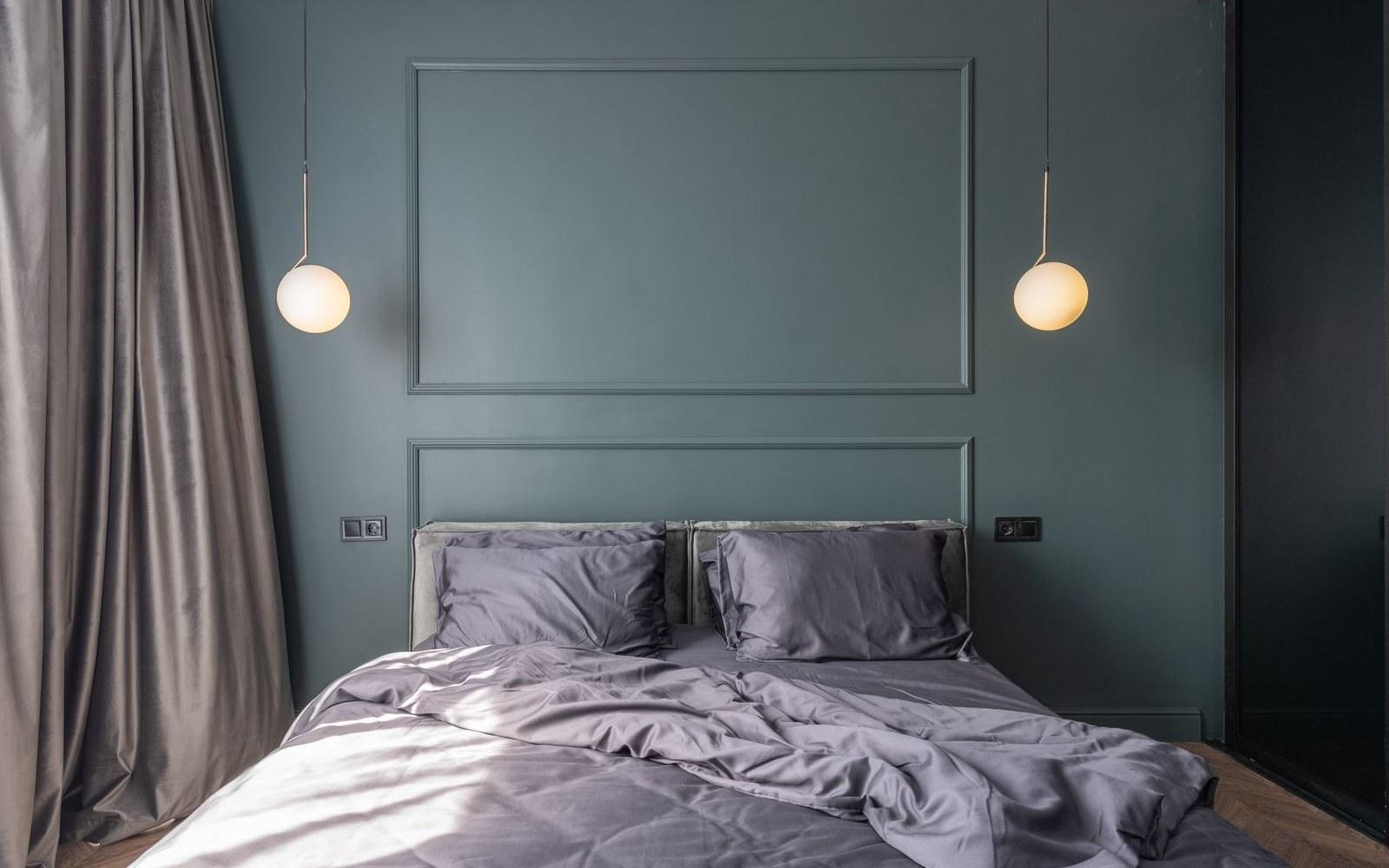
- Give a room that looks best on camera and has good daylight.
- Tell reception and staff who is coming and why, so nobody is surprised by a camera.
- Set breakfast or dinner times so they can be filmed in daylight.
- Prepare a list of nearby attractions and possibly contacts for places happy to appear in the content.
- Don't hover over the creator — appoint one contact person and give them space.
Remember that the creator will show what they see. If something doesn't work — the lift, the Wi-Fi, the heating — it's better to fix it before arrival or move the date than to hope nobody notices.
How to measure results: direct bookings, a code and a UTM link
Reach and likes show that someone saw the content, but for a hotel what counts is whether someone booked. So measure from the first day of publication:
- A separate discount code for each creator — entered when booking directly on your website or given by phone. The simplest way to attribute bookings to a specific person. The mechanics of codes and links are explained in detail in the article on an affiliate programme with creators.
- A UTM-tagged link — in the caption, a story or the creator's bio. In your analytics tool you'll see how many people came to the site from their content and how many of them booked.
- A question at booking — "how did you hear about us?" in the form or on the phone. Some guests won't use the code but will say they saw the video.
- Enquiries in messages — count questions about dates and prices in the days after publication.
- Direct bookings versus portals — if the share of bookings through your own website grows after the campaign, you save on intermediaries' commissions.
Look at results over a longer window. A viewer may see a reel in March and book a stay in May, so a single publication rarely gives the full picture after a few days. With a small number of bookings, compare several creators and several dates before drawing conclusions.
The most common mistakes in hotel marketing with creators
- Inviting creators in peak season. You lose a sellable room and reach people who already have plans.
- Choosing a creator by follower count. An audience outside your target group won't book, even if they like the content.
- No code and no link. Without them you don't know which collaboration worked.
- No agreement on content rights. A great video you can't use in an ad is a missed opportunity.
- A brief written like a TV ad script. The content looks staged and viewers can tell.
- A one-off action. One stay is rarely enough; a series of collaborations across the seasons builds recognition of the property.
How Blogger Bank solves the problem of finding creators who will come and show your property
The most time-consuming part of promoting a hotel with creators is finding the right people and agreeing the details of the stay. On Blogger Bank it works like this:
- Instead of messaging dozens of travel profiles asking about a collaboration — you post a task describing your property, the dates of the stay and the content you expect, and creators apply themselves.
- Instead of agreeing the terms of the stay across several messengers — you describe everything you expect once in the task, including barter for accommodation or a fee, and the contract with the chosen creator opens automatically.
- Instead of collecting stories, reels and files from different places after the trip — conversation with the creator, content approval and payment are all in one place.
You can also browse the influencer catalogue by niche and city and invite specific people. Create a brand account and post a task for the first creator stay at your property.
Frequently asked questions
What is hotel marketing with creators?
You invite creators who make content about travel, family or active holidays to show your property to their audience. You get reach among people planning a trip and content that, once rights are agreed, you can use on your website and in ads.
Which creators should you invite to promote a hotel or guesthouse?
Choose creators whose audience resembles your guests: travel creators for most properties, family creators for child-friendly offers, food creators for a strong kitchen, pet creators for dog-friendly places. Audience location matters more than follower count.
Which formats work for promoting an accommodation business?
The most effective are a stay shown live in stories, a short reel about the room and the area, UGC videos for ads and the booking page, and a local guide post presenting the property as a base for exploring.
Barter for accommodation or a paid collaboration with a creator?
Barter for a stay works well with smaller creators, for tests and for free off-season dates. A paid collaboration gives certainty about scope and deadlines and broader content rights. Often a stay combined with a fee for a defined package works best.
When is the best time to invite creators to a hotel?
Outside peak season, when rooms are free. Film in the shoulder season and publish before people plan their holidays, promote months with free dates, and leave a few days for editing and approving the content.
What should a brief for a creator visiting a hotel include?
The brief should state the dates and scope of the stay, the goal, two or three differentiators to show, what not to show, formats and number of pieces, publication date with approval time, code and booking link, collaboration label and content rights.
How do you measure the results of hotel collaborations with creators?
Give each creator a separate discount code and a UTM-tagged link to direct booking, ask guests how they heard about you, count enquiries after publication and track the share of bookings through your own website over a longer period.
Does content made for a free stay need an advertising label?
Yes. A stay received in exchange for publication is a benefit, so the content must be labelled as advertising or a collaboration, just as with paid work. Agree how it will be labelled in the brief before the creator arrives.