Farm stay advertising: show the stay without idealising it
Short answer
Farm stay advertising should show an ordinary day and the conditions available during the stay. Prepare an expectations map for the creator: what is always available, seasonal, weather-dependent or off limits. Distinguish the presence of animals from opportunities to interact with them. With Blogger Bank, you can commission an account or files for your own channels, agreeing the scope and usage.
Farm stay advertising should help guests recognise a place where they genuinely want to spend their holiday. An orchard view alone does not tell them whether they can pick fruit, and a photo of a goat does not mean animal activities are available. Invite a creator to show an ordinary stay and explain these differences in their own words. Viewers will then see not just beautiful scenery, but also the conditions they are choosing.
You can commission this kind of account through Blogger Bank, a platform connecting brands with creators. Create a brand account and describe the stay you want to show: who the property suits, what is available on the chosen dates and what you do not promise. Creators apply for the brief, while you handle the conversation, contract and content approval in one place. Confirming conditions at the property remains your responsibility; the platform does not check them on the host’s behalf.
Describe your guests and the true character of the place
Instead of starting with “perfect for everyone”, describe how guests spend their day. Do they prepare their own meals? Are the hosts available on site, or must arrival be arranged in advance? Is the property part of a working farm, or a holiday home in the countryside? This information helps the creator describe a specific experience without inventing services that are not available.
Choose a creator who knows how to show practical travel details. Look at their previous content to see whether they distinguish personal impressions from information supplied by the host. “We ate on the terrace during our stay” describes an experience. “You’ll have every breakfast on the terrace here” already sounds like a promise covering every booking. That distinction matters for farm stays, especially when the weather or meal arrangements change the plan.
Also check what the creator’s audience asks about. Questions about a shared kitchen, stairs or arriving without a car reveal which details the account should explain. For more on matching a creator’s specialism to your property, read the guide to travel blogging and accommodation collaborations. But do not choose someone simply because they have filmed in the countryside before: their way of travelling should suit your offer.
Show an ordinary day, not just exceptional shots
Ask the creator to show the transition from arrival to everyday activities: carrying in luggage, using the kitchen, going for a walk and returning to the room. You do not need to stage every moment. You need to answer how people use the place. A beautiful table under an apple tree can stay in the video, but if it was set up only for the shoot, it should not masquerade as a regular part of the stay.
Do not turn the farm into a hotel for filming. If guests clean up after themselves in a shared kitchenette, show the kitchenette and explain the rules. If breakfast must be ordered in advance, do not edit the footage to suggest it awaits everyone without prior arrangements. Instead of a vague “every comfort”, list the amenities in a particular room. Content featuring an en-suite room should not lead to an offer for a room with a shared bathroom without explaining the difference.
A creator who only visits for a tour can accurately show the route, the spaces and a conversation with the host. They should not describe sleep quality or the morning routine as personal experiences. When reviewing the content, check the verbs: “I saw”, “I used”, “the host says there will be”. These help viewers understand where each piece of information comes from. Do not commission a pretend guest review.
Explain access conditions and seasonal limitations
A video about getting there should end where guests actually park their car or get out. Show an important turn, the final stretch of road and the walk from the car park to the entrance. If the road surface or building access needs discussing beforehand, state that in the listing. Do not replace information about stairs with “cosy cottage”, or infer that the property is accessible to everyone from a wide shot alone.
Separate the description of the day filmed from information relevant to the booking dates. A summer video can illustrate the garden’s appearance, but it does not confirm the availability of autumn activities. Before reusing content, check the caption, on-screen text and landing page. If you are promoting a winter stay, summer footage should be clearly labelled as archive material, and the current offer must explain what guests can use in winter.
An expectations map to discuss with the creator
Prepare a simple document listing each amenity, the conditions for using it and a sentence for publication. The map below is a training example for a fictional country house, not a client description or a Blogger Bank feature. The categories help prevent possibilities from becoming guarantees. For each one, note who will confirm the information is current before publication.
- Available daily: a shared kitchen with the facilities described in the listing. Instead of “full board”, say “guests prepare meals in a shared kitchen”.
- Seasonal: walks through the orchard during a specified period. Do not promise fruit picking: in this example, taking part in the harvest is not a guest service.
- Weather-dependent: relaxing at a table in the garden. The video shows the possibility of using the space; it does not guarantee outdoor meals.
- Off limits: entering working farm areas and taking part in agricultural tasks. Showing these places in the background is not an invitation to enter.
A single activity may have several conditions at once: it may be seasonal, weather-dependent and require agreement with the host. Do not force it into one category. List all significant restrictions alongside the description. If you cannot confirm an activity today, do not make it the main reason to book. It is better to base the video on what is genuinely available during the dates being advertised.
Distinguish the presence of animals from a promise of interaction
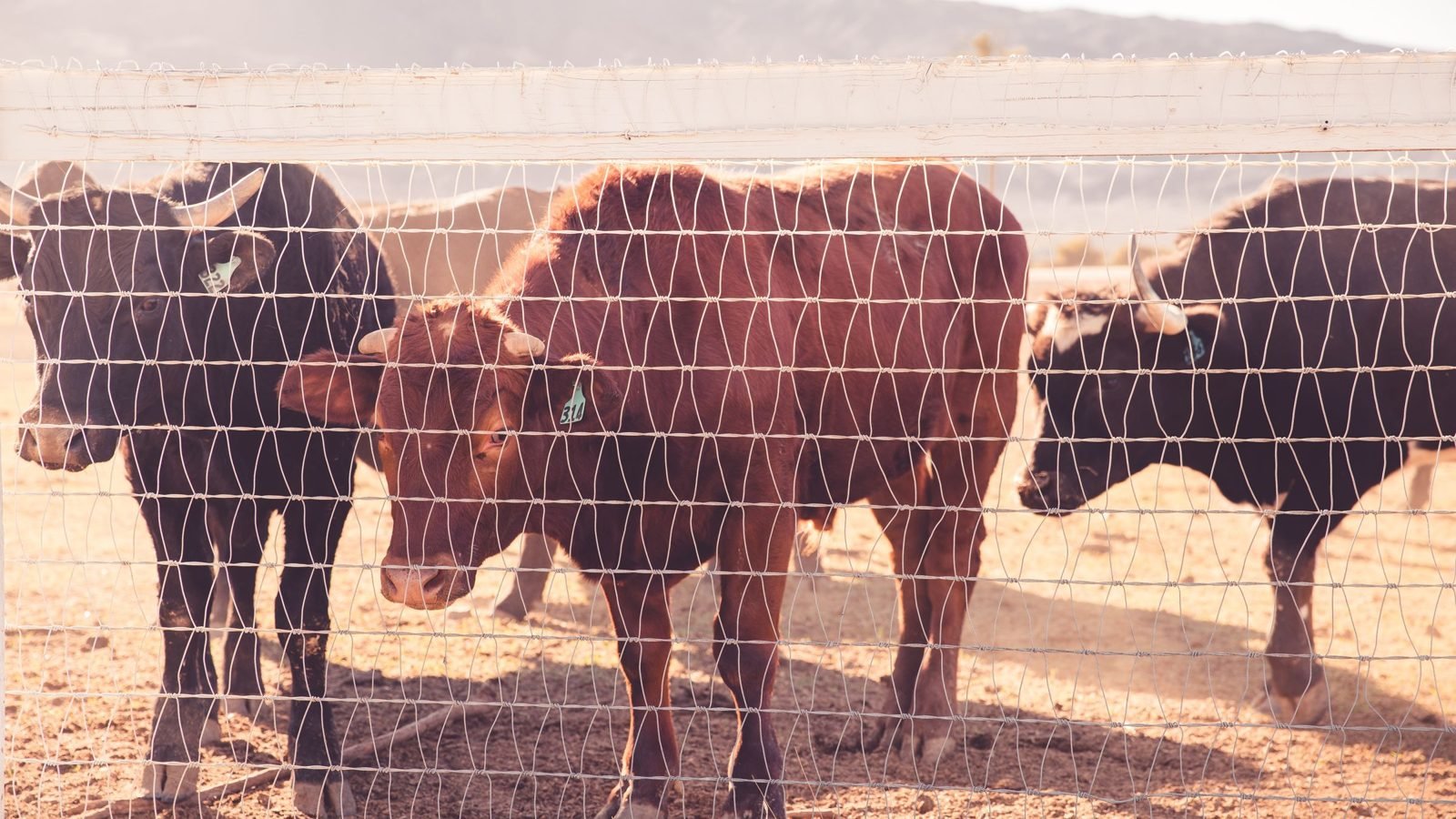
An animal visible behind a fence is part of the setting, but not automatically a petting attraction. Before filming, the owner should establish which areas are accessible, who can accompany guests and what must not be shown as an invitation. Do not ask the creator to arrange an encounter just to get an impressive shot. The content can show animals from an authorised spot without suggesting that guests can enter their enclosure.
If a special encounter supervised by the host takes place during the creator’s visit, explain its nature. Do not caption that footage “daily activities for children” unless it is part of the regular offer. Put the rules alongside the shot, not just in terms and conditions elsewhere. Editing alone can create a promise: a sequence of a child, an animal and a booking button needs checking just as carefully as the voiceover.
Whether guests can bring their own dog is a separate question. The presence of farm animals does not answer it. The creator should use up-to-date information from the property rather than adding “pet-friendly” based on a view of the yard. Explain the rules for guests’ pets before booking, in a way that lets people ask about their particular circumstances.
Connect the account with questions guests ask before booking
The link from the video should lead to an offer matching the conditions shown. Check that guests can find the room type, meal arrangements, arrival rules and current range of activities there. If they need to message the host, suggest what to ask about: dates, access needs and chosen activities. Do not promise instant booking confirmation if you work through enquiries.
After publication, record recurring misunderstandings without guests’ personal data. Separate questions about available dates from questions about services you do not offer. If viewers regularly ask about feeding animals after watching the video, even though you do not run such activities, review the shots and captions. More enquiries do not necessarily mean a better fit. What matters is whether the conversations concern a stay you can actually provide.
You can also use the content to update your Business Profile if you have agreed the appropriate rights. Google describes posts with text, a photo or a video and a button linking to a website. Treat these as a place for current information, not a promise of better rankings. A consistent description of the season on your website, in the video and on your profile matters more than repeating the same slogan.
For a broader collaboration plan and ways to measure bookings, see the guide to marketing accommodation with creators. For a farm stay, add one more assessment criterion: does the content help guests make an informed choice about a rural pace of life, rather than expect service and activities you never promised?
How to organise a creator collaboration through Blogger Bank
Post a creator brief on Blogger Bank and attach your own expectations map. Specify the visit dates, what the stay actually includes, accessible areas and the content you want to receive. Creator applications will help you choose someone suited to the kind of holiday you are showing. The platform conversation helps clarify the brief; it does not replace the host’s checks at the property.
Decide separately on publication on the creator’s profile and delivery of files for your own channels. The first draws on the creator’s relationship with their audience. The second gives you content for your offer, provided you agree how it can be used. Receiving a video does not itself grant permission for every advertisement, unrestricted editing or indefinite use. Before filming, record the channels, usage period, permitted changes and how seasonal information will be updated.
When reviewing the work, check not only image quality but also whether the scenes match the offer. Does the video present a special refreshment as a daily service? Does an animal encounter look guaranteed? Is a restriction still clear after the video is cut into a shorter version? Make revision requests specific: change the caption, add information beside the shot or remove a scene that cannot be explained honestly.
Also agree on clear advertising disclosure and identification of the promoted property. UOKiK’s recommendations on influencer marketing help make the commercial nature of the content recognisable; a natural storytelling style is no reason to hide it. Take the same approach when a stay is provided in exchange for publication.
Start by commissioning an account of one real stay. Before inviting the creator, complete your expectations map and choose conditions you can confirm. The finished video should help guests say “this is the place for me”, not just “it looks lovely”.
Frequently asked questions
How can you advertise a farm stay without idealising it?
Show an ordinary day, actual amenities and rules for using the property. Ask the creator to distinguish the regular offer from special scenes prepared for filming. Explain restrictions alongside the relevant shot, not only after booking.
Does the creator need to stay overnight?
Not every piece of content requires an overnight stay. A short visit can show the spaces and access route, but should not pretend to cover a full stay. Describing sleep or mornings requires firsthand experience of those conditions.
How should you describe seasonal activities?
State when activities are available, under what conditions and how to confirm them before arrival. Do not present summer footage as evidence of a winter offer. If an activity also depends on weather or agreement with the host, say so explicitly.
Does having animals on site mean guests can interact with them?
No. Animals can be part of the farm without being accessible to guests. The host confirms rules and accessible areas. Do not present a special encounter during filming as an attraction guaranteed to everyone, particularly in advertising aimed at families.
What should you show about getting there?
Show an important turn, the final stretch of the route, where guests park and the walk to the entrance. Information about surfaces, stairs or arranging arrival must reflect actual conditions, not the impression created by a wide shot.
How can you avoid implying hotel standards?
Describe the specific room, amenities, meal arrangements and host availability. If guests use a shared kitchen or order breakfast ahead, show those rules. Do not imply that service or extras arranged solely for the creator’s visit are normally available.
How can you assess whether enquiries match the property?
Record recurring questions and gaps between expectations and the offer, without guests’ personal data. Separate interest in dates from requests for unavailable services. An increase in messages alone is not enough to judge the quality of the account.
What can you commission through Blogger Bank?
Commission an account of specific stay conditions or files for your own channels. Describe dates, accessible spaces, restrictions and approval arrangements. Separately agree on publication on the creator’s profile and the channels and period for using the delivered content.