Bike store advertising: from video to an in-store sizing appointment
Short answer
Bike store advertising should lead from the customer's riding plans to a conversation and an in-store sizing check. A creator shows the questions, available options and visit arrangements, but does not choose a size for viewers. On Blogger Bank, you can commission this content and receive creator applications. The store remains responsible for model information, consultations and availability.
Bike store advertising should give people a reason to book an in-store sizing appointment, not just show a row of striking frames. Someone planning to cycle to work may not know what to ask a salesperson. A creator can guide them through that conversation: describe the route, look at the options and check with a staff member what needs to be assessed in person. The video reduces uncertainty before a visit; it does not choose a bike for the viewer or guarantee a purchase.
For this kind of content, you need a creator who can ask everyday questions without pretending to be an expert on every model. Create a brand account on Blogger Bank and describe a consultation video to be filmed in your store. Set out the customer's situation, the meeting location and what the demonstration will cover. Creators will apply for the assignment, and you can choose someone who suits the conversation and, if you also commission publication, the local audience.
Start with the customer's route and riding plans
Instead of claiming to offer “a bike for everyone”, choose a specific need. Commuting to the office with a bag, leisurely rides outside town and sports training raise different questions. Your ad does not have to resolve them all. Show that the store starts with the buyer's plans and only then moves on to products. This gives viewers something to discuss, even if they do not know the names of bike categories.
An illustrative training example, not a Blogger Bank campaign: a creator wants to start cycling to work. In the scenario, she describes the road surfaces, where she will store the bike and what she usually carries. She does not claim to have tested the available models. She asks a staff member to explain which of these details matter when choosing. Viewers learn how a consultation works instead of watching a staged buying verdict.
Before filming, ask your sales staff what is most often missing from a customer's first message. It might be a description of the planned riding or whether the buyer wants to see the bike in the showroom. Choose a gap that the video can genuinely help fill. Do not present conversations with your team as market research or quote customers' private messages without appropriate agreement.
Promoting a broad range of sports equipment calls for a different scope of content. We explore that topic in our guide to sports store advertising. Here, the aim is a well-prepared visit to choose a bike: viewers should be able to explain how they intend to ride and know what they can only check in person. Even a convincing creator cannot make up for a lack of suitable models or knowledgeable service.
Show the differences that matter before a visit
Do not ask viewers to memorise the entire specification. Choose features they can ask about during a consultation: how to carry belongings, the equipment on the bike shown or whether they can see different versions. Staff should refer to the documentation for the specific model. Do not claim that accessories are compatible simply because they look as though they fit.
In the illustrative commuting scene, the creator brings a bag and explains that she does not want to carry it on her back. The salesperson shows options from the store's range worth discussing and points out what needs checking before a choice is made. The ad does not become an installation guide or a promise that every rack fits every frame. The camera shows what the conversation is about; it does not replace documentation.
Identify the model and version shown, especially when similar bikes have different equipment. Distinguish what comes with the bike on display from extras that need separate confirmation. “This is the equipment on the bike we are looking at” is more useful than a general claim about the whole collection. After watching, a customer should be able to tell a staff member which bike they are asking about.
Do not create a ranking from products selected exclusively from your own display. Describe the demonstration as an overview of options to discuss and explain your selection criterion. The most expensive model does not have to lead the ad if it does not address the chosen need. Showing an available bike with a clear use is better than promising the ideal choice on the strength of an attractive shot.
Commission a consultation scene, not a universal size chart
The size in a video is not a recommendation for everyone of a similar height. Trek's sizing and fit resource, checked on 21 November 2026, provides separate paths for different bike categories. Do not apply one chart to your entire range. Information about the specific model and a conversation with a staff member are a better starting point than a sizing formula you devise for an ad.
Agree on the roles: the creator describes her needs and how the bike feels, while the staff member conducts a consultation within the scope the store actually offers. Do not call an ordinary sizing check a specialist bike fitting if you do not provide that service. Do not promise pain relief, treatment for health problems or a complete fit assessment through a comment under the video. Such claims go beyond the purpose of a store advertisement.
You can paste the following editorial scene outline into your brief. It is a filming aid, not a Blogger Bank feature or a bike-selection guide:
- Intended use: the creator describes her commute and what she wants to carry.
- Fit questions: the staff member explains what information needs discussing in person, without prescribing a size for viewers.
- Models to discuss: the camera shows identifiable versions and the differences relevant to the creator's needs.
- Visit arrangements: the store explains how to ask about availability, a consultation and a test ride, if offered.
- A decision after the consultation: the ending invites viewers to check the options in store rather than declaring a winner for everyone.
Also film a question that the staff member cannot answer immediately, if it genuinely requires checking. An honest “I'll confirm that version” shows the limits of their knowledge better than a confident delivery of unverified information. However, do not stage a customer's mistake just so the salesperson can correct it. The conversation should make entering the store easier, not embarrass beginners.
Agree on a safe demonstration and model availability
The store should prepare the bike for the demonstration and assign someone to oversee the appointment. If you plan moving shots, agree on a suitable location and rules with a competent person from the store. Do not require the creator to ride a bike while operating a phone. Drop an impressive shot if it requires risky behaviour; detailed riding instruction is not needed to show a consultation.
Agree in advance on who will appear on camera. Choose a time and part of the showroom where you can film the conversation without incidental customers, their documents or screens displaying personal data. Agree on the staff member's participation and the use of their likeness. The store accepting a filming date does not replace all the arrangements needed for the people and materials visible in the video.
Check separately the bike for filming, a bike for the in-person sizing check and availability for purchase. These are not automatically the same thing. Before the video goes live, confirm what a customer can actually see at the stated location. Our article on product availability in stores during creator campaigns explains how to organise these confirmations more broadly.
If the size shown becomes unavailable, agree on updates to the description and the destination information. Do not silently replace it with another model. Decide who will answer questions after publication and who will notify the creator of changes to the range. Blogger Bank helps manage the collaboration, but it does not check stock levels or a bike's readiness to ride on the store's behalf.

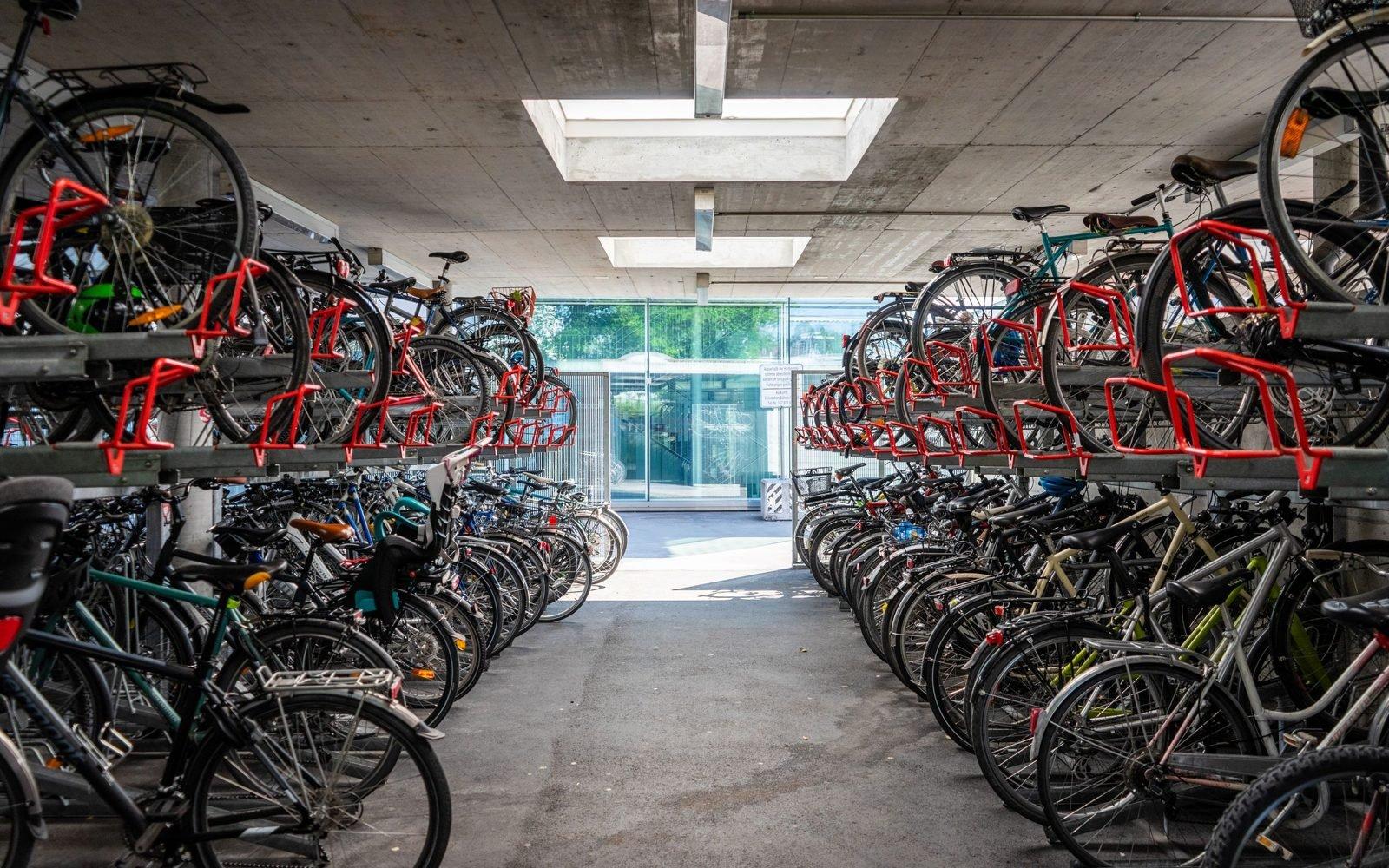
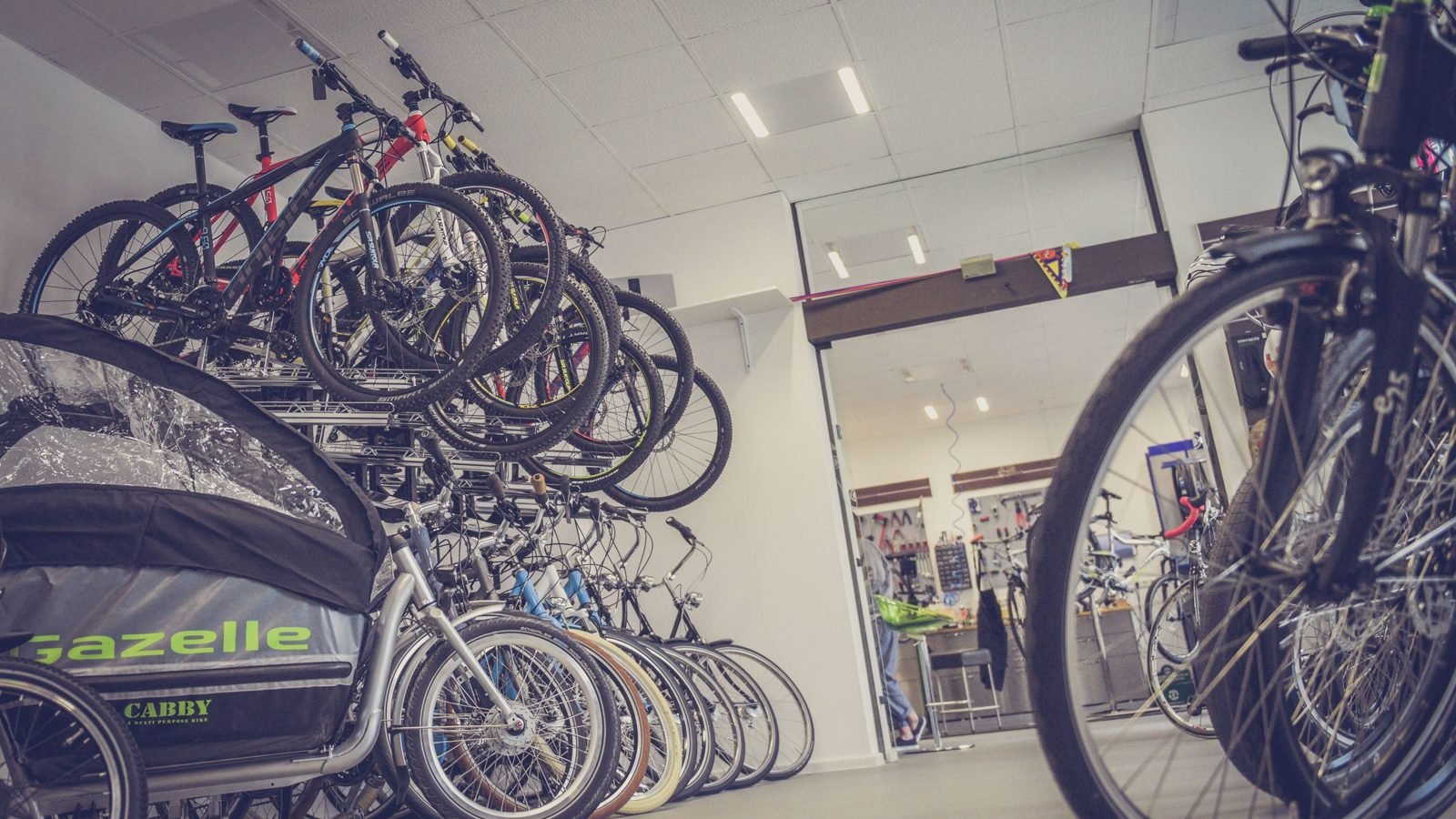
The photographs are illustrative and accompany the training example; they do not depict the collaboration described or models that were tested.
Connect the video to booking a sizing appointment
The ending should lead to an action viewers can take: “Describe your route and ask when you can come and see the bikes.” Specify the location, contact channel and whether the visit needs confirmation. Do not call submitting a form a booking if a staff member still has to approve the time. Distinguish an in-store consultation from a test ride; the store confirms whether the latter is possible and under what conditions.
Follow the viewer's journey on a phone. After clicking, they should find the advertised offer, address and contact method, not a catalogue with no guidance. Keep local information consistent in your business profile. If you use Google Business Profile posts, check their status after publication: Google's help page, accessed on 21 November 2026, distinguishes live, pending and unapproved posts. Submitting a post alone does not prove it is visible.
Separate messages from booked appointments, and completed visits from purchases. Record whether a customer asks about the bike in the video or still needs help identifying a category. An optional question about where they heard about you can help, but responses will not cover every customer. A tagged link alone also does not prove that every subsequent sale resulted from the creator's work.
A recurring question such as “Can I come without an appointment?” suggests that the visit instructions need improving. Questions about an unavailable model call for an update to the offer. Views alone do not confirm that the ad helps people prepare for a consultation. Assess the content alongside bike availability, the season and the store's other activities, without promising a particular result.
How to organise a creator collaboration through Blogger Bank
Prepare an assignment on Blogger Bank for a video about choosing a commuter bike. Include the showroom address, the conversation scene, the staff member's involvement, models to be confirmed and the files you expect to receive. Creators apply themselves; review their earlier work for clear explanations and safe behaviour. If the creator will publish the video, also check whether their audience matches the store's local area.
Publication on a creator's channel gives you access to their audience, while buying files provides content for agreed distribution. Choose the scope you need or describe both separately. Agree on the channels and duration of use, permission to shorten the video, paid promotion, and music and likeness rights. Receiving a file does not automatically grant permission to use it everywhere.
For an ad on a creator's profile, make sure the collaboration is clearly disclosed and the store identified. UOKiK's recommendations on influencer marketing, checked on 21 November 2026, explain how to label commercial content clearly. A natural conversation with a salesperson should not pretend to be an independent visit by a random customer.
Blogger Bank lets you organise assignments, communication with creators, contracts and secure payment in one place. When accepting the work, check the video against your agreement: identifiable models, the limits of the fit assessment, advertising disclosure and a working route to a consultation. The platform does not replace the salesperson's expertise or guarantee visits. Start by describing one commuting situation in the assignment and confirm with your staff member how you will show it in the showroom.
Frequently asked questions
How can you advertise a bike store beyond showing new arrivals?
Show a specific need, such as starting to cycle to work, and a conversation about choosing a bike. A creator can guide viewers through questions for the salesperson and suggest the next step: contacting the store and checking the fit in person.
Can a video replace choosing a bike size in person?
A video cannot replace an in-person fit check or consultation. It can show the process and help viewers prepare questions. Do not promise viewers the right size simply because they are a similar height to the creator in the video.
How do you choose a creator for a demonstration?
Review the creator's previous content to check whether they explain choices clearly, ask questions and behave safely. When commissioning publication, also assess whether their audience matches the store's range and location.
Do you have to promote the most expensive model?
You do not have to choose the most expensive bike. Feature a model relevant to the need shown and available for the agreed demonstration and further discussion. Explain the selection criterion rather than presenting it as the best product for every customer.
How should you prepare a sizing appointment scene?
Agree with a staff member on the conversation, available bikes and actual consultation scope. Prepare a space without incidental customers on camera, confirm participants' involvement and ensure safe demonstration conditions. Do not turn the ad into technical instruction.
Does one size chart work for all bikes?
Do not treat one chart as universal guidance for the entire range. Use documentation for the relevant category and specific model. The video should encourage consultation and an in-person check, not apply the creator's size to viewers.
How should you assess the video's results?
Separate enquiries, confirmed appointments, completed consultations and sales. Check whether viewers know how to prepare for a visit. Consider model availability and other store activities; views alone or a tagged link do not prove additional sales.
What can you commission through Blogger Bank?
Commission a video covering the journey from a customer's need to an in-store consultation. Describe the scenes, staff involvement, filming location and expected files. Agree separately on creator publication and the store's use of the content, with appropriate usage rights.