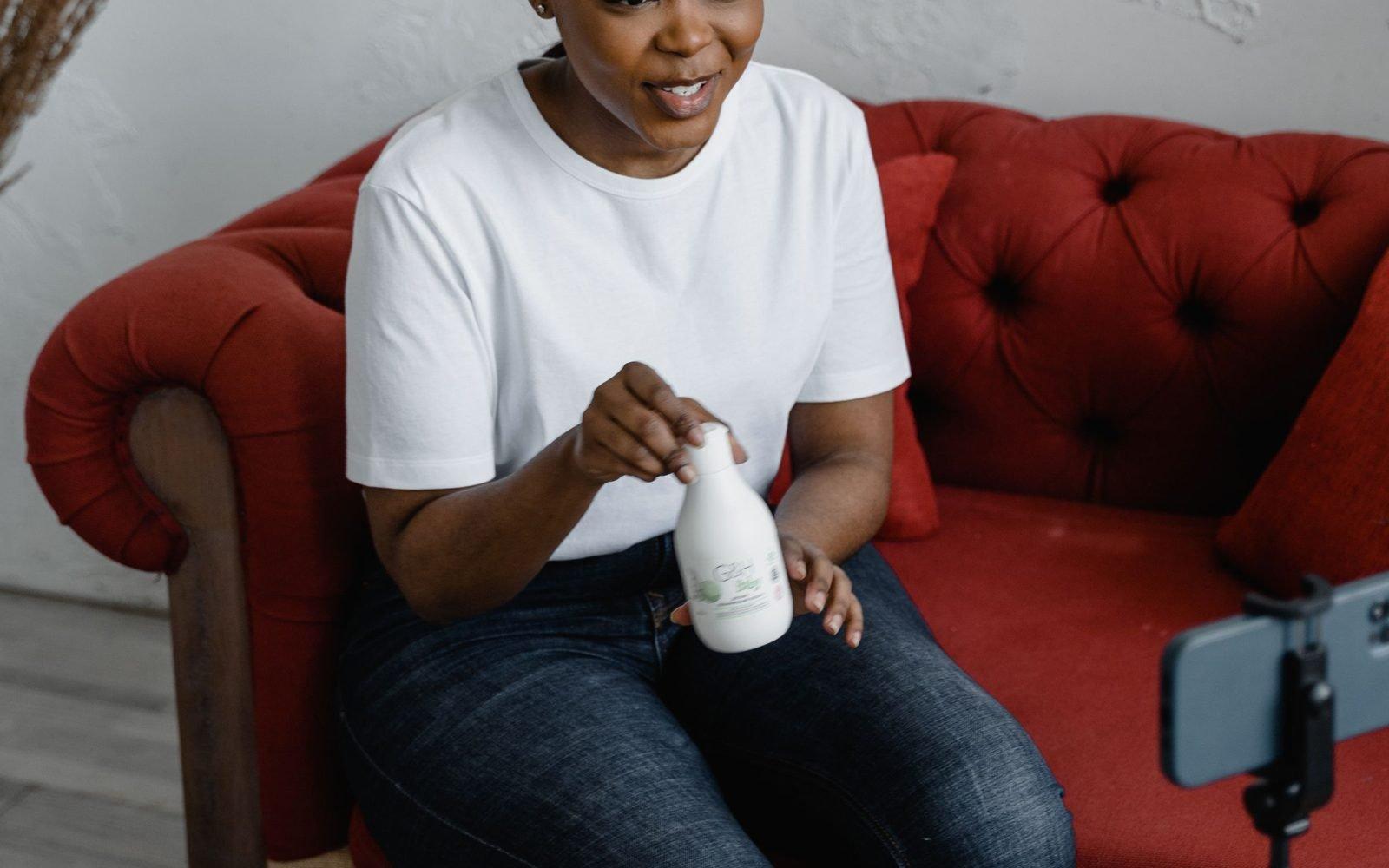
Influencer campaigns and product availability in stores

Short answer
Launch influencer campaigns directing shoppers to stores after confirming the advertised variant is on shelves at the specified locations. Appoint a launch approver, connect store lists to briefs and check purchase information. If some stores are not ready, narrow communication or agree to postpone posts. Delivery to the chain's warehouse does not replace checking what customers can buy.
Influencer campaigns and product availability in stores need to be coordinated before posts are approved, not only when a viewer asks about an empty shelf. The retail chain receiving a delivery is not enough. The brand should confirm that the advertised variant can be bought at the specified locations and that the creator's message matches what customers will find there. When only some stores are ready, it makes more sense to narrow the invitation or agree to postpone the content than to announce a launch across the entire chain.
You can prepare creator partnerships in parallel: create a brand account on Blogger Bank and describe an assignment with the store locations. Creators will apply themselves, and you can check who fits the planned communication. The assignment helps organise the partnership; confirming shelf readiness remains the responsibility of the brand and its retail partner.
What availability confirmation should you collect before publication?
Check a pair: a specific product and a specific store. Saying “the collection is already available at the chain” does not establish whether a particular store has the size shown by the creator. Distinguish between stock in the central warehouse, delivery to the store and a product displayed for sale. Each message describes a different stage. Before inviting customers, you need the last one, along with confirmation that it is the correct variant.
Ask the person responsible for the location to check the shelf, not just an entry in a report. A display photo can help identify the packaging and location, but it does not tell you how much stock will remain when a customer visits. Record the date of the check and the information source. If the display is ready but the product is still in the stockroom, establish who will put it out and when. Until then, do not mark the location as ready.
The following template is our editorial recommendation for organising work, not an industry standard or an availability guarantee. You can transfer it to your team's spreadsheet:
- Product and variant: name, size, colour and an identifier that distinguishes the model from similar products.
- Store or region: the store address; for a regional summary, also include the list of stores covered by the confirmation.
- Check date: when stock was verified and which planned publication date the check relates to.
- Display confirmation: where the product is placed, whether the packaging is visible and whether customers can examine it as promised in the content.
- Person responsible: who confirmed the situation in the store and who will notify the brand of any change.
- Decision and recheck: launch, restrict communication or wait; what needs checking again, by whom and when.
If the video invites viewers to examine a container's closing mechanism, check whether the store has a demonstration unit and whether it can be opened. Do not promise a test when customers will only see a sealed box. Treat directions about the department, signage and set contents in the same way: they should match the situation in the store, not just the filming setup.
Who decides when the campaign can launch?
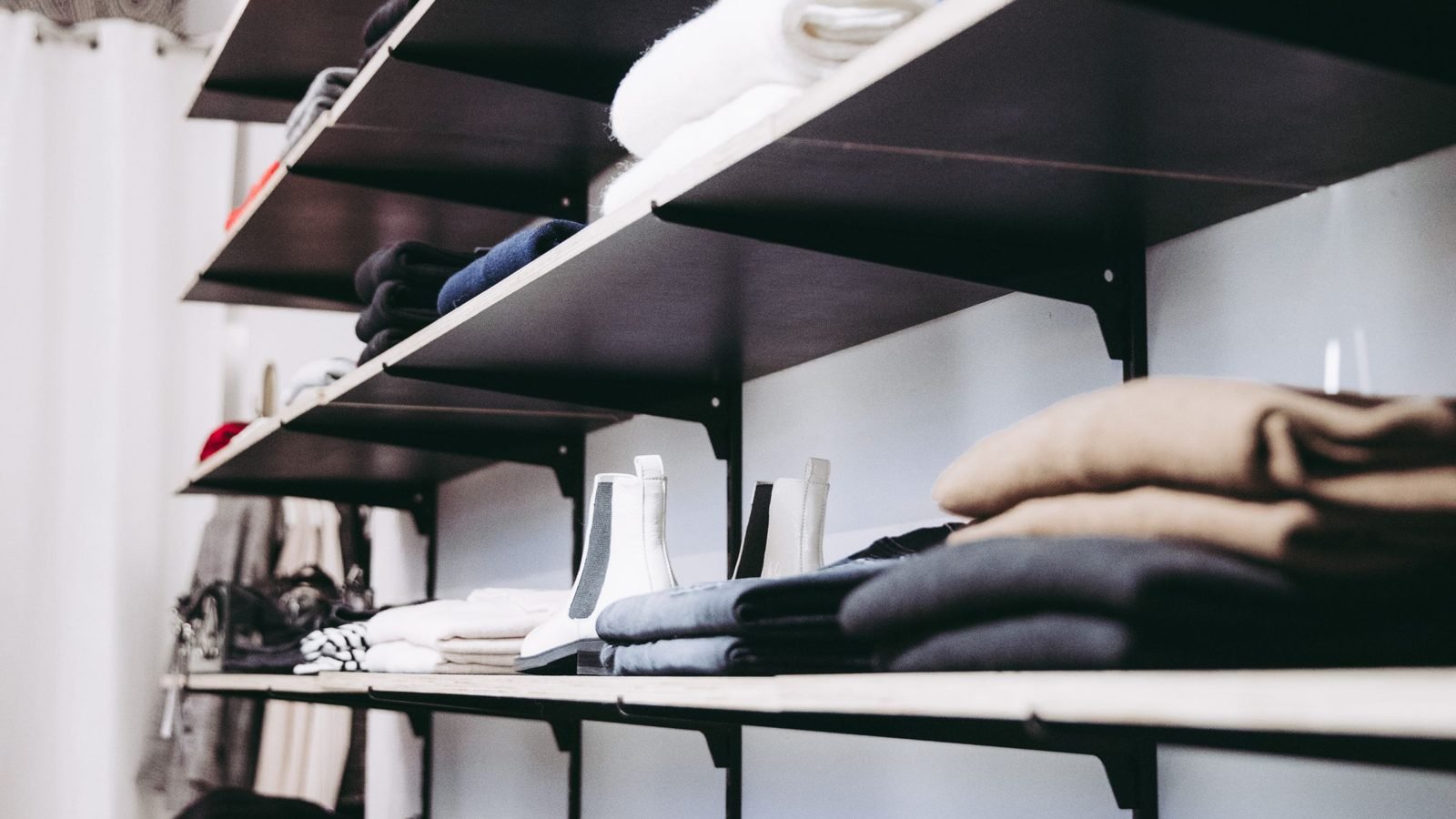
Appoint someone on the brand's side to collect confirmations and communicate the final decision to creators. The retail account manager supplies store information, the person managing creator partnerships checks schedules and content, and the designated coordinator approves the scope of the launch. Without this division of responsibilities, a creator might receive approval from marketing and a request to wait from a sales representative.
Separate video approval from permission to publish it. The content may show the product correctly even though the store is not ready yet. In your agreement with the creator, record who confirms the date and how you will communicate if something changes. Accepting a finished video should leave no doubt about whether the creator should publish it immediately or wait for a separate message.
When approving the launch, refer to a specific version of the content, a store list and a date. Instead of “everything is ready”, send a message such as: “We approve publication inviting viewers to the stores on the attached list; do not mention the other locations.” If confirmation is missing, name the gap and the person who needs to resolve it. A store's silence proves neither availability nor a stock shortage.
Arrangements concerning displays and the retail partner are part of the broader subject of trade marketing with creators. Here, you need one outcome from those arrangements: a message that tells the creator what they can now communicate. Do not transfer responsibility for checking stock across the entire chain to the creator.
How do you match creators' locations to stores with stock?
Start with the confirmed store list, then match posts to it. Where a creator lives does not determine where their audience lives. Ask for available audience geography data and discuss the local nature of their content. For a creator reaching several cities, a clear availability restriction is especially important.
The invitation to buy should identify a specific store or an up-to-date “where to buy” page. Do not turn a list of a few confirmed addresses into “look for it in this chain's stores”. Naming a city can also be too broad when the advertised size has reached only some locations. Make sure the list opened on a phone lets customers identify the address and variant rather than simply showing a map of all the brand's partners.
Assign someone to manage the “where to buy” information. They should know where updates come from and who informs creators about changes. Include the destination URL in the brief and agree where the guidance will appear in the content. If the video will remain on the profile for a long time, avoid an open-ended statement that will still sound like current confirmation after the offer changes.
Do not treat choosing local creators as a watertight geographical limit on reach. A post may also reach people outside the region. That is why text, speech and captions must agree: a note below a video does not correct “in every store” spoken in it. Before approval, review the whole piece from the perspective of someone unfamiliar with the distribution plan.
What should change when some stores are not ready?
Limit the launch to confirmed stores if you can honestly narrow the message and match it to the audience. If the video's premise relies on widespread availability, agree to postpone publication or change the content. Do not substitute another size for the advertised one simply because it happens to be on the shelf: the demonstration may involve a feature the replacement lacks.
Suppose a Polish storage container brand is entering home goods stores. This is a training example, not a description of a Blogger Bank client or campaign result; the photos are illustrative. A creator shows a container that fits on a narrow shelf. Before publication, the brand learns that some stores only have the larger model, although the entire collection is already listed in the chain's range.
The coordinator separates stores with the correct size confirmed from those awaiting delivery. For the first group, they prepare an updated list for the purchase invitation and agree the corresponding scope of communication with creators. With the others, they discuss rescheduling. They do not state an expected delivery date as certain or present the larger container's presence as confirmation that the offer shown in the video is ready.
Postponing publication requires agreement with the creator under the partnership terms, not a unilateral calendar change. Confirm the new date, any content changes and the subsequent approval process. When there is no delivery date yet, set a date for the next contact instead of promising that the post will appear “right after the weekend”. The creator also has other commitments to plan.
After changing the plan, check the full set again: speech in the video, on-screen text, caption, location tag and link. Remove old addresses from the brief, but keep a record of which version was agreed. Updating the brand's spreadsheet alone does not update content prepared by a creator. Ask them to confirm receipt of the revised arrangements.
How should you respond to missing stock after publication?
Treat a viewer's report of an empty shelf as a signal to investigate, not proof that the product has sold out across the entire chain. Establish the store address and variant, then contact the person responsible for the location. The cause could be a missing delivery, stock not being put on display or an actual sell-out. Until the situation is clarified, do not present it as a campaign sales success.
Once the shortage is confirmed, update the list of purchase locations and give the creator a ready-to-use message consistent with the agreed arrangements. For example: “This variant is currently unavailable at the specified store; we are updating the list of confirmed locations at this address.” Agree how to correct the caption or issue an additional message, taking the format and channel's capabilities into account. Do not promise a delivery the retail partner has not confirmed.
Also review content that has not yet been published. A problem at one store does not necessarily have to stop activity for other locations, but it requires a fresh decision on posts referring to that store. If there is no confirmed alternative store, do not send customers to another address to try their luck. “We are checking availability” is more honest than another unverified invitation.
Record the periods and locations of shortages so that you do not later assess the creator's work as though the product had been available throughout. This is context for analysis, not a sales attribution method. We cover ways to measure creator campaigns in physical stores separately. Here, the response aims to bring the message back into line with the offer customers can actually find.
How do you organise creator partnerships in Blogger Bank?
Prepare a Blogger Bank assignment for confirmed locations. Specify the product variant, the demonstration required, the range of purchase locations and how the publication date will be agreed. Creator applications let you choose from interested people rather than sending each person a separate invitation. When selecting creators, check audience fit, not just their ability to visit the store.
Blogger Bank brings partnerships, messages, files and deadlines together in one place and provides contracts and secure payment. For larger campaigns, this makes it easier to manage contact with creators. However, it is not an inventory monitoring system: the brand separately collects confirmations from the retail partner and communicates publication decisions. Do not assume a stock change will automatically stop a scheduled post.
Before sending the assignment, complete the first entry in the readiness spreadsheet: the advertised variant, the store address and the person who will check the shelf. Only with that reference point should you agree with the creator where they will invite viewers and who will confirm the launch.
Frequently asked questions
Does influencer marketing increase sales in physical stores?
Influencer marketing can encourage store visits but does not guarantee purchases. Results also depend on product availability, whether the offer matches the message and customer experience. Assess sales and store conditions rather than equating video views with orders.
When should you launch an influencer campaign for a product sold in stores?
Publish purchase invitations after confirming the advertised variant is available at the specified stores. Check displays, current offers and customer information. Agree timing with creators and the person managing the retail chain relationship, not just the warehouse.
What should you check in a store before an influencer publishes?
Confirm the specific variant is on the shelf, packaging is visible and the offer matches the message. If purchasing requires a demonstration, check customers can examine the product. Record the check date and who confirmed readiness for campaign customers.
Can an influencer replace merchandising?
Influencers and merchandising serve different purposes. A creator can generate interest and identify purchase locations, while merchandising helps customers find and assess the offer in store. A post cannot replace available stock, clear displays or prepared staff.
What should you do if some stores lack stock before a campaign?
Limit purchase invitations to confirmed locations or agree to postpone some posts. Update store lists and creator briefs. Do not imply chain-wide availability when only selected stores have stock, and appoint someone responsible for the next check.
How should you respond if a product sells out after an influencer's post?
First identify which stores and variants are affected. Update availability information, give the creator a confirmed message and agree on subsequent posts. Do not promise delivery dates without confirmation or send customers to unchecked retail locations.
How do you connect an influencer brief with product availability in stores?
Specify the advertised variant, confirmed locations, publication date and source of current purchase information. Establish contact with the launch approver and how changes are agreed. Separate the creator's responsibility for content from the brand's responsibility for product availability.
How does Blogger Bank help organise campaigns for physical stores?
On Blogger Bank, brands describe partnerships, while creators apply themselves and complete questionnaires. The platform brings together partnerships, contracts and secure payment. Specify locations and content scope in the assignment, but confirm store readiness separately with the retail partner.