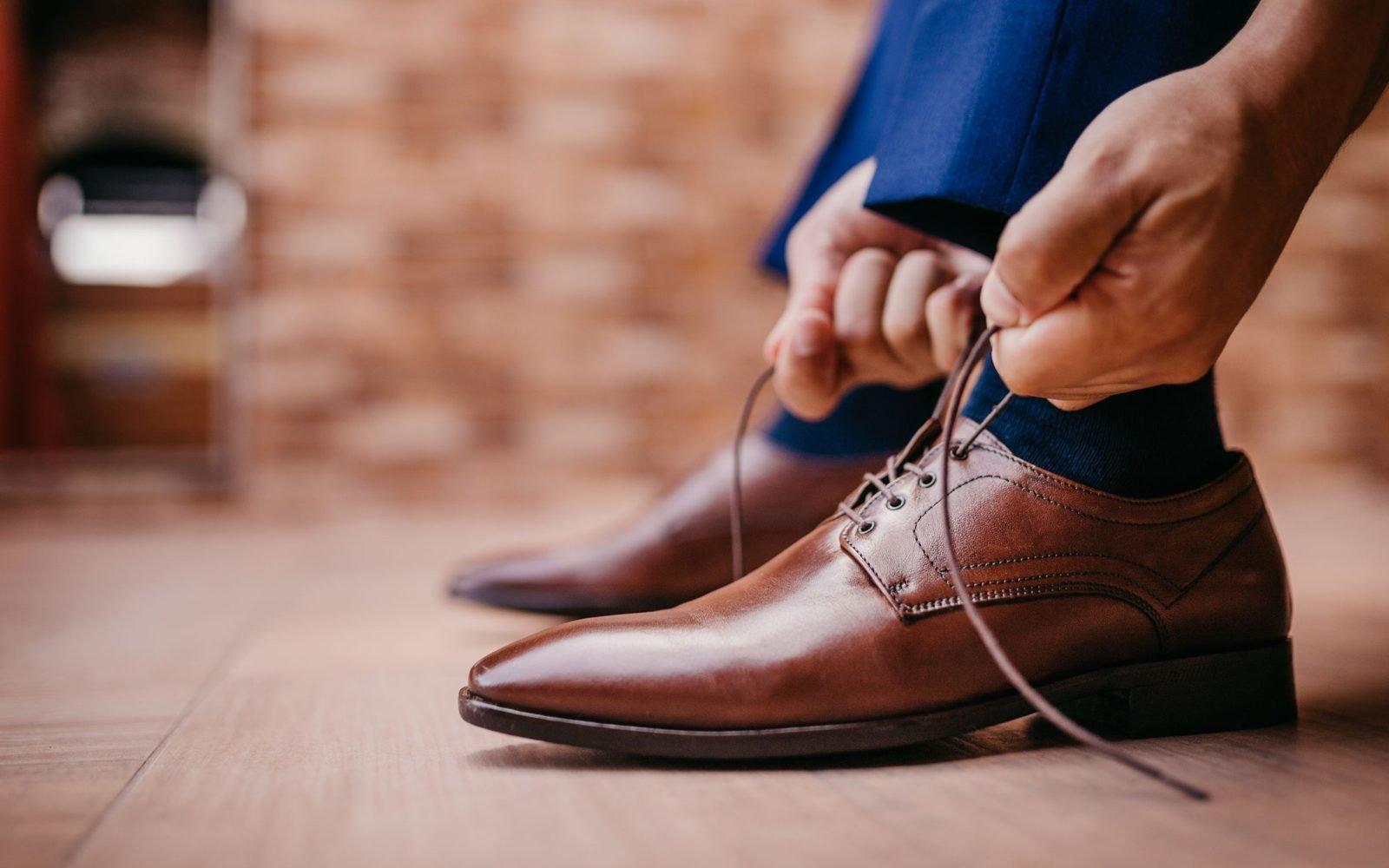
Second-hand clothing store advertising: how to show your stock
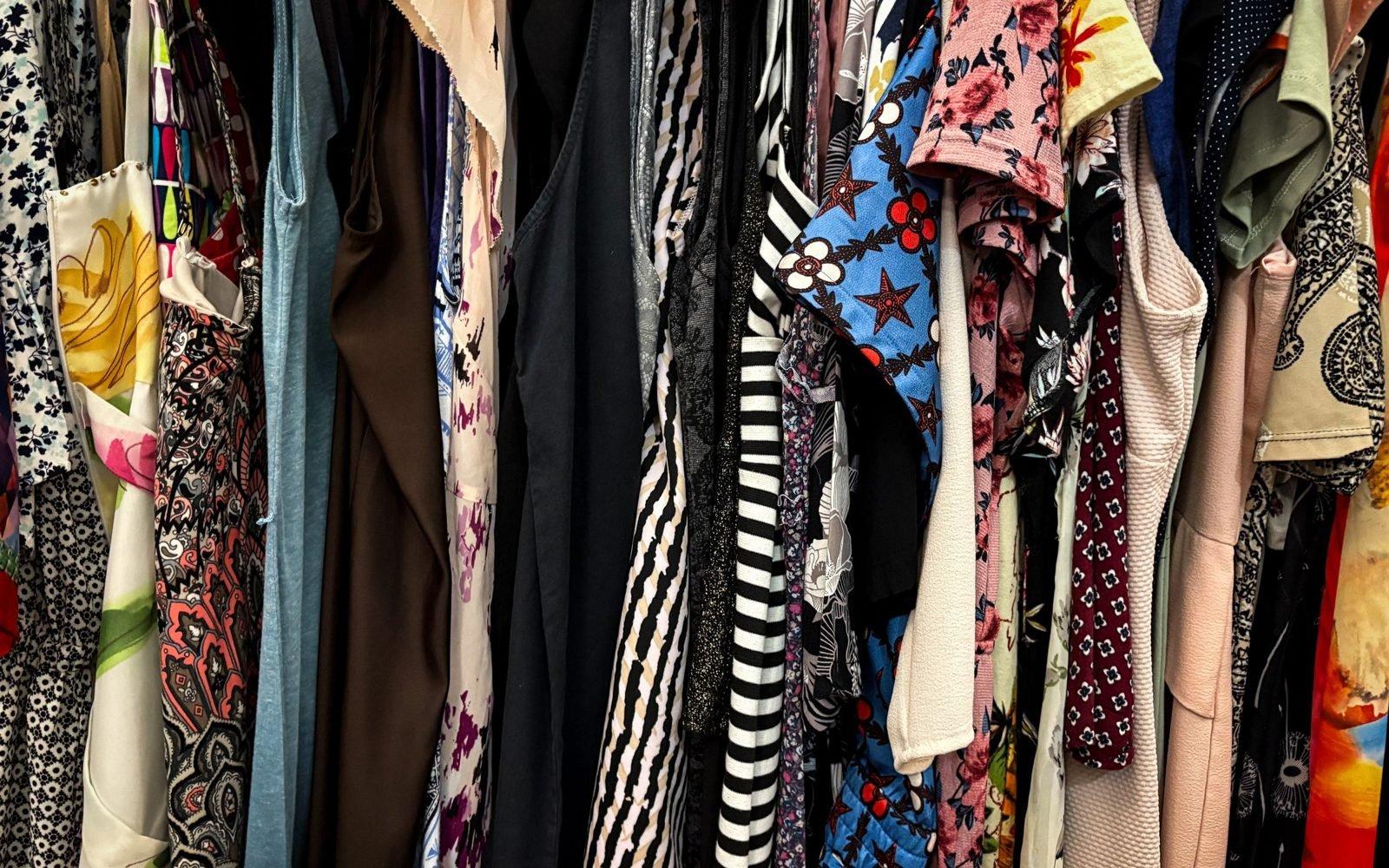
Short answer
When advertising a second-hand clothing store, separate a video about choosing clothes from a dated delivery review. Show the condition, measurements and wear of specific items. Agree who checks availability before publication and updates messages after a sale. You can commission both pieces on Blogger Bank, but keeping listings current remains the store's responsibility.
Second-hand clothing store advertising has a short shelf life when it revolves around a single striking item. A coat may find a buyer before the video even goes live. Ask the creator to produce separate pieces: one showing how to choose clothes in your store, and another reviewing a particular delivery. The first introduces the place; the second needs a date and updates after items sell.
A creator who can show a fitting, check a label and describe visible signs of wear will explain your stock better than a camera simply sweeping across the rails. On Blogger Bank, you can describe this assignment and collect applications from creators. Prepare rules for presenting one-off items and agree who will tell the creator when a garment is no longer available.
Separate advertising the store from showcasing an individual item
A video about the store should still make sense after the stock changes. The creator can walk from the entrance to a section with a particular type of clothing, showing how to browse the rails and inspect items before trying them on. Here, a garment illustrates how to choose. It should not also promise that viewers will find that exact piece on a later visit.
A delivery review serves a different purpose: it shows items offered at a particular time. It needs a date, an identifier for each garment and somewhere the store confirms availability. “Coats from the delivery featured in this video” does not mean the same thing as “this coat is waiting for you.” Leave the second promise out of the script if you cannot keep it.
Separate the viewer's next steps, too. From a video about the store, direct people to current store information. From a showcase of an individual item, link to its current listing or a clearly explained way to check availability. Do not redirect people to an arbitrary replacement product. Someone interested in a particular cut should know that the featured item has sold before looking for it in the shop.
Talking with your audience about wearing clothes also helps build customer relationships. In a second-hand store, that conversation can focus on how to choose, rather than a model permanently available in several sizes. Do not apply the mechanics of a collection launch to one-off pieces.
Show the garment's actual condition and measurements
Give the creator a description of the specific item, not a general catalogue of the style's features. Prepare a photo of the label, measurements taken using an agreed method and a list of observed signs of wear. If the label is illegible, do not guess the fabric composition by touch. Present the labelled size and actual measurements as separate facts; customers should not have to guess where the description comes from.
Plan a shot of the whole garment and close-ups of areas that matter when assessing its condition. For a coat, these might include the cuffs, lining, fastening and collar. The point is not to hunt for flaws for dramatic effect. Viewers need to understand what they are buying, and the store needs content that matches the garment's actual appearance. Lighting and editing must not hide discolouration that the buyer will later see.
Worked example: a coat with a worn cuff
Imagine a coat with slight wear along the edge of a sleeve. This is an editorial example, not a Blogger Bank client's campaign. The creator shows the silhouette, then holds the shot on the cuff and describes the visible wear. The store adds the same information to the item's description. Instead of a judgement such as “perfect condition,” the result is a description that can be checked against the photo.
The shot of the flaw must make it possible to locate it on the garment. An extreme close-up of fabric without any indication of its location explains little. Pair it with a wider view of the sleeve. When reviewing the video, also check that text does not cover the worn area and that the close-up is clear on a phone. If not, request a correction before publication, rather than a reassuring sentence in a comment.
A fitting shows how a garment fits one particular person. It does not replace measurements or justify a claim that the coat will fit everyone who wears a similar size. Agree which fit details the creator will provide and which the customer will check in the listing. If a garment is clipped at the back for a photo, do not present that shot as an accurate representation of its cut.
Schedule publication around changing deliveries
Set filming, approval and publication dates around the actual delivery. Do not fix a review date before the store knows what it will receive. You can prepare a video about choosing clothes in advance, then finalise the list for the current showcase only after inspecting the items. This lets you use the creator's work without inventing stock to suit a script.
Before the content goes live, a store employee checks the status of every featured piece. Confirmation on the day of filming is not enough if the garments remain on sale. Agree with the creator what happens if an item sells before publication: remove its segment, replace the scene or retain it only as a clearly labelled example. Do not quietly change the description to “similar items available” without checking those alternatives.
- Identifier: a garment reference shared across the files, description and store notes.
- Currency: the review date and the time availability was last checked.
- Responsibility: the person at the store reporting a change and the person updating the post.
- Action after a sale: change the caption, stop promotion or remove the sales content, depending on the channel.
This register is a suggested way to organise work, not a feature that automatically synchronises Blogger Bank with inventory. Check whether the chosen channel lets you edit the element that needs changing. If you cannot make the correction clear enough, stop promoting that specific item rather than assuming every viewer will read a later comment.
You can publish an update on your own Business Profile with the content and a link to current information. Google Business Profile Help describes posts with photos, videos and an action button. Such a post also needs updating when the offer changes. Using this feature alone does not guarantee visibility or store visits.
Do not turn product information into an unsupported promise
The term “second-hand” describes the type of stock, but does not establish every benefit of a particular item. Do not automatically call every purchase environmentally friendly or attribute resource savings to it without data for that specific comparison. An advertisement can simply show a pre-owned garment, its condition and the possibility of wearing it again. That does not require an unverifiable slogan.
Avoid messages such as “second-hand clothing, so no complaints accepted,” too. Do not reduce buyers' rights to that shorthand or confuse a complaint about a product with a voluntary returns policy. Direct questions about specific purchase terms to the store, and check current explanations about complaints in guidance from Poland's consumer protection authority, UOKiK. An advertising video is not the place for an improvised interpretation of an individual dispute.
The collaboration with the creator should be recognisable as advertising, even if the filming looks like a casual search for clothes for personal use. Include clear disclosure and the advertised store's name in the brief, in line with UOKiK's influencer marketing recommendations. Do not commission a staged, supposedly independent visit by a random customer.
Commission lasting content and a delivery review separately
Set out separate deliverables in the scope of work. The store video covers choosing clothes, trying them on and where to check current stock. The delivery review covers specified items, their condition, a date and an agreed process for handling changes. This way, selling a coat does not force you to withdraw the entire story about the store. It also provides a clear reference when accepting the creator's work.
Decide whether you are commissioning publication on the creator's profile, files for your own channels or both. A creator may be good at filming details without having a local audience. Conversely, when inviting people to a physical shop, it matters whether their audience is actually interested in shopping in that area. Assess examples of previous content and the proposed visit, not just follower numbers.
Delivery of a file does not automatically grant permission for every use. Agree on channels, duration of use, paid promotion, permission to shorten the video and versions without sold items. Also record who changes captions and whether the creator should return for another delivery. If you are planning more outfits, the guide to organising a clothing content shoot will help structure the shots; here, keeping individual items up to date takes priority.
Commission the showcase and agree how to handle changes on Blogger Bank
Post an assignment for a creator on Blogger Bank, describing the filming location, how you sell and both types of content. Include a sample item description, rules for showing wear and the person responsible for availability information. Interested creators apply for the assignment, so you can compare their proposals rather than start with random messages to fashion profiles.
Before choosing, ask how the creator will show a flaw without losing context and prepare a version of the video after its featured item sells. You can manage the collaboration, agreements, contract and secure payment on the platform. Checking stock and updating listings remain the store's responsibilities. Blogger Bank does not guarantee that garments will be available when someone watches the video or that the content will generate sales.
When accepting the work, first check it against reality: the correct garment, clearly visible condition, a date, a working link and advertising disclosure. After publication, monitor questions about featured items and visits to current listings. Repeated questions about a sold coat may indicate an unclear message, not campaign success. Start by describing the next delivery and deciding who will remove an outdated promise.
Frequently asked questions
How do you advertise a second-hand clothing store?
Commission a creator to show how to choose clothes and separately review the latest delivery. Show garment condition, the fitting process and where to check availability. The store video should not promise that featured pieces will always be available.
Should you promote an individual item that might sell?
You can feature an individual item if you date the review and agree how to update the message after a sale. Check availability immediately before publication. Assign someone to inform the creator and stop outdated promotion.
What should you show when a garment has a minor flaw?
Show the whole garment, the flaw's location and a clear close-up. Describe visible wear without hiding it through lighting, framing or retouching. The video should match the store's description of that specific item, not a general assessment of the style.
How should you separate a store video from a delivery review?
Use the store video to explain choosing clothes and planning a visit, and the delivery review to show specific garments available at a particular time. Commission separate deliverables, with different update rules and agreed periods of use.
Is calling a purchase environmentally friendly always justified?
Selling second-hand clothes does not justify every environmental promise. Do not claim resource savings without data for the specific comparison. You can describe the garment's second-hand status, its actual condition and the possibility of wearing it again.
Does buying a used item mean having no consumer rights?
Do not present used clothing as automatically ineligible for complaints. Distinguish product complaints from voluntary returns. Check current guidance from Poland's consumer protection authority, UOKiK, and direct individual cases to store support rather than settling them in an advertisement.
How can you use photos after the featured item sells?
Photos of a sold garment can remain examples of how to choose clothes if clearly labelled as not showing current stock. Remove availability promises and check the agreed rights for continued use on that store channel.
How do you commission a content series on Blogger Bank?
Describe deliveries, the filming location, expected files and posts, and responsibility for availability updates. Collect creator applications and compare ideas. Before starting, agree usage rights, revisions and the process to follow when a featured item sells.