Sports store advertising: how to showcase your range and attract customers
Short answer
Start sports store advertising with a customer's need and products they can actually buy. Connect your current offer with local information, your own channels and a creator's demonstration. Show differences between variants without promising a universal fit. On Blogger Bank, you can describe a brief and collect creator applications; the store remains responsible for availability, the purchase journey and evaluating results.
How can you advertise a sports store so customers know what they can buy and where? Sports store advertising should connect a specific need with available products and a clear path to purchase. A wall of shoes alone does not explain the differences between models. A creator who practises the sport can show the choice from a user's perspective: what they want to take on a trip, how they use the pockets and what they need to examine before deciding. The store is responsible for keeping the offer current and providing expert advice.
If you lack these demonstrations, create a brand account on Blogger Bank and describe your brief. Prepare a product list, a buyer's question and details of whether you need a post on the creator's profile or content for your own channels. Creator applications let you choose someone for the demonstration rather than starting with a random profile with a large audience.
Choose an athlete's need and available products
Start with a buying situation, not your entire stockroom. A beginner hiker wants a backpack for a short walk, someone returning to swimming is putting together their kit, and a cyclist needs a convenient way to carry small items. Each has different questions. Choose a need your store can address today with products available to buy or examine.
Put together a small selection from different brands according to use. For each model, record the exact name, variant, product page URL and a feature you can demonstrate. Take specifications from current manufacturer documentation and retailer information. If the store description differs from the label, resolve the discrepancy before filming. Do not ask the creator to settle it based on how the item looks.
Promoting an entire category only makes sense if viewers receive help choosing. The slogan “everything for sport” does not explain why they should visit your store in particular. A reason might be the chance to compare designs, look inside a bag or try on available models. Show only services you actually offer. Advertising will not fix stock shortages or staff who cannot answer a product question.
Connect the offer with local and online channels
The offer should remain recognisable when someone moves from the video to the store. Show the selected products on your own profile, prepare links to them on your website, and check your address, opening hours and contact details in local listings. If you invite people to try something on, they need to know which location to visit. If you promise order collection, explain on the store website how readiness for collection is confirmed.
Do not use one call to action for every situation. You can invite someone nearby to examine the selected backpacks in person; a buyer in another city can check variants and delivery terms. A creator's content can lead to the same offer as the store's post, but it should add a demonstration rather than merely repeat a banner. A price promotion gives people a reason to be interested, but does not itself show the differences between products.
Search engines, the store's profile and a creator's post serve different purposes. You do not need to launch them all at once. The guide to choosing ecommerce advertising channels explores how to select a route to your audience. For a sports store, focus above all on continuity: the need addressed in the content, the model shown and the offer after the click should match.
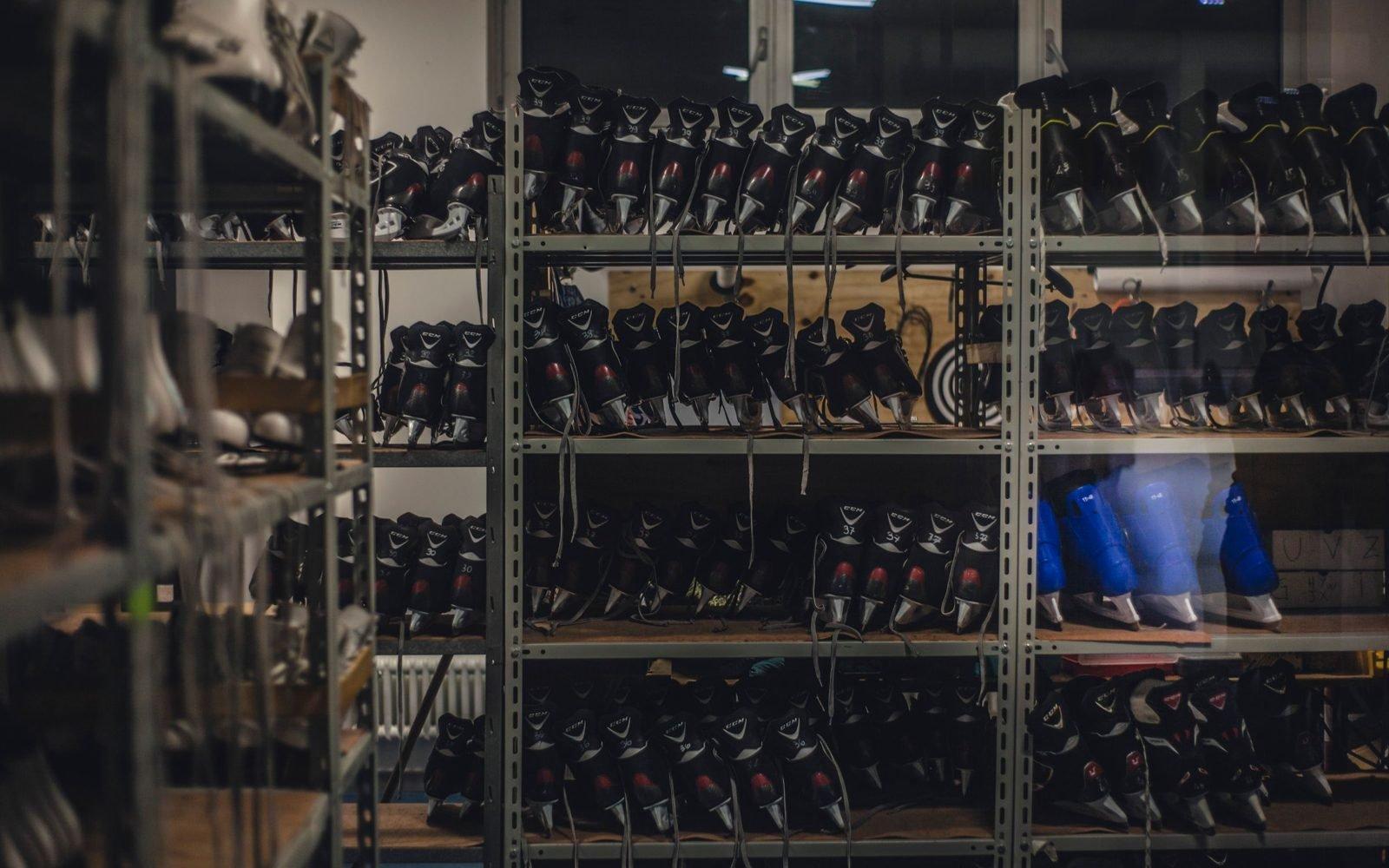
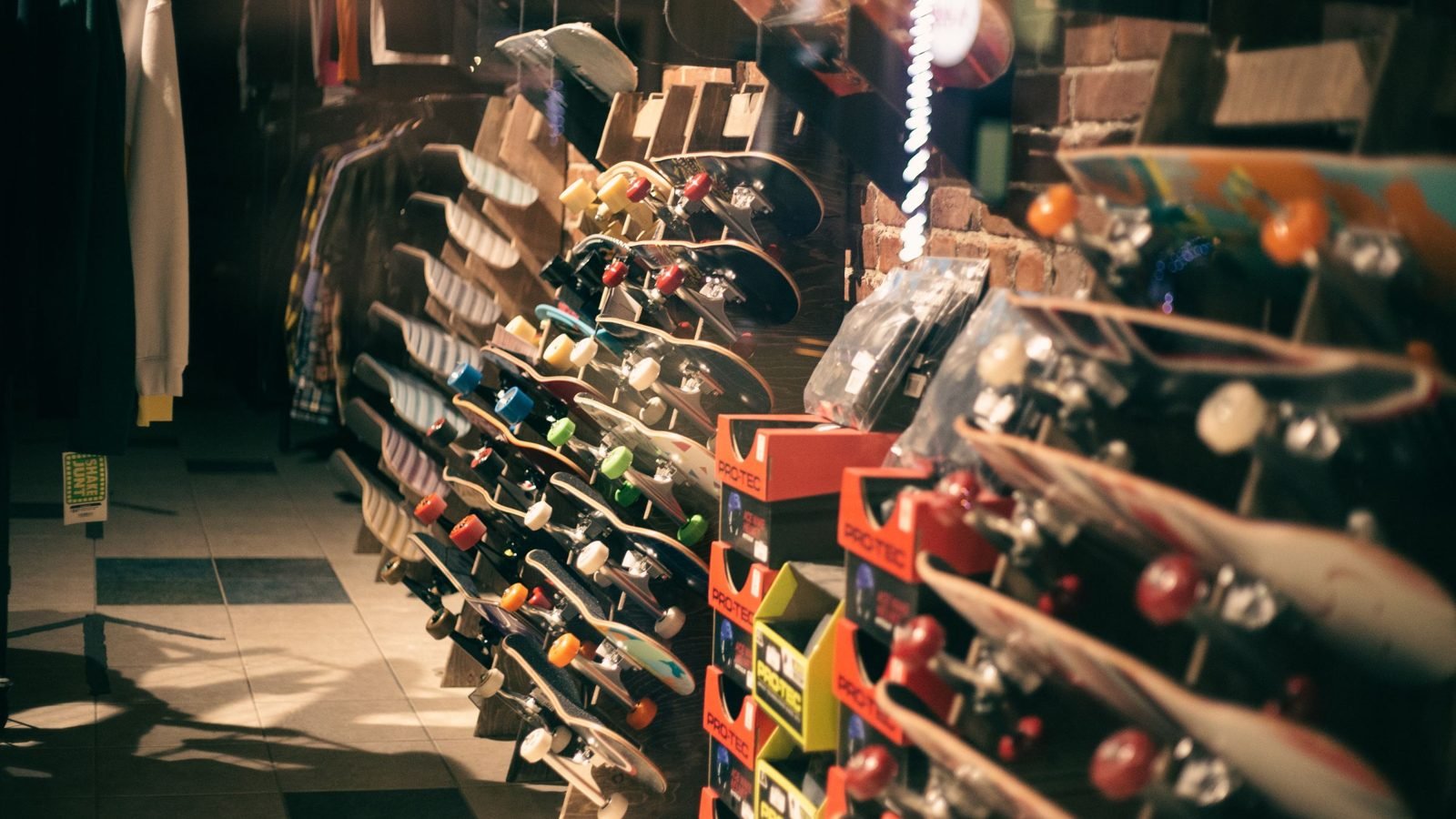
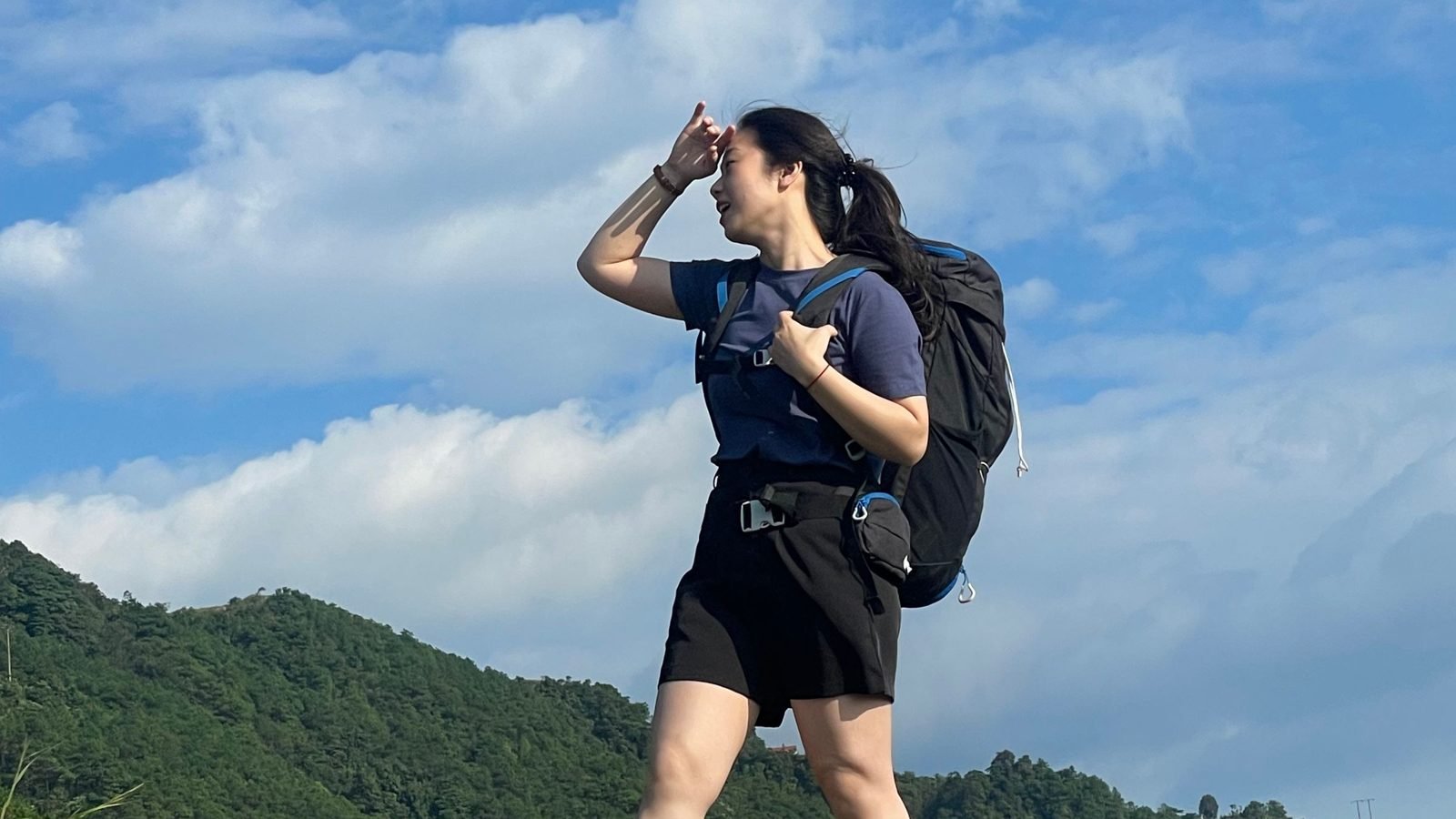
The photographs are illustrative; they do not show the store or collaboration in the example.
The creator demonstrates use; the store helps with fit
Invite a creator for experience relevant to the demonstration. Someone who regularly takes short hikes can clearly demonstrate packing a backpack without having sporting medals. Watch previous videos: is the product visible, can the creator identify a limitation, and do they answer questions about use? If you also commission a post, check whether the audience matches the offer and the area the store serves.
A creator does not replace an equipment fitting specialist. They can show how a backpack sits on their back, but cannot promise everyone the same comfort. For equipment requiring expert fitting or instruction, plan to involve a competent staff member. Do not turn a short advertisement into health advice, a safety test or instructions for risky use.
Separate the statements: the creator describes a personal observation, while the store confirms product information. “I put my bottle in this pocket” is different from “every bottle fits”. Do not expect unconditional praise for every brand. For details on building a scene in motion, see the article on sports advertising and product demonstrations; here, the demonstration must also help people find the specific item at the retailer.
When choosing a bicycle, the in-store conversation also deserves a place in the film: the planned route, questions about fit and the conditions for trying a bike in person. Our guide to bike store advertising explains how to commission that scene without suggesting a viewer's size based on the creator's build.
Commission a consistent comparison, not a misleading ranking
Comparing products from your own range is not a review of the entire market. Tell viewers they are seeing selected models available in the store, and define the criterion: access to pockets, internal organisation or the opening mechanism. Use similar shots and show the same action with each product. Do not call one model the best simply because you want to sell it faster.
Training example, not a Blogger Bank campaign: a local store wants to demonstrate choosing a backpack for a short hike. The invited creator prepares her own set of belongings and packs them into each selected model in turn. She shows access to the interior and puts on each backpack. She does not measure material durability, assess safety or claim that a particular design will suit everyone.
- Opening: the creator explains the kind of outing she is preparing for and shows the items to pack.
- Comparison: she repeats the packing process with each model and shows a close-up of an important detail. The variant name remains legible.
- Limitation: she explains what is her preference and what comes from the product description. She does not award scores without an established method.
- Purchase: she points to the store's offer and the options to examine and collect products, if the store actually provides them.
To commission this kind of demonstration, prepare a creator brief on Blogger Bank. Specify the products, scenes, filming location and expected deliverable. Ask applicants for similar work. The platform helps collect applications and select a creator; choosing the range, checking information and accepting the content remain the store's responsibilities.
For everyday footwear, plan size selection and the conditions of the try-on separately. Our guide to shoe store advertising explains how to prepare a record of the model, observations and limitations for a creator and connect the video to the specific manufacturer's size chart.
Keep track of sizes, variants and where to buy
Even the best-looking demonstration loses its purpose if it leads to an unavailable size. Record the exact variant before filming, and check again before publication that it can be purchased. Availability for shipping does not necessarily mean availability at a physical store. The person managing the collaboration should confirm both locations if the video directs people to them. Do not present these checks as an automatic Blogger Bank feature.
Agree with the creator what can be updated once a product sells out: the description, link, pinned information or the content itself. Do not silently redirect to another model as if it were the one in the video. If you suggest an alternative, explain the difference. When the central promise is no longer current, pause further promotion and agree on a change rather than expecting customers to find a substitute themselves.
Separate the lasting part of the video from information that changes. You can show how a backpack opens in the recording and provide the current colour selection on the store website. This does not remove the need to update advertising, but it reduces the need to film everything again. Assign someone to check the offer and answer questions after publication. The creator alone does not know your current stock levels.
Separate publication from files for the store
A post on the creator's profile is intended to reach their audience. UGC files give the store content for agreed uses, but do not provide distribution by themselves. You may need both deliverables, but list them separately in the brief. Specify the format, captions, required close-ups and a version without changing availability information. Check these elements when accepting the work, rather than relying on a general impression that the video looks sporty.
Before production, agree on where and for how long the content may be used, whether it can be shortened or re-edited, use in paid advertising and the scope of permission to use the creator's likeness. Also establish responsibility for music and other material in the recording. Receiving a file does not in itself tell you where you may show it. Your spending plan should include the creator's work, product preparation, transport, staff involvement, usage rights and any distribution.
The advertising collaboration must be clear to viewers. The UOKiK recommendations on influencer marketing, checked on 18 November 2026, help determine how to label advertising content. A natural speaking style does not justify concealing a collaboration. Do not present a paid demonstration as an independent ranking or a spontaneous visit by a random customer.
Check enquiries, visits and orders separately
Accepting the content and assessing commercial results are different evaluations. First check that the correct products appear, the agreed scenes are included, the advertising is labelled and there is a working route to the offer. Then monitor questions about variants, visits to product pages and orders. For a local store, customers' voluntary answers about how they heard about the offer may also help. Do not treat these as a complete measurement of all visits.
Record the publication date, changes to the range and other promotional activities. A tagged link lets you distinguish some traffic; it does not prove that every attributed order is an additional sale. Weather, the season and parallel promotions can also affect interest. Do not attribute all store sales to the creator or treat likes as buyers.
Your findings should lead to a specific improvement. Questions such as “where can I try this on?” suggest checking local information. Visits to an outdated variant require correcting the offer. A lack of orders when data is limited does not yet allow you to judge the entire promotional method. Start with a brief for one clear demonstration of available products, prepare the landing page and only then set a publication date.
Frequently asked questions
Where should sports store advertising begin?
Start with a specific buyer need and available products that address it. Check product information, variants and the path to purchase. Only then choose how to demonstrate the offer and a creator suited to the task.
How can local promotion connect with an online store?
Show the same recognisable offer in the content, on the website and at the sales location. Provide the current address and opening hours. Distinguish shipping availability from in-store availability and explain how order collection works.
When should you invite a sports creator?
Invite a creator when customers need to see a product in use or differences between variants. Choose someone familiar with that use. For posts on their profile, also check whether their audience matches the offer and the store's service area.
Does the creator need to be a professional athlete?
Not if the task concerns everyday use they know from experience. Clear demonstrations and honest commentary matter. For equipment requiring expert fitting or instruction, a creator does not replace a competent member of the store's staff.
How can you show several brands without a misleading ranking?
Define the demonstration's scope: selected store products, not the entire market. Set a shared criterion and repeat a similar action for each model. Separate creator observations from manufacturer data and do not award an unsupported best-product title.
What if the size shown sells out?
Update availability information and agree with the creator on changing the description, link or content. Do not substitute a product without explanation. If the advertisement relies on an outdated offer, pause further promotion until the message is corrected.
Should you commission a post or just UGC content?
Choose a post when you need to reach the creator's audience. Commission UGC content for your own channels, planning distribution separately. You can combine both scopes, but clearly define the deliverables and content usage rights.
How does accepting content differ from assessing sales results?
When accepting content, check compliance with the brief: products, scenes, advertising labels and links. After publication, monitor enquiries, traffic and orders. A correct video does not guarantee sales, and increased turnover alone does not prove the creator's impact.