Sports advertising: campaign examples and ideas for brands
Short answer
Sports advertising can build brand associations or show a product in motion. Choose a situation customers recognise and a creator who genuinely practises the sport. The adidas and ASICS examples inspire storytelling but do not prove sales. On Blogger Bank, creators respond to briefs themselves, while profiles, contracts and secure payment help organise collaboration on the content.
Sports advertising does not have to end on a podium. For a training apparel store, the moment a customer sees how a jacket fits during a run or where to put a phone may matter more. Before choosing an athlete and music, decide: do you want to encourage activity, build an association with your brand or show a specific product in motion? That answer should shape the script, not the other way around.
An ad about everyday training benefits from a creator who genuinely practises the sport and can talk about equipment without reading from a catalogue. Prepare a description of the product and the situation you want to show, then create a brand account on Blogger Bank and post a brief. Creators apply themselves; you choose someone for the task based on their profiles and work samples. The platform helps organise collaboration, but does not replace the idea or your assessment of the product.
First, choose the role sport will play in the ad
Sport can be the subject of a story, a source of credibility for its protagonist or a setting for using a product. These are different tasks. A film about returning to training may not need a close-up of a sole. Content that helps someone choose a running backpack should show its fit, access to pockets and how it behaves in motion. A logo at the finish line alone will not answer those questions.
Decide what viewers should be able to say afterwards: “This brand understands my nerves before a match” or “I know what this model looks like during training.” A brand awareness campaign with creators develops the first objective. Here, we focus on turning a sporting situation into an advertising scene. Movement, rather than a generic slogan about passion, should determine what you show.
If you sell equipment from several brands, an idea for a sporting scene is not enough. The demonstration needs to lead to an available variant, a fitting or an order. Our guide to sports store advertising connects demonstrations with the current range and information customers need to buy.
adidas “You Got This”: an athlete helps someone through a difficult moment
In a release dated 24 September 2024, adidas described an instalment of its “You Got This” campaign featuring Patrick Mahomes, Aliyah Boston and Anthony Edwards. The brand's stated aim was to help young athletes handle pressure in sport and remember the joy of playing. The official adidas campaign description includes Boston supporting a young basketball player with free throws and Mahomes offering encouragement before a decisive kick.
This is not a catalogue of a star's achievements. The protagonist has a role in the scene: recognising a younger person's emotion and helping them get back into the game. According to the brand's description, the ads also use paper basketball and football games to bring back a sense of play. Sporting authority serves a story about an experience, rather than simply attracting attention with a famous face.
A takeaway for a smaller brand: start the brief with a situation your audience knows. A creator could explain what they do before their first group training session instead of making a generic statement about pushing limits. This is an editorial suggestion for applying the approach, not a description of what adidas did. Do not copy the characters, dialogue or distinctive paper-game idea.
This example does not prove anything about the shoes' properties or a sales increase. The cited release documents the aims and scenes; it does not establish how many customers bought a product because of the ad. If your aim is to show a specific model, you need an additional scene where viewers can actually examine it.
ASICS “The Desk Break”: a starting point away from the playing field
In a release dated 24 September 2024, ASICS presented a film starring Brian Cox as an intimidating boss. It addressed desk workers, encouraging them to step away from their desks and take a movement break. The source for this description is the official ASICS material on “The Desk Break”. This is an example of a sports brand communicating through an actor, not a campaign built around a professional athlete's performance.
The key shift in perspective: the story starts where the audience already is, rather than somewhere they aspire to be. A desk provides a clear context. The scene aims to get people to stop sitting, not teach running technique or compare footwear. The brand gives movement a role in an ordinary working day.
A takeaway for a sports store: look for the transition between everyday life and activity. You could show someone packing a bag before leaving work or changing into training clothes. The product then has a specific job, and the creator does not have to pretend to be a professional. Do not recreate the boss character from the ASICS campaign; find your own situation in your customers' lives.
The ASICS release also refers to research on wellbeing. We are not applying those findings to the product you advertise or turning them into a promise of health benefits. We are analysing how the story and call to action are constructed. Nor is the release evidence of the campaign's effectiveness in generating sales.
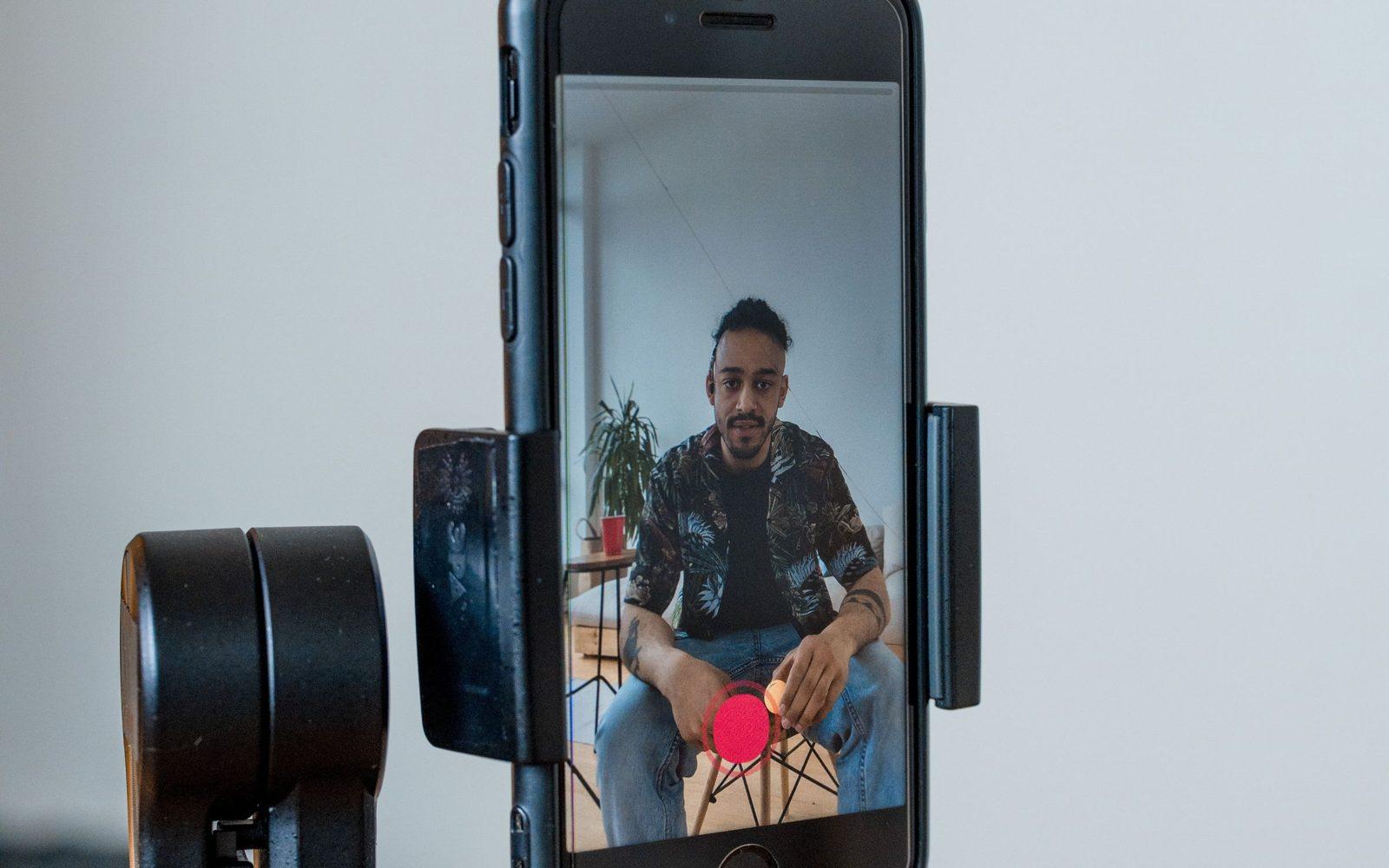
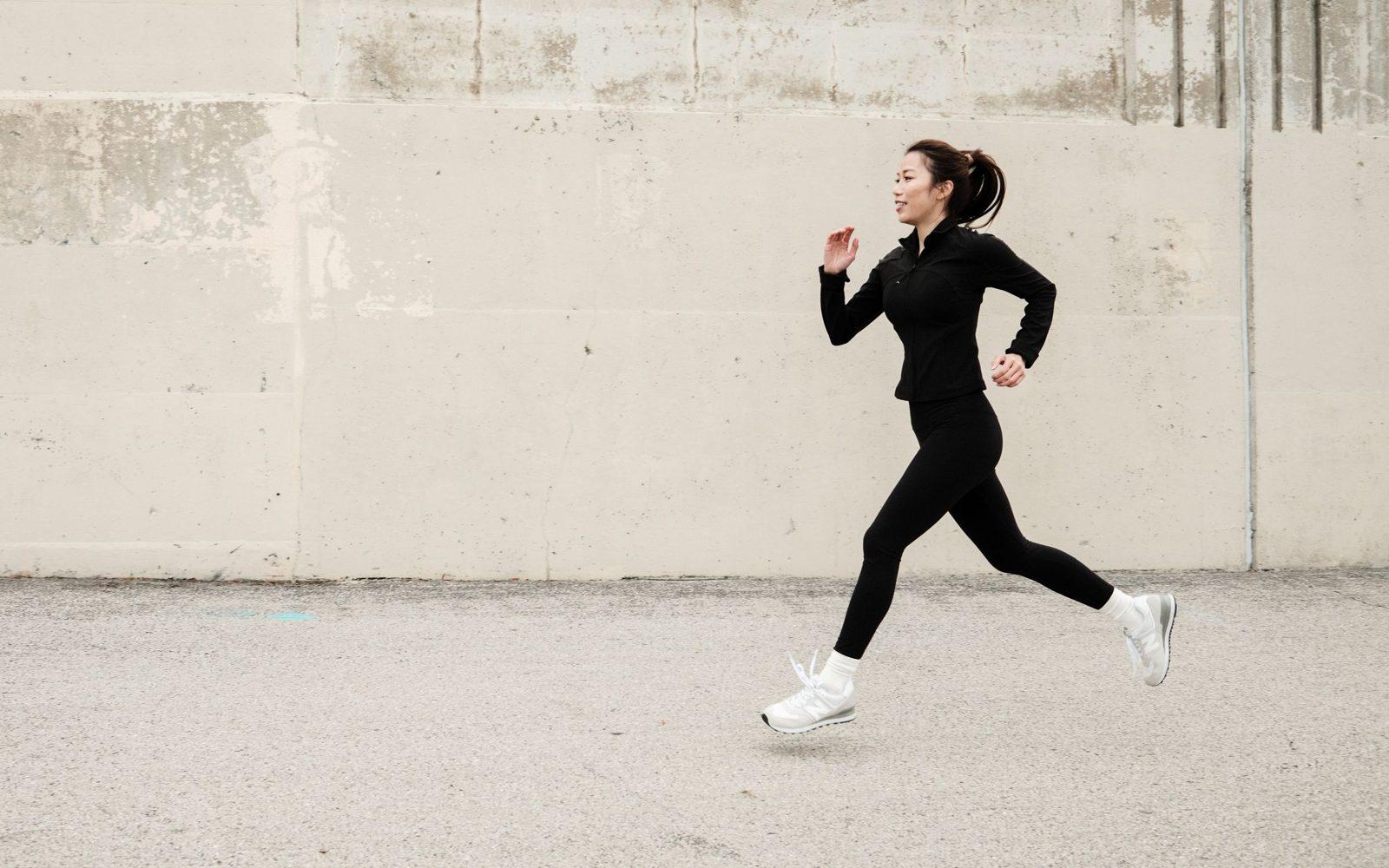
The photographs in this article are illustrative: they show workout preparation and movement, not stills from the campaigns discussed.

What to take from a campaign and what to leave to the big brand
Both examples suggest questions for your own brief: in what situation do we meet the protagonist, what stops them from moving and what role does the brand play? You do not need to adopt the cast, production scale or slogan. A small clothing brand has its own advantage in the content: it can show exactly the item a viewer is looking for, rather than talk about all of sport at once.
Separate inspiration from evidence. If you like an ad's emotion, note the event that creates it. If you want to talk about a product, add a feature the viewer can see. “Freedom” is an imprecise slogan; a shot of someone raising their arms shows how a shirt behaves on that particular person. It does not, however, confirm that it will fit every body shape the same way.
A sponsored athlete and an amateur play different roles in advertising
A recognisable athlete brings a career story and associations with a sport. An amateur creator can instead show conditions closer to a customer's life: travelling to training after work, an ordinary changing room, a session without spectators. That does not automatically make them more credible. Check previous content: do they genuinely practise the sport, describe their own experiences and show details rather than just offer praise?
Appearing in one ad does not reveal the entire sponsorship relationship. A film cannot tell you a contract's duration, exclusivity or scope of obligations. We do not attribute such information to the people in the campaigns described here. Likewise, do not call a creator an ambassador simply because they recorded an ad once. We explore a longer relationship from the creator's perspective in how to become a brand ambassador.
Choose the person to match the planned activity. If the ad is meant to show a leggings pocket during an easy run, you need a clear shot and actual use. An athletic record cannot replace either. If the proposed movement exceeds the creator's abilities, change the scene; a risky stunt is not an essential part of sports advertising.
Show the product in motion without pretending it is a laboratory test
The shot list should answer purchasing questions. For a jacket, that might mean reaching into a pocket and showing how the fabric moves with the arms. For a bag, it could mean putting items inside and carrying it once packed. A close-up shows the detail; a wider shot shows its use. Editing that constantly jumps between a face and the landscape can lose the very information the customer came for.
Before filming, agree with the creator on what they can say from personal experience and what comes from the manufacturer's documentation. “My phone fitted in this pocket” describes an observation. “This clothing will improve your performance” promises much more and cannot be inferred from the film alone. Do not write claims into the script that the demonstration does not support.
Also maintain continuity in the demonstration. If the key feature is access to a pocket while moving, do not cut out the act of reaching into it. Show which object the creator puts inside and what clothing they train in. Switching models between shots or covering the detail with captions can stop an attractive film from helping people choose.

Example brief: a pocket in running leggings
The following script is an illustrative example, not a description of a Blogger Bank client or a completed campaign. A store wants to show leggings to recreational runners. The customer's question is: “What will I do with my phone while running?” Instead of promising a faster pace, the film demonstrates the pocket on a selected model.
- Opening: the creator gets ready to leave and shows the phone they want to take. The problem the content addresses is immediately clear.
- Demonstration: they put the phone in the pocket, start an easy run and show the clothing from the side. The shot should not hide the pocket under a jacket.
- Commentary: they describe their own experience with this combination and name the leggings model. They do not present the observation as a guarantee for every phone or runner.
- Ending: they direct viewers to the page for the model shown, where customers can check its description and choose a size. Not to the entire catalogue without identifying the product.
To commission this content, create an advertiser account on Blogger Bank and describe the model, planned activity, format and publication channel. Ask applicants for samples filmed in motion. Base your choice on their profiles and work, not just a photo in sportswear. Agree on the scope of video use and how the ad will be labelled before production.
Contracts, communication and secure payment on the platform help organise collaboration; the creator receives payment after the result is approved. The brand remains responsible for checking whether the correct model appears, whether the statements are reliable and whether the content meets the brief. Blogger Bank does not run paid advertising for the store or guarantee product sales.
Assess the content first, then the audience's response
When reviewing the film, watch it without sound: can you see the product, the activity and the point of the scene? Then check the captions and the creator's statements. Viewers should be able to distinguish the protagonist's experience from properties claimed by the manufacturer. The brand collaboration must be clear in the ad; a natural style does not mean pretending to offer an independent recommendation.
After publication, assess results against the task. For product content, check visits to the correct product page and questions about the detail shown. Views indicate exposure to the film, not purchases. Attribute orders to the content only when measurement supports it; a sales increase during the campaign alone does not establish its cause.
Start with one customer question and one action that answers it. Put them in the brief before choosing the protagonist. That way, your sports ad will show more than a person moving: it will help viewers understand why your product belongs in the scene.
Frequently asked questions
Where should a sports brand start with advertising?
Start with the question the film should answer: why get active or how a particular product works in use. Only then choose the protagonist, sporting situation and shots needed to demonstrate that answer.
Which sports campaigns are worth analysing?
The September 2024 adidas You Got This instalment shows sporting authority in a story about pressure. ASICS The Desk Break starts with office life. Analyse the scenes and stated objective rather than assuming sales increased.
Does a small brand need a famous athlete?
Not always. When demonstrating clothing or accessories, the creator's actual experience in the sport and ability to show details may matter more. A famous face cannot replace a clear product shot or an answer to a customer's question.
Does appearing in an ad mean there is a sponsorship contract?
Appearing in a film alone does not reveal the full collaboration. It cannot establish contract duration, exclusivity or other obligations. When describing a campaign, separate a confirmed appearance from relationship details the brand has not disclosed.
How should you show sportswear in motion?
Choose an action linked to a purchasing question, such as reaching into a pocket while running. Combine a close-up with a wider shot of use. Do not cover the key detail with captions or cut the action the film should explain.
What should sports equipment advertising avoid promising?
Do not infer improved performance or health from training footage alone. Separate the creator's personal observation from manufacturer information. A film showing one person using a product does not prove that every customer will experience the same effect.
How do you commission sports content through Blogger Bank?
Describe the product, action to demonstrate, format and publication channel in the brief. Creators apply themselves; assess their profiles and video samples. Contracts and secure payment help organise production, while the brand evaluates the finished result.
How should you evaluate a sports ad after publication?
Match the assessment to the content's objective. For a product demonstration, check visits to its page and questions about the detail shown. Views are not purchases, and sales growth without appropriate measurement does not prove a particular ad's impact.