Pet shop advertising: show the right choice
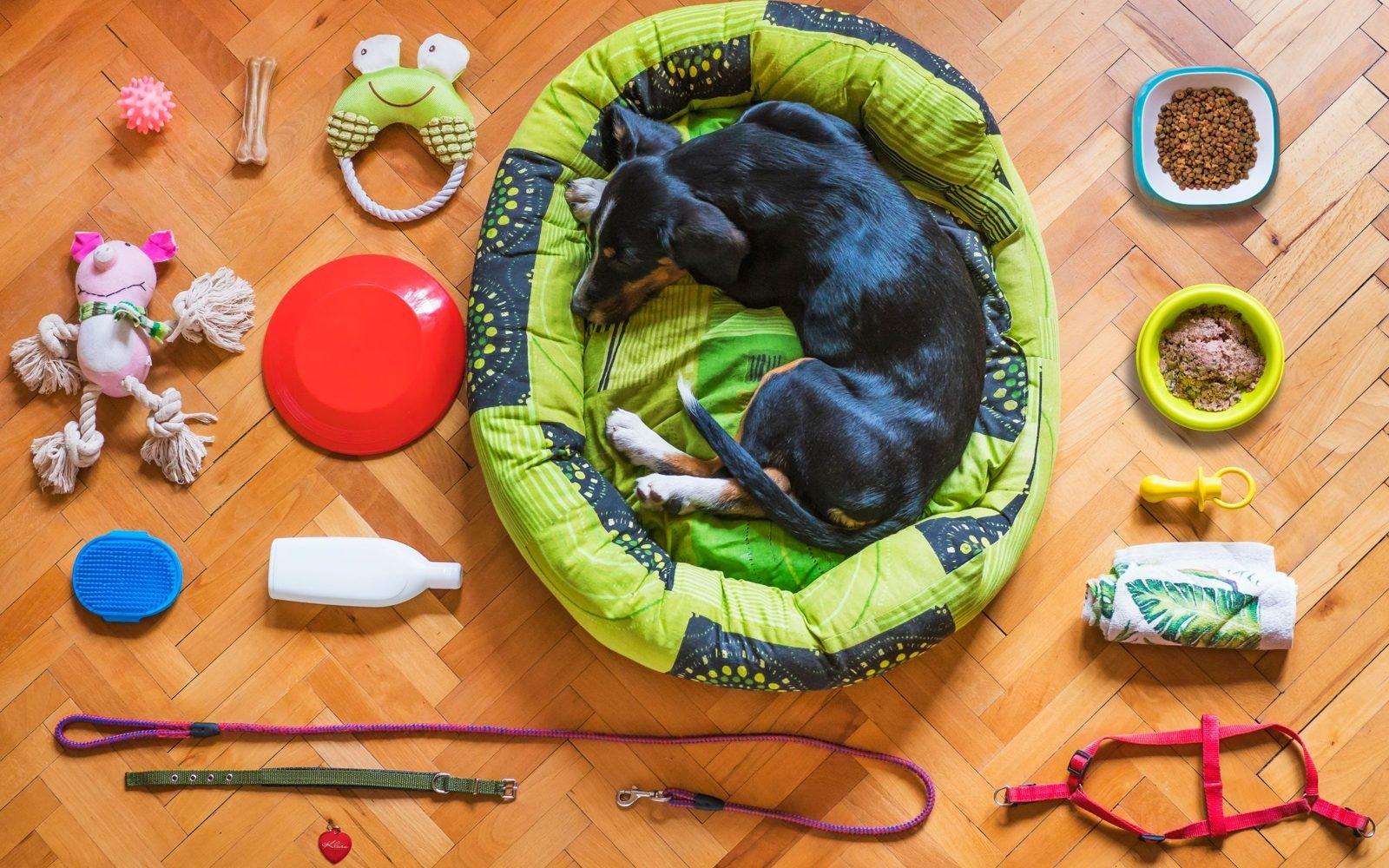
Short answer
Pet shop advertising should explain how to choose a product for a specific animal, show the manufacturer’s information and lead to the relevant offer. Commission a calm accessory demonstration, agree on claim boundaries and video usage. A pet’s reaction does not prove health benefits from food. Blogger Bank lets you describe the assignment and collect applications from creators.
Pet shop advertising should help an owner choose a product, not just show a friendly dog beside a shelf. A customer sees several carriers, bowls or beds and still does not know what to ask. A creator can guide them through a specific choice: show the model, read out its intended use and explain its limitations. This gives the shop an opportunity to discuss its range without promising that a purchase will solve every problem the animal has.
For this task, you need a creator who can demonstrate products calmly without attributing extra properties to them. Create a brand account on Blogger Bank and describe a demonstration of your chosen category. Creators apply for the assignment, and you choose someone for the specific piece of content. The platform organises the collaboration; choosing the right product and checking the content remain the shop’s responsibility.
Choose an owner’s need, not a random pet
Start with a question the salesperson hears at the shelf. “How do these carriers differ?” is a better video topic than “discover our extensive range”. The creator can show how the carrier opens, access to the inside and where the manufacturer lists its dimensions. Viewers leave the video with a list of things to check, rather than just a memory of a lovely animal.
Advertising with a creator helps when an unclear choice is the obstacle. It will not fix gaps in the range, an incorrect product description or outdated opening hours. Before commissioning a video, make sure the shop can answer the questions it will raise and that the model shown is actually available at the advertised location.
Separate ideas by need instead of trying to fit the entire shop into one reel. For a pet bed, show the size and the care instructions provided by the manufacturer. For a toy, explain its intended use and restrictions. For a carrier, focus on checking a specific variant. Each piece of content should lead to the relevant offer, not a random homepage.
Start choosing a creator by looking at how they work. Review how they show interactions with an animal, whether they distinguish their own observations from a manufacturer’s promise and whether they can say “we haven’t checked that”. For a local post, you also need an audience that can visit the shop. When ordering files only, the quality of the recording matters more than where the creator’s audience lives.
The photos illustrate this training material; they do not document a shop’s collaboration with a creator.
Show the product’s uses and limitations
A good accessory demonstration makes it possible to identify the exact product the customer will find in the shop. The model name, variant and visible details must match the offer. If the video shows a different size from the one at the link, even a carefully filmed piece can mislead viewers. Send the creator the current product sheet and the manufacturer’s instructions before filming.
Training example, not a Blogger Bank client campaign: a shop commissions a video about choosing a cat carrier. The creator presents the empty carrier, its opening mechanism and interior, and shows where to find information on the model’s intended use. They do not need to put a cat inside to explain these features. Nor do they claim that the product suits every cat or is approved for every kind of travel.
Include a content acceptance checklist with this assignment. This is a suggested editorial template, not a feature built into Blogger Bank. Each field should help establish whether the video presents the choice honestly:
- Animal species and size: who the product is being considered for and which information the owner should check before buying.
- Product: the exact name and variant, matching the packaging, instructions and linked page.
- Safe demonstration: what the creator will demonstrate in accordance with the instructions, and what they will show without involving an animal.
- Label text: the exact wording of relevant manufacturer information and where the shop verified it.
- What has not been demonstrated: properties and uses that the recording does not confirm and that must not be added in on-screen text.
In the carrier training example, the last field includes the animal’s behaviour during a later journey. A calm scene at home does not prove that every journey will be calm. Likewise, demonstrating the closure does not replace documentation for a specific use. If that information is missing, the shop should clarify it with the manufacturer before including it in the advertisement.
When reviewing the video, watch it together with the on-screen text and post description. A cautious statement from the creator can become a categorical promise through a heading added during editing. Further requirements for file versions and shot lists are covered in the guide to ordering a product video from a creator. Here, an additional criterion is whether the demonstration matches the animal’s needs and the accessory’s description.
Read pet food claims instead of adding to them
In this campaign, treat pet food as an example of reading information carefully, not as a prop for a health experiment. The creator can show the packaging and point out where the manufacturer describes the product’s intended use. One pet’s reaction to food is not an efficacy study, evidence of a health benefit or veterinary advice. Do not commission a script intended to “prove” the food’s effects through the animal’s behaviour.
FEDIAF describes its code of good labelling practice for pet food as a guide that also covers marketing and information beyond the packaging. The organisation notes that the code applies alongside EU legislation, not instead of it. For the shop, this means a practical editorial task: compare claims with the current label and documentation before accepting the copy, rather than adding benefits based on impressions from the video.
If the creator says “my dog ate it eagerly”, do not turn that into “this food improves dogs’ health”. Do not extend claims for one variant to the entire product line either. Remove questionable statements from the draft and ask the manufacturer to clarify them. Leave questions about an individual animal’s health to a veterinarian; shop advertising should not take their place.
This article concerns choosing products in a multi-brand shop. Introducing a foreign pet brand to Poland is a separate task. Do not transfer the objective of a long-term ambassadorship or an obligation to test food into a retailer’s advertisement. Here, the customer needs to understand the offer and the limits of the information they receive before buying.
Plan a calm demonstration without forcing behaviour
The filming plan should allow for dropping a shot involving an animal. Agree on this before commissioning the work, not only when the creator cannot carry out the script. When the owner notices stress or reluctance in their pet, do not demand another attempt for a more attractive video. You can switch to showing product details or postpone filming rather than force the behaviour.
Ask the creator to describe the filming conditions and an alternative way to show the product. A carrier can be presented without a cat, and a bed without coaxing a dog to stay in the frame. Do not require improvised durability tests, demonstrations that contradict the instructions or actions the creator cannot perform safely. A product close-up often answers the buyer’s question better than a staged reaction.
Acceptance of the video should not depend on whether the pet behaves “adorably”. Set out criteria the creator can control: an identifiable model, visible details, accurate information and the correct link. This means the creator does not have to choose between keeping the animal calm and fearing that the shop will reject the content for lacking a spectacular scene.
Direct the customer to a specific offer and questions
The end of the video should indicate a next step connected with the choice shown. “Check the carrier variant and ask us about its intended use” leads to a conversation about the product. A general “drop in for everything your pet needs” does not help someone still comparing models. For a physical shop, provide the current address and a way to check availability before visiting.
Agree whether you are commissioning a post on the creator’s profile or files for the shop’s channels. These are different deliverables. Receiving a recording does not automatically grant permission to use it in paid advertising, on a product page and in every subsequent channel. Specify the places of use, duration, editing permissions and any required versions without music or on-screen text in your agreement.
You can also plan to use the content in updates on your Google Business Profile if you have the appropriate usage rights. Google’s help page on business posts describes publishing current information, photos and videos. After adding the post, check its status: submitting it does not mean the content is already visible. A post alone does not guarantee higher rankings or sales.
For a post by the creator, ensure the advertising disclosure is clear and the promoted shop is identified. UOKiK recommends two-level disclosure: using the platform’s feature as well as your own visible, understandable disclosure. Check the finished post on a phone, together with its description and link. The shop’s name should not disappear behind the app interface.
After publication, collect questions about the model shown and check visits to the relevant offer if you have tracking configured. A video view is not a shop visit, and a click is not a purchase. If viewers keep asking about a detail you left out, include it in the next piece of content. Do not claim sales success on the basis of play counts alone.
How to organise a creator collaboration through Blogger Bank
Post an assignment on Blogger Bank for a product-choice demonstration instead of sending creators a general request to advertise the shop. Describe the category, the customer’s question, the specific model and the limits of the demonstration. Include the manufacturer’s information and the content acceptance checklist. Ask applicants for an example of a similar recording and a proposed version without an animal.
Choose an applicant whose presentation style suits the task. Agree on publication or file delivery, usage rights, advertising disclosure and how to request revisions. Blogger Bank brings assignments and creator collaborations together in one place, with agreements, contracts and secure payment. It does not, however, replace checking the manufacturer’s claims or the shop’s review of the finished video.
When accepting the work, return to the checklist: the right product, a calm demonstration, accurate wording and clearly stated limits. Only then assess the editing pace or the colour of the on-screen text. Start with one question customers ask at the shelf and prepare an assignment around it — the content should make a specific choice easier, not pretend to be a catalogue of the entire shop.
Frequently asked questions
How do you advertise a local pet shop?
Choose a specific owner question and commission a creator demonstration that helps answer it. Include the current offer, shop address and a way to check availability. Do not replace an explanation of the choice with an attractive animal shot.
Is every creator with a pet suitable for the campaign?
Not every creator with a pet can prepare a suitable demonstration. Check how they work, whether the species matches the product and whether they distinguish observations from promises. For local posts, also assess whether their audience can visit the shop.
What should an accessory advertisement show?
Show the exact model, its intended use, important details and information needed to choose a variant. Follow the manufacturer’s instructions in the demonstration. Do not infer durability or suitability for all animals from a single recording.
Does a pet’s reaction prove that food is effective?
One animal’s reaction is neither an efficacy study of pet food nor evidence of health benefits. Advertising can show packaging information, but should not replace veterinary advice or turn a personal observation into a general promise.
How do you check product claims?
Compare spoken statements, on-screen text and the post description with the current label and documentation for that exact variant. Ask the manufacturer to clarify uncertainties before publication. Remove statements that cannot be verified instead of reinforcing them with attractive editing.
Should a shot be repeated when the animal is stressed?
Do not demand another take for better advertising impact when the owner notices stress. Agree beforehand that filming can stop and product details can replace the scene. Acceptance of the content should not depend on forcing the pet’s behaviour.
How do you guide viewers towards a purchase?
Link the demonstration to the offer for that exact model and encourage questions about suitability. In local advertising, provide the current address and shop contact details. Check the link before publication and do not equate clicks with purchases.
How do you commission content through Blogger Bank?
Describe the product, customer question, demonstration conditions and claim boundaries in the assignment. Choose an applicant, agree on files or publication and usage rights. Review the video against agreed criteria, also checking on-screen text, advertising disclosure and the link.