Building materials store advertising: show material selection

Short answer
Advertising a building materials store with a creator should show material selection for a specific use. Connect the customer's question with product identification and manufacturer documentation. Prepare an evidence sheet, agree safe scenes and direct viewers to the right salesperson. The video does not replace professional assessment; judge results by enquiry quality, not views alone.
Advertising for a building materials store should help customers move from “I need something for the bathroom” to asking about a specific material and its use. Shelves alone do not explain the choice. A creator can show a conversation with a salesperson, the product name and where to check its properties. This video guides the purchase but does not replace documentation, a design or a professional assessment.
This calls for a creator who can ask everyday questions without pretending to be an expert in every renovation task. On Blogger Bank, you can describe a store visit and receive creator applications instead of explaining the idea to each person separately. Create a brand account and prepare a brief for a material selection demonstration: specify the product, documents to check and question viewers should bring to the salesperson. Collaboration does not guarantee sales.
Start with the customer's renovation task
The store owner knows product names; customers often know only the room and the problem. Build the opening around a shopping situation, not a catalogue. The creator can ask about a wall finishing material, request an explanation of differences between variants or show what information to prepare before visiting. Each approach gives the salesperson a concrete starting point.
Choose one topic your range covers. If the video concerns materials for a room exposed to moisture, do not add garden tools and facade insulation. Viewers should understand why to visit the store's website. If the problem is missing stock or nobody available to answer questions, a video will not fix it. First, prepare to handle enquiries and confirm availability.
An interiors creator may show the journey from an idea to a conversation at the shelf; someone with professional experience may explain documentation within an agreed scope. Do not treat a popular profile as proof of qualifications. Watch previous videos: does the creator distinguish personal opinions from manufacturer information, acknowledge what they do not know and avoid encouraging risky shortcuts?
Selling materials involves a different decision from buying a home. If you are promoting a development, see the guide to real estate developer marketing with creators. Here, the goal is a product enquiry to the store, not reserving a property or hiring a renovation team.
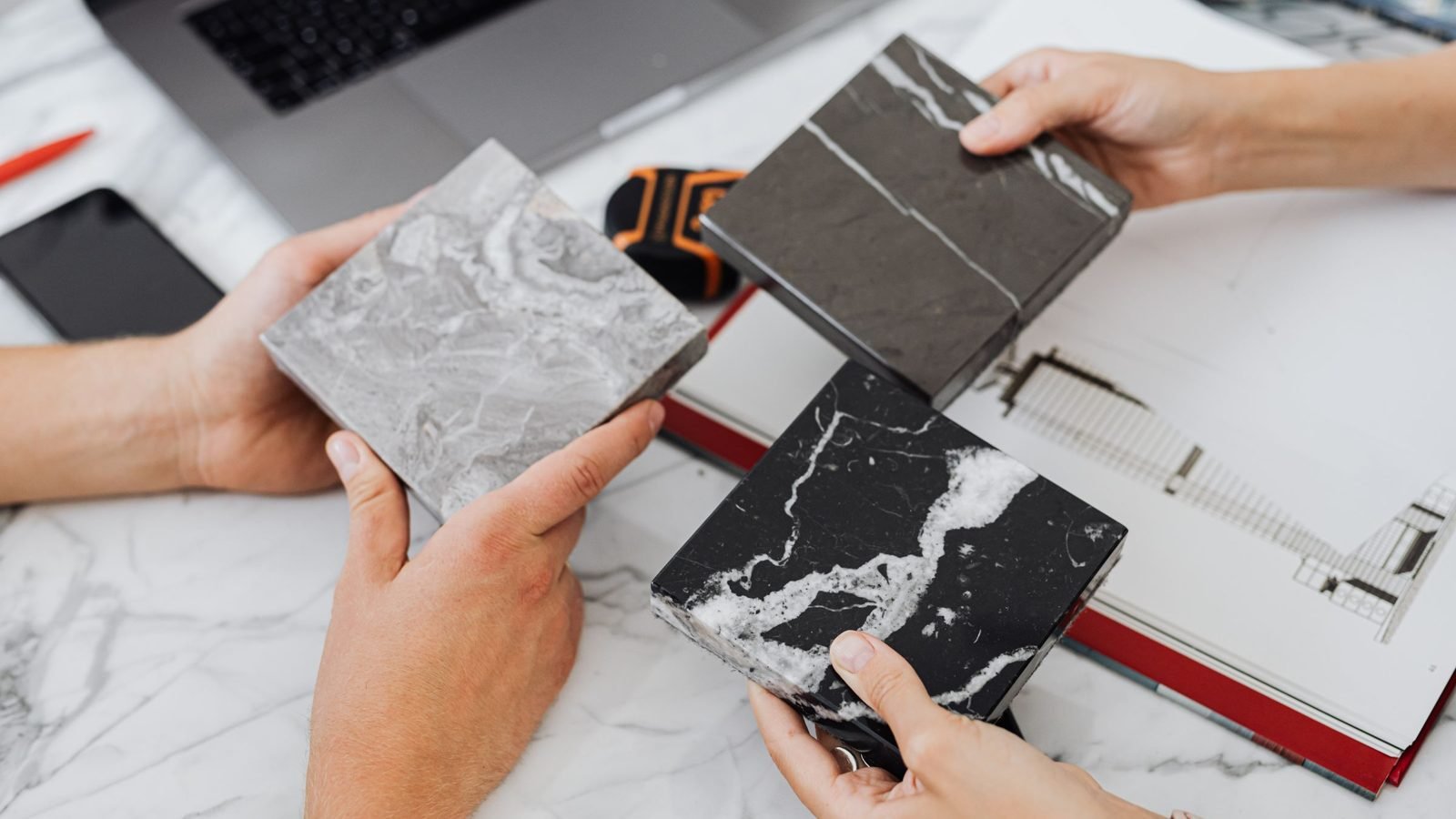
Show the label and information needed to choose
Before filming, prepare the exact product variant being discussed. Similar packaging is not enough: the name, identifier and document must refer to the same product. Show its identification clearly and provide a route to its documentation in the description. Do not expect viewers to read small print on a rapidly moving label.
GUNB explains that a construction product's performance is declared by the manufacturer, with information available in the declaration of performance at the point of purchase. This gives advertising a simple editorial rule: base a statement about a property on documentation for the specific product, not the sample's appearance or the creator's successful renovation.
You do not need to read the document on camera. Show the salesperson pointing out the information relevant to the question and identify its source. Include the full name and any restriction on use in the description if important to the message. If documentation does not resolve the question, end the scene with a need to check, not an improvised recommendation.
Plan for unavailable stock too. Do not substitute a similar product while keeping the original statements about specifications. A different variant requires matching the documents and content again. If the store cannot do this before publication, hold back that version.
Separate the creator's observations from manufacturer declarations
A creator can say a sample is light in colour, show its texture or describe the conversation in the store. These observations do not prove resistance, durability or suitability for every room. “It looks good in my home” describes personal experience. Do not edit it into a promise that “it works everywhere”. A close-up of a finished bathroom is not a test of material properties either.
Prepare an evidence sheet: claim → exact product → document → permitted shot → limitation. This is a suggested editorial template, not a Blogger Bank feature. The store fills it in with the person responsible for product information; the creator uses it to plan scenes. An empty “document” field means the claim needs checking or removing.
Educational example: asking about a material for a damp room
Imagine a customer bringing an inspiration photo and wanting a similar bathroom finish. We are not identifying a real product or an installation method. This example concerns preparing store communications, not technical selection. The inspiration photo shows appearance; it does not confirm that the pictured product suits the intended use.
- Claim: before buying, check the selected variant's declared use rather than choosing by colour alone.
- Exact product: the store enters the full name and identifier of the product it will actually show, not “any board” or “every paint”.
- Document: the responsible person identifies the current manufacturer document and passage relevant to the use discussed. Without it, no promise about properties is made.
- Permitted shot: the creator shows the sample, packaging identification and a conversation about what needs establishing. The salesperson points to the information source rather than staging a “test”.
- Limitation: the video does not determine whether the product suits the customer's particular wall. Assessing conditions and the solution remains the responsibility of someone with appropriate competence.
At approval, compare the sheet with the speech, captions, description and thumbnail. Cautious wording will not help if the title promises “no more moisture problems”. Correct the overall message. Do not try to rescue an overbroad promise with a barely visible note at the end.

Plan safe shots without instructional shortcuts
A shopping video need not show cutting, mixing or applying a product. A conversation by the display, comparing identifiers and pointing to documentation are enough to present the selection process. Do not commission a risky demonstration just because movement looks good in a reel. If the plan requires skilled work, agree filming conditions and limits with a competent person before inviting the creator.
Check what the images imply without words. An edit may look like skipping an important stage; placing packaging beside a finished surface may suggest the result was achieved with that product. Do not combine shots from different projects into an apparent record of one job. Label illustrative material as illustration; describe real work according to what is documented.
A commercial video on a creator's profile should be recognisable as advertising. The UOKiK recommendations explain clear labelling, identifying the promoted brand and using platform tools alongside your own disclosure. Include these in the agreement before filming. Check the mobile version: the disclosure must not disappear beneath captions or app elements.
Connect the video to an enquiry to the store
The ending should explain the next step: “ask about the variant shown and describe your intended use”. The link then leads to the relevant product or store contact page, not a random category. For local sales, specify the branch. If viewers are still gathering information, invite a conversation rather than suggesting that watching the video is enough to choose safely.
Do not ask customers to post their home address or detailed renovation documents in public comments. A general question is enough publicly; information needed to handle it can go through an appropriate store contact channel. Creators should know where to direct technical questions rather than answering independently.
Once rights are agreed, the store can also use the video in its own communications. Google describes Business Profile posts as a way to share updates, photos and videos. Such a post can supplement the offer presentation but does not promise better search rankings. Before publishing, check that the product information is current and the message fits the chosen placement.
Assess results through enquiry content, not just views. Record the contact source, product requested, fit with your range and the conversation's outcome. Separately flag enquiries about products you do not sell and requests for renovation services. If these dominate, revise the video's promise and landing page. More messages alone do not prove higher sales.
How to organise creator collaboration through Blogger Bank
First decide whether you are commissioning a post on the creator's profile or files for the store. In the first case, audience and location fit matter. In the second, focus on product presentation and image and sound quality. Buying a file does not automatically grant permission for every channel: agree placements, duration, editing scope and any paid promotion.
In the brief, describe the customer's question, exact product, filming location, available documents, required scenes and excluded scenes. Add the evidence sheet as your own supporting material. Identify who at the store checks information and who approves the final version. Separate delivery and publication deadlines to allow for this review. The guide on how to write a creator brief helps organise production arrangements.
Post a brief on Blogger Bank and assess applications against the work described. The platform organises brand–creator collaboration: applications, agreements, contracts and secure payment. It does not verify product properties for the store or replace substantive review. The deliverable should be the agreed video or set of files, not an assurance that every viewer will buy.
Start with a description of one use and documentation for one product. Only then commission your first conversation at the shelf.
Frequently asked questions
How can a creator advertise a building materials store?
Commission a video showing material selection for a specific use. Connect the customer's question, a conversation with the salesperson and product identification. Prepare documentation and a contact route without promising a universal renovation result.
Can a video replace a product data sheet?
A video does not replace a product data sheet or manufacturer documentation. It should help viewers understand what to look for and find information about the exact variant. It cannot resolve every condition of use either.
Where should claims about material specifications come from?
Base specification claims on current documentation for the exact product. Match its name and identifier to the document. If the source does not support a planned statement, remove it or resolve the uncertainty before filming the advertisement.
Does a renovation result prove the quality of an entire category?
One renovation result shows a particular project, not the quality of an entire material category. Conditions of use may differ. Separate the creator's account from declared product properties and do not turn personal observations into universal promises.
How can you avoid unsafe instructional content?
Agree permitted and excluded scenes before filming. A shopping video can focus on the display, label and conversation. Skilled work requires a competent person and appropriate conditions; editing should not suggest skipping important stages.
What should you show when customers do not know the product name?
Start with the customer's task and questions for the salesperson, not a catalogue of names. Show what needs establishing about the intended use. An inspiration photo can start the conversation but does not confirm material suitability.
How can you assess enquiry quality after a campaign?
Record the contact source, named product, fit with your range and subsequent conversation outcome. Separate material enquiries from renovation requests. Views and message counts alone do not confirm an increase in store sales.
What should a Blogger Bank brief include?
Include the product, customer's question, documents, filming location, scenes and limitations. Agree substantive review, deadlines and usage rights. Clearly distinguish posting on the creator's profile from commissioning files for the store's own channels.