Short answer
You reach Gen Z most effectively through creators young people already watch and trust: short video, content series, UGC and live streams with a clear goal and creative freedom. On Blogger Bank you describe a task with the age group and format, creators with a young audience apply themselves, the contract is generated automatically, and payment reaches the creator after you accept the material.
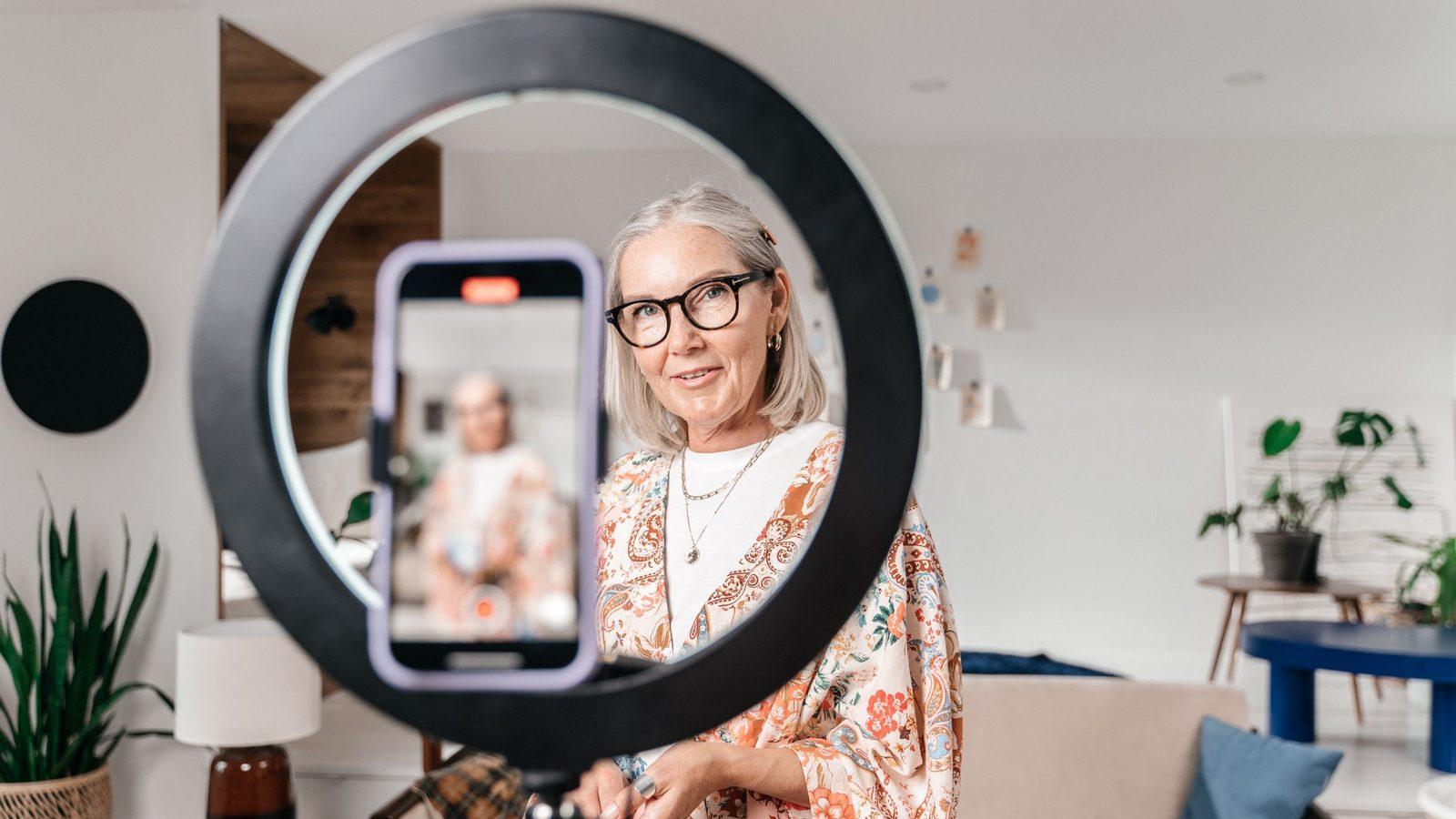
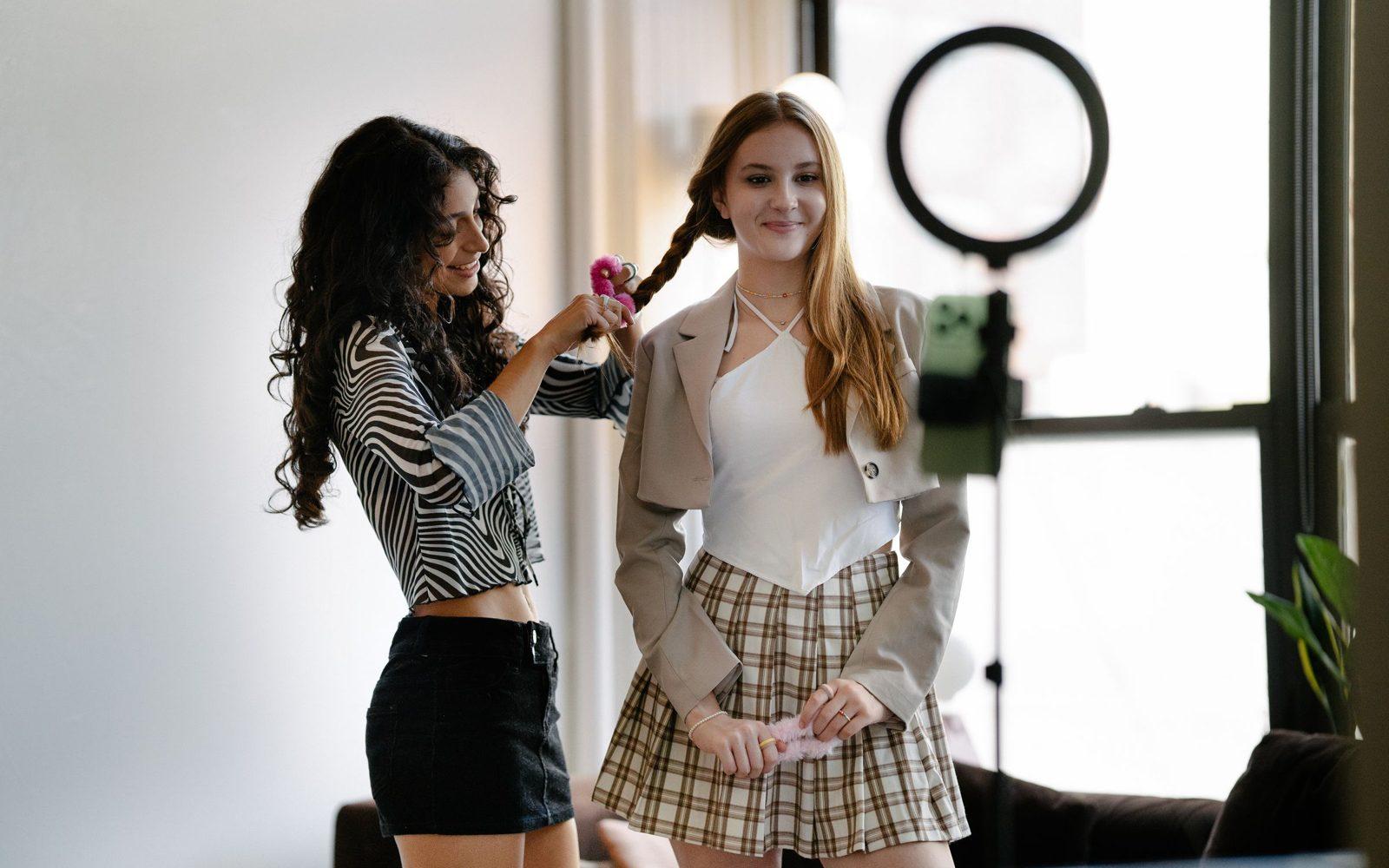
How do you reach Gen Z? The short answer: through the creators these people already watch and trust. Marketing to Gen Z with creators works when a brand doesn't buy "reach" but hands the creator the microphone: they show the product in their own format, in their own words, to their own community. Below we cover who this group is, which formats work best, how to choose creators and how to check whether the campaign worked.
Who Gen Z is and why ads miss them
Pew Research Center defines Generation Z as people born from 1997 onward (Pew Research Center, 2019). It is the first generation that doesn't remember a world without smartphones and social media. For a brand this means two groups in practice: teenagers who don't yet make big purchase decisions, and people in their twenties who are starting work, renting their first flat and choosing brands for years ahead.
Both groups share one thing: they learn about recommendations mostly online. According to a 2025 study by Choreograph (GroupM) for Wavemaker in Poland, 87% of Gen Z consumers discovered a new brand thanks to an influencer's recommendation, versus 72% of all respondents. The same report shows the flip side: the average user follows 47 creators but is genuinely interested in and trusts only 8 of them (Wavemaker, "Influencerzy pod lupą", February 2025). The takeaway: what matters is not follower count but whether the creator belongs to that small, trusted circle.
Age alone does not tell you which references to the past viewers will recognise. Before choosing props, explore how to test associations in nostalgia marketing rather than assigning the same memories to an entire generation.
Why creators rather than classic advertising
A banner or pre-roll interrupts what the viewer wanted to watch. A creator's video is what the viewer wanted to watch. The difference is context: the recommendation comes from someone the viewer follows by choice, in a format they know, with comments where they can ask questions. For Gen Z, who skip ads easily, this is often the only way a brand gets noticed at all.
Honesty matters too. In the same Wavemaker study, 63% of Gen Z and Millennial respondents said they had unfollowed an influencer because of unethical behaviour. Young viewers quickly sense forced enthusiasm and hidden advertising, so content should always be clearly labelled as advertising, and the creator should have freedom in how they talk about the product.
Formats that reach Gen Z
Short vertical video
TikTok, Reels and Shorts are this group's natural habitat. Live product tests, comparisons, "get ready with me", 30-second recipes or gadget unboxings work well. The first seconds decide whether the viewer stays, so the product should appear early and in real use.
A series instead of one post
One publication rarely does the job. Several pieces from the same creator – a teaser, a test, conclusions after a week – build credibility because viewers see the creator really uses the product. We explain why a single post isn't enough in our article on content marketing with creators.
UGC for the brand's own channels
Content creators film in the style of an ordinary user can be published on the brand's channels or used in ads, provided the contract covers the necessary rights. To Gen Z such an ad looks like a recommendation from a peer, not a catalogue.
Live and Q&A
A live stream where the creator answers viewers' questions about the product gives young people what they value most: the chance to ask directly and see the answer unedited.
How to choose creators for a Gen Z campaign
- Start with the audience, not a name. Define your target group: age, city, interests. High-school and university students are a different audience from young professionals.
- Search by topic. Young people watch creators about what interests them: fashion, gaming and tech, food, sport, learning or travel. A creator from a niche where your product fits naturally persuades better than a popular generalist.
- Look at engagement and comments. Engagement rate and the content of comments say more than follower count: do viewers talk to the creator, ask about recommended items, come back?
- Check whether the creator belongs to the group. A peer speaks the audience's language without translation.
- Combine several creators. Several creators with smaller, engaged communities give broader and more varied reach than one person.
The brief: creative freedom plus a clear goal
The most common brand mistake is a word-for-word script. A good brief states the goal (e.g. store visits or app downloads), the key message, what not to say, deadlines and how the ad is labelled. It leaves the form to the creator, who knows what works with their viewers. You'll find a ready structure in our guide on how to write a brief for a creator.
How to measure whether you reached Gen Z
Reach and views show how many people saw the content, but not whether anything changed. Before launch, pick one main metric: discount codes assigned to creators, UTM-tagged links, sign-ups or app downloads. Alongside that, read the comments – questions about price, availability or size signal real interest. Audience statistics from the creator show what share of viewers is actually in the age group you wanted to reach.
If your goal is not sales but attracting young job candidates, that's a different topic – we cover it in our article on employer branding with influencers.
How Blogger Bank helps brands reach Gen Z through creators
A campaign for a young audience needs many creators, quick decisions and order in contracts. On Blogger Bank the whole collaboration cycle happens in one place:
- Instead of manually hunting for creators with a young audience – you describe the task: product, age group, format and deadline, and creators apply themselves.
- Instead of guessing who watches a creator – you browse profiles creators fill in themselves, with connected social accounts, not data scraped from the web.
- Instead of negotiating a contract with each creator separately – the contract with the chosen creator is generated automatically.
- Instead of paying upfront for content you haven't seen – secure payment reaches the creator after you accept the material.
- Instead of dozens of email threads in a campaign with many creators – chats, contracts and terms of a large campaign live in one dashboard.
Browse the influencer catalogue by niche and city. Create a brand account and describe in your first task which part of Gen Z you want to reach.
Frequently asked questions
How can you reach Gen Z through influencer marketing?
Start with a specific audience, not an entire generation. Choose a creator whose viewers match your customers’ age, interests and location. Set a collaboration goal, match the format to the product and review results before expanding the campaign.
How do you find an influencer for a campaign targeting Gen Z?
Check the profile’s topics, audience age and location statistics, and comment quality. Ask for current audience data. On Blogger Bank, you can describe an assignment that creators apply for themselves. Assess each application for audience fit.
TikTok, Instagram or YouTube: where should you run a Gen Z campaign?
Choose a channel based on the individual creator’s audience and how you want to present the product. Short videos can demonstrate use, longer videos explore a test, and livestreams answer questions. Do not assume an entire generation uses one platform.
How do you prepare a brief for an influencer who reaches young audiences?
Describe the audience, goal, product, required information, format, deadline and approval rules. Agree on advertising disclosure and content rights. Give the creator freedom over language and presentation instead of imposing an artificial, word-for-word script.
Does an influencer have to belong to Gen Z to reach this audience?
No. A creator’s age is no substitute for audience data. Check who actually watches their content, which topics spark discussion and whether the product fits the profile. Someone the same age as the audience is not automatically the best choice.
Does working with an influencer guarantee sales among Gen Z?
No. Results also depend on product fit, price, availability and the purchasing process. A post can build interest without immediate sales. Before the campaign, define the action you want the audience to take and how you will measure it.
How do you measure the results of influencer campaigns targeting Gen Z?
Set a main goal: sales, enquiries, registrations or product interest. Use tagged links, creator codes and store data. Check the audience breakdown. Sales attributed to a code do not prove that every purchase resulted from the campaign.
How does influencer advertising differ from a joint product with a creator?
Advertising promotes a brand’s existing offering. A joint product involves the creator in developing or endorsing an offering. It requires additional agreements on image rights, responsibilities, quality and financial arrangements. Do not treat it as a standard content commission.