Dropshipping: What It Is and How to Promote Your Store with Creators
Short answer
Dropshipping is selling without a warehouse: the store takes the order and the supplier ships to the customer. Since many stores sell the same product, base promotion on creators: UGC videos instead of supplier photos, unboxing and discount codes. On Blogger Bank you describe a task, creators apply on their own and the contract is created automatically.
Dropshipping is a sales model in which an online store does not keep products in stock: it takes the order and the payment, and the product is shipped to the customer directly by a supplier, wholesaler or manufacturer. For the owner this means a low entry barrier, but also harder promotion — the same product is often sold by a dozen stores and by large foreign marketplaces. Below we explain how dropshipping works and how to promote a dropshipping store with creators so that customers buy from you.
How dropshipping works
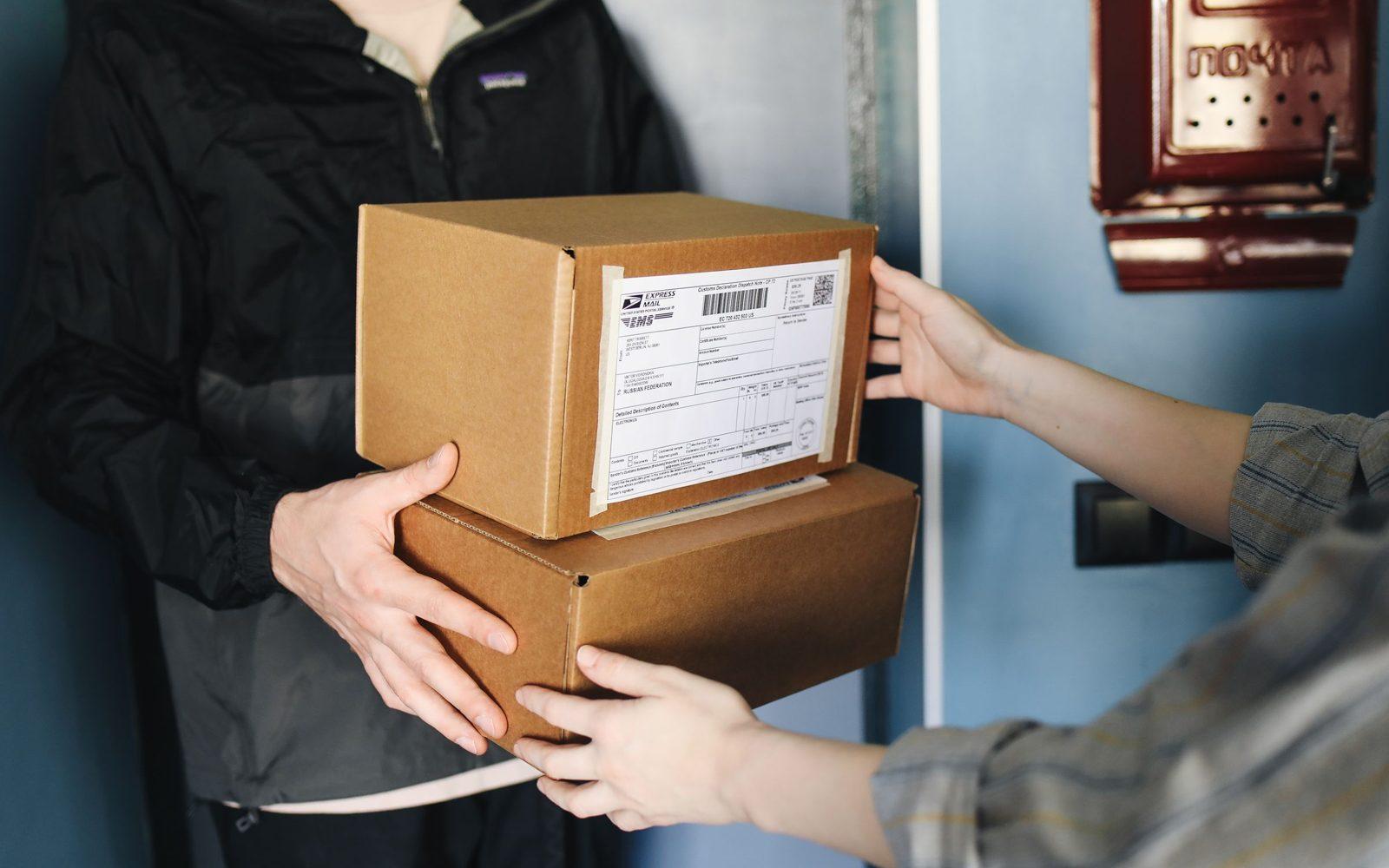
The setup is simple. A customer orders and pays in your store. You pass the order to the supplier and pay the wholesale price. The supplier packs the parcel and ships it to the customer, and you earn the price difference. Shopify describes dropshipping as selling products without storing inventory or shipping them yourself (Shopify Help Center).
One thing matters for promotion: to the customer, your store is the face of the transaction. In its notice on dropshipping, Poland's consumer protection office UOKiK reminds shoppers to check in the terms who the seller is, and stresses that the seller is responsible for the goods offered (UOKiK). Every promise in your ads — quality, delivery time, how the product looks — is on you, even if you never touch the parcel.
Why a dropshipping store needs creators even more than a regular shop
We covered the general rules of shop–influencer cooperation — models, parcels, links to product pages — in influencer marketing for an online shop. A dropshipping store, however, has three problems that classic e-commerce does not face on the same scale.
- The same product is everywhere. According to Gemius' “E-commerce in Poland 2025” report, 41% of Polish internet users say they shop on foreign websites (Gemius, 2025). A customer who sees your product can look for it on a big marketplace. A creator gives them a reason to buy from you: shows the product in use, answers questions and recommends a specific store.
- Everyone has the supplier's photos. Product pages in many stores look identical because they use the same wholesaler photos. Your own videos and photos from creators set your offer apart and give you material for ads.
- Customers are cautious. UOKiK advises checking seller details, reviews and how consistent they are over time, and delivery time, noting that under EU rules goods should arrive within 30 days (UOKiK). An honest review from a creator who ordered and received the parcel shows exactly what the customer is looking for.
Step 1: order the product to yourself before you send it to a creator
In dropshipping it is easy to promote something you have never held. That is the biggest risk of a campaign. Before inviting creators, place a normal order in your store to your own address and check three things: how long delivery really takes, what condition the parcel arrives in, and whether the product looks like it does in the photos.
This test also sets the campaign schedule. If the supplier ships from far away, count the publication date in the brief from the day the creator actually receives the product, not from the order date. For seasonal products, order early so the content does not go live after the season.
Step 2: choose a format that solves the dropshipping problem
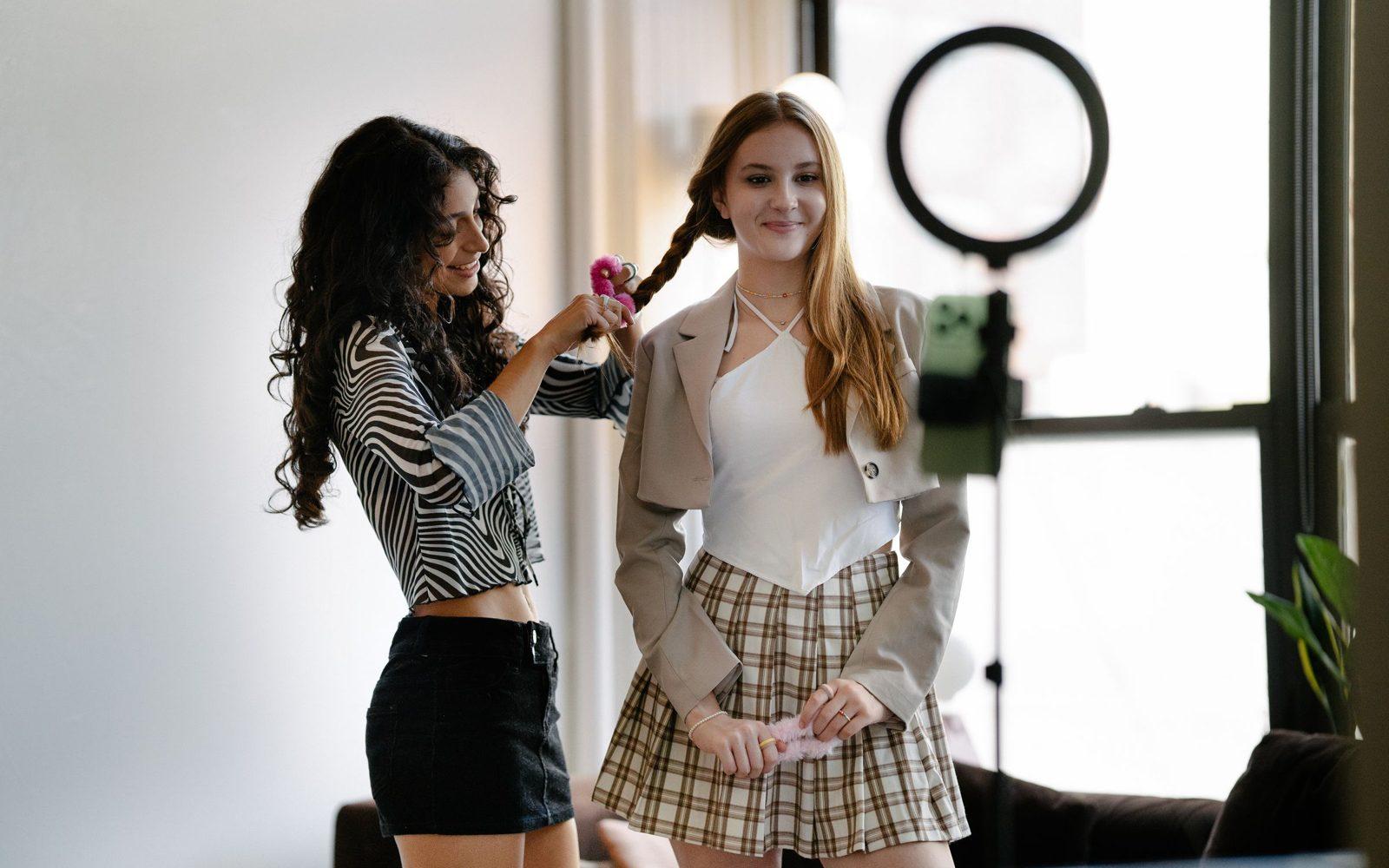
- UGC for product pages and ads. A creator records a video or takes photos, and you publish them on your own channels. This replaces the supplier's photos with your own — how to order them is covered in our article on product photos from UGC creators. Our glossary explains what UGC is.
- Unboxing. An unboxing recorded by a creator who received the order shows the real packaging and the product's condition. It directly answers a customer's concerns about a store they do not know.
- Discount code or commission link. With thin margins, paying for sales is convenient. We explain the rules in our article on a creator affiliate program.
- Testing several products at once. A dropshipping store can change its range quickly, so it pays to order a few short videos for several products and see in ads which one sells. How to do it is described in UGC creative testing in paid ads.
Step 3: match creators to the product category
Dropshipping most often covers products that look good in a short video: home and kitchen accessories, electronic gadgets, pet accessories, small personal care items. Look for creators who cover the topic every day — for example home influencers for organisers and decor, electronics creators for gadgets, or pet creators for dog and cat accessories. Topic fit matters more than follower count.
Step 4: agree on what the creator says about delivery and quality
The most common mistake is content that promises more than the supplier can deliver. In the brief, give the creator the real delivery time, the product's materials and specifications, and ask them not to promise “next-day delivery” if the store does not offer it. A disappointed customer will leave a review that the next shoppers will see. Content created in a collaboration is always labelled as an ad. How to prepare a good task is covered in how to write a brief for a creator.
How Blogger Bank helps you promote a dropshipping store with creators
A dropshipping store owner usually works alone or in a small team and tests many products at once. On Blogger Bank the whole collaboration cycle with creators happens in one place:
- Instead of messaging creators one by one — you describe the product and the content you need in a task, and creators it suits apply on their own.
- Instead of guessing who fits the product — you browse profiles that creators fill in themselves, not data scraped from the web.
- Instead of agreements in chat messages — the contract with the chosen creator is created automatically, so the scope and the rights to use content on product pages and in ads are recorded from the start.
- Instead of paying upfront and hoping for content — secure payment goes to the creator after you accept the content.
- Instead of chaos when testing many products — conversations, contracts and terms with many creators are handled in one dashboard.
See who you can invite to your first campaign in the influencer catalogue. Create a brand account and describe the product you want to promote in your first task.
Frequently asked questions
What is dropshipping?
Dropshipping is an online sales model in which the store does not keep products in stock. It takes the order and the payment, and a supplier, wholesaler or manufacturer ships the product directly to the customer. The store earns the price difference.
How do you promote a dropshipping store?
Most effectively through creators who show the product in use: UGC videos for product pages and ads, unboxing videos and discount codes. Before inviting creators, order the product to yourself and check the delivery time and quality.
Who is responsible for the goods in dropshipping?
According to Poland's consumer protection office UOKiK, the seller is responsible for the goods offered, which is usually the store where the customer orders, not the supplier shipping the parcel. So every promise in a dropshipping store's ads falls on its owner.
Why does a dropshipping store need creators?
The same product is often sold by many stores and big marketplaces, and product pages use identical supplier photos. A creator shows the product in use, builds trust in an unfamiliar store and provides original content that sets the offer apart.
Should a creator get the product straight from the supplier?
First order the product to your own address and check the delivery time, the parcel's condition and whether it matches the photos. Only then invite creators. Count the publication date in the brief from when the creator actually receives the product.
Which creator collaboration format works for dropshipping?
Good options are UGC videos and photos for product pages and ads, an unboxing by a creator who received the order, a discount code or commission link when margins are thin, and short videos for testing several products in ads.
What can a creator say about delivery in a dropshipping store's ad?
Only what the store really provides. In the brief, give the real delivery time, materials and specifications. Content that promises faster delivery or better quality than reality leads to disappointed customers and negative reviews that future shoppers will read.
Where can a dropshipping store find creators to work with?
On Blogger Bank you describe the product and the content you need in a task, and suitable creators apply on their own. The contract with the chosen creator is created automatically, and secure payment reaches them after you accept the content.