Singles' Day 2026: A Creator Campaign Step by Step
Short answer
Start your Singles' Day 2026 creator campaign about two weeks before 11 November: choose products and the discount, then creators with a matching audience, and split posts into a teaser and a reminder on promotion day. Each creator gets their own code and UTM link. On Blogger Bank you describe the task, creators apply themselves and the contract is generated automatically.
A Singles' Day 2026 campaign with creators works best when you start it about two weeks before 11 November: first you choose the products and the offer, then creators with the right audience, and finally you decide who publishes the teaser and who posts the reminder on the day itself. Each creator gets their own discount code or link, so after the campaign you can see who actually drove sales. This year 11.11 falls on a Wednesday, which gives you a full week to warm up the audience and a mid-week shopping day.
Where Singles' Day comes from and why it reached Poland
Singles' Day was born in China. According to the most commonly cited version, it was invented in 1993 by students at Nanjing University, and the date 11.11 – four ones – was meant to symbolise people without a partner (Wikipedia: Dzień Singla). The student joke became a shopping day in 2009, when Alibaba's Tmall platform ran a large online sale on that date. Since then 11.11 has been associated mainly with online promotions rather than with being single.
In Poland, Singles' Day has caught on mostly as a slogan of online shops and shopping apps. It also has a local twist: 11 November is Polish National Independence Day, a statutory day off work (Act on public holidays). For a brand this means a day when many people have time to scroll their phones, but also plenty of competing content: anniversary, family and travel posts. Your creator messaging has to reach viewers earlier, before someone else does.
Why creators suit an 11.11 campaign
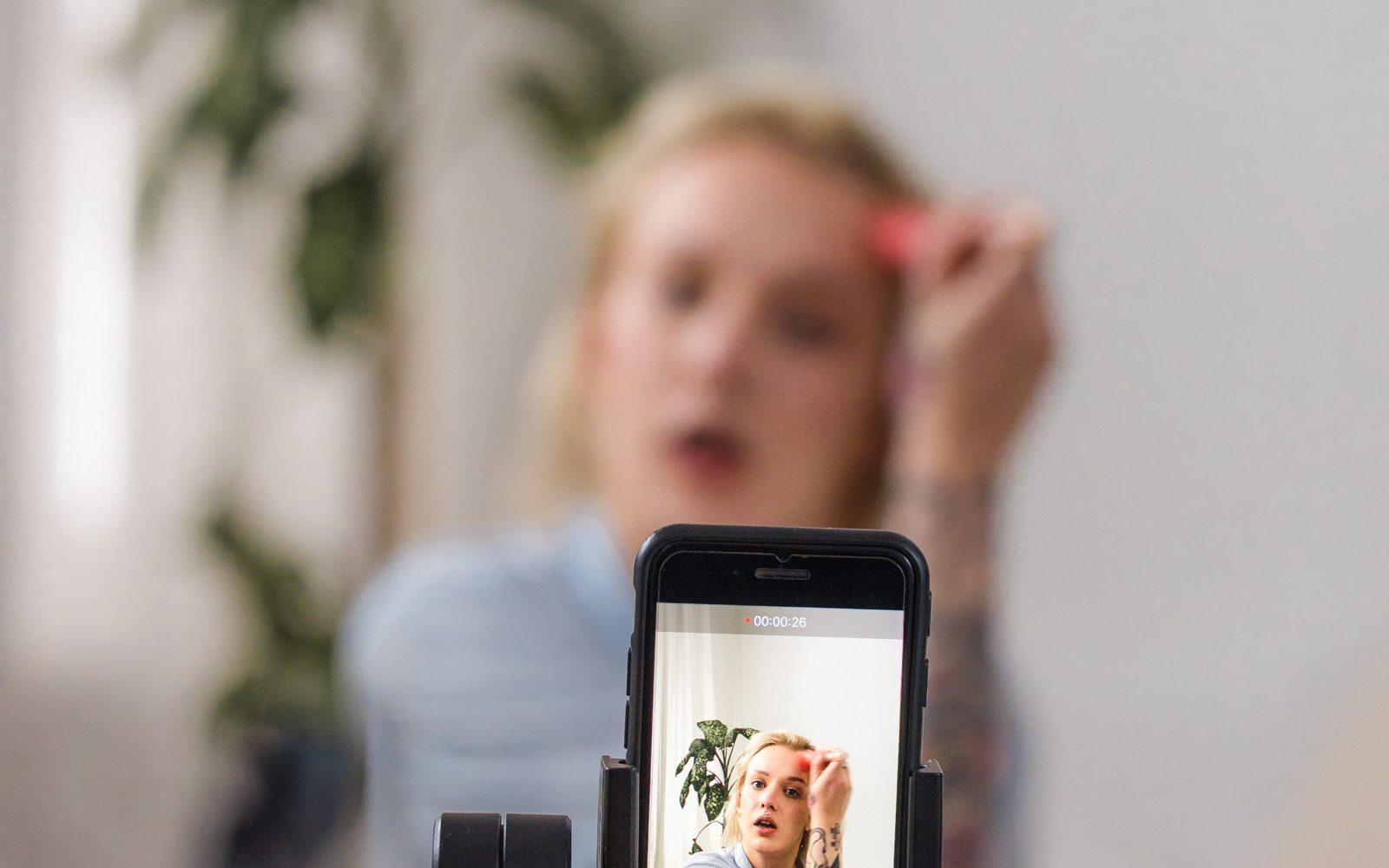
Singles' Day is a short, loud promotion. Within a few days a customer sees dozens of emails, banners and notifications with discounts. A brand ad gets lost in that noise because it looks like every other one. A creator works differently: viewers watch them by choice, know their taste and remember what they recommended before. When a creator shows your product in an everyday situation and adds a personal code, the discount stops being one of many and becomes a recommendation from someone familiar.
The second reason is practical. A short promotion requires the viewer to remember the offer before shopping day. A creator can talk about the product a week earlier, remind viewers the day before 11.11 and come back on Wednesday itself with a “the code still works” story. That rhythm is hard to build with paid ads alone.
Which product categories sell on Singles' Day
Singles' Day has no single “right” category, but some product groups naturally fit its mood – buying for yourself, small treats and early pre-Christmas gifts.
- Cosmetics and skincare. Sets, new launches and “treat yourself” products are easy to present as a routine or a test. Creators from the beauty and skincare niche help here.
- Fashion and accessories. Outfits, try-ons and shopping hauls make viewers feel they are buying something tested. It is worth browsing fashion creators whose audience matches your age group.
- Electronics and accessories. Headphones, gadgets and home devices are often bought on sale, but after watching a review. An honest test by electronics creators answers the questions customers will ask anyway.
- Pre-Christmas gifts. Some people use 11.11 for early Christmas shopping. Gift sets, vouchers and present-friendly products are worth showing in exactly that context.
- Small pleasures and hobbies. Books, board games, coffee or sports accessories – things we buy “because we deserve it” – fit the playful tone of Singles' Day.
Before choosing a category, check your own data: what sold well for you last November and which products have enough stock. A creator campaign for a product that runs out on promotion day does more harm than good.
Timeline: two weeks before 11.11
Two weeks is the minimum that leaves time to choose creators, film and approve content. If you are also planning Black Friday, treat Singles' Day as the first stage of the same autumn series – the broader plan is in our calendar of creator campaigns for Black Friday and Christmas. Below is a plan counted back from Wednesday, 11 November 2026.
- 28 October: decide on the offer. Choose the products, the discount and how long the promotion lasts. Decide whether the code works only on 11.11 or for several days.
- 29–30 October: brief and task. Describe the product, target group, format, publishing dates and approval rules. One clear document saves dozens of questions later.
- 31 October – 2 November: choose creators. Review applications and profiles, check comments under recent content and audience fit. Pick one or two backups as well.
- 3 November: ship products and codes. Each creator receives the product, their own code or link and publishing dates.
- 4–7 November: filming and approval. Collect content for approval with some slack. One person on the brand side handles feedback so revisions don't drag on.
- 8–10 November: teaser. Creators show the product and say there will be a code on 11.11. This is the time for reviews, tests and showing the product in use.
- 11 November: promotion day. Short reminders in stories: the code works, the link is below, here is how much time is left.
- 12–18 November: wrap-up. Collect code and link data, compare creators and decide whom to continue with for Black Friday.
Formats that work in a Singles' Day campaign
The best format shows the product in use and leaves viewers a simple path to purchase. These work particularly well:
- Short videos on TikTok and Reels. A test, first impressions, “what I'd buy on 11.11” or a round-up of three products. Short, with the code on screen and in the caption.
- Stories with a link. Ideal for a reminder on promotion day. They can include a countdown and a direct product link.
- The creator's shopping list. The creator shows a few things they want to buy on Singles' Day, and your product is one of them. It sounds natural and fits the character of the day.
- A gift to yourself. A playful nod to the idea of Singles' Day: “I'm not waiting for anyone, I'm buying it for myself.” It suits cosmetics, fashion and small treats.
- UGC for ads. Some creators can film material you then use in paid ads for 11.11. State that usage right in the task up front.
You don't have to combine every format. In a small campaign, one teaser video and one stories reminder from each creator are enough.
Discount codes and links: preparing the offer
A discount code assigned to one creator is the simplest way to know where sales came from. A few rules make life easier:
- One creator, one code. Ideally with the creator's name or handle and a nod to the date, e.g. ANIA1111. Easy to remember and to attribute.
- Code plus a UTM link. Some people type the code, others click the link. A UTM-tagged link shows traffic and purchases in your shop analytics.
- Clear terms. Write down which products the code covers, from when to when, and whether it combines with other offers. The creator must be able to repeat this in one sentence.
- Honest pricing. In Poland, when you announce a price reduction you must show the lowest price from the 30 days before it (UOKiK) – check this in your shop before the creator publishes.
If you want to pay creators per sale from their code rather than a fixed fee, read how an affiliate programme with creators works: links, codes and payouts. Creators always label advertising content as a collaboration.
What to put in an 11.11 campaign brief
With a short promotion the brief has to be specific. Include:
- the product or set you are promoting and why it is worth buying on 11.11;
- the discount, the creator's code, the link and the validity period;
- publishing dates: teaser, promotion day and an optional last reminder;
- format and platform: video, stories, number of pieces;
- what not to say – for example product claims you cannot back up;
- the deadline for submitting content for approval and who approves it;
- rules for further use of the content if you want to run it in ads.
Leave the creator freedom in how they tell the story. They know what works for their viewers, and an overly rigid script sounds like an ad people scroll past.
How to measure a Singles' Day campaign
Measure the whole campaign window, not just 11 November. Teasers published a few days earlier build interest that turns into purchases only on promotion day – or after it.
- Sales from each creator's code – number and value of orders.
- Traffic from UTM links – visits, add-to-carts and purchases in shop analytics.
- Conversion rate – how many visitors from a creator's link placed an order.
- New customers – whether the code attracted people who had not bought from you before.
- Cost per order – total collaboration cost divided by orders from the code.
Remember that some viewers will see the content and buy without the code or later. So also compare total sales in the campaign window with a similar period without a promotion. More on reading this data in how to measure the results of a creator campaign. The 11.11 results are also the best hint about whom to work with for Black Friday a couple of weeks later.
Common mistakes in a Singles' Day campaign
- Starting a few days before 11.11. Creators already have their posts planned, and there is no time left for approval.
- One code for everyone. After the campaign you don't know who sold, and you have nothing to base Black Friday decisions on.
- Only one post on the day itself. Without a teaser, viewers don't have time to remember the offer.
- Too little stock. A product missing on promotion day turns the attention a creator earned against the brand.
- Unclear discount terms. If the creator can't explain them in one sentence, viewers won't understand them either.
How Blogger Bank helps you prepare a Singles' Day campaign
In an 11.11 campaign, time is the most valuable resource. On Blogger Bank the whole collaboration cycle with creators happens in one place, so two weeks are enough to get ready:
- Instead of a week of searching for creators and messaging each one separately – you describe the task: product, code, format and publishing dates, and creators apply to it themselves.
- Instead of guessing who has the right audience – you browse profiles that creators fill in themselves, not data scraped from the web.
- Instead of negotiating a contract with every creator right before the promotion – the contract is generated automatically.
- Instead of paying up front for content you haven't seen yet – secure payment reaches the creator only after you accept the content.
- Instead of a spreadsheet of codes, deadlines and threads across several messengers – chats, contracts and terms of a large campaign are handled in one panel.
Browse the influencer catalogue by niche and city. Create a company account and publish your Singles' Day 2026 task before creators fill up their November calendars.
Frequently asked questions
When is Singles' Day 2026?
Singles' Day falls on 11 November every year, and in 2026 it is a Wednesday. In Poland the same date is National Independence Day, a statutory day off work, so many people have time for online shopping.
Where does Singles' Day come from?
Singles' Day began in China. According to the most popular version, students at Nanjing University invented it in 1993, and since 2009, thanks to a sale on Alibaba's Tmall platform, 11.11 has been associated with online promotions.
When should you start preparing an 11.11 creator campaign?
Ideally about two weeks ahead. That margin lets you set the offer, write a brief, choose creators, ship products, approve content and publish teasers a few days before 11 November rather than only on the day itself.
Which products sell best on Singles' Day?
Good fits include cosmetics and skincare, fashion and accessories, electronics and gadgets, gift sets bought ahead of Christmas and small hobby treats. When choosing products, also check your own November sales and how much stock you have.
Which creator formats work in a Singles' Day campaign?
Short TikTok and Reels videos with a product test work best, along with stories with a link on promotion day, the creator's shopping list and a playful gift-to-yourself format. UGC can also be reused in ads.
Should every creator get their own discount code?
Yes. A separate code for each creator, combined with a UTM-tagged link, shows who actually brought in orders. One shared code makes it impossible to compare creators and pick the best ones for the next campaign, such as Black Friday.
How do you measure a Singles' Day creator campaign?
Count orders and their value from each creator's code, traffic and purchases from UTM links, conversion and new customers. Measure the whole campaign window, including teasers, and compare sales with a similar period without a promotion.
How can you quickly find creators for an 11.11 campaign?
On Blogger Bank you describe the task with the product, code, format and dates, and creators apply themselves. Creators fill in their own profiles, the contract is generated automatically, and secure payment reaches the creator after you accept the content.