How to become a model and get jobs from brands
Short answer
To become a model, take polaroids without make-up or filters, measure yourself, make a comp card and apply to several reputable agencies. At the same time work freelance: shoots with photographers, product photos and videos for brands. On Blogger Bank you create a creator profile and apply yourself to paid brand tasks.
How do you become a model? Start with simple photos without make-up or filters (so-called polaroids), take your measurements and send applications to several reputable model agencies. At the same time you can work freelance: shoot with photographers, pose for product photos and record videos for brands. The freelance route is also open to people who don't meet runway requirements.
Which kind of modelling to choose
“Model” today covers several different jobs, each with its own requirements. Before you send any photos, decide which way you are going, because it determines who you apply to and what photos you prepare.
- Fashion and runway modelling. Shows, fashion house campaigns, magazine editorials. This segment has the strictest height and measurement criteria and is almost always run through agencies.
- Commercial modelling. Ads, catalogues, online shop photos, banners and packaging. What counts is a natural look, the ability to act out emotions and whether the audience can relate to you. People of different ages, body types and heights work here.
- Photo modelling. Shoots with photographers, portraits, portfolio work for photographers, stylists and make-up artists. Often the first experience in front of the lens.
- Parts modelling. Hands, feet, hair, smile — photos of jewellery, nail products or toothpaste.
- Social media modelling and UGC. Photos and short videos for brands showing a product in use. The material goes to the brand's profile, online shop or ads. It is the fastest-growing part of the market and the easiest to start without an agency.
These paths don't exclude each other. Many people start with shoots and commercial jobs and only look for an agency once they have a portfolio.
Model agency or going it alone
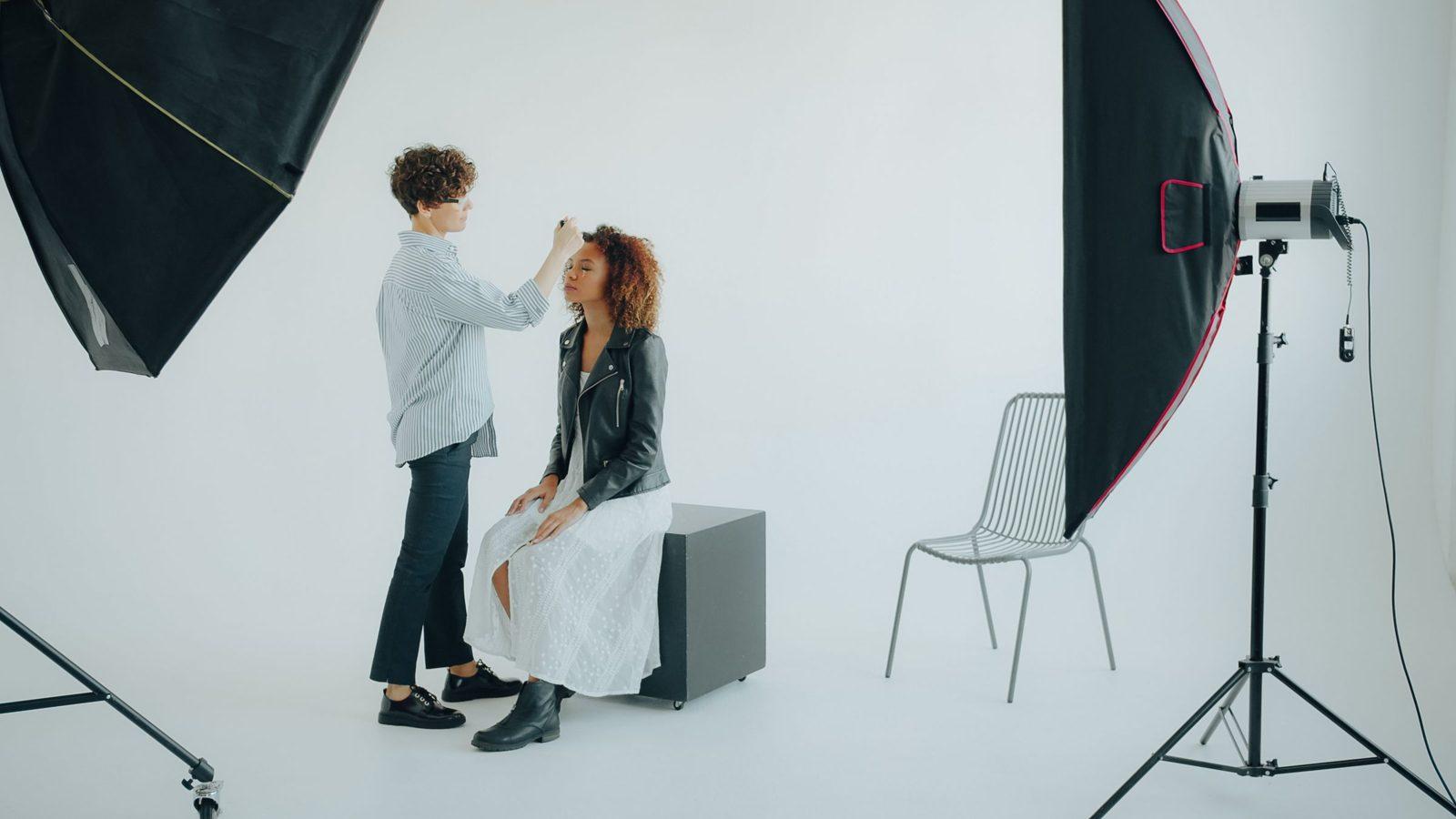
An agency finds jobs for you, negotiates terms, invoices clients and manages your career. In return it takes a commission on bookings and usually expects exclusivity in a given market. It is the best route into fashion and big campaigns, because clients there mostly find faces through agencies.
Working freelance means you find jobs yourself, set terms and chase payments. You have full control and choose who you work with, but also more admin: contracts, deadlines, invoices. Freelancing works well in commercial and photo modelling and in online collaborations with brands.
How do you apply to an agency? Most agencies have a “become a model” form or an email address for submissions. They usually ask for a few polaroids, your measurements, age, height and city. Apply to several agencies at once and only respond to specific invitations to meet — an open call or casting at the agency's office.
Before you sign a contract, read it calmly at home. Check its duration, exclusivity, commission, settlement rules and who covers costs such as photos or travel. If an agency in Poland acts as a job intermediary, you can check its entry in the National Register of Employment Agencies (KRAZ). According to the Polish Ministry of Family, Labour and Social Policy, an entry in this register is a condition for running an employment agency.
Polaroids: where every application starts
Polaroids, also called digitals, are simple photos with no retouching, filters or heavy make-up. They show what you really look like. Industry outlet Backstage describes them as raw images that let agencies and casting directors see a model's natural features. They used to be taken with an instant camera; today a phone is enough.
How to take good polaroids at home:
- Background. A plain, light wall with no furniture or decorations behind you.
- Light. Soft daylight, ideally by a window. No flash and no harsh sun on your face.
- Clothes. Fitted and plain: a black or white top and jeans. Clothes should show your figure, not distract from it.
- Face. No make-up or very light make-up, hair pulled back so your face shape is visible.
- Shots. Straight-on portrait, both profiles, waist-up and full length from the front, side and back. Plus one smiling and one neutral.
Update your polaroids whenever you change your haircut, hair colour or figure. The agency and client need to know who will turn up on set.
Portfolio and comp card
A portfolio, called a book in the industry, is a selection of your best professional photos. Unlike polaroids, it can include styling, make-up, different moods and locations. You don't need an expensive shoot to start. A few good frames are enough: a portrait, a full-length shot, one in motion and one where you show a product, such as a cosmetic, a garment or a gadget.
Many people get their first portfolio photos through TFP (time for print or time for photos): the photographer, make-up artist and model work unpaid and everyone gets images for their own portfolio. Before the shoot, agree in writing how many photos you will get, when, and where each party may publish them.
A comp card, also called a zed card or sedcard, is a model's business card. The British Fashion Model Agents Association describes it as a card with at least two photos in different poses and looks, with your name, agency details and measurements, left with the client after a casting. If you work without an agency, make one yourself: one strong front photo, a few smaller ones on the back, height, measurements, clothing and shoe size, eye and hair colour, and contact details. Send the PDF by email and add a link to your social media profiles.
Requirements: do you need a certain height and measurements
It depends on the segment. In fashion and runway, agencies set firm height and measurement criteria that vary between markets and agencies — check them on specific agencies' websites, not on random lists. In commercial modelling, photo modelling and online brand jobs such thresholds usually don't exist. A cosmetics brand looks for skin and a smile, a sports brand for an athletic build, a children's clothing shop for parents with children.
More important than measurements are punctuality, taking direction on set, natural facial expressions and looking after yourself. Practise posing in a mirror and film yourself on your phone. You'll see which angles and expressions come across naturally.
Minors need their parents' consent, and children under 16 in Poland — according to the EURES portal — also need a labour inspector's permit to work in advertising or artistic activity.
Where to find modelling jobs
Modelling work rarely comes from one place. Most jobs come from:
- Model agencies — fashion, campaigns, shows.
- Casting agencies and casting calls — TV and online ads, catalogue shoots. We explain how to prepare in our guide on how to apply for ad castings.
- Photographers, stylists and make-up artists — portfolio shoots, first industry contacts.
- Local businesses — boutiques, beauty salons, cafés and fitness studios that need photos for their website and social media.
- Online brands — product photos, video and social media content. Here it's not just about looks but also about whether you can present a product on camera.
Every job means new portfolio photos and another person who can recommend you.
Commercial modelling and UGC: jobs straight from brands
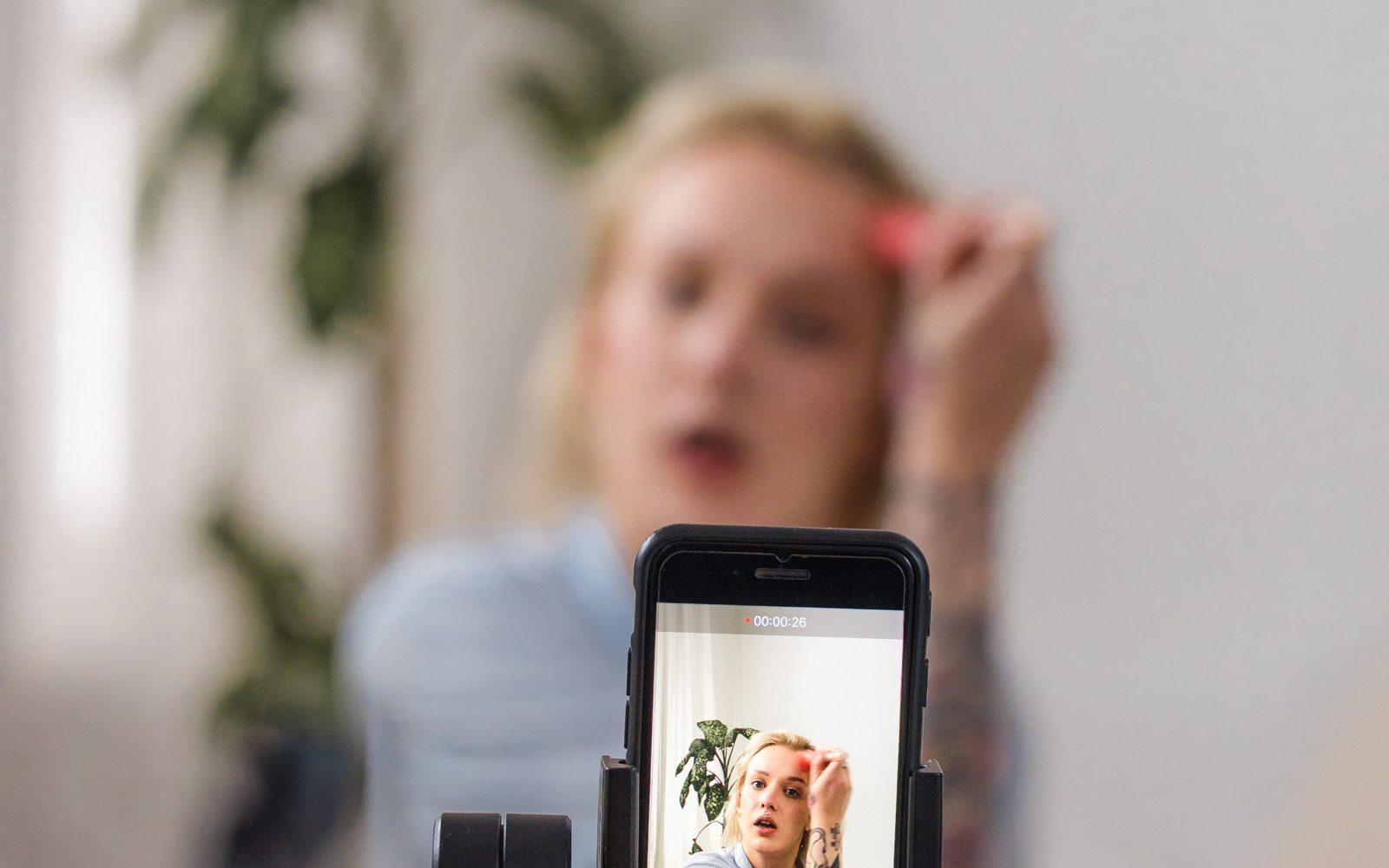
Brands need more and more photos and short videos featuring people: for online shops, Instagram, TikTok and ads. This content, created by creators on a brand's order, is UGC. The UGC creator entry in our glossary explains the role. For a model it is a natural extension of the job: instead of posing in a studio, you show a product in an everyday situation, often at home and on your phone.
Most such jobs are where looks and product presentation matter most. See what creator profiles look like among fashion influencers, and check what beauty and cosmetics brands look for. Your figure and movement also help in jobs from sports brands and the health and fitness category.
To get into this segment, learn a few things: shooting vertical video on a phone, talking to camera, good light at home and a short script. You'll find a plan for the first days in our article on how to start UGC without experience or gear.
With brand jobs, agree upfront where and for how long the brand may use material featuring your image. Article 81 of the Polish Copyright Act says that if you received the agreed payment for posing, consent to distribute your image is not required unless you expressly reserve otherwise — so put the scope of use in the contract.
How to spot a fake “model agency”
Modelling attracts scammers because many people dream of a career in front of the camera. Polish police have described, for example, a man who took money for a photo shoot he never delivered. Be careful when someone:
- Demands an upfront fee for “joining a database”, a “mandatory shoot” or a “course before signing”. A reputable agency earns from bookings, not from candidates.
- Promises guaranteed contracts and high earnings without seeing your polaroids or meeting you.
- Asks for nude photos or undressing on a video call. Polaroids in fitted clothes are enough to assess you.
- Only contacts you via private messages, with no website, office address or company details, and a name resembling a known agency.
- Pushes for a quick decision and signing on the spot, without letting you read the contract at home.
- Offers a trip abroad without a written contract naming the client, dates and terms.
If in doubt, check the company in registers, look for other models' reviews and call the agency on the number from its official website. You can bring someone close to meetings, especially the first one. Minors should go with a parent.
A plan for the first three months
- Weeks 1–2. Choose your segment, take polaroids, measure yourself and make a simple comp card.
- Weeks 3–4. Apply to a few agencies you have checked. Book one or two TFP shoots with photographers whose work you like.
- Month 2. Set up your social media profile like a portfolio: good photos, short videos, a clear bio and contact. Start applying to castings and brand jobs.
- Month 3. Collect material from your first jobs, refresh your portfolio and ask happy clients for recommendations.
Don't judge yourself by the first rejections. In modelling a client's decision often depends on the rest of the cast or whether your look fits a particular brand, not on whether you are “good enough”.
How Blogger Bank helps models get jobs from brands
The hardest part at the start is landing your first paid jobs and photos that really show what you can do. On Blogger Bank brands post tasks for photos and videos with creators, and you choose which ones to apply to. The whole collaboration cycle is in one place:
- Instead of waiting for an agency to call — you browse brand tasks and apply to those that suit your look and style.
- Instead of sending comp cards blindly — you fill in your own creator profile, which brands view when choosing who gets the job.
- Instead of agreements in private messages — the contract with the brand is generated automatically, with the scope of material recorded.
- Instead of worrying you won't get paid — secure payment is released to you after the material is accepted.
- Instead of conversations scattered across apps — chat, contract and deadlines for every collaboration are in one panel.
See how to apply to a brand task and get chosen, and sign up as a creator — your first paid photos for a brand can become the best part of your portfolio.
Frequently asked questions
How do I become a model with no experience?
Take polaroids by a window against a plain background, measure yourself and make a simple comp card. Apply to several reputable agencies, book TFP shoots with photographers and apply for commercial jobs and video tasks from brands.
How do I become a male model?
The path is the same as for women: polaroids, measurements, applications to agencies with a men's board and portfolio shoots. Men work a lot in commercial modelling, clothing and sports ads, and product photos for brands.
What are model polaroids?
They are simple photos without retouching, filters or heavy make-up, taken against a plain background in daylight. They show a portrait, profiles and full body so agencies and clients see what you really look like on set.
What is a comp card?
A comp card, also called a zed card or sedcard, is a model's business card: several photos in different looks, name, height, measurements, sizes, eye and hair colour, plus contact or agency details. It is left with clients after castings.
Do I need an agency to work as a model?
Not always. An agency is almost essential in fashion and on the runway, but in commercial and photo modelling and online brand jobs many people work freelance, finding jobs themselves and taking care of their own contracts.
Does a photo model need a certain height?
Strict height and measurement requirements apply mainly to fashion and runway and differ between agencies. Photo models, commercial models and content creators for brands work at various heights and body types, because brands look for people resembling their customers.
How can I spot a fake model agency?
Be careful when someone demands an upfront fee for joining a database or a mandatory shoot, promises a guaranteed contract, asks for nude photos, contacts you only privately or pushes you to sign without reading.
How can a model get jobs from brands?
Build a portfolio with photos and short videos where you present a product. On Blogger Bank you fill in a creator profile, apply to brand tasks yourself, the contract is generated automatically and payment reaches you after the material is accepted.