Nostalgia Marketing: How to Choose References Your Audience Recognises
Short answer
Nostalgia marketing requires checking whether viewers independently recognise a scene, which emotions they associate with it and whether they understand the product’s role. Show an unprompted sketch first, then ask about associations and the offer. Use those findings to brief a creator. Small qualitative conversations reveal problems, but do not prove campaign effectiveness or interest across the entire audience.
Start nostalgia marketing by testing the memory, not choosing a retro filter. Show your audience the proposed scene without hints and ask what it brings to mind. Only then check whether the association feels positive and helps explain the product. “I remember that” does not mean “I want to buy it”, and the creative team's memories are not customer research.
A creator can turn a tested situation into a natural scene: a gesture, an object and a way of speaking that need no explanation in the caption. Once you have that hypothesis, create a brand account and prepare a trial content brief on Blogger Bank. Describe the audience and the association you want to show. Ask applicants for a scene idea, not an assurance that “everyone remembers this”.
A familiar object is not necessarily a shared memory
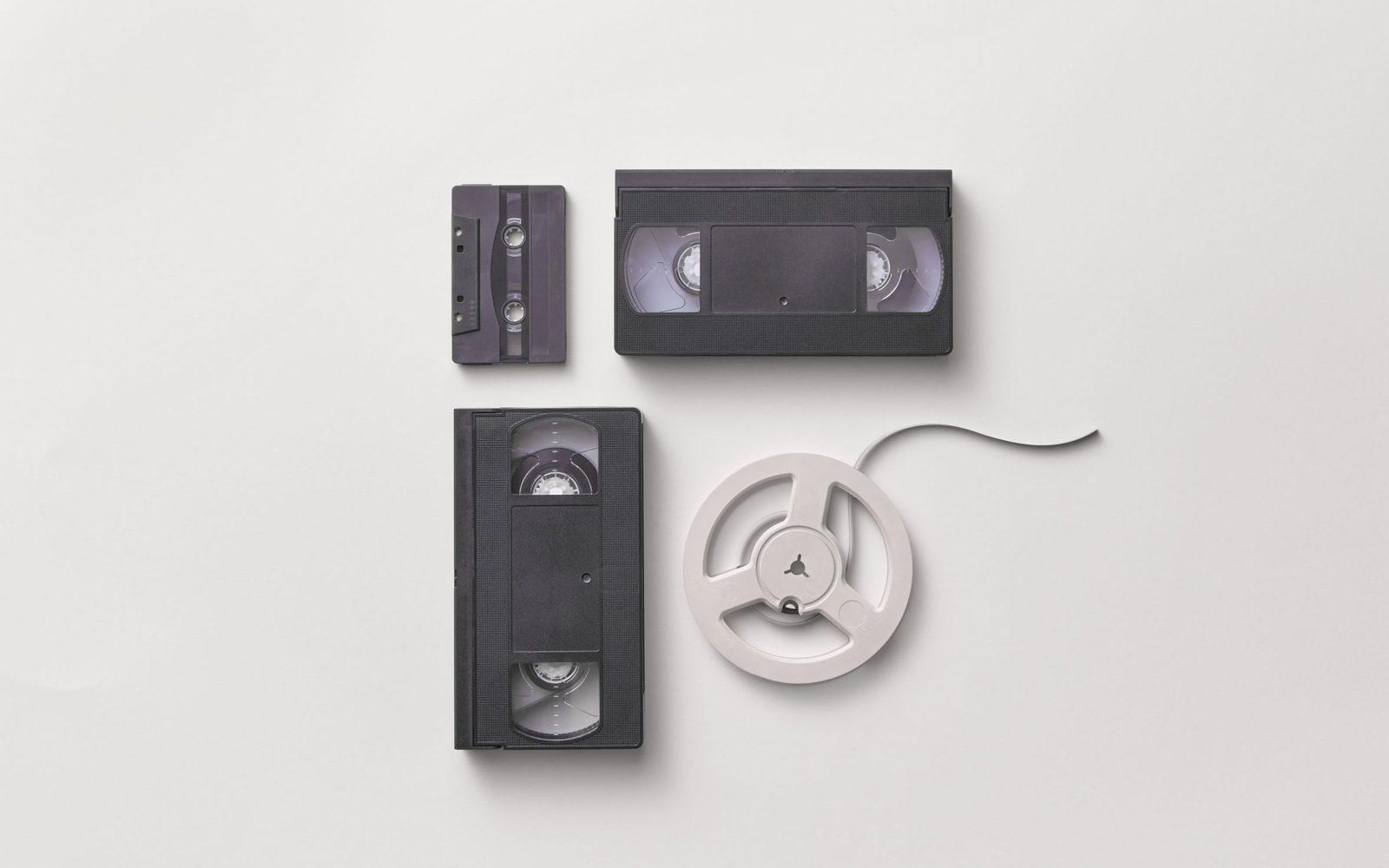
A cassette might mean a personal mixtape recorded from the radio, an object from a parent's home or simply an aesthetic discovered online. Each reaction offers a different starting point for an ad. When choosing a prop, establish not just whether viewers know its name, but what situation they associate with it. A story about personal experience needs a different approach from a playful take on an old style.
The introduction to “Nostalgia w zarządzaniu marką”, a Polish book about nostalgia in brand management, discusses references both to one's own youth and to periods before a consumer was born. This is a useful distinction, not evidence that a particular campaign will work. People need not have lived through an era to be interested in its objects. But do not assign them memories they do not have.
Separate recognition from emotion, too. A familiar object can evoke joy, indifference or an unpleasant experience. Instead of saying “we all miss the old days”, propose a specific scene and explore the response. This campaign should refer to a situation, not a supposedly uniform life shared by an entire generation.

Narrow down the experience, not just the birth years
A working audience description such as “millennials” will not tell a creator whether to show family trips, a school exercise book or a first move away from home. Describe the buying situation and the experience you are referencing. An album brand might explore the memory of looking at photographs around a table, but should not assume every customer had those albums at home.
Treat age as a recruitment clue, not an answer. Country of upbringing, language, interests and access to a particular medium may matter. Do not import an American school prop into a Polish script just because it looks good on a mood board. Our guide to marketing to Gen Z covers broader channel and creator selection for younger audiences; here, you are testing a specific scene that refers to the past.
Write your hypothesis in an ordinary sentence: “People buying an album for family pictures today recognise looking through prints together as a situation close to their own lives.” Beside it, note what you do not yet know: whether the memory concerns paper prints or images on a screen; whether it evokes warmth or a sense of obligation. These are questions to investigate, not ready-made conclusions for the brief.
Ask for spontaneous associations before explaining
Invite people who fit the intended customer profile to an initial conversation, rather than relying entirely on employees and the creator's friends. Show a rough image or simple scene without naming the era, adding “remember this?” or offering suggestive commentary. Ask: “What is happening here?”, “What does it remind you of?” and “Which detail prompted that association?” An “I don't know” answer is useful: it stops you supplying meaning on the viewer's behalf.
Only after the open answer should you ask whether the person knows the object from their own life, other people's stories or media. Then reveal the product and ask what connects it to the scene. Finally, you can explain the intended meaning and check whether that changes their assessment. Keep spontaneous responses separate from responses obtained after a prompt.
- Recognition: the viewer identifies the situation independently, rather than merely agreeing with the interviewer.
- Emotion: they describe their own response, which need not match the mood the brand intended.
- Product connection: they can explain its role in the scene without promotional commentary.
- Relevance today: they understand how the offer could be useful now, not just in the past.
Keep the questions, the version of the sketch and responses without names. A small qualitative conversation can reveal misunderstandings, but does not measure what proportion of Polish customers will recognise the motif. Do not attach a percentage “nostalgia effectiveness” score to it. If the decision requires an estimate of scale, plan separate research with an appropriate sampling approach.
Choose a motif that explains the offer
After the conversations, do not automatically pick the image that prompted the loudest laugh. Look for one that also helps people understand the product. For an album brand, spreading prints out together might lead into showing how to organise photographs. A cassette next to the album might remain mere decoration. These are illustrative creative hypotheses, not findings from research or an account of a client's campaign.
Record a decision for each idea: retain, revise or reject, with a reason. A motif recognised only after a long explanation needs simplifying. A familiar motif that participants find unpleasant needs reassessment. A well-liked motif that leaves everyone confused about the offer needs a stronger product connection, not more retro effects.
Check that the message does not give the brand a false history. A new company can reference old customs, but should not imply that it accompanied customers through childhood. “We were inspired by looking at family prints” differs from “we are bringing back the album you have known since childhood”. Develop the story itself with our guide to storytelling with creators.
If you want to develop a tested nostalgic motif into a fictional story with recurring characters, prepare a separate microdrama pilot brief. Recognisable props do not replace conflict and scene continuity.
Commission a scene, not a vague “old-days atmosphere”
On Blogger Bank, you can describe an assignment and choose a creator from the applicants, reviewing examples of their work. For nostalgic content, look for the ability to show a small gesture: handing someone a print, writing a caption on a photograph or closing an album. A portfolio full of filters does not prove the creator can tell that story. Ask how they would execute the scene and which props they need.
Register your brand to commission content based on a tested association. In the assignment, distinguish producing a file for the company from publishing on the creator's profile. Agree exactly what you will receive and where you will use it. Blogger Bank helps organise the collaboration; the brand or its researcher conducts audience conversations, selects the motif and evaluates results.
Example assignment for an album brand: “Prepare a vertical video about looking at printed photographs together. Send a scene outline first; filming starts after approval. Show people passing prints around a table and placing them in our album. Use photographs prepared for this production, without other people's private stories. Do not describe the scene as your own childhood if it is staged. Keep the product clearly visible and end by inviting viewers to explore the albums.” This is an example brief, not an existing offer or a collaboration result.
Before hiring, add the file format, duration, deadline, revision scope and advertising disclosure appropriate to the publication. Agree on a version without music and rules for using props and photographs. Affection for a familiar song does not resolve its rights: our separate guide discusses music from apps in brand advertising. Do not make the concept depend on a recording whose intended use has not been checked.
Review the scene, not the filter
At delivery, compare the finished film with the approved outline. Check that the creator has not replaced the recognised gesture with an arbitrary prop, that the product still plays the same role and that the caption does not suggest a different meaning. Watch without sound, then with sound. Music can change the scene's emotional tone; a filter can make the product name harder to read. Technical styling should not invalidate what you tested earlier.
Before wider distribution, show the finished version to additional people in the target audience. If they remember the decoration but cannot tell what the offer is about, improve the connection between scene and product. Do not declare success based on “I had one too” comments. Those responses help reveal associations among active viewers, but do not describe the whole audience or prove sales.
When later comparing it with a version without the nostalgic motif, keep distribution conditions, the offer and the call to action as similar as possible. Decide in advance whether you are evaluating product understanding, visits or purchases. Changing the creator, discount and audience simultaneously prevents you attributing the difference to nostalgia alone. Start with one testable situation and an assignment to produce it, not a promise to recreate an entire era.
Have a scene in mind? Create a brand account and brief a creator on the first piece of content.
Frequently asked questions
How do you choose a nostalgia marketing motif?
Choose a situation connected to the product and test it with people resembling your customers. Ask about spontaneous associations first, then emotion and the product’s role. A recognisable prop alone does not justify a campaign.
Is nostalgia marketing only for older audiences?
Do not restrict nostalgic motifs to age. Viewers may know an older aesthetic from personal experience, family stories or media. Check where the association comes from instead of assuming everyone lived through that era and misses it.
How can you test scene recognition without prompting?
Show a sketch without naming the era or adding a caption suggesting a memory. Ask what is happening and which detail triggers the association. Explain your intention later, recording prompted responses separately from spontaneous reactions.
Can a few interviews represent the entire target audience?
Initial qualitative conversations help identify misunderstandings but do not establish the share of customers who recognise a motif. Do not present them as representative measurement. Estimate scale through separate research with sampling suited to the decision.
What if people remember the prop but not the product?
Improve the connection between the scene and the offer, then test the revised version. The product needs an understandable role rather than a position beside nostalgic decoration. Extra filters or a familiar song cannot explain the offer.
Can a new brand use nostalgia?
A new brand can draw inspiration from old customs without claiming a history it does not have. Distinguish a concept inspired by the past from claims that the product accompanied viewers through childhood. Check its relevance to today’s purchase.
How do you commission nostalgic content through Blogger Bank?
Describe the audience, tested motif, product role and expected file. Choose a creator using their application and portfolio, and agree on an outline before filming. Blogger Bank organises collaboration, not audience research or the brand’s creative decisions.
How should you evaluate a nostalgic advertisement?
Separate recognition of the motif from understanding the offer and taking action. Choose the measurement objective before distribution and maintain similar conditions when comparing versions. Comments about memories do not prove sales or represent the whole target audience.