How to promote an escape room without revealing its puzzles
Short answer
Promote an escape room through its atmosphere, practical group information and post-game reactions, not solutions. For influencer marketing, prepare an approved shot list and review the final edit. Blogger Bank is a platform connecting brands with creators, helping collect applications, agree a contract and accept the material. The operator handles spoiler checks and bookings.
How do you promote an escape room without revealing its puzzles? Show who the game suits, its atmosphere and how participants felt afterwards. Keep everything players should discover for themselves off camera. A local creator can describe the experience in their own voice while the operator defines permitted shots and checks the edit before publication. The invitation then stays an invitation, rather than becoming a walkthrough.
A photograph of a door may not give someone enough to persuade their friends to come along. Yet a striking video of a hidden compartment opening can take away a future visitor’s moment of discovery. The answer is commissioned content with a clear boundary: emotions and information needed to choose a game are welcome; clues are not. Create an advertiser account and brief a spoiler-free video on Blogger Bank. This platform connects brands with creators: collect applications, choose someone and agree how their work will be accepted. Your team assesses story spoilers, not an automated platform feature.
Promote the experience, not the solution
Future players do not need to see a puzzle mechanism to decide whether to book. They need to know whether the experience fits their group: its theme, level of tension, game language and participation conditions. Use information approved for the particular room. Do not promise that everyone will succeed or nobody will feel frightened. If the real problem is unclear booking conditions or a mismatch between the description and the experience, an influencer cannot fix it.
A creator gives that description a human perspective. They can explain whether they felt more comfortable observing or initiating teamwork, what helped the group work together and whom they would recommend this kind of evening to. They need not describe where they searched or what triggered the next scene. That is the difference between recommending an experience and revealing the game.
Creator partnerships are not merely a theoretical idea in this sector: The Great Escape Room describes invitations and collaborative shoots on its partnerships page, checked on 3 November 2026. This is an operator example, not evidence of effectiveness in Poland or a Blogger Bank case study. Meanwhile, Zolyp’s escape-room social media guide, updated on 15 October 2026, recommends teasers without solutions. Your own restrictions must nevertheless follow your particular game design.
A shot list instead of a vague no-spoilers rule
“Do not show puzzles” is not enough. Before visiting, a creator may not know that a decoration is a clue or a simple gesture reveals a mechanism. Prepare a filming sheet: location, permitted shot, elements to keep out of frame and the person approving it. Do not put solutions in the public job listing. Share detailed information only with people who need it to do the work.
- Suitable for filming: the entrance and venue name, an introduction to the host, an approved section of the set, a statement before playing and an afterwards reaction against a neutral background.
- Check before filming: decorative details, props, sound excerpts and any interaction with the equipment. A seemingly neutral shot can reveal where players should search.
- Keep off camera: codes, solutions, clue arrangements, compartments opening, sequences of actions and the ending. This includes mirror reflections, staff screens and hints audible in the background.
Turn every conditional shot into a clear decision before filming. If you cannot identify a safe section of the interior, record at the entrance and after the game. Do not ask the creator to guess what is secret. A different camera angle, wider shot or close-up needs another check, even when the original framing was allowed.

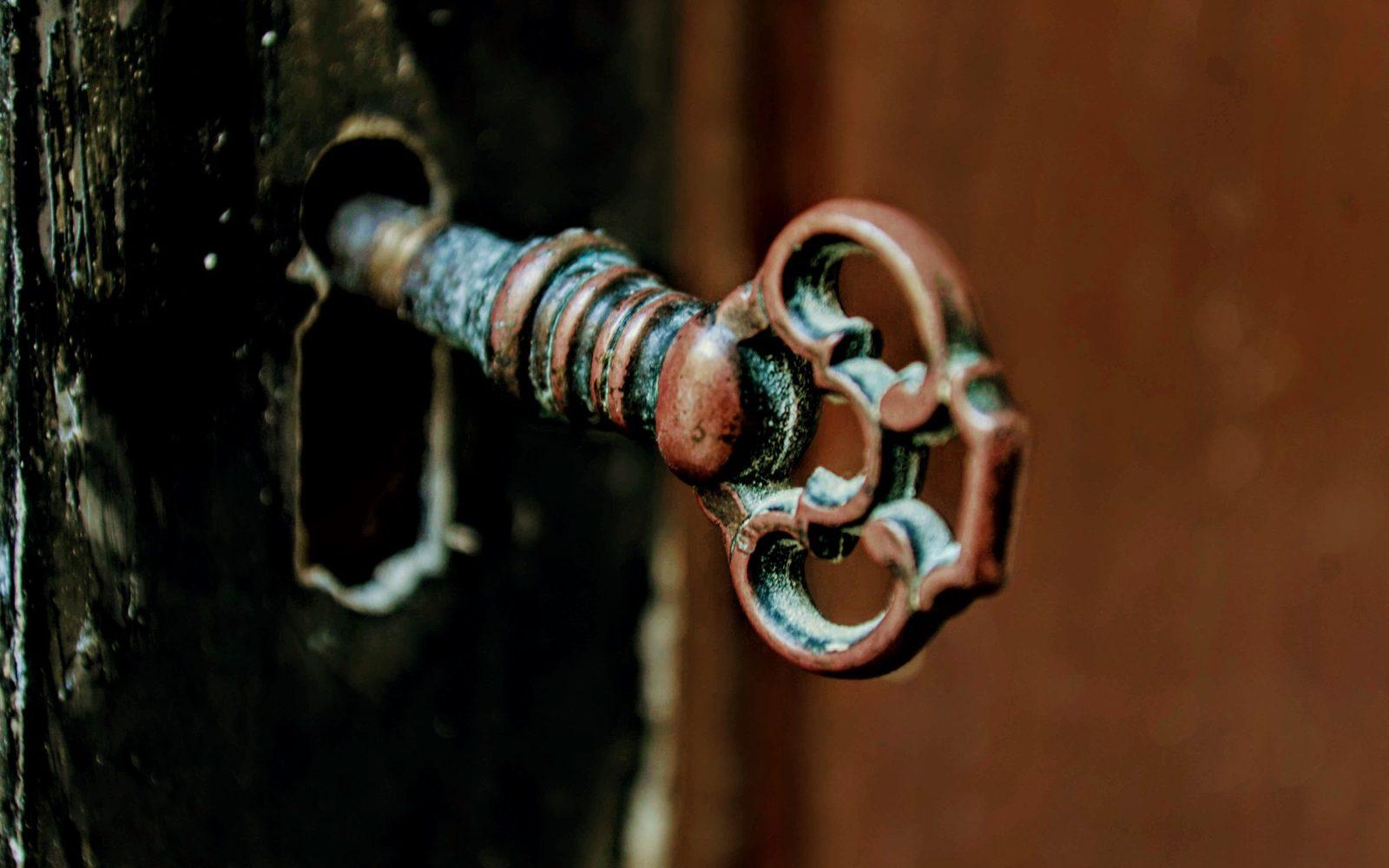
A photograph of a prop can simply establish a mood. In your own video, use an item approved by the operator, not an actual clue taken from the game. The illustration in this article does not depict a particular escape room or one of its puzzles.
Three approaches for the creator
An invitation before entering. The creator shows the route, entrance and approved introduction to the theme, then explains which kind of group they have in mind for the visit. This answers “is it something for us?”. There is no need to open the door to the actual game. For a post on the creator’s account, check whether their audience can realistically reach the venue.
A reaction after playing. Ask the participant for impressions, not a summary of events: what they thought of the atmosphere, teamwork and interaction with the host. “What surprised you most?” can easily invite a spoiler. A safer direction is “who would you recommend this kind of outing to, and why?”. Do not commission enthusiasm or ask someone to pretend that a retake is their first reaction.
A conversation with the host. The creator asks about preparing for the visit, contacting staff and practical arrangements. The host answers without giving puzzle hints. This helps beginners understand what to expect before playing, but does not replace the on-site briefing. Do not stage a malfunction or show ways around safety procedures to obtain a dramatic shot.
For the basics of selecting a creator and working in this sector, see the culture and entertainment category. A separate article covers creator visits and events. Here, the key requirement is a specific disclosure boundary for each chosen format.
A brief candidates can assess before applying
An illustrative assignment could read: “We need a creator to show a visit to our escape room. Deliver a vertical teaser and a separate post-game statement. Film only in agreed areas, without gameplay, codes or solutions. Send the captioned version and thumbnail to the operator before publication. Viewers should understand the type of experience and follow a link to the room’s booking page.” This is a scope example, not a completed campaign.
Add the address, date, filming-space availability, participants, payment, file formats, delivery date and publication date. Separate files for your own channels from posts on the creator’s account, and agree advertising usage. Include revision arrangements and time for review. Our guide to writing a creator brief covers the general structure; the filming sheet is its room-specific supplement.
Create a brand account and prepare a visit assignment on Blogger Bank. State the restrictions so candidates understand them before applying. Among the applications, choose someone whose earlier videos demonstrate storytelling without explaining everything. When you hire, the agreed terms pass into the contract; communication and file delivery remain with the collaboration. The operator still owns the permitted-scene list and the decision to accept the edit.
Review the video, including what is easy to miss
Someone who knows the game should review the material, not just the social media manager. Check the complete captioned export, thumbnail and publication text. Watch at normal speed and pause suspicious sections. Listen without looking at the image: background conversation can reveal more than the shot itself. Check automatic captions too, since they may reproduce a spoken code.
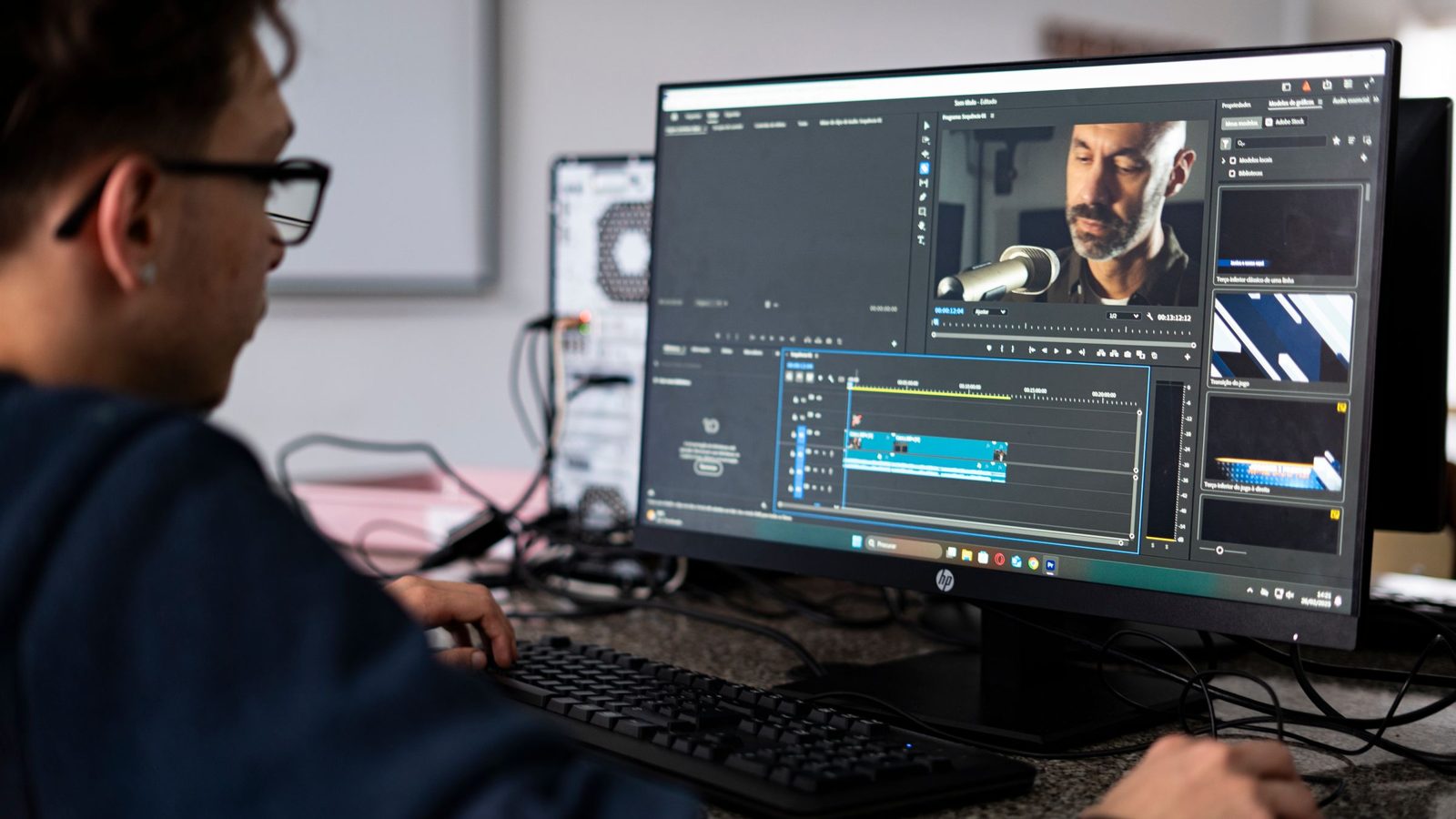
Give feedback with a location and reason: “remove the open-drawer shot because it reveals a stage of the game”, not “show less”. If cropping still leaves a recognisable clue, replace the entire section. Watch the revised export from the beginning: shifted audio, a different thumbnail or an added caption also forms part of the publication.
Approval should identify a particular file version. Do not approve every future cut made from the same footage. If you order several variants, each needs its own spoiler check. Accepting the result is a collaboration stage on Blogger Bank; the tool does not identify puzzle-revealing elements on the operator’s behalf.
Send viewers to the right room after publication
The advertisement should link to the particular game’s information or booking page, operated by the venue. Blogger Bank is used to commission the material, not sell entry. Before publication, check on a phone that viewers see the current description, location and available slots. Do not send them to a general page containing many rooms when the video recommends just one.
Agree clear advertising disclosure with the creator. Film people who have knowingly agreed to appear and accepted the intended use; keep unrelated visitors and their booking details out of shot. Where children or uncertain image rights are involved, resolve the conditions before filming rather than relying on blurring afterwards.
After publication, also check the description, thumbnail and comments containing solutions. Report an error in commissioned material to the creator immediately and pause your own distribution of that version. Assess views, visits to the booking page and confirmed bookings in your system separately. More views do not automatically mean more groups coming to the room.
Start with one Blogger Bank assignment: an invitation without solutions and a reaction after playing. Attach the filming sheet, name the reviewer and send viewers to booking only after a specific version is approved.
Frequently asked questions
What can an escape-room advertisement show without spoilers?
Show the entrance, an approved section of the set, the host and participants speaking after playing. Include information needed to choose a room. Keep codes, clues, action sequences and the ending out of the image, audio and captions.
Does the influencer need to film during the game?
No. A creator can record an invitation before entering and a reaction afterwards. If the interior contains too many clues, filming outside the room allows them to describe their impressions without showing the actual gameplay.
How do you prepare an approved shot list?
List each location, permitted framing, elements to exclude and the reviewer. Flag scenes needing a check before filming. Do not publish solutions in the job listing; share details only with people who need them to do the work.
How should you choose an escape-room creator?
Review earlier location videos and the ability to tell a story without summarising the whole experience. For publication on the creator’s account, check audience location. Also agree filming restrictions and an edit review before anything is published.
Who should review the edit before publication?
Someone who knows the room’s game design should review the material. Check images, sound, captions, thumbnail and description. Approval applies to a particular version; subsequent cuts and alternative versions also need separate checks by the operator.
Can you commission a reaction after the game?
You can commission a recorded account of the experience, but not demand a positive opinion. Participants can discuss atmosphere and teamwork without explaining solutions. Do not present a repeated take as a spontaneous first reaction.
How does Blogger Bank help with this campaign?
On Blogger Bank you describe an assignment, receive creator applications and choose a contractor. Terms go into the contract and material is submitted for acceptance. The platform organises collaboration; it does not detect spoilers or handle game bookings.
How can you assess an escape-room advertisement?
Separate video views, visits to the room’s page and confirmed bookings in your own system. Check the link and available slots. Do not attribute every booking after publication to the creator without data connecting the visit to the advertisement.