How do you promote an exhibition when some exhibits cannot be filmed?
Short answer
Influencer marketing can promote an exhibition through curator interviews, a creator's personal account and approved images, without filming restricted exhibits. Blogger Bank helps organise the collaboration: collect applications, review profiles, agree a contract and securely pay for accepted content. The museum confirms permitted scenes, reproduction usage rights and the final version before publication.
How do you promote an exhibition when photography restrictions cover some of the exhibits? Commission a story about why people should visit, rather than a film that shows everything. A creator can interview the curator, describe their own visit and use images cleared for the specific publication. Influencer marketing helps translate the exhibition's language into visitors' questions: what will interest me, what will I learn and do I need any preparation?
A poster gives the dates, but does not always explain why the subject deserves attention. Meanwhile, an impressive camera walkthrough may stop at the first room with restrictions. You do not have to choose between a dry announcement and breaking the rules. You need a creator who can ask a good question and hold attention even when the most important object stays off camera.
Create a brand account and prepare a brief for an exhibition story on Blogger Bank. The platform lets you collect applications, review creators' profiles, agree a contract and accept the content before payment is released. The museum supplies the filming boundaries and checks the finished video; the platform does not grant permission to use images of exhibits.
Separate visiting from filming an advertisement
Being allowed to see an object does not tell you whether it can appear in a commissioned video. Before choosing a concept, ask the person responsible for the exhibition for the current rules on promotional filming. Specify the publication channels, planned shots and whether the content will later be used in paid advertising. Do not base the commission on ordinary visitors being allowed to take phone photos.
The visitor regulations of the National Museum in Warsaw provide a specific example: the consolidated text dated 10 November 2022, checked on 4 November 2026. The document reserves the possibility of prohibiting images of heritage objects not owned by the museum and lists commercial photography and filming among activities requiring the director's permission. These are this institution's rules, not a universal rule for all museums.
Nor should you assume that permission to exhibit a work includes reproducing it in advertising. Ask someone familiar with the documentation for this exhibition to check the permitted uses. If the rights to an image remain unclear, remove it from the script until they are clarified. A curator's account against an agreed backdrop is a better starting point than promising a shot you may never obtain.
A materials list beats a vague request to be careful
Prepare a working list of scenes and files. For each item, record exactly what may be shown, where the image comes from, where it will be published and who confirmed the conditions. Distinguish the creator's own footage from a reproduction supplied by the museum. Both may show the same exhibit, but do not assume their permitted uses are identical.
- May be filmed: the specified location, camera direction, a named person's contribution and agreed background elements.
- May be inserted from a file: a specific reproduction with its caption, photographer credit and the conditions supplied by the institution.
- Must not be filmed: excluded objects, neighbouring display cases, reflections and material visible on screens unless cleared.
- Needs clarification: anything without explicit confirmation. Do not put such an item on the shot list as a guaranteed part of the video.
Check the list during a short walkthrough with the person responsible for the display. An interview shot may look safe on a floor plan but actually include a work hanging behind the speaker. Choose a neutral background or change the setup. Do not plan to film a prohibited object on the assumption that it can be blurred later.
A conversation with the curator gives people a reason to visit
Instead of asking the curator for a condensed lecture, choose a question the creator's audience might ask. Why were these works brought together? What do people often misunderstand about this subject? What should a first-time visitor look for? The creator speaks the language of their community, while the curator keeps the facts accurate. A lack of exhibit close-ups need not mean a lack of substance.
Here is a possible script: the creator admits that most of their knowledge of the exhibition's subject comes from a textbook. They ask the curator which detail might change that perspective. The curator describes a particular theme without showing the excluded work, and the creator explains why they want to see it in person. This is an editorial suggestion, not a campaign report or a promise of higher attendance.
Agree in advance on recording the speaker's voice and likeness and using their contribution. Let them check names, dates and whether the edited version preserves their meaning. Do not splice answers together to make the curator endorse something they never said. If they cannot appear on camera, consider an agreed audio contribution or a conversation with another authorised person.
A personal account does not need a hidden camera
A creator can visit the exhibition without recording, then describe the experience in a permitted location. Commission an answer to “What thought are you leaving with?”, rather than a recital of the press release. The creator explains what interested them and who might enjoy the subject. They should not pretend to have seen a room they did not visit, or praise the exhibition as a personal experience before attending.
If the audience rarely visits museums, ask the creator to explain the practicalities: where the exhibition starts, whether the descriptions help people without specialist knowledge, and where to check visiting conditions. Give only confirmed information. Do not turn one creator's experience into an assurance that every child will enjoy the exhibition or that it will be accessible to everyone.
Choose a creator based on earlier interviews and reports, not just attractive cutaway shots. Check whether they can listen, distinguish personal opinion from information supplied by the organiser, and tell a story without constantly showing the object. For a local exhibition, it also matters whether their audience can travel there. Creators covering culture and events are a starting point for your selection.
A reproduction replaces a shot, not the need for permission
If the museum supplies photographs for the video, ask for a dedicated set for this collaboration rather than the entire press folder. Each file needs a confirmed purpose, the required credit and information about permitted changes. Discuss vertical cropping, animating a detail or adding text before editing. Do not treat a file being available online as permission to use it.
Specify in the script when a reproduction appears and what the creator says at that point. Its caption should distinguish the supplied illustration from footage the creator recorded in the gallery. If no suitable file is available, stick to the spoken contribution or agreed elements of the exhibition. Do not replace an unavailable work with a similar stock image or a generated imitation that suggests it belongs to the display.
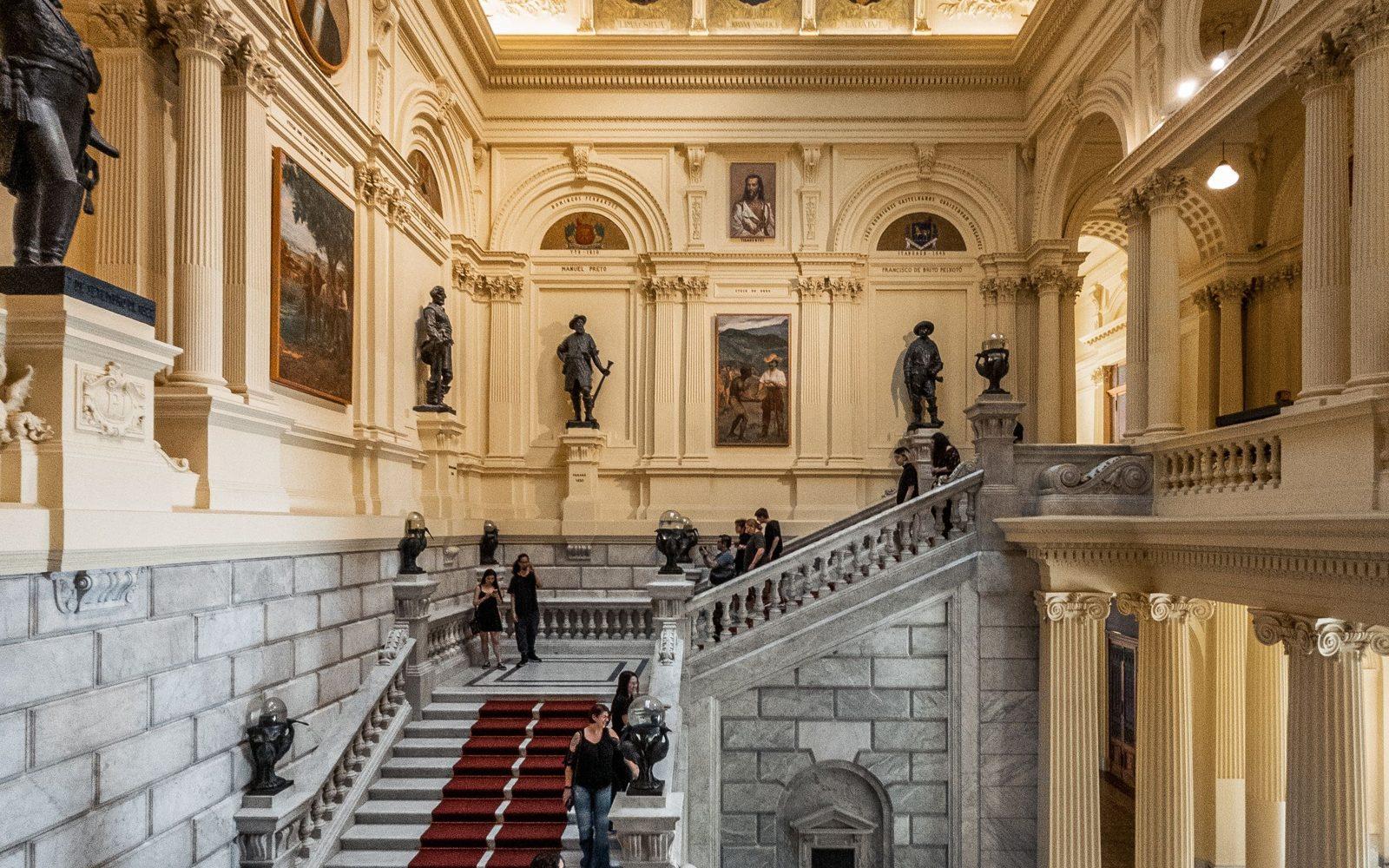
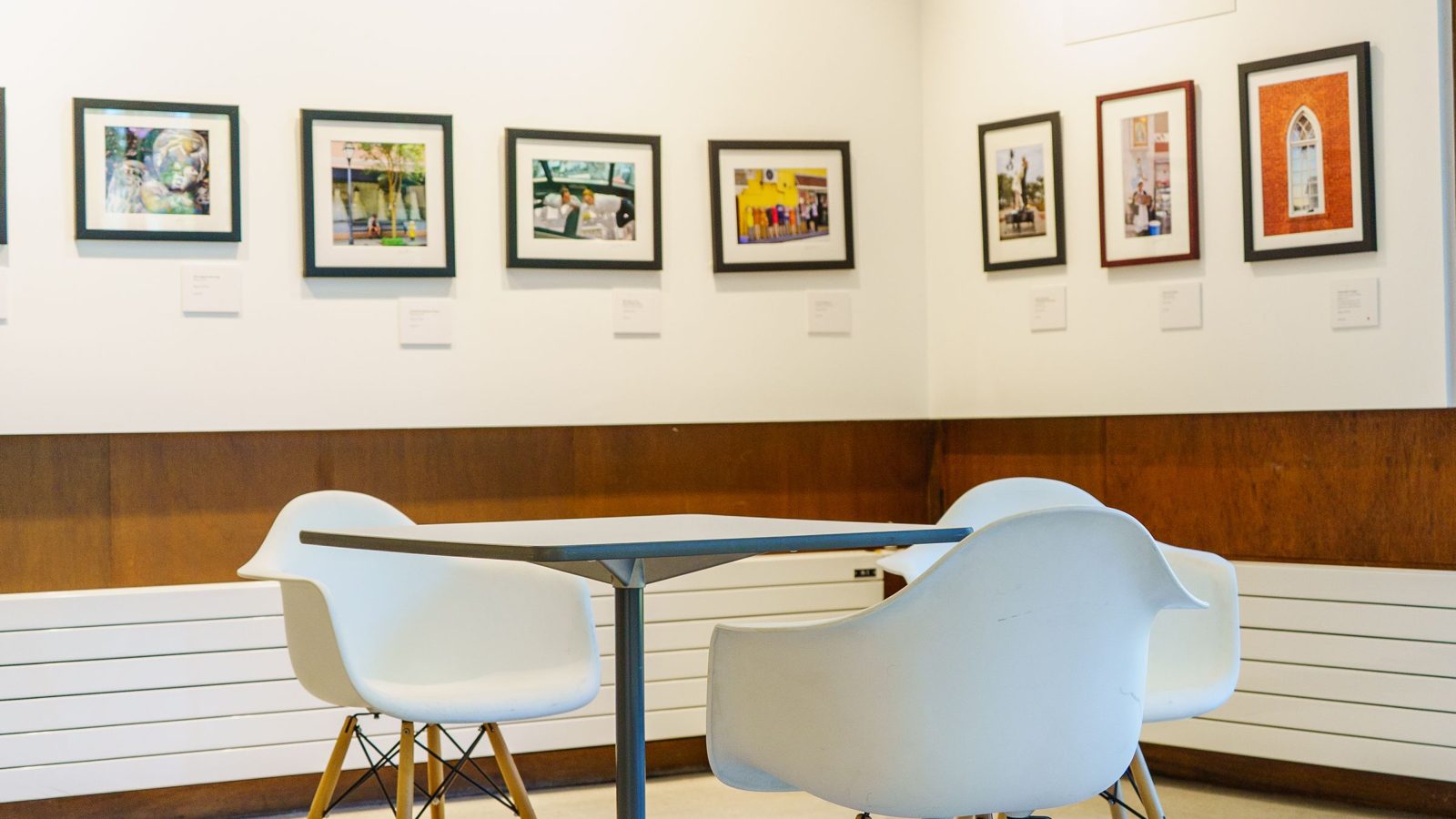
The illustrative photographs in this guide do not document a particular exhibition or museum collaboration. In advertising for a real event, that distinction matters even more: viewers should know what they will actually see there and what merely provides a backdrop to the conversation.
Keep a short walkthrough to the agreed route
A video can combine the entrance, part of a permitted room and a conversation outside the display area. It need not pretend to be a complete tour. Map the route as a sequence of filming positions, with a point where recording stops before the restricted area. Stop recording when moving between rooms if the whole background has not been cleared.
Choose a time and setup that do not obstruct visitors. Do not film unsuspecting guests as an easy way to show attendance. Arrange for people who have knowingly agreed to appear within the agreed scope. Check the sound too: an audio guide, installation or background conversation may be recorded even when the camera faces a blank wall.
The guide to creator events and press trips covers invitations and organising a visit. For an exhibition, add a scene list and a named person who can resolve questions on site. An invitation alone does not replace checking the restrictions.
Commission a specific story and approve a specific version
A brief could read: “We are looking for a creator to introduce an exhibition through an interview with the curator and a personal account after visiting. Some objects must stay off camera. We will provide an approved route and selected reproductions. We need a subtitled video, a cover image and a description; everything will be checked before publication.” Add the exhibition's subject, audience, location and dates, and say whether publication will be on the creator's profile or the museum's channels.
Prepare a brief on Blogger Bank for an interview and exhibition report. State the restrictions in the listing so creators can decide whether the format suits them. Compare applications and profiles, agree the scope in the contract and keep the arrangements within the collaboration. Secured payment lets you accept the result before the creator is paid; it does not replace checking rights to the images used.
You need not devise the general terms from scratch: use the editing approval section of the guide to commissioning a video with restrictions on showing the interior. An exhibition needs different checks, however: here you are verifying cleared images, credits and permitted uses, rather than protecting the solution to a puzzle.
Compare the final export with the materials list. Also check the thumbnail, subtitles and publication description, because an excluded exhibit may reappear there. Record feedback with the relevant point in the video and a specific change. Approval applies to the specified version; a new cut or use on another channel requires the arrangements to be checked again. Clearly label the commissioned advertisement, naming the institution, rather than presenting it as an independent visit.
After publication, direct viewers to the exhibition's current page with dates and admission conditions. Ticket sales remain the museum's responsibility. Distinguish video views from visits to the website and confirmed purchases; more views alone do not prove higher attendance. Start with a brief on Blogger Bank, attach the list of permitted scenes and arrange approval with someone who knows the exhibition's restrictions.
Frequently asked questions
How can you promote an exhibition without showing every exhibit?
Commission a curator interview, a personal account after visiting or a walkthrough along an agreed route. The creator explains why the subject matters. Replace restricted exhibit footage only with materials cleared for that publication, not arbitrary reproductions.
Is permission to visit enough to film an advertisement?
Do not treat admission as permission to film advertising. Give the institution your planned scenes and publication channels, then obtain the current rules for this collaboration. A museum's conditions may distinguish private visits from commercial filming.
What should you agree when using photographs supplied by a museum?
Confirm each file's purpose, usage channels, required credit and permitted changes. Ask about cropping, text overlays and paid advertising. Access to a press folder alone should not replace specific arrangements for the video you are commissioning.
Can a creator describe the exhibition after leaving?
Yes, a personal account after visiting can replace gallery footage. The creator should describe their actual experience and distinguish opinion from the organiser's information. Do not commission fake enthusiasm or recollections of exhibition areas they never visited.
How do you choose a creator to interview the curator?
Watch the creator's previous interviews and check whether they ask clear questions and listen to answers. For a local exhibition, assess audience suitability too. Before choosing, confirm their willingness to work without filming restricted objects.
What should you check before approving an exhibition video?
Compare the export with the list of permitted scenes and reproductions. Check backgrounds, sound, credits, subtitles, thumbnail and description. Approve a specific version and reassess later cuts. Someone familiar with the exhibition materials' usage conditions should perform the review.
How does Blogger Bank help commission exhibition promotion?
On Blogger Bank, you describe the task, collect creator applications and compare profiles. You agree a contract, manage the collaboration and accept the result before payment. The platform neither replaces the museum in confirming reproduction rights nor sells tickets.
Does a creator's video guarantee higher attendance?
No. Content can help viewers understand the exhibition's subject and decide to visit, but it does not guarantee sales. Assess views, website visits and confirmed purchases separately, taking current dates and admission availability into account.