How to Promote Pottery Workshops for Beginners
Short answer
Influencer marketing can promote pottery workshops through a beginner creator's real visit: showing instructor support, work stages and what participants collect after firing. Blogger Bank lets you gather applications, compare creator questionnaires, agree a contract, pay securely and manage the collaboration. Commission a specific demonstration, accept the agreed content and direct viewers to the studio's bookings. A full class is not guaranteed.
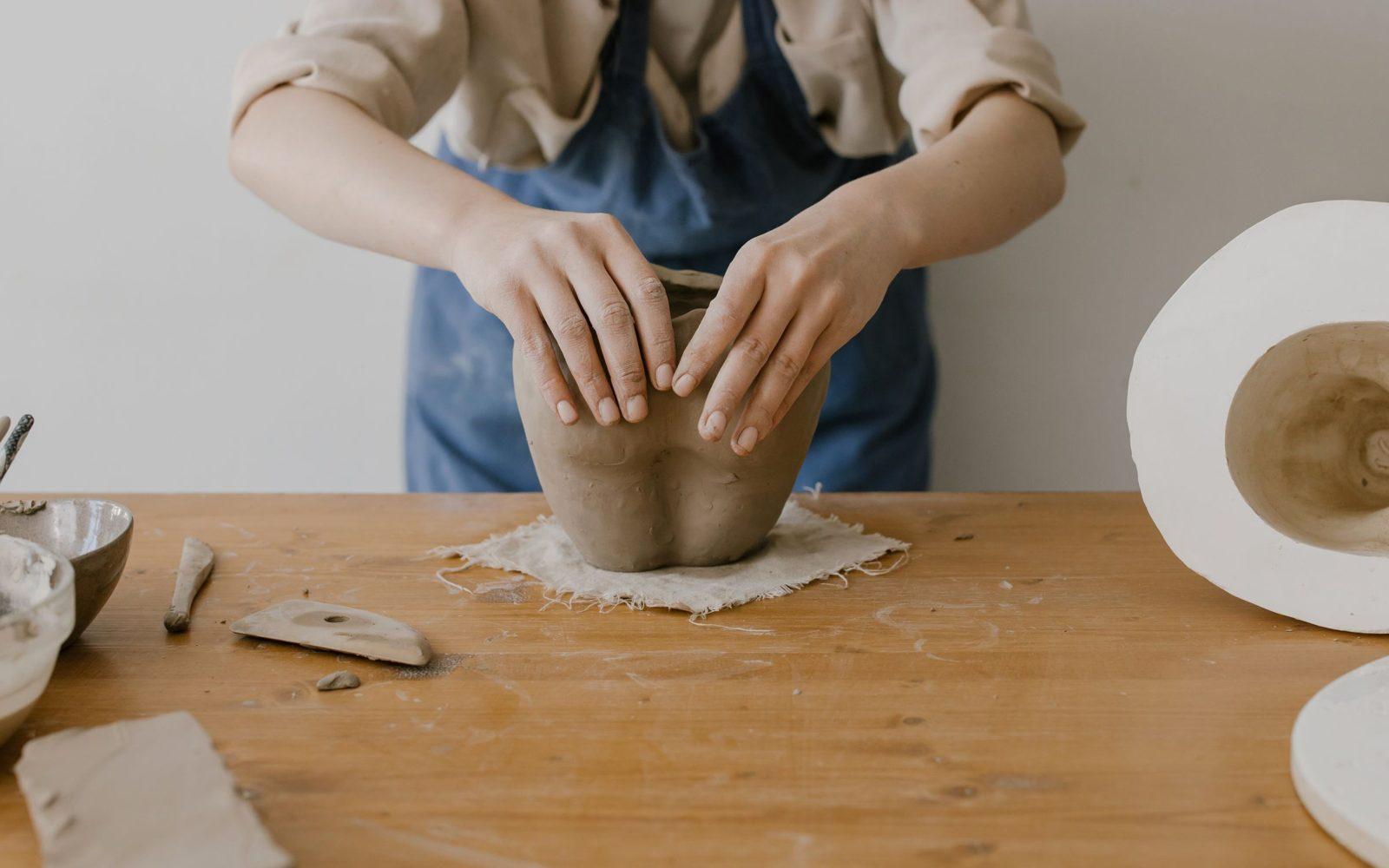
How do you promote pottery workshops when photos of finished pieces get likes, but beginner classes still have spaces? Show not just a finished mug, but someone handling clay for the first time. A local creator can attend a real class and show their audience how the instructor helps, what participants do themselves and what stays at the studio for further processing. This kind of influencer marketing addresses a specific concern: “I like it, but I couldn't do that.” It does not guarantee a full class, but it gives people something to base their decision on.
To commission this kind of demonstration, create a business account on Blogger Bank and describe the creator's visit as a beginner taking part. The platform helps organise the collaboration: collecting applications, choosing a creator, agreeing a contract and accepting the content. Direct workshop bookings to your own studio, not to an account on the platform.
Finished pottery does not show whether a beginner can manage
A photograph of a neatly shaped bowl says a lot about its maker's skills, but little about a first class. Someone with no experience may not know whether they will get instructions, need to arrive with a design or be the only beginner at the table. Simply saying “for everyone” leaves these questions unanswered. Rather than adding another reassurance, commission a scene in which the instructor explains the first movement and the creator actually tries it.
A discount changes the terms of purchase, but does not show how a class is taught. A poster with a date helps people find a session, but does not explain what they will make. The creator's video should fill that gap. If the workshop requires skills a beginner does not have, however, first change the programme or the name of the offering. Advertising cannot replace a class pitched at the right level.
Keep promoting an experience separate from selling objects. If the aim is to sell a finished piece, see our guide to selling handmade products with creators. For a one-off workshop, customers are choosing to take part themselves: working with their hands, interacting with the instructor and trying something new. The finished object is part of that promise, not the whole of it.
Write down what a participant will do in one visit
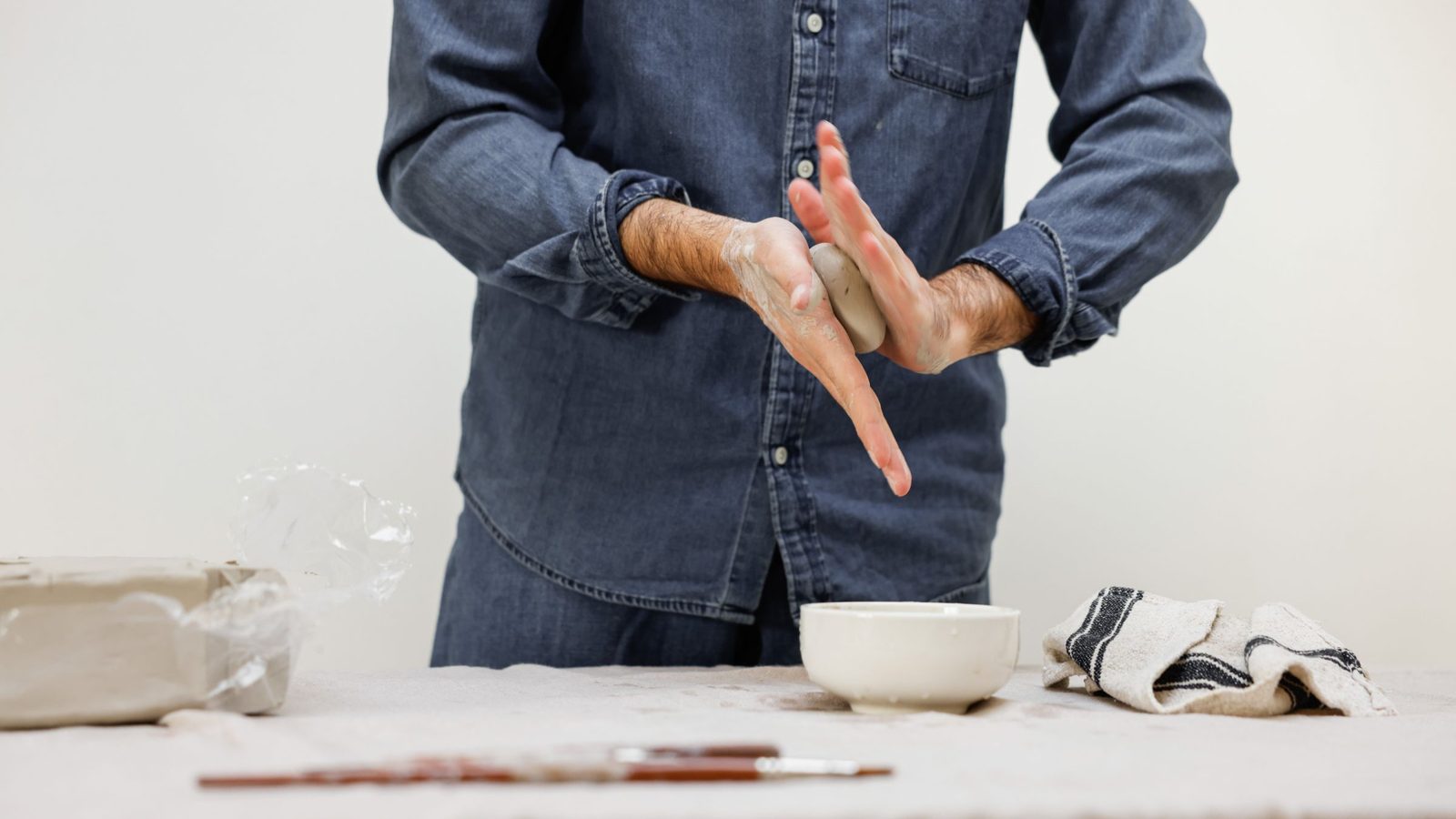
Before inviting a creator, go through the programme with the instructor. Name the technique: hand-building, working on a wheel and decorating a prepared form are different experiences. Do not show a wheel just because it looks appealing if the session being promoted involves only hand-building at a table. The content should prepare viewers for the class they can actually book.
Also establish which choices participants can make and which limits the programme sets. Do they choose a shape from suggested options? Can they bring their own idea? When does the instructor help, and when do they take over? The creator should know these boundaries before filming, but does not need to pretend to know the technique already. A question asked at the table will be more useful than a rehearsed line about “professional guidance”.
Describe the outcome in two parts: the state of the piece at the end of the class and the studio's subsequent work. Specify whether glazing is included, who does it and how the studio lets participants know about collection. Do not give a universal waiting time. The timing depends on your process and should come from the person responsible for carrying it out, not another pottery school's description.
An archived listing for Dorożkarnia's weekend pottery workshops on 20 September 2025 describes the instructor's help with choosing a technique and carrying out an idea. This is a source about specific classes, not evidence of current demand or a template for every studio's terms. Base your own message on your own programme and show which stages require participants to leave their work at the studio.
Commission a first attempt, not a display of skill
For this campaign, look for a creator whose audience can realistically reach the studio. Check their application for their city, profile topics and approach to describing local experiences. Ask for an example of content in which they do something, ask questions and explain, rather than simply film an interior. Profile size will not tell you whether a creator can show what a first encounter with clay feels like.
Ask directly about previous pottery experience. If the creator regularly makes pottery, do not ask them to play a beginner. They can show how the class is taught, but a “first time at the studio” story requires a genuine first visit. Base the collaboration on real experience, without scripting compulsory enthusiasm or promising therapeutic effects.
Inviting a creator to a studio is not merely an editorial idea: Pottery Studio 1 describes a creator collaboration programme, checked on 4 November 2026. It is an example from abroad of organising collaborations around an experience. It does not prove effectiveness in a Polish city, and its viewing thresholds or terms should not be transferred to your own campaign.
Scenes that address concerns before booking
The first movement with the instructor's help. The short video begins at the workstation: the instructor demonstrates an action, the creator tries it and receives specific advice. Keep some of the explanation in the edit, not just music and sped-up hands. Viewers should see what help looks like, rather than hear an advertising phrase for it.
A small difficulty and how it is handled. If the shape changes or the creator does not know how to join parts, show the instructor's natural response. Do not engineer a mistake for the video. This scene should explain what happens when someone needs support, not embarrass the participant or promise that every piece can be saved.
The end of the class without swapping the result. The creator shows their own piece in the state in which they leave it. If an instructor's fired piece stands beside it, label it as an example, not the beginner's result. When showing the finished work later, make clear that time has passed and explain what happened between recordings. Viewers should not leave the video thinking they can take a finished mug home straight away.
A solo visit, from the entrance to the table. The story can show the entrance, somewhere to leave belongings and a workstation prepared for one person. This addresses someone who wants to come without friends. Do not, however, present a specially arranged filming session as a normal group class. If you film outside a scheduled workshop, say so and do not promise the same level of individual attention.
Approve content against the programme, not the beauty of the shot
In the Blogger Bank brief, describe the session being promoted, its beginner level, the technique and the scenes the content should include. Creator applications and questionnaires will help you choose someone suited to the visit. Agree the contract, filming date and scope of content with the selected creator; handle payment and manage the collaboration on the platform. For paid collaborations, funds go to the creator after the work is accepted, not after a promised number of bookings is reached.
Post a brief for a demonstration of a first class and attach the studio's current offer description. Rather than requesting general “pottery promotion”, name the outcome: content showing the instructor's help, the creator's own attempt, the state of the piece after the session and the booking process. This makes it easier to judge whether the delivered video addresses the audience's concerns.
- The technique and object shown match the class being promoted.
- The instructor's help is visible, but is not presented as the creator's independent work.
- The content distinguishes the result at the end of class from the piece after further processing.
- The collaboration is clearly disclosed, and people appearing on camera have agreed to the intended use of the footage.
- The link leads to the studio's current offer and works on a phone.
The simplest approach is to plan shots with the creator and instructor, without other participants accidentally appearing in the background. Agree how the footage may be used before the visit. When reviewing the video, correct factual errors and departures from the brief, rather than removing every comment that is not praise. You are commissioning a credible demonstration of a class, not dictating a review.
Lead viewers from the video to a specific workshop
The booking page should continue what viewers saw in the video. Show the date, address, level, technique, participation terms and arrangements for collecting the piece. If the video is about hand-building for adults, a link to a full catalogue of children's classes and advanced courses forces viewers to search again. Choose a direct page for the right event or clear contact instructions.
Blogger Bank organises the collaboration with the creator; it does not replace the studio's bookings, capacity management or messages about finished pottery. If you take bookings manually, state when participants receive confirmation. Once the class is full, remove the option to book that session. We cover this process in more detail in our article on class bookings from local creator campaigns; here, the priority is to deliver on the promise about a first encounter with clay.
Distinguish video views, visits to the offer, confirmed bookings and attendance. You can give the creator a tagged workshop link and ask people booking how they found you. Do not attribute every place to the campaign if some customers came from other sources. Questions such as “Do I need to know how to work with clay?” or “Will I take my piece home straight away?” indicate which part of the video or page still needs clarification.
Start by commissioning a visit from a creator who is a pottery beginner. Then confirm the scenes and collection information with the instructor, and test the journey from video to booking yourself before publication. This creates a consistent invitation to a real class, not a promise that a video alone will fill it.
Frequently asked questions
How do you promote pottery workshops for beginners?
Commission a local creator to show a genuine first visit, including instructor support, the participant's attempt and the piece at the end of class. Direct viewers to a specific workshop without promising a full class or identical results for everyone.
Do you need an experienced potter to promote pottery classes?
Not if you want to show a beginner's experience. Choose a creator who asks questions and explains local classes. Check their previous pottery experience; an experienced maker should not pretend to be a beginner for an advertisement.
What should you show when participants cannot take their work home immediately?
Show the piece as it is left after class and explain the studio's next steps. Confirm collection timing and arrangements with the instructor. Do not present later footage of the finished piece as the end of the same visit.
Does the video have to show a pottery wheel?
No. Show the technique taught in the advertised workshop, not the studio's most impressive equipment. If participants build by hand, film that work and the instructor's support. A wheel could create expectations that do not match the offer.
What role does Blogger Bank play in promoting a workshop?
Blogger Bank organises creator collaboration: posting a brief, collecting applications, choosing a creator, agreeing a contract and accepting content. Secure payment covers the completed collaboration. The studio itself handles participant bookings, available places and pottery collection.
Can you film an advertisement during a regular class?
First agree filming with the instructor and anyone who will appear, including how the footage may be used. You can limit shots to the creator and instructor. If you arrange a separate session, do not present it as a normal group class.
How should you assess the content before publication?
Check that the technique matches the offer, instructor support is visible and the outcome is presented honestly. Distinguish unfinished work from finished pottery, disclose the collaboration and link to a working booking page. Do not insist on praise alone.
How can you check whether the collaboration brought in participants?
Use a tagged link to the specific workshop and record known booking sources. Assess visits to the offer, confirmed bookings and attendance separately. Do not credit the creator with the entire group if you do not know where each participant came from.