How to become an actor or actress, even without drama school
Short answer
To become an actor in Poland you can graduate from drama school or start without a diploma: classes at a studio or amateur theatre, headshots, a short showreel and castings. Commercials and UGC videos for brands give the fastest on-camera experience. On Blogger Bank you sign up as a creator and apply yourself to paid video tasks from brands.
How do you become an actor in Poland? There are two routes: drama school, or working on set without a diploma — self-tapes, a portfolio, castings and first roles in advertising. The second route is open to any adult, and the fastest way to gain on-camera experience is working on ads and videos for brands.
Drama school or starting without a diploma
A diploma from a public theatre academy (in Poland actors are trained at academies in Warsaw, Kraków, Łódź and Wrocław) gives you technique, contacts and the easiest path into repertory theatre. Admission is highly competitive, though, and the studies take several years.
You don't need a diploma for film, TV series or commercials. Casting is decided by the director and casting director, and they look at how you come across in screen tests. People who act professionally without a degree can also take the external examination organised by the Polish Stage Artists' Association (ZASP) — a confirmation of an actor's professional qualifications outside academia.
First steps: a starter plan
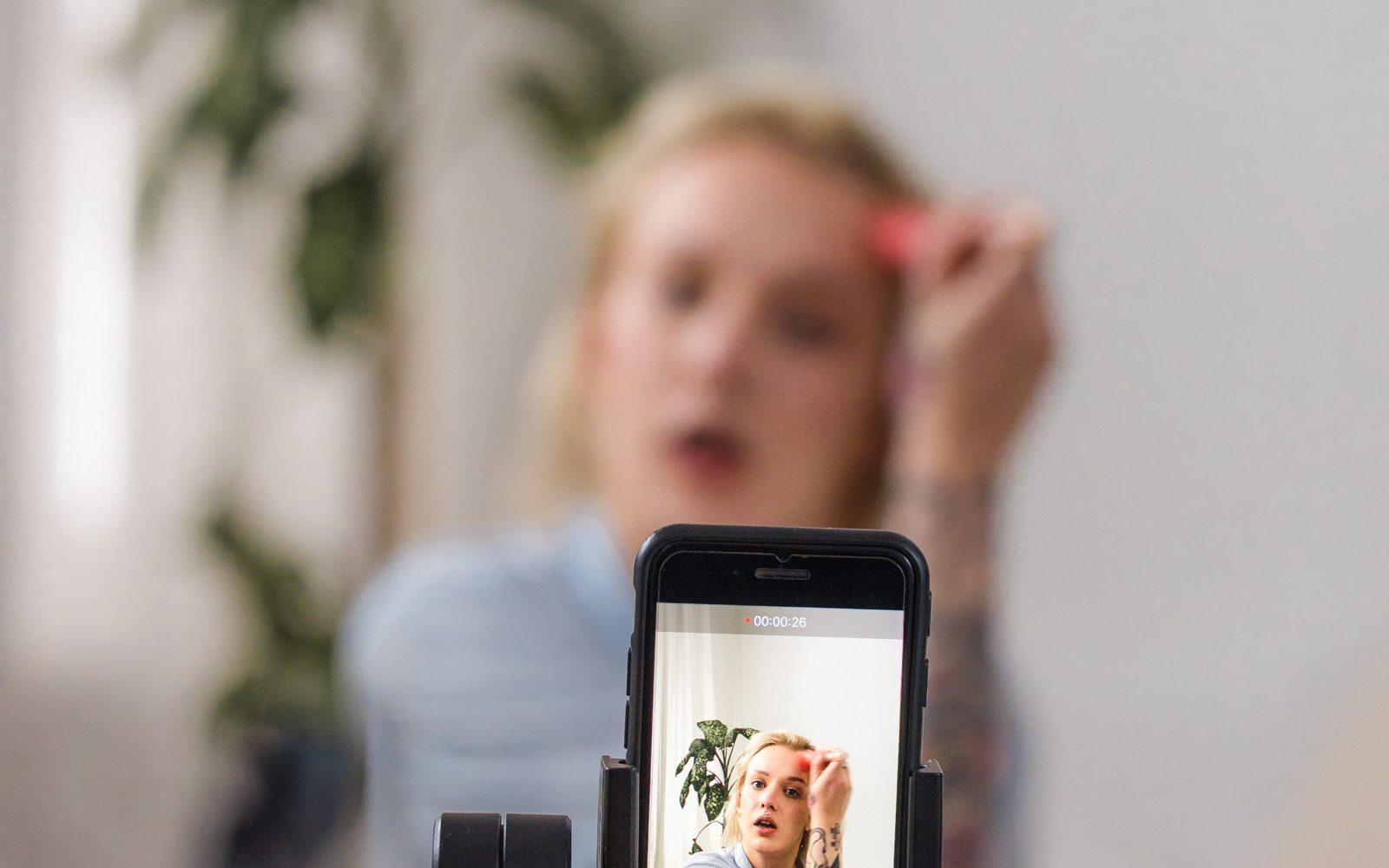
- Technique. Classes in diction, voice and on-camera acting at a community centre, amateur theatre or acting studio. The camera forgives less than the stage, so practise by filming yourself on your phone.
- Portfolio photos. One headshot and one full-length shot, in natural light, without filters or heavy retouching. The casting director must recognise you on set.
- Showreel. 1–2 minutes of short scenes: a monologue, a dialogue, an ad fragment. At first, self-recorded scenes are enough, as long as the lighting is good and the sound clean.
- Actor's profile card. Height, measurements, eye and hair colour, languages, skills (driving licence, dance, sports, an instrument). At commercial castings these details often decide.
- First sets. Extra work, film-school student projects, commercials and brand videos. Every day on set teaches you to work with a crew and gives you showreel material.
Ads and UGC as the fastest start on camera
Brands need people who act naturally on camera: show a product, play a short scene, deliver a line as if it were their own. Those are exactly the skills tested at castings. This kind of content is called UGC — video recorded by a creator for a brand, often not published on the creator's own profile, so you don't need a large following.
For a beginner actor it has three advantages: paid or barter jobs from the first month, ready-made scenes for your showreel and the habit of working to a script and brief. We explain how to record your first video and build a portfolio step by step in the guide how to start UGC without experience, and rates in how much a UGC creator earns.
How to become an actress — is the path different?
The path is the same: technique, photos, showreel, castings. In ads and UGC there are many jobs for women, especially in beauty, fashion and home — see which creators work in beauty and fashion. Always read the contract: the scope, duration and channels of image use should be written in it.
How to become a dubbing or voice actor
Dubbing and voice-over are a separate specialisation: diction, timbre, cold reading and acting with your voice alone in sync with a character all matter. Dubbing studios most often hire actors with stage experience, but a voice demo opens the door too — a few short recordings in different registers: ad, narration, character.
Good first jobs are voice-over videos for brands, narration for product films and faceless UGC where the voice is what counts. Such material goes straight into your demo.
How to become a voice-over artist (lektor)
To become a voice-over artist (in Poland called a lektor) you need neither a diploma nor a famous face: trained diction, a voice demo and basic recording gear are enough. First jobs usually come from online ads, product videos, e-learning and faceless recordings for brands. From there the path leads to audiobooks, radio and television.
Voice-over artist vs dubbing actor
A voice-over artist reads a prepared text: narration, an ad message, a training course or a film translation. In the Polish tradition of voice-over translation, the lektor reads the dialogue in a calm, neutral voice while the original soundtrack is lowered in the background. A dubbing actor plays a character with the voice alone, in sync with the lip movement on screen. A lektor doesn't have to play a character, but must read fluently, without mistakes and with the right emphasis.
Where voice-over artists work
- Advertising and voice-over. Radio spots, social media ads, product videos and company presentations.
- Audiobooks. Reading whole books takes vocal stamina and consistent interpretation over many hours of recording. Audiobook publishers often look for narrators for specific genres.
- E-learning and training. Online courses, instructions and HR recordings need a clear, calm voice.
- Faceless brand content. Narration for UGC videos, tutorials and faceless videos where the brand shows the product and you provide the voice.
Voice training
Before you record a demo, work on diction, breathing and voice projection. Read aloud for a few minutes every day: an article, a book passage, an instruction manual. Record yourself and listen for where you speed up, swallow word endings or lose intonation. Sessions with a speech therapist or voice coach help, as do workshops at cultural centres and acting studios. A voice-over artist has to sound natural even after an hour of reading, so practise longer passages, not just short ads.
The demo, or voice sample
The demo is the first thing a client will ask for. Record 3–5 short pieces of 20–40 seconds each: an ad, a calm narration, a training excerpt and, if you feel confident, a book passage. Start with the strongest recording, because listeners often stop after a few seconds. Write the scripts yourself or adapt public material for practice. Never present other people's productions as your own.
Equipment to start with
To start, a condenser microphone or a good USB microphone, closed-back headphones, a pop filter and a quiet room damped with blankets, curtains or a wardrobe full of clothes are enough. No echo and no noise matter more than an expensive microphone. Record in free audio editing software, save files in a lossless format and listen back on headphones before sending.
Where jobs come from
Voice-over work rarely starts with a full-time job ad. Jobs come from recording studios, ad agencies, audiobook publishers, training companies and directly from brands. The fastest way to gain experience is short recordings for brands: voice-over videos, narration for product videos and faceless UGC, where your voice matters, not your looks. You can add each such recording to your demo if the contract lets you show the material in your portfolio.
Before accepting a job, check in the contract where and for how long the brand may use your voice and whether it may modify it. Your voice is part of your image, so the scope of use should be written down just as for on-camera work.
How to get cast in a Netflix production
For series and films made for streaming platforms you don't apply to the platform itself. Casts are assembled by production companies and casting directors, just like on any other production. The route is the same: portfolio, showreel, an acting agency or casting databases, and experience from smaller sets. Be wary of ads that ask you to pay upfront for a “Netflix casting”.
How Blogger Bank helps you start a career on camera
The hardest part at the start is landing your first paid shoots and showreel material. On Blogger Bank brands publish video tasks for creators, and you choose which ones to apply for:
- Instead of waiting for an agency call — you browse brand tasks and apply to those that fit your look, voice and skills.
- Instead of sending CVs blindly — you fill in a creator profile that works as an actor's card and portfolio in one.
- Instead of agreeing terms in messages — the contract with the brand is generated automatically, with the scope of the content written down.
- Instead of worrying you won't get paid — secure payment reaches you after the content is approved.
- Instead of acting “for the drawer” — every task is a ready scene for your showreel.
See how to apply to a brand task, and sign up as a creator — your first time on camera can start with a video for a brand.
Frequently asked questions
How do you become an actor without drama school?
Start with classes at a studio or amateur theatre, get headshots and full-length photos, record a short showreel and apply to castings. The fastest on-camera experience comes from commercials, extra work and UGC videos for brands.
Do you need a diploma to act in film or ads?
No. Casting for films, series and commercials is decided by the director and casting director based on screen tests. A drama school diploma gives technique and eases the path into theatre, but it is not required to act on camera.
How do you become a voice-over artist with no experience?
Work on diction and voice projection, record a demo with 3–5 short pieces (ad, narration, training), and set up a quiet recording space with a microphone and headphones. First jobs usually come from online ads, e-learning and brand voice-over videos.
What should a beginner actor's portfolio include?
A portfolio means a headshot and a full-length photo without heavy retouching, a 1–2 minute showreel and an actor's card with measurements, languages and skills such as driving, dance or sports. Everything should show how you really look.
How do you become an actress with no experience?
The path is the same as for actors: acting and diction classes, photos, a showreel and castings. Commercials and UGC videos for beauty, fashion or home brands are a good start, as there are many jobs for women there.
How do you become a dubbing or voice actor?
You need good diction, a distinctive voice and the ability to act with your voice alone. Record a voice demo with a few short pieces: an ad, a narration and a character. First jobs can be voice-over videos for brands and faceless UGC.
Where can you find voice-over work in Poland?
Voice-over jobs come from recording studios, ad agencies, audiobook publishers, training companies and brands. Short recordings for brands work well at the start: narration for product videos and faceless UGC, which you can add straight to your demo.
Does making UGC videos for brands help you become an actor?
Yes. Recording ad scenes for brands teaches you to act on camera to a script, gives you ready scenes for your showreel and first paid jobs. On Blogger Bank you can sign up as a creator and apply to such tasks.