How can a creator present a tasting menu before a first visit?
Short answer
Present a tasting menu with a creator as an experience guests can plan themselves. Prepare verified information about menu choices, dinner, drinks and booking. Commission scenes addressing specific concerns, not compulsory praise. On Blogger Bank, describe the visit and collect applications. Check the finished video against the actual offer and the path to booking.
How can you present a tasting menu with a creator to guests who feel nervous about their first visit? Instead of commissioning praise for the food, commission a video that helps viewers plan their evening. Show them how to choose a menu option, what happens between courses and what they can ask the staff. A creator their audience already trusts can voice those concerns without making it feel like a test of culinary knowledge. The restaurant must first provide answers that reflect its normal service, not a special promotional visit.
Create a brand account on Blogger Bank and outline a video about a first tasting-menu experience. Prepare the current menu, booking terms and a list of guests' questions. Applications help you find a creator for a specific task, rather than someone who will simply photograph an impressive plate.
Beautiful dishes do not explain whether this evening is for me
Someone considering a tasting menu for the first time may appreciate the quality of the food and still put off booking. They do not know whether they need to recognise ingredient names, how to explain their needs or whether they will catch the last train. This calls for different communication than persuading a regular to try a new menu. Define the audience in the brief: a guest interested in dinner but unfamiliar with this format.
A price cut will not explain how the evening unfolds. Interior photographs do not show the conversation when a course arrives, and a quick montage of plates can hide the pauses between dishes. Those materials can still attract attention. A creator's video should complement them with an experience viewers can relate to their own plans. If the problem is an unclear offer or inconsistent service, fix that in the restaurant first.
Do not repeat the entire guide to organising restaurant marketing with creators. Here, the deliverable should explain a first tasting-menu experience. A creator's reach is useful only when it connects with people who can and want to enjoy that experience.
Start with an evening fact sheet, not a script of admiration
Before inviting a creator, gather information from the front-of-house manager, the kitchen and the person handling bookings. Make a short fact sheet for the video. Assign someone to each answer who will confirm it is current before publication. Do not ask the creator to guess the rules from a single dinner.
- Choice: which menu options are actually available and when the guest needs to decide.
- Timing: how the evening is likely to unfold, when service begins and how to agree on a departure time.
- What the order includes: what comes with the chosen option and which drinks or extras are ordered separately.
- Guest needs: how to report dietary requirements and who confirms whether the restaurant can accommodate them.
- Booking: where to check the current offer, available dates and booking terms.
Do not give a universal duration or promise that every menu can be adapted. The creator is talking about a specific restaurant and offer. If an answer depends on the day or option, the video should point to where it can be checked. A link to current terms is better than a promise the team will be unable to fulfil.
Turn concerns into scenes you can film
Choosing without knowing the chef's vocabulary
The first video could show the decision before the visit. The creator opens the current menu, points out an available option and asks a staff member what needs to be agreed when booking. The explanation should focus on what the guest needs to do, not the history of every ingredient. Viewers should understand what they choose themselves and what is already part of the planned dinner.
This format suits a creator who usually explains new experiences in plain language. Do not require them to pretend they know nothing. If they are familiar with tasting menus, they can collect questions from their audience and put them directly to the staff. When reviewing the video, check whether viewers know their next step rather than judging only how polished the delivery sounds.
The rhythm of dinner rather than a catalogue of plates
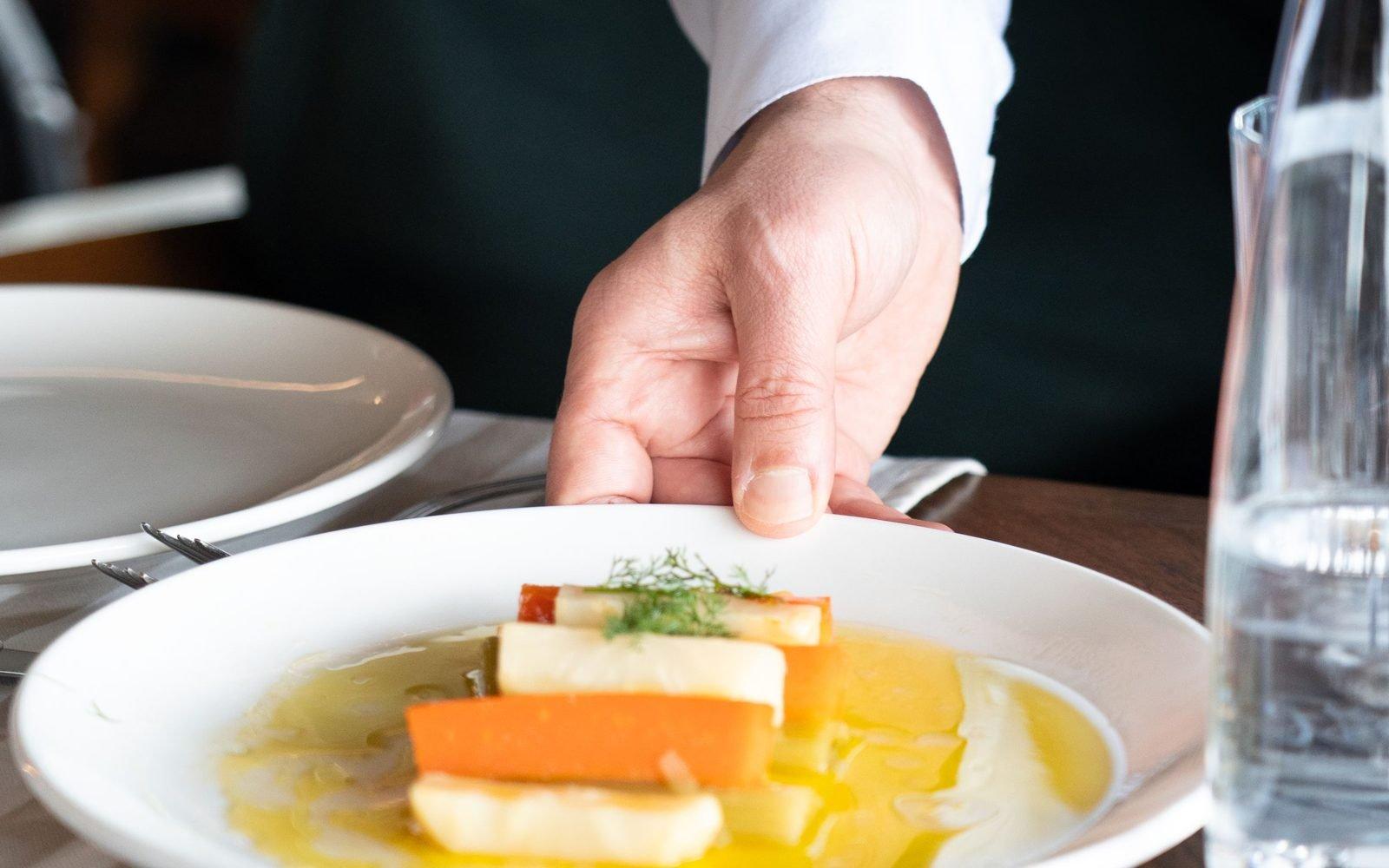
The second scenario focuses on timing. Show part of a course being served and a moment between courses: conversation at the table, a change of cutlery, an opportunity to ask a question. A short video does not have to recreate the whole evening, but the edit should not suggest that all the dishes arrive at once. Distinguish a condensed video from the sequence of a real visit.
For example, a couple wants to take the train home after dinner. Instead of promising they will definitely make it, the creator shows where to ask about the expected finishing time before booking. The restaurant provides its own current information. This helps people decide without inventing a “standard tasting-menu duration”.
Talking to staff without staging a test
The third video could focus on a conversation: a guest asks for an ingredient name to be repeated or asks how to eat a dish. Film the normal response of a staff member who will handle similar visits. Do not stage a scene where the creator deliberately makes a mistake and a waiter corrects them. The aim is to show communication, not reinforce the fear of being judged.
Agree on a filming location that will not disturb other tables. Do not record incidental guests or private conversations. If a scene is filmed before service, do not present it as spontaneous footage of a full dining room. A demonstration can be useful, provided it shows how service really works.
Show the limits of the offer as clearly as its benefits
A non-alcoholic option is worth presenting as a normal choice if the restaurant genuinely offers it. A shot of a glass alone does not explain whether the drink is included in the menu, an extra or part of a separate pairing. Have the creator name the chosen option and direct viewers to the current menu for details. Do not imply that ordering alcohol is compulsory or that an alternative is available when the restaurant has not prepared one.
Treat portion sizes similarly. Show the actual servings and explain that the video condenses successive stages of dinner. Do not commission an assurance that “everyone will leave full”. The creator can describe their own experience, but the restaurant should not turn it into a promise for everyone. If viewers see only a small plate, they need the context of the whole menu, not more emphatic praise.
For dietary requirements, the video's job is to direct guests to contact the restaurant before booking. Do not ask the creator to assess dish safety or promise that the kitchen can accommodate every case. The answer must come from the restaurant team and address the specific need raised. When something cannot be provided, saying so before booking is part of an honest presentation.
Commission a video through Blogger Bank with clear acceptance criteria
On Blogger Bank, you post a brief and receive applications from creators. For a restaurant, this means setting out the topic, timing and visit terms from the start instead of repeatedly explaining the task in scattered messages. Post a brief explaining a first tasting-menu experience and specify whether you want a post on the creator's profile or files for your own channels.
Choose based on the portfolio and audience fit. Look at whether the candidate can ask a practical question and give the other person room to answer. Request available audience location data if you are commissioning publication. Use the food creators category as a starting point; an attractive food profile alone does not prove an ability to explain a new experience.
Example brief: “We are showing a first visit by someone interested in a tasting menu who does not know how to plan it. We need a video covering the menu choice, a moment of service and a route to the current booking page. We provide a fact sheet and contact details for the front-of-house manager. The creator keeps their own voice and opinion; we are not commissioning mandatory praise.” This is an example assignment, not a description of a completed campaign.
Add the file format, publication channel, deadline, meal arrangements and payment to the brief. Agree on advertising disclosure, the scope of revisions and whether the restaurant may reuse the video later. Do not assume that receiving a file automatically includes permission to run it as an advertisement. Keeping agreements and materials with the brief makes it easier to check that both sides mean the same deliverable.
When reviewing the video, compare it with the fact sheet. The menu option must match the dishes shown, the drinks information must not imply more is included than actually is, and the link should lead to the current booking page. Correct factual errors, but do not demand the removal of an honest observation just because it does not sound like advertising. Attractive visuals cannot replace accurate information.
Booking should pick up where the video leaves off
Viewers who have watched a specific tasting-menu experience should not have to search for it among outdated events after clicking. Follow the journey from the post to the menu page and form on a phone. Check that the option names match and that it is clear how to ask a question before confirming a visit. The restaurant handles bookings, not the creator or Blogger Bank.
If the video is also meant to support a quieter weekday, name a date when the tasting menu is available. Do not automatically add a promise of daily bookings. The separate guide on attracting guests to a restaurant during the week helps you choose the occasion; here, the priority is making sure the invitation matches the actual experience.
After publication, collect recurring questions and booking sources. Distinguish a visit to the form from a confirmed booking, and a booking from an attended visit. No questions about what to wear do not yet prove that the video removed that concern; fewer questions may also reflect lower interest. Compare questions, bookings and attendance while accounting for menu changes and other promotional activity.
Start with one specific experience: after watching, guests know what to check and how to book their first tasting menu. Put that promise into the brief before choosing the most beautiful shots.
Frequently asked questions
What should a creator show during a first tasting-menu visit?
Show the menu choice, part of the dinner, interaction with staff and how to book. The restaurant supplies current information. The video should help guests plan a visit, not simply showcase impressive plates.
Do you need a food critic to promote a tasting menu?
No. Audience fit and the ability to explain the experience plainly matter more. Check the creator's portfolio and questioning style. An expert can also help beginners without assuming they already know culinary terminology.
How can a short video show how long dinner takes?
Show a course arriving and a moment between dishes, explaining that the video condenses the evening. The restaurant confirms timing for its offer. Do not present a fast edit as the actual service pace for every guest.
Should the creator promise that everyone will leave a tasting menu full?
No. Creators can describe their own experience and show actual portions within the whole menu. The restaurant should not turn a personal opinion into a universal promise or let careless editing hide how many stages dinner includes.
How should you describe a non-alcoholic tasting-menu option?
Show an option the restaurant actually offers and explain whether the drinks accompany the menu or require a separate order. Refer viewers to the current menu for details. Do not suggest an alternative is available without confirmation before publication.
What should you include in a Blogger Bank brief?
Describe the guest, their concerns, the menu option, visit date and expected deliverable. Distinguish creator publication from files for the restaurant. Include a staff contact, meal arrangements, payment, advertising disclosure and video acceptance criteria.
How should you review a video about a first restaurant visit?
Check the menu, drinks, visit sequence and link against the current offer. The video should answer the agreed guest questions and clearly disclose the collaboration. Keep factual corrections separate from imposing a positive opinion about dinner.
How can you check whether the video helped with bookings?
Collect booking sources, recurring questions and completed visit data. Opening the form is not a booking. Compare similar periods, accounting for the current menu and other activity rather than attributing all growth to one video.