Private label: how to promote it with creators
Short answer
A private label is a product sold under a retail chain's brand rather than the manufacturer's. Shoppers often assume it is worse simply because they don't know it. Creators build trust by showing the product in use: blind tests, recipes, factory visits. On Blogger Bank you describe the product in one task, creators apply on their own and the contract is generated automatically.
The most effective way to promote a private label (store brand) with creators is to show it in real use: in the kitchen, in the bathroom, side by side with a well-known brand, with an answer to the question “who actually makes it”. Shoppers at the shelf don’t know your brand and often assume that cheaper means worse. A creator whose audience trusts them breaks that assumption faster than a leaflet or a price tag. On Blogger Bank you describe the product in one task, creators apply on their own and the contract is generated automatically.
What a private label (own brand) is
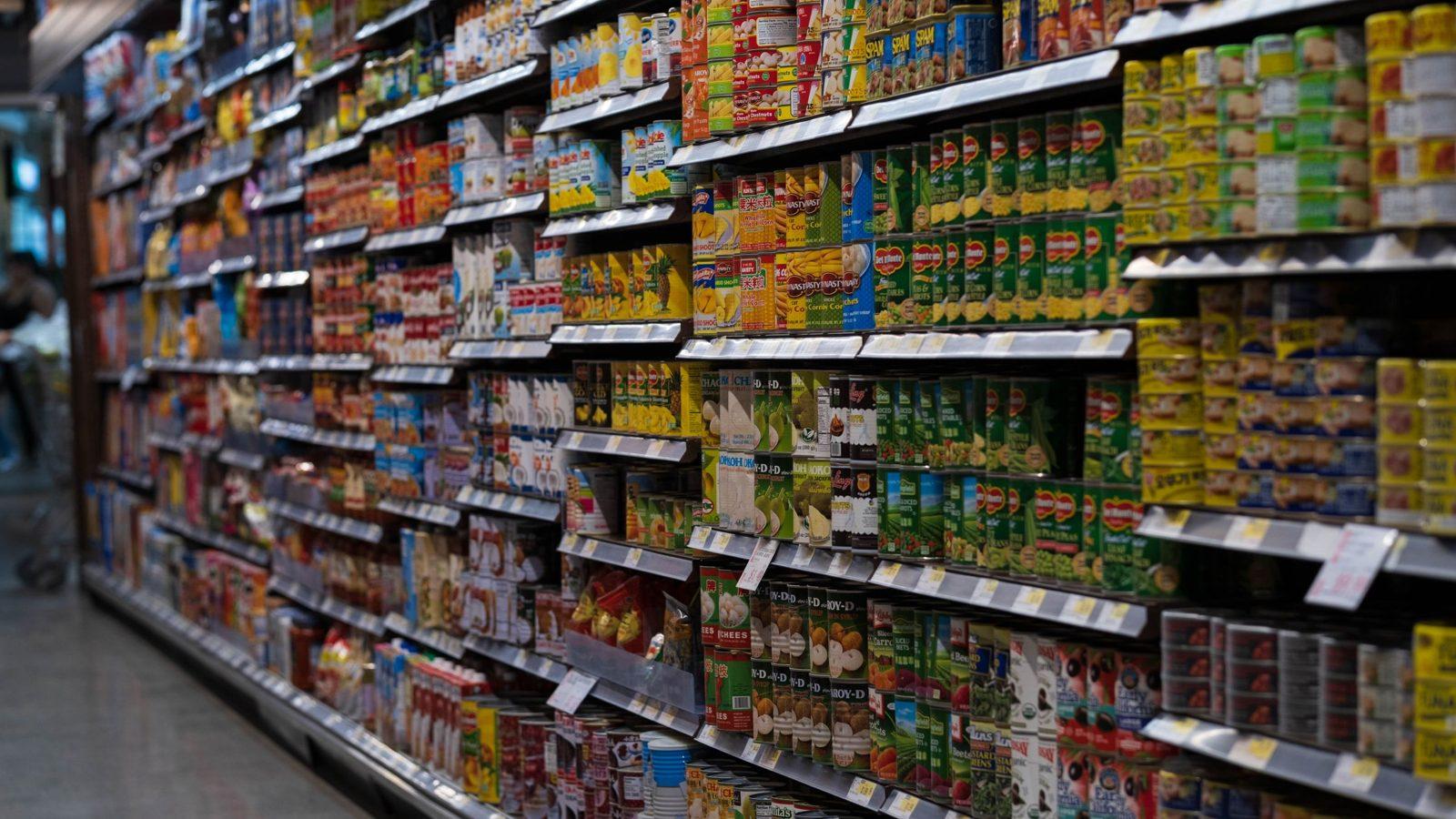
A private label, also called an own brand or store brand, is a product sold under the brand of a retail chain or distributor rather than under the brand of the manufacturer that makes it. The chain orders the product from a manufacturer, sets the recipe or specification, the packaging and the price, and then sells it in its stores under its own name. On the other side is the manufacturer, which produces goods for one or several chains, sometimes alongside its own branded products. More on the market is published by PLMA, the Private Label Manufacturers Association.
This is not a niche. According to NielsenIQ data prepared for PLMA, private labels accounted for 38.7% of sales value across 17 European countries surveyed in 2025 (MAT to week 40 of 2025), and Poland was among the countries with the fastest growth in that share, at +0.5 percentage points (PLMA, 2025). So more and more products are fighting for shopper attention on the shelf without the backing of a big TV campaign.
Why shoppers don’t trust private labels
The problem with a private label is rarely quality. It is that the shopper has nothing to hold on to. They know the branded product next to it from ads, from friends, from childhood. They see your product for the first time, in simpler packaging, at a lower price. The brain takes a shortcut: lower price plus unknown name equals compromise.
That is why promoting a private label is above all about trust, not reach. Shoppers need to see three things:
- that the product works or tastes as the packaging promises,
- that someone like them uses it, not an actor from an ad,
- that the lower price has an explanation, such as no big campaign costs, not worse ingredients.
Creators deliver exactly that. Their audiences treat a recommendation like the opinion of a friend who tried the product first. A leaflet shows the price; a creator shows why the product belongs in the basket.
Formats that build trust in a private label
Not every influencer marketing format suits a private label. The ones that work best answer the “isn’t it worse” doubt head-on.
Blind test and comparison with a known brand
The creator tries two products without labels, or has family and friends taste them, and then reveals which was which. This format hits the “cheaper means worse” belief hardest, because the verdict comes from someone who didn’t know what they were trying. Two rules: the result must not be staged, and the description must not disparage the competing brand. You compare taste, texture, ingredients and price; you don’t insult anyone’s product. If your brand doesn’t win every category, that’s fine: an honest result is more credible than five stars across the board.
Unboxing and first impressions
A short video in which the creator opens the product, reads the ingredients, checks the scent or texture and says what surprised them. For private labels, unboxing makes most sense for a new line or refreshed packaging, when you want shoppers to recognise it on the shelf.
Recipe or how to use it
The most natural format for food, household cleaning products and cosmetics. A food creator cooks dinner with products from your line, a cleaning creator shows how your liquid deals with limescale, a parent shows their morning routine with your children’s products. The product isn’t the explicit hero, but shoppers see it in action and remember the packaging.
“Who makes it” — a visit to the manufacturer
One of the most common questions about a private label is who is really behind it. If the manufacturer and the chain agree to show it, a creator can visit the plant, talk to a food technologist, show the production line or where the raw material comes from. Such content turns an anonymous product into the story of a specific place and people. If you can’t reveal the manufacturer’s name, showing quality control, ingredients and the process without commercial details is enough.
A “week with the own brand” series
For a week the creator replaces their usual products with products from your line and honestly reports what stays in their basket for good. It’s a multi-post format that shows the product in everyday life rather than in one-off enthusiasm.
How to match creators to the product category
A private label rarely means a single product. A chain may sell yoghurt, toilet paper and hand cream under one name. That’s why you pick creators by category, not for the brand as a whole.
- Food and drinks — food creators, home cooks, people who cook for their family every day. Look for them among food influencers.
- Household cleaning and home products — creators focused on cleaning, organising and furnishing, i.e. home creators.
- Children’s products — parents who show everyday life with small kids and say honestly what works.
- Cosmetics and hygiene — skincare creators, but also people who compare ingredients and explain them in plain language. See the beauty influencers category.
- Pet food — dog and cat owners who show the pet at the bowl and talk about ingredients.
For a private label, whether the creator’s audience shops where your product sits matters more than follower count. A creator with big reach whose viewers buy only premium products online will bring less than someone cooking budget dinners for a family of four whose viewers go to the same chain every week. Look at who the audience is, which cities they live in and what they ask in the comments.
The retail chain’s view versus the manufacturer’s view
Two parties can decide on private label promotion, and each has different goals and constraints.
Retail chain
The chain owns the brand, so it usually runs the campaign. Its goal is not just to sell one product but to build shopper confidence in the whole own brand: if they like the yoghurt, they’ll also reach for the pasta and washing-up liquid under the same name. The chain has a data advantage: it sees sales in every store, can offer a coupon in its loyalty app and measure the effect precisely. Umbrella campaigns make sense for a chain, with several creators from different categories showing different products of the same brand at the same time.
Private label manufacturer
The manufacturer makes the product but doesn’t own the brand. It has to agree the campaign with the chain: what may be shown, whether the plant can be named, what content the chain will approve. For the manufacturer, creator promotion is also a negotiating argument. Showing the chain that the product sells better after a campaign strengthens its position for the next contract. The manufacturer can also promote its own branded line alongside the private label and use the “who makes it” format if the chain agrees.
In both cases, agree early on who approves content and who has the right to use it. Missing this agreement is the most common reason a good video never makes it onto the store’s website.
Creator brief: what to include for a private label
A good brief saves revisions and protects you from content you can’t use. For a private label it should include:
- where to buy the product — the chain’s name, whether it’s in every store and in the chain’s online shop,
- the shopper’s main doubt the content should answer, e.g. “does it taste like the original”,
- the format — blind test, recipe, how-to, visit to the manufacturer,
- what not to say — e.g. don’t promise effects the product doesn’t have, don’t disparage other brands,
- disclosure — the content is advertising and must be clearly labelled, as explained in our ad disclosure entry,
- content rights — whether the chain or manufacturer may use the video in the online shop, on in-store screens and in ads.
Leave the creator freedom in how they tell the story. Audiences quickly sense a script written by a marketing department, and with a private label authenticity is the campaign’s entire capital.
How to measure private label promotion
Most private labels sell in physical stores, so you can’t measure the effect by link clicks alone. Three data sources help.
- Sales in the chain. Compare product sales during the campaign with the period before, ideally also with regions or stores where the campaign was less visible. The chain has this data; the manufacturer can request it as part of its cooperation with the chain.
- Codes and coupons. A separate discount code per creator, redeemable in the chain’s app or online shop, shows who brought in buyers.
- Trust signals. Questions in comments, searches for the product name, reviews in the chain’s online shop. If after the campaign shoppers ask “where can I buy it” rather than “is it any good”, the trust barrier is starting to fall.
We cover measuring campaigns without online sales step by step in our guide on measuring a creator campaign in brick-and-mortar stores. Don’t judge a campaign after the first week: shoppers often need several contacts with a product before buying, and grocery shopping follows its own rhythm.
How to reuse creator content on the shelf and in e-commerce
A creator’s video or photo works longer than the post on their profile. You can reuse UGC content in many places, provided the rights are written into the contract:
- on the product page in the chain’s online shop — real-use photos next to the packshot,
- on in-store screens and materials — a short clip of the blind test by the shelf or at a tasting stand,
- in the chain’s leaflet and app — a creator quote or a frame from the recipe next to the product,
- on packaging or a shelf hanger — a QR code leading to a recipe or how-to video,
- in social media ads — creator content often looks more credible than a studio ad.
How to order photos that are ready for the store and marketplaces is covered in our article on product photos from UGC creators.
Common mistakes in private label promotion
- A price-only message. “Cheaper” reinforces the idea of a compromise. Talk about quality, ingredients and use, and present price as an extra argument.
- Staged comparisons. Audiences quickly sense a test whose result was known in advance. One such piece can damage the whole brand.
- No information on where to buy. A shopper convinced by a video won’t find the product if the creator doesn’t say which chain carries it.
- A campaign without availability. Promoting a product that isn’t on the shelf in some stores frustrates shoppers and wastes budget.
- One creator for the whole brand. A food creator won’t sell laundry detergent. Match creators to categories.
- No agreement on content rights. Without it, the best video stays only on the creator’s profile.
How Blogger Bank helps you promote a private label with creators
A private label owner, whether a chain or a manufacturer, needs creators from several categories at once, clear rules on content rights and control over what gets published. On Blogger Bank the whole collaboration cycle happens in one place:
- Instead of searching for creators in each category separately — you describe the product and the format, such as a blind test or a recipe, in a task, and creators it suits apply on their own.
- Instead of guessing whether a creator’s audience shops at your chain — you browse profiles that creators fill in themselves, not data scraped automatically from the web.
- Instead of agreeing content rights in messages — the contract with the chosen creator is generated automatically, so terms are recorded from the start.
- Instead of paying upfront for content you haven’t seen — secure payment is released to the creator after you accept the content.
- Instead of chaos in an umbrella campaign across several categories — chats, contracts and terms with many creators are managed in one panel.
See who you can invite to your campaign in the influencer catalogue. Create a brand account and describe a product from your private label in your first task — the one you want shoppers to trust.
Frequently asked questions
What is a private label (own brand)?
A private label, or own brand, is a product sold under the brand of a retail chain or distributor rather than the manufacturer that makes it. The chain sets the specification, packaging and price, and the manufacturer produces the goods to order.
Why don't shoppers trust private labels?
Shoppers don't know a private label from ads or friends, and they see simpler packaging and a lower price. They take a shortcut: cheaper and unknown means worse. So the barrier is usually trust, not the product's actual quality.
How do creators help promote a private label?
Creators show the product in real use: in a recipe, while cleaning, compared with a well-known brand. Their audiences treat it like the opinion of a friend who tried the product, so they drop the cheaper-means-worse belief faster.
Is a blind test a good format for a private label?
Yes, if the result isn't staged and the description doesn't disparage the competing brand. The creator compares taste, ingredients and price without labels. An honest result, even if the brand doesn't win everywhere, is more credible than pure praise.
How do you choose creators to promote a private label?
Match creators to the product category, not the whole brand: food creators for groceries, cleaning creators for household products, parents for children's products. What matters is whether their audience shops at the chain that stocks the product.
Who should promote a private label: the chain or the manufacturer?
The chain usually runs the campaign because it owns the brand and has the sales data. The manufacturer can promote the product in agreement with the chain, for example by showing the plant, and use the results in its next contract negotiation.
How do you measure a private label creator campaign?
Compare sales in the chain before and during the campaign, ideally also against stores where it was less visible. Give each creator a separate code in the chain's app and watch for questions about where to buy the product.
Where can you reuse creator content about a private label?
On the product page in the chain's online shop, on in-store screens, in the leaflet and app, via a QR code on the packaging and in social media ads. The rights for such use must be written into the contract with the creator.