How to Test Demand for a New Salon Service?
Short answer
Test demand by presenting the planned price, scope and appointment length to people who could visit your salon. A local creator can explain the proposal and reach beyond regular clients. Use Blogger Bank to commission content and publication linking to your interest form. Compare responses with implementation costs; submissions do not guarantee bookings.
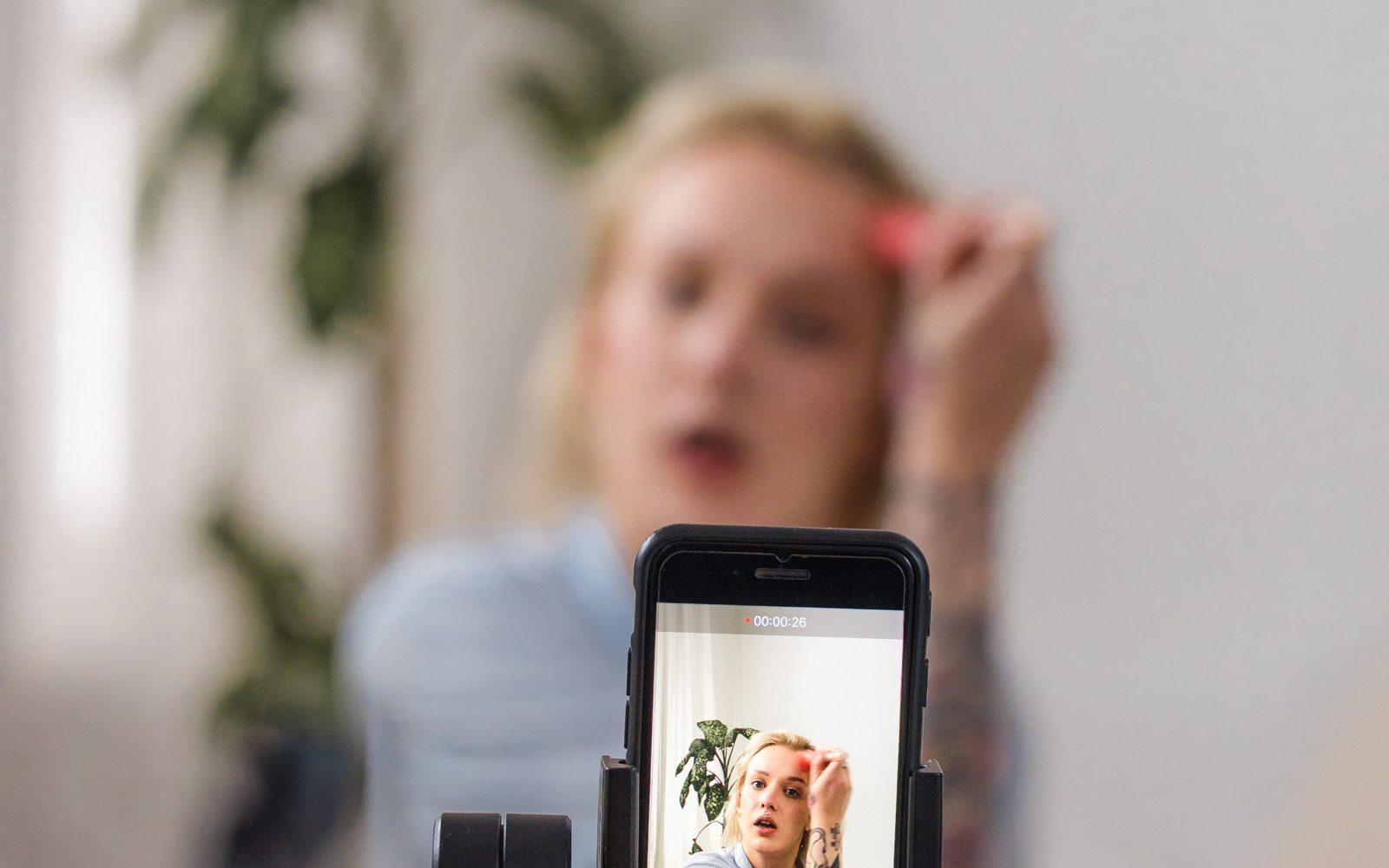
How can you test demand for a new salon service before buying equipment and paying for training? Present a specific proposal to people who could visit and see whether they want further contact after learning the price and appointment length. A local beauty creator helps you reach beyond regular clients: she explains the idea in her own words, asks the owner questions and directs interested people to the salon. Instead of another “do you like it?” poll, you get an opportunity to discuss a real need.
This matters when a new service still needs to find its clients. Someone familiar with the creator’s posts may stop to watch a conversation about the service, even if they would scroll past its name in an advertisement. Create a brand account and post a brief on Blogger Bank to present your planned service. You are commissioning an explanation and access to a local audience, not a guarantee of future bookings.
Why a poll and an introductory discount are not enough
Regular clients know the salon and may praise the idea out of goodwill. A poll on your own profile will not automatically show whether people who have never visited would be interested. Meanwhile, a discounted price primarily tests the appeal of the discount: responses may differ under your intended terms. If explaining value is the problem, see how to communicate a salon offer after a price increase.
Paid advertising can deliver reach, but a picture of equipment alone does not explain why someone should book. A creator brings something different: a conversation from the audience’s perspective, a familiar way of telling a story and an opportunity to ask questions. She cannot turn a poor idea into a good one through marketing. If the service scope, safety or team readiness raises concerns, resolve those first.
Start with an offer people can honestly assess
Give the creator the planned scope, price, appointment length, location and intended clients. Distinguish confirmed details from assumptions. State clearly on the salon website: “We are considering introducing this service. We are collecting interest, without bookings or payment.” The content must not pretend to document a treatment you do not yet perform or present another salon’s results as your own.
Prepare a form offering voluntary follow-up and space for a question. Collect only necessary data, explain its purpose and privacy arrangements, and do not request medical histories. The salon manages the list, not the creator. This guide concerns ordinary beauty services, not medical procedures or promises of treatment. A proposal prepared this way lets the creator invite people to assess something specific rather than advertise a vague new addition.
Three creator scenarios before you invest
A salon conversation: does this meet a client need?
An example to adapt: a salon is considering a new nail service for people seeking a natural finish. Invite a local creator to interview the owner. Commission a Reel in which she asks how it differs from the current offer, its planned length and price, plus Stories linking to the description. Show the salon and the conversation, not a staged treatment. The deliverable is a clear presentation of the idea with a route to express interest.
Select the creator by her audience, not just her home address. Ask for information about audience locations and review her previous beauty content. The beauty creators page provides profile examples and format rates with a measurement date; agree the actual fee for this brief. A smaller audience connected to the area may fit the test better than viewers scattered across the country.
Stories with questions: what is stopping people from visiting?
Once viewers know the proposal, commission follow-up content from the same creator addressing recurring questions. Rather than asking “would you like something new?”, ask what remains unclear after seeing the terms. The salon prepares factual answers; the creator presents them in her own voice and repeats the link. Agree a set of Stories and a summary of question themes, without sharing clients’ private messages.
This helps distinguish a lack of need from a lack of explanation. If questions mainly concern appointment length, refine the message. If viewers understand the proposal but reject its terms, do not ask the creator to make stronger promises. That is information for changing the offer or postponing investment, not a failure to hide behind greater reach.
A website video: the same proposal for more visitors
If the service description sounds technical, commission a short UGC video in which the creator explains the proposed visit and questions worth asking the salon. Place it beside the terms and form after agreeing usage rights. Separately agree publication on the creator’s profile if you also need her audience. Buying a file alone does not provide access to her followers.
If the form stays empty, first check whether anyone has seen the offer. The guide to bringing local visitors to a salon website can help. No submissions without visits says little about demand. The creator’s content should give viewers a reason to visit and help them decide, not simply decorate the page.
How to organise the test through Blogger Bank
You do not have to start by searching profiles and sending each person a different message. On Blogger Bank, you post a brief and interested creators apply. Describe the neighbourhood, planned service and selected scenario so they see the terms before applying. For local filming, use the Influencers Friendly map, then review experience and work samples when choosing. Proximity makes a visit easier; audience fit helps reach potential clients.
Post a brief for a creator to explain your new service to your area. Include the content goal, what you do not yet offer, planned terms, format, publication location, form link, deadline and video usage rights. Agree advertising disclosure. Accept work based on accuracy, a clear “planned service” message and a working route to the form, not a promised number of future clients.
Messages, files and agreements attached to one brief make it easier to correct an inaccurate price before publication. For paid work, you fund the budget upfront and the creator receives payment after you accept the result. This gives you control over accepting commissioned work, not a guarantee of demand. You can also agree barter for a service the salon already safely provides, not the unfinished new offer.
Registration is free; that does not mean the whole collaboration costs nothing. Check access options and current terms on the pricing page. The page for brands explains the ordering process. Blogger Bank organises creator collaboration; the form, follow-up and investment decision remain the salon’s responsibility.

What the results tell you about buying equipment
Separate views, offer visits, submissions and renewed interest at the planned price. Follow up with people who agreed to contact and ask about realistic appointment times. Do not count every response as a sale. Compare concrete interest with training, equipment and material costs and time taken away from existing services. No universal number of forms justifies a purchase.
In BEAUTY FORUM’s article on planning a new salon treatment, Marta Fiłoń notes that a lack of clients for current services is not itself a reason to buy another device. A creator test should help you observe responses to a specific proposal, not justify an investment already chosen. One creator’s audience is not a representative sample of the entire city.
When the offer is ready and the decision to introduce it is justified, plan the actual launch. The guide to launching with creators explains publication planning using products as examples. In a salon, sales must also wait for staff readiness and the ability to deliver the service.
Where to start
- Post a Blogger Bank brief to explain one planned service: specify the local audience, terms and deliverable.
- Choose a suitable creator, prepare the salon’s form and approve the message before publication.
- Compare concrete interest with implementation costs; decide whether to launch, change the proposal or postpone the purchase.
Frequently asked questions
Does this test make sense for a small salon?
Yes, if you want to understand local responses to a specific proposal. Choose a local creator and a focused deliverable. A small salon needs people who could actually use the service, rather than nationwide attention.
Do I need to commission a large campaign?
You do not need an extensive campaign to begin. Set a budget for a specific video and publication, then compare creator proposals. Also check platform access costs and usage rights instead of assuming registration covers the entire collaboration.
How should I choose a creator to test interest?
Check whether her viewers live within travelling distance of the salon and care about similar services. Ask for audience information and review previous content. The creator’s home address alone does not establish that her audience is local.
What can I commission before the service is available?
Commission a conversation about the planned service, an explanation of its terms and an invitation to express interest. Clearly state that you are not taking bookings or payments. The creator must not pretend to have received an unavailable treatment.
Should the creator mention the planned price?
Yes, because interest in a name does not mean acceptance of appointment terms. Present the price alongside scope and duration, marking them as provisional. If the proposal changes, test interest again rather than relying on earlier statements.
How can I tell whether the collaboration helped assess demand?
Separate views, offer visits and voluntary submissions. Follow up with interested people who agreed to contact, asking about terms and realistic appointment times. Concrete answers are more useful than likes, but they still do not constitute sales.
Does Blogger Bank conduct the research for the salon?
No. Blogger Bank helps organise the brief, select a creator and manage agreements about content. The salon prepares the proposal, handles the form and analyses responses. Accepting a creator’s work does not establish investment viability or guarantee future bookings.
What should I do if there are few submissions?
Check whether the right people saw the offer and understood its terms. No visits does not prove a lack of need. If viewers still do not want an appointment after clarification, change the offer or postpone investment rather than strengthen promises.