One Regular Creator or Several on Your Brand’s TikTok? Choosing and Replacing Hosts

Short answer
Choose the number of regular creators for your brand’s TikTok around segment tasks and filming arrangements. One host can cover a consistent range of topics; several make sense for different skills or locations. Commission comparable trials before an ongoing collaboration. Before changing hosts, prepare a segment brief, reference materials and a handover plan for unfinished episodes.
Should your brand’s TikTok have one regular creator or several? Start by dividing up the topics, not counting faces. One host is enough if they can credibly cover the whole planned series and keep up with the filming schedule. Several make sense when each brings different experience or takes responsibility for a clearly defined segment. Randomly swapping people in similar videos is not yet a channel strategy.
When choosing hosts, samples of specific scenes are more useful than profiles with large audiences alone. On Blogger Bank, you can describe the assignment and collect applications from creators. Create a brand account and prepare a trial assignment for hosting a segment: specify the product, episode topic and publishing destination. The channel calendar and casting decisions remain the brand’s responsibility.
Define the segments first, then choose the hosts
A regular creator working on a brand account does not have to publish the content on their own profile. In this model, they supply footage or appear on camera, and the video goes on the company’s TikTok. Separate this work from campaigns on influencer profiles: you are choosing someone for a task on your channel, not automatically buying access to their followers. Our guide to starting a business TikTok with creators covers the broader first steps.
Write down why a viewer should return to each segment. “New arrivals” is a catalogue label; “we check whether it fits in a small kitchen” promises a specific demonstration. Alongside it, note the skills required: explaining things calmly, using the product confidently, talking to customers or demonstrating it on location. Only then can you assess whether one person really suits every episode.
Do not create a separate segment just because another creator wants to take part. If two formats answer the same question and differ only in the face on screen, clarify their purposes first. Otherwise, after publication, it will be hard to tell whether a new host contributed something to the channel or simply got a more interesting product.
When one host is enough
One person is a sensible choice when the channel centres on similar demonstrations and the brand can prepare products and information in one place. The host does not then need to pretend to be an expert on everything. They learn a repeatable way of presenting, know viewers’ usual questions and can revisit them in later videos. Still, establish their actual availability for filming and revisions rather than assuming an ongoing collaboration means being ready whenever you call.
The risk of relying on one face becomes clear when that person is absent from the shoot. Check whether you can publish a useful product demonstration, hands-only footage or an employee’s answer without the host. This backup content should still deliver on the segment’s promise. A random warehouse video cannot replace a product test just because it is ready to upload.
Do not expect the host to also be the scriptwriter, camera operator, editor and person answering every comment. You can commission that scope of work, but you need to spell it out. Choosing one person to appear on camera does not mean one person has to run the whole channel.
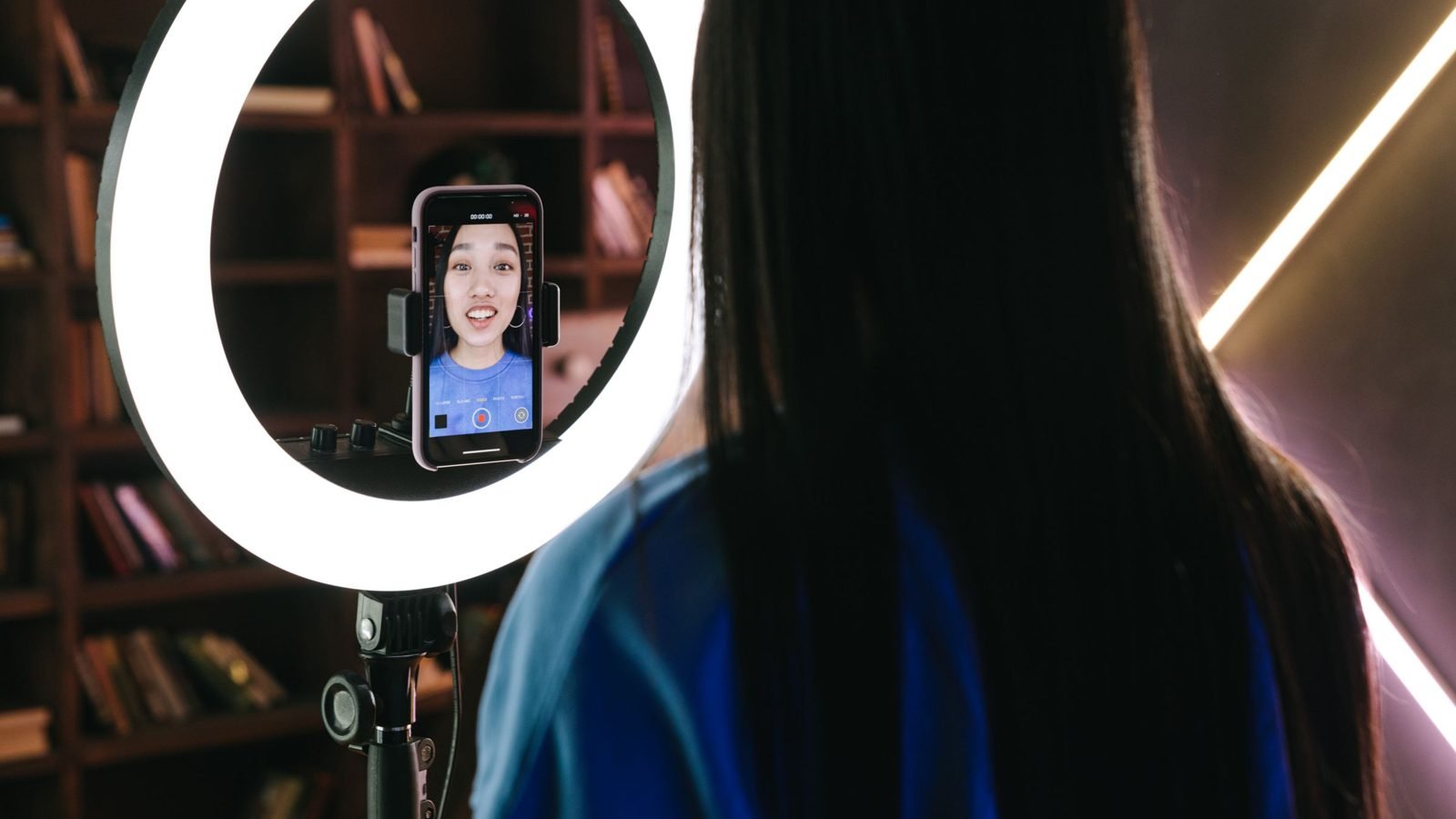
Several creators need different jobs, not a popularity contest
Split the hosting roles if the topics require different skills or filming conditions. One person might explain how to choose a product at home, while another shows it in use in a workshop. Viewers should understand the difference without reading the profile description. The segment’s name, opening question and demonstration approach can stay consistent even when creators use their own words.
Set shared rules for product facts, captions and video endings, but do not impose an identical personality. If everyone has to speak in the same voice and tell the same joke, different hosts are hard to justify. On the other hand, complete freedom can leave the channel looking like a collection of unrelated assignments. The brand’s promise should be shared; the host’s perspective should be distinct.
A co-host does not have to be the stand-in for every segment. Someone who demonstrates assembly well may not be suited to interviewing guests. For each series, separately record the host, a possible replacement and a backup format without them. This is more useful than a general claim that “everyone can do everything”.
An example week for a cycling accessories shop’s channel
The schedule below is a teaching example, not a description of a Blogger Bank client or a recommended publishing frequency. Imagine a shop that wants to explain how to choose accessories for everyday commuting. The brand has access to a bicycle, products and a filming location. The plan divides up customer questions, not just days on a calendar.
- Monday — “Before you set off”. Marta shows how to check whether a bag gets in the way when mounting the bike. She hosts the everyday-use segment. The brand provides compatibility information and identifies the product’s limitations.
- Wednesday — “At the workbench”. Paweł demonstrates fitting a holder according to the instructions for that specific model. His role is to show the steps clearly, not comment on every subject the shop covers.
- Friday — “A question from the comments”. Whoever is best suited to the question answers it. Marta shows how to pack a bag; Paweł explains the difference between mounts. The segment keeps the same title card and way of introducing the question.
With a single host, Marta could take on the whole week only if she can also demonstrate the fitting correctly. If she needs help, do not hide that through editing: bring someone competent into that scene or change the topic to something Marta can show. The second face is justified by the task, not a desire for visual variety.
Add deadlines for supplying the product, approving the idea and delivering the file to the publishing plan. Also name the person who approves technical information. If Paweł does not receive the right holder, his availability on camera is not the problem. This record helps distinguish a casting mistake from a lack of preparation on the shop’s side.
Test candidates on a comparable task
Ask applicants for an existing sample of an explanation or demonstration, plus details of what they do themselves. Ask about access to a filming location, whether they can receive the product and their availability for the planned production cycle. Do not judge a future host solely by impressive portfolio editing: a larger team may have made that video, and that team may not be included in your assignment.
Agree on a new trial for the brand as a defined piece of work. Give candidates comparable tasks: the same viewer question, product and information that needs to come across. Do not demand an identical script, because you also want to see how they explain things. Assess whether the actions are clear, the information is correct, the delivery feels natural and the creator responds constructively to specific feedback.
Create a brand account on Blogger Bank and describe a trial episode. State in the assignment that the content will appear on the brand’s account, name the segment and list the expected files. Compare applications against the task brief, then agree on the filming scope and acceptance criteria with your chosen creator. The platform helps bring together creators and working arrangements; it does not automatically assign hosts to your calendar.
If the creator will play a fictional character, you also need rules for that role. This is a separate decision from the number of hosts. You can find guidance on preparing that trial in our article on a recurring brand character and a pilot with a creator. Do not ask a new person to reproduce their predecessor’s private personality.
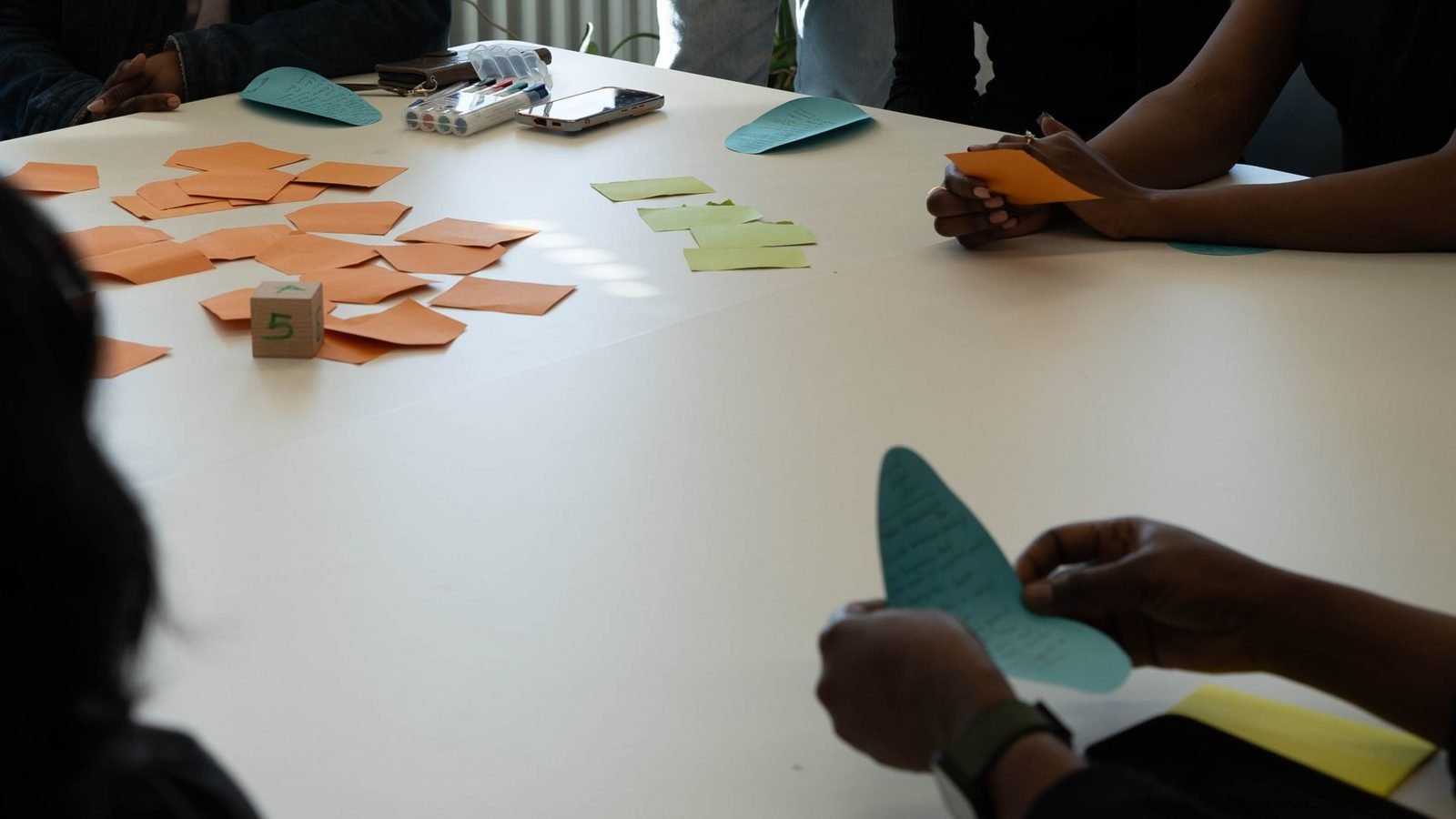
Changing hosts starts with handing over the segment
Before replacing a host, identify the reason. Unavailability calls for a backup plan; factual errors call for a review of skills and content approval; confusing videos call for work on the scene. A new face will not fix a brief that asks for instructions, a joke and a presentation of the entire catalogue all at once.
For a planned change, prepare a handover pack: the segment’s promise, approved examples, viewer questions, current product information and notes on filming. Separate elements of the format from the previous creator’s personal gestures and catchphrases. The new host should take responsibility for the subject, not pretend to be the same person.
- Agree which unfinished pieces the outgoing creator will complete and which files they will hand over to the brand. Check existing agreements on continued use of the recordings.
- Record a trial with the successor in a familiar segment. Keep its question and product demonstration approach so you are not testing a new person, a new format and a new offering at the same time.
- Introduce the change with a simple explanation in the episode if that helps viewers understand the situation. A joint recording may be an option, but it is neither necessary nor always possible.
- After publication, collect questions about the content separately from those about the new host. Fix what is unclear rather than automatically returning to the previous line-up.
If the change is sudden, publish the prepared backup format or postpone the episode. Do not invent reasons for an absence or disclose the creator’s private affairs. Viewers need to know what to expect from the next video, not the details of how a collaboration ended.
Assess the host alongside the publishing conditions
Do not compare a popular product launch video with a straightforward tutorial and attribute the difference solely to the person on screen. Record the topic, segment, length, advertising support and available viewing results. Add editorial observations alongside them: was the demonstration clear, did viewers ask about the product, and did the creator deliver the agreed scope?
A run of weaker episodes is a reason to investigate, not proof that viewers reject the creator. First check whether the topic, opening or distribution approach changed. Choosing one person or several should support the quality of specific segments and continuity of work, not produce a ranking of faces based on a single spike in views.
Start by mapping out the segments, assigning the skills each needs and commissioning a trial for the one that is hardest to cast. Only after watching the footage should you decide whether you need one host or a team with clearly divided responsibilities.
Frequently asked questions
Should a brand’s TikTok have one host?
One host is enough if they can credibly cover the planned segments and are available for regular filming. Consider several people for different skills or locations. Base the number of creators on channel tasks, not simply a desire for different faces.
How should segments be divided between regular creators?
Assign each segment a viewer question, required skills and someone responsible for the demonstration. Identify possible cover separately. Shared rules for product facts and presentation maintain consistency without forcing every creator to speak in the same style.
Does a host need a large following?
A creator’s large audience cannot replace the ability to host videos on a brand account. Check samples of demonstrations, explanations and product use. Treat publication on the creator’s profile as a separate service, not an automatic part of appearing on camera.
What should you commission before choosing a regular host?
Agree on a trial episode with a specific product, viewer question and file list. Give candidates comparable information, but let them explain in their own words. Assess accuracy, demonstration clarity and responses to feedback, not just impressive editing.
How do you replace a recognisable channel host?
Prepare a segment brief, approved examples and current product information. Agree on completing unfinished recordings, then test the successor in a familiar format. Keep the series’ purpose without asking them to copy the previous creator’s private personality or catchphrases.
What should you publish when the host is unavailable?
Prepare content that delivers the same segment promise in advance, such as a clear product demonstration without a face on camera. If there is no suitable replacement, postpone the episode. A random video does not solve the absence merely by being ready.
Do lower views justify replacing a creator?
Views alone do not explain weaker results. Compare the topics, openings, lengths and advertising support of the videos. Also check demonstration accuracy and viewer questions before attributing the problem to the host and deciding to replace the person on screen.
How does Blogger Bank help brands choose hosts?
On Blogger Bank, a brand can describe a trial episode, collect applications and agree on work with a chosen creator. Prepare a segment brief and acceptance criteria for the assignment. Casting decisions and the channel calendar remain the brand’s responsibility.