Perfume advertising: how can a creator describe a scent?
Short answer
Perfume advertising should combine a creator’s personal associations with verified brand information and an available way to try the fragrance. Video cannot replace a personal trial. Influencer marketing helps explain what viewers can expect without promising identical impressions. On Blogger Bank, brands can describe the task, collect creator applications and agree on the material, contract and payment.
Perfume advertising cannot send a scent through a screen. It can, however, help viewers decide whether they want to try it: a creator can describe personal associations, show a specific bottle and explain where to check the brand’s information or experience the fragrance. One condition matters: viewers must be able to distinguish a personal impression from a property the manufacturer promises. A video should not suggest that someone else’s enthusiasm can replace their own sense of smell.
Choose a creator who can speak precisely about things they dislike, too. Create a brand account on Blogger Bank and commission an account of the fragrance experience, not compulsory praise. Compare applications against a concrete task: what the creator should show, what they can assess personally and what next step the viewer should receive.
What perfume advertising can show, and what it cannot convey
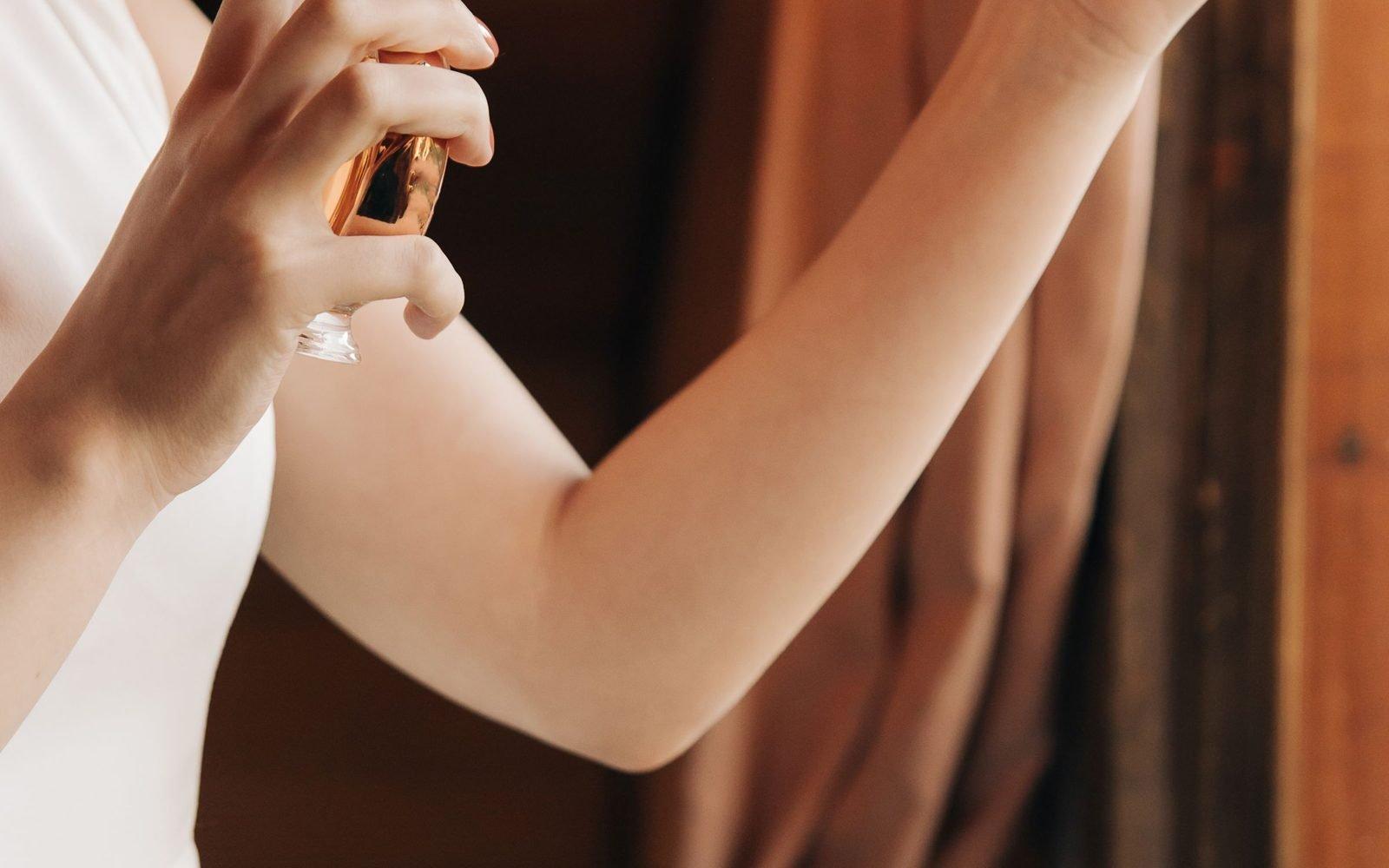
A camera can show the bottle’s appearance, a legible variant name, how it opens and a real context of use. The creator’s voice can convey associations: a cool morning, dry wood, a sweetness reminiscent of dessert. This is the language of experience, not a fragrance sample. Attractive lighting, fruit in the background and droplets on glass create an image, but they do not let viewers check how the contents smell.
Define the video’s purpose as helping viewers choose a fragrance to try. Instead of “viewers will smell our composition”, write: “viewers will recognise the variant, understand the creator’s description and find an available way to try it”. If the brand offers samples, show the right route to them. If the fragrance can only be tried in person, point to a confirmed location. Do not promise a sample the retailer does not provide.
This differs from demonstrating a shampoo or cream. In the guide to cosmetics influencer marketing from education to purchase, a demonstration explains an action. With perfume, even a correctly demonstrated application cannot answer the buyer’s basic question: does this fragrance suit me? The video should honestly lead viewers towards their own assessment, not pretend to have made it for them.
Fragrance notes and the creator’s personal associations
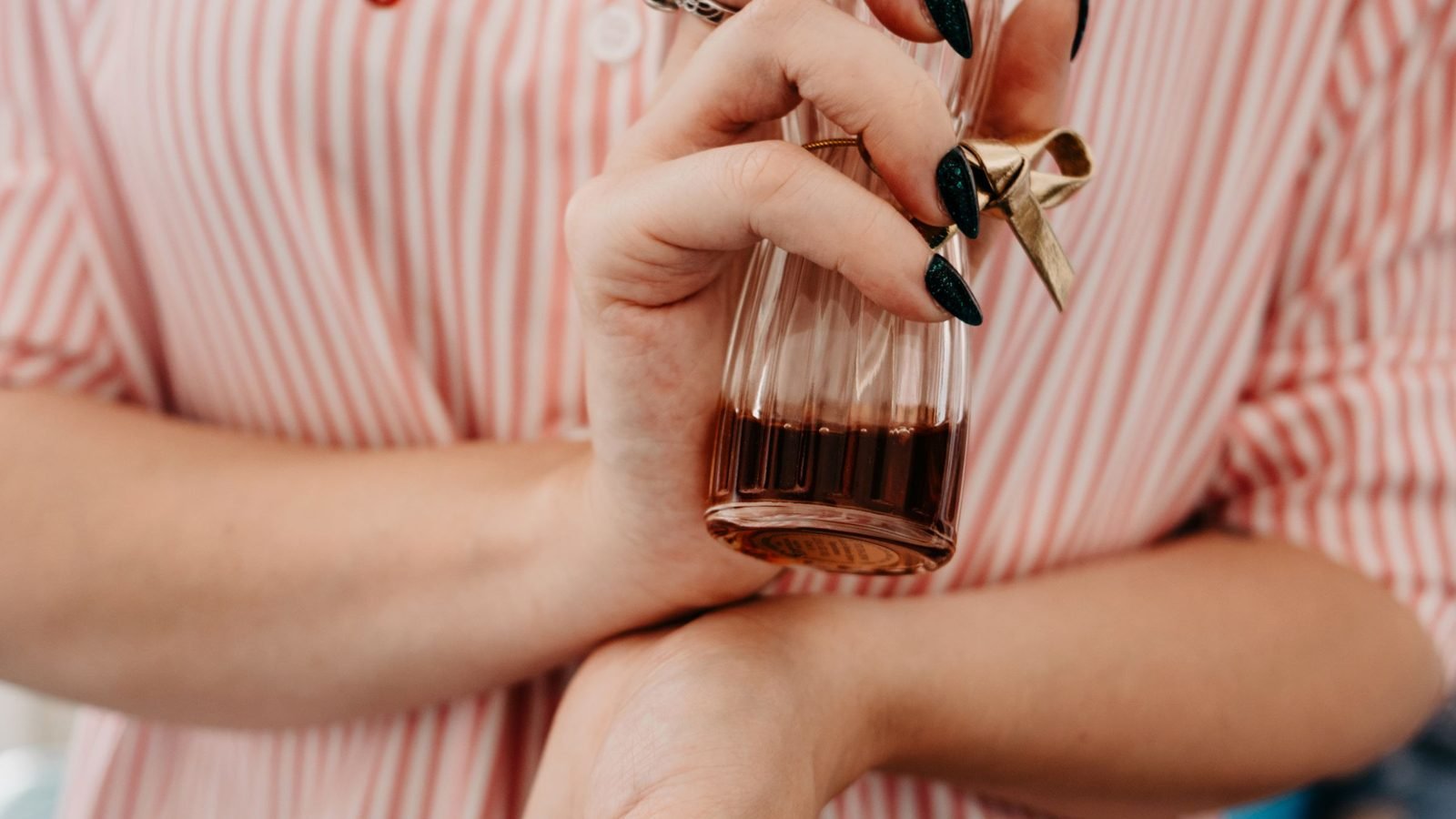
Give the creator an up-to-date description of the specific variant. Notes listed in brand materials can be quoted as the manufacturer’s description, not as things the creator must detect. If the creator does not recognise a listed note, they should not record “I immediately smell…”. They can explain what the brand says and then describe their own association. A difference between those statements is not necessarily an error to cut.
In a training example, a Polish niche perfumery describes a composition in terms of citrus and wood. This is not a Blogger Bank campaign or result. The creator says: “The brand lists citrus and woody notes. To me, this fragrance suggests dry fruit peel rather than sweet juice.” The first sentence must match the product information. The second must reflect the creator’s actual impression; the brand cannot commission it in advance as a required reaction.
Also separate the fragrance description from its ingredients. A lemon beside the bottle may illustrate an association, but it does not prove that a particular raw material is present. If the shot and caption suggest an ingredient, ask the person responsible for the product to verify it. Do not replace “note” with “contains” just because the shorter caption fits the screen better.
When choosing a creator, review a portfolio excerpt that includes a sensory description. Can they identify their own preferences? Do they distinguish the product name from their assessment? Can they say “too sweet for me” without declaring the product bad? You need language your customer understands, not a display of terminology. The brief can request an example of previous work without demanding a free video for the brand.
Longevity and effects: what not to promise without evidence
“I could smell it when I got home” describes a particular experience. “It will last all day on everyone” makes a product promise. Adding “in my opinion” is not enough if the rest still sounds like a guarantee for everyone. A creator’s record of personal use does not replace documentation supporting the brand’s claim.
The Polish State Sanitary Inspection’s information on cosmetics sets out requirements for claims, including truthfulness and evidence. The practical lesson for a brand is to link every claim about longevity or effects to verified support relating to that product. If the documentation does not support the proposed wording, change it before filming or leave it out.
Do not ask creators to confirm safety for everyone, medicinal effects or an effect on other people. A statement about the creator’s confidence does not prove that the perfume will trigger a particular response from those around them. Likewise, “natural” does not automatically justify a safety claim. Questionable promises should be checked by the person responsible for product compliance, not the video editor.
Review the visuals, too. Changes in lighting and clothing between scenes can suggest elapsed time that the footage does not actually document. If the video includes an account of use, the creator records what really happened and in what context; they do not reconstruct a test to fit a predetermined promise. An aesthetic scene should not be presented as a longevity study.
The brief: description, limits and a route to a sample
The most useful brief links each statement to its status and the destination viewers will be sent to. You do not need a script dictating every word. You need a shared understanding of which information the brand checks and which impressions it cannot dictate. Prepare a brief for the specific variant before sending the product.
- Personal impression: the creator describes their own associations after trying the fragrance. The brand does not supply a ready-made positive opinion. At review, check that the statement makes clear whose experience it describes.
- Brand information: the exact name, variant and declared notes come from current product materials. Assign someone to confirm that they match the label and the retailer’s website.
- The video’s limits: viewers cannot smell perfume through a screen or check their own response to it. The content does not promise identical impressions, longevity or reactions from others.
- Next step: provide the specific product page and an available way to try the fragrance. Check that the sample is for this variant and that the physical location actually stocks it.
In our training example, the perfumery has a sample set containing the featured variant. The creator shows the actual bottle, describes their response and directs viewers to that set. Before publication, the brand checks its availability and contents. This is an assumption for the exercise, not a statement about every perfumery’s offering or samples available through Blogger Bank.
Also agree whether you are commissioning a file for the brand’s channels, a post on the creator’s channel or both. Specify the format, captions, deadline, revision process and agreed use of the material. Budget separately for video production, publication, product shipping and rights to subsequent use. Receiving a file alone does not determine where the brand may later run it.

Reviewing the video without imposing a positive opinion
At review, compare the material with the brief, not with the level of enthusiasm you hoped for. An incorrect variant name needs correcting. A bottle that is hard to identify can be shown again. A personal association should not be replaced with a more sales-oriented one simply because it is less convenient for the brand. Before working together, agree what happens if the creator tries the fragrance and does not want to recommend it.
If the video says “heavy for me”, do not demand “perfect for every occasion”. You can check that the creator is discussing the correct variant and is not presenting a preference as a universal flaw. The guide to how brands should respond to deinfluencing explains a broader process for separating opinions from errors. The same distinction helps prevent an advertising commission from buying staged honesty.
Check the disclosure of the commercial relationship. Poland’s UOKiK recommends clear, unambiguous disclosures, identification of the promoted brand and disclosure on two levels: using the platform’s feature and adding your own label. A product supplied in exchange for agreed promotion does not become a neutral gift simply because no money changes hands. However, do not automatically treat every unsolicited PR package the same way; the nature of the relationship matters.
For publication on YouTube, the creator should also declare paid promotion in the video settings. YouTube Help explains that the platform’s disclosure does not remove the creator’s and partner’s separate legal obligations. Sources on claims and disclosures were checked on 23 November 2026. Before release, watch the complete material on a phone: captions, description, disclosures and destination link.
After publication, record whether viewers ask about the specific variant and click through to information about trying it. Distinguish a click from a sample order, and a sample order from a bottle purchase. If the retailer does not share data, do not attribute sales to the video based on comments alone. Missing samples or an outdated product page are problems further along the customer journey that a more enthusiastic delivery cannot fix.
Arrange the collaboration through Blogger Bank
Prepare a brand brief on Blogger Bank with the product information, limits on claims and expected deliverable. You can collect applications and choose a creator based on their work and answers about the task. Ask for experience in describing impressions, not a promise of a positive review or a particular sales result.
On Blogger Bank, you can communicate and arrange the collaboration, contract and secure payment in one place. For this task, the benefit is a shared record of agreements and video approval. The platform does not assess the fragrance for the customer, provide samples or replace the brand’s review of claims. Start with the information for one variant and an available way to try it; then choose a creator to match.
Frequently asked questions
How can you advertise perfume when viewers cannot smell it?
Show the specific variant and let the creator describe personal associations, separately from manufacturer information. Rather than promising scent through a screen, point to an available way to try it, such as a sample or physical store.
Should creators name the fragrance notes?
Creators can quote notes from the current product page, identifying them as the brand’s description. They need not claim to recognise every note themselves. Personal associations should use their own words, without confusing notes with perfume ingredients.
How do you distinguish a fragrance opinion from a brand promise?
An opinion describes personal perception, such as associations with sweetness or wood. A promise attributes a property to the product that the brand should substantiate. Adding “in my opinion” does not turn a universal performance guarantee into a neutral personal account.
Can you promise that perfume will last all day?
Do not include that promise without appropriate support for the specific product and wording. A creator’s experience does not prove identical longevity for everyone. Check questionable claims with the person responsible for product compliance before filming.
What should the video show besides the bottle?
Show a legible variant name, a real context of use and an available way to try the fragrance. Creators can explain their associations and preferences. Decorative fruit or wood should not imply confirmed ingredients without a basis for that information.
Is it worth directing viewers to a fragrance sample?
Yes, if the retailer actually offers a sample of the featured variant. Trying it lets viewers assess the fragrance themselves. Before publication, check the set’s contents, availability and destination link. Do not promise samples supplied by Blogger Bank.
How should advertising for perfume received from a brand be disclosed?
If the product was provided in exchange for agreed promotion, clearly disclose the advertising relationship and brand. Poland’s UOKiK recommends both your own label and the platform’s feature. Do not treat every unsolicited PR package as the same kind of collaboration.
What belongs in a brief for a fragrance creator?
Specify the variant, current product description, claim limits and available way to try the scent. Separate brand information from independent opinion. Agree on files, publication, disclosures, revisions and usage rights. Review against the task, not compulsory enthusiasm.