Coffee advertising: how to brief a creator on a brewing demo?
Short answer
Commission a creator to demonstrate one bag of coffee, using the right grind and a method matching the product description. Separate personal tasting impressions from health promises and link to the correct shop option. Influencer marketing shows coffee in a home kitchen. On Blogger Bank, post the task, choose from applicants and agree on collaboration terms.
Advertising bagged coffee should show how buyers will use it at home. A cup alone does not explain whether they need a grinder, which shop option to choose or whether the brewing method suits the product. Commission a creator to demonstrate one coffee: from identifying the bag and brewing it to sharing personal tasting impressions. Viewers should be able to find the same product, not reproduce an advertising performance.
You can post this task as a brand on Blogger Bank. Prepare the product link, available grind options and brand instructions. Creators can then apply for a specific demonstration rather than a vague “coffee promotion” brief. Agree on the video content before filming.
Beans for home are a different purchase from takeaway coffee
At a café, customers receive a finished drink. In an online shop, they buy something they still need to prepare: their choice may depend on equipment and household habits. Advertising a bag therefore needs to match the product to the use shown. A beautiful shot of a professional espresso machine tells little to someone who wants to use a simple brewer and has no grinder.
A creator turns the shop description into visible actions. They can show which option they order, what they open and how they prepare the drink. Their own storytelling can place the product in an ordinary morning, but it does not replace the manufacturer's information. The brand supplies facts about the coffee; the creator shows their experience with a particular bag.
Do not combine this with an invitation to visit a venue. That calls for a separate approach to café and takeaway coffee advertising. Entering Polish distribution with a new brand is covered in the guide to a foreign food product in Poland. Here, the task is to help people choose a bag already available in the shop.
Choose one use that matches the product description
Start with the product page, not an idea for a striking shot. Check the coffee name, whether it comes as beans or ground coffee, the available options and the brand's recommendations. Then choose a use you can actually demonstrate with that product. If the shop sells only beans, the video should not suggest customers will receive coffee already ground for their brewer.
Ask applicants to describe their equipment and share an example of content showing a sequence of actions. Not every demonstration requires a professional barista. What matters more is whether the creator can brew coffee using the chosen method and explain what they use. If you commission specialist commentary, check experience rather than attaching an expert title to an ordinary lifestyle video.
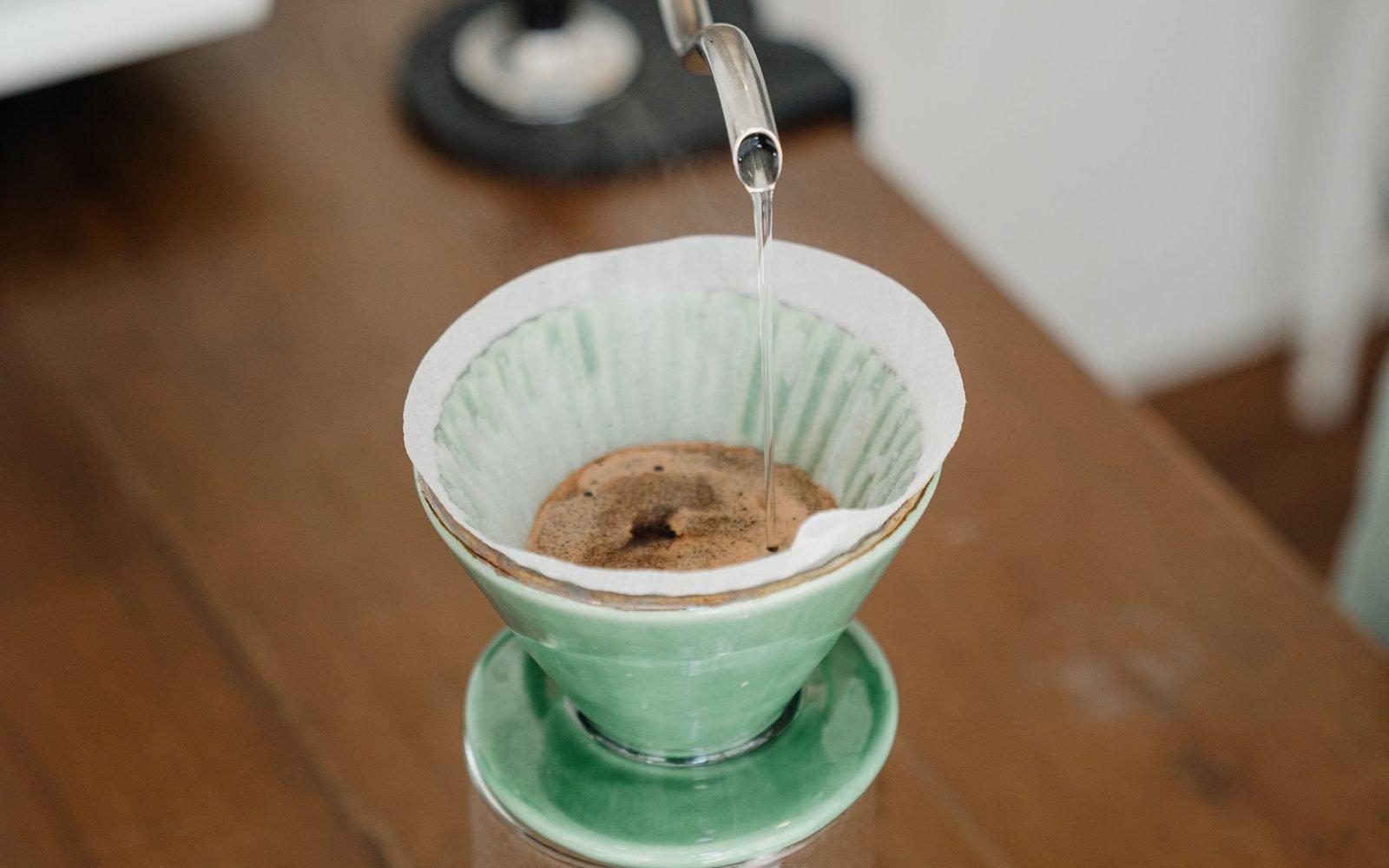
Training example, not a Blogger Bank campaign: an online shop offers whole-bean coffee and an option ground for a specified pour-over method. The brand commissions a video for people using that method without their own grinder. The creator shows the ground option, prepares it following the brand's instructions and links to the same option in the shop. They do not switch to espresso halfway through just because they have a machine at home.
Before shipping, confirm the creator will receive that exact option. Include the current description and directions for finding the instructions. If the product or packaging has changed since your conversation, update the agreement before filming. Similar label colours do not make two coffees the same product.
Record brewing conditions instead of promising identical flavour
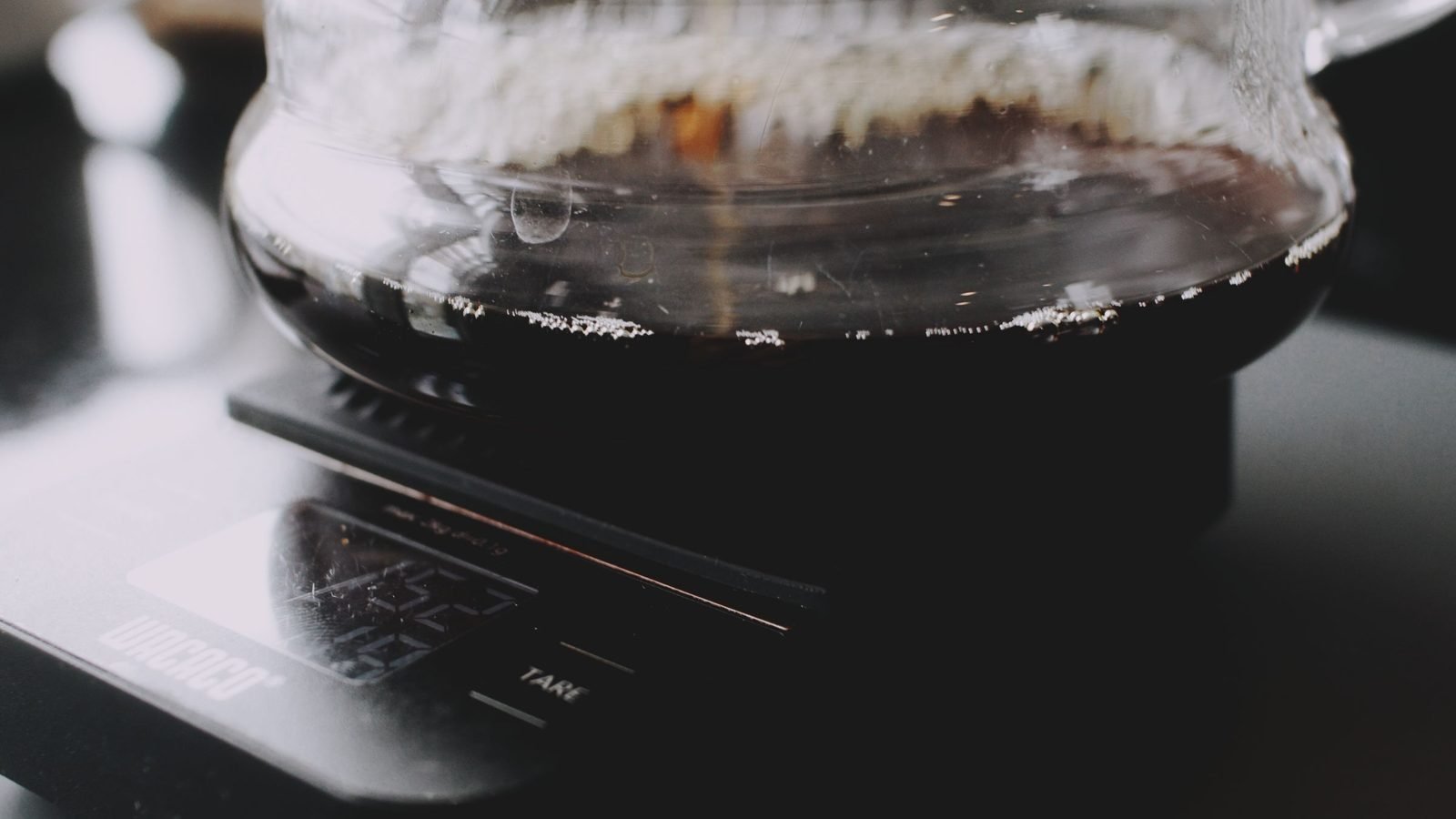
The brief need not be a barista manual. It must, however, explain how the drink on screen was made. Use that brand's instructions as the starting point and ask the creator to record the option, equipment and any deviations. Do not prescribe one temperature, coffee dose or brewing time for all beans. This demonstration shows one preparation, not proof of the only correct recipe.
In the training example, the brand attaches a simple demonstration checklist to the task. This is an editorial suggestion for the work description, not an automated form or a Blogger Bank feature. Each item connects a decision made before filming with something you can check in the finished video.
- Product and grind: the full product name and the option ordered; during review, the label is visible and the caption does not contradict it.
- Method: the creator's equipment matches the chosen use; viewers can identify what they will need at home.
- Preparation: the creator follows the agreed instructions and explains important changes instead of hiding them in the edit.
- Tasting: comments concern the drink tasted; the brand does not demand praise.
- Purchase: the link and option name lead to the coffee shown, not a similar product elsewhere in the range.
Request shots that preserve continuity: the bag, preparation and finished drink. You need not show every wait in real time, but editing should not change the meaning of the instructions. If the creator adds milk or another ingredient, identify it. Their impression after drinking that mixture is not a description of black coffee alone.
During review, request correction of a specific discrepancy: “The video shows beans, but the caption says ground coffee.” Do not demand a reshoot just because the creator omitted the brand's favourite adjective. If the instructions proved unclear, clarify them first with the person responsible for the product. Viewers should not have to resolve a disagreement between the script and the contents of the bag.
Separate tasting impressions from health claims
“I can taste a nutty note in this cup” describes the creator's personal impression. It does not automatically mean the coffee contains nuts or that everyone will get the same flavour. Agree that the creator will distinguish their impressions from the roaster's stated profile. Do not hand them a prepared review to present as their own opinion.
If the creator cannot identify the notes listed on the packaging, they can simply describe how their brew tastes to them. The brand checks the name, option and preparation method, not whether personal taste matches the marketing description. A comment about a “mild flavour” should not turn into an assurance that the product suits every stomach.
Poland's Chief Sanitary Inspectorate (GIS) explains the rules on nutrition and health claims, which also apply to food advertising. Keep the demonstration brief focused on flavour and use; do not add unverified promises about weight loss, treatment or health effects. If a brand wants a particular claim, its admissibility and conditions need separate assessment, not an improvised endorsement from the creator.
The video's commercial nature should also be clear. Poland's competition and consumer protection authority, UOKiK, recommends clear advertising disclosure, naming the brand and disclosure at two levels: your own label and the platform's available feature. A bag supplied in return for an agreed video does not become an independent review because the creator brews it in their kitchen. Check the visuals, caption and disclosure, not just the video file. The GIS and UOKiK sources were checked on 23 November 2026.
Connect the video to the right bag and grind option
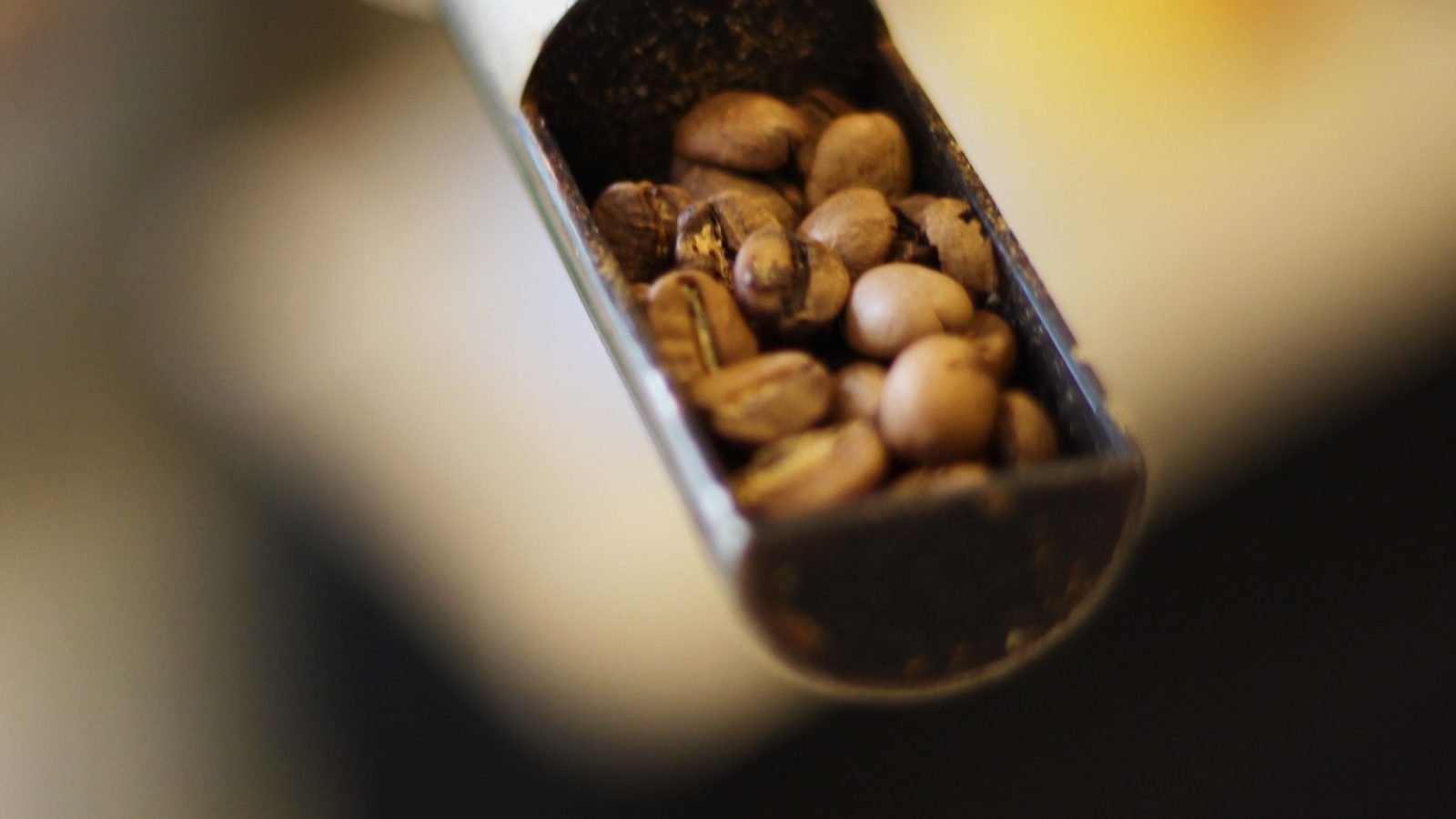
Open the destination link on a phone and follow the viewer's path. Do the name and packaging match the video? Can you choose the option shown? If the shop cannot link directly to a grind option, explain in the post which one to select. Do not pretend clicking automatically selects the right product.
Check availability before publication. If the filmed option is unavailable, simply replacing its link with another coffee creates a mismatch. Agree to postpone publication, change the content or explain the situation clearly. Assign someone on your team to respond to changes in packaging, the range or the product URL after publication.
Distinguish files for the shop from posts on the creator's profile. A product page needs a demonstration that makes sense without knowing the creator. On their profile, the audience and the route to the link in that format also matter. In both cases, agree on channels, permission to shorten the content, subtitles and any paid distribution. Receiving a file does not itself settle the full scope of usage.
After publication, collect available content statistics, product visits and shop orders separately. Questions about grind may reveal a missing explanation, but they are not sales. When comparing results, also note stock shortages and other promotions. Blogger Bank organises collaboration with a creator; do not attribute automatic coffee purchase tracking to the platform.
Commission and review a demonstration through Blogger Bank
Create a brand account and post a brewing demonstration task on Blogger Bank. Specify the product, grind option, method, instruction link and expected deliverable: a file for the shop, a creator post or both. Attach the demonstration checklist and ask applicants about equipment. This lets you compare proposals against the actual work, not simply expressions of interest in coffee.
Choose a creator from the applications and agree on scope, deadline, revisions and content rights. Blogger Bank supports communication, the contract and secure payment within the collaboration. Preparing instructions, shipping the right product and checking the shop page remain the brand's responsibility. Budget for the creator's work, product, shipping and agreed file usage, without assuming the bag itself covers everything.
Accept the result after checking the product, method, statements, advertising disclosure and purchase path. Make factual comments, collect them in one message and distinguish errors from new requests outside the agreement. Do not make approval conditional on a forced positive review or a promised number of orders.
Start with a bag buyers can immediately recognise and prepare at home. Describe that journey in the task, not a vague “perfect morning” atmosphere.
Frequently asked questions
How do you advertise coffee in an online shop?
Show a specific bag, an available grind option and its use at home. Commission a demonstration matching the product description and link to the correct shop page. Separate personal impressions from promises about every buyer's experience.
Does the video need a professional barista?
Not every home brewing demonstration needs a barista. Choose someone who can use the selected method and clearly show the steps. For specialist commentary, check the applicant's experience rather than assigning expert status just for the advertisement.
How should you choose a brewing method for creator content?
Start with the coffee description and brand recommendations, then check the creator's equipment. Choose a use accessible to viewers. Do not switch methods for a striking shot if the demonstration no longer matches the product and option sold.
What should you agree about beans and grind?
Record the full product name, whether it is whole bean or ground, and the exact grind option available. Confirm shipment contents before filming. During review, compare the bag, caption and destination page to avoid directing viewers to a different option.
Can a flavour description be subjective?
Yes. Creators should describe their own impressions after tasting a particular brew. Distinguish these from the roaster's stated profile. Do not demand that personal taste match the brand's message or present flavour notes as a list of coffee ingredients.
Which health promises should coffee advertising avoid?
Do not add unverified assurances about weight loss, treatment or health effects. A brewing demonstration can focus on flavour and product use. A specific health claim needs separate checks of admissibility and conditions, not a creator's opinion.
Where should the video link lead?
Direct viewers to the coffee and option shown. If the shop cannot link directly to a grind option, explain which to select. Open the link on a phone and check the name, packaging and availability before publication.
How can you review content without forcing a positive review?
Check the product, method, agreed shots, advertising disclosure and link. Request corrections to specific errors, not changes to the creator's taste. Agree on acceptance criteria before filming, without making approval conditional on praise or a number of orders.