Cafe advertising: how to showcase takeaway coffee
Short answer
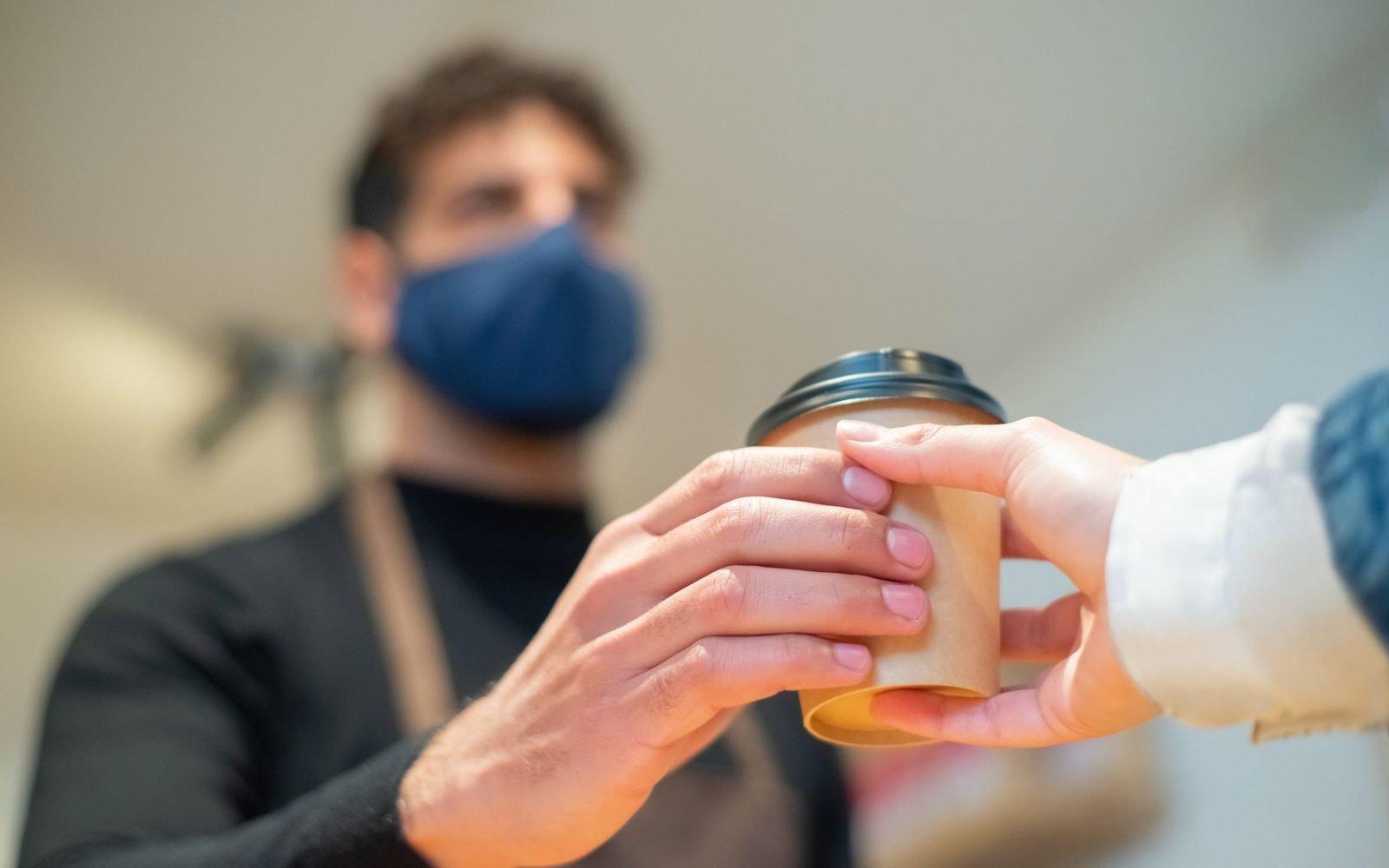
Cafe advertising for takeaway coffee should show a recognisable entrance, drink selection, collection point and current opening hours. Ask a creator to follow the actual route without promising no queues. Describe the visit on Blogger Bank and choose from applicants. Separate creator publication from files for the cafe, agree usage rights and assess visits separately from views.
Cafe advertising should show more than an appealing coffee: it should show how a visit fits into an ordinary day. Someone walking to work needs to recognise the entrance, choose a drink and know where to collect it. A local creator can follow that journey on camera, from a familiar nearby landmark to leaving with a cup. That is a more concrete brief than a film about a “unique atmosphere”, but it is not a promise of service without a queue.
If you want to commission this kind of demonstration, create a brand account on Blogger Bank and describe a takeaway coffee visit. Specify the address, time of day and scenes that will help a future customer. Creators apply for the brief, and you choose who to work with. The platform organises collaboration, contracts and secure payment; it does not replace cafe service or guarantee sales.
Choose a time of day and a customer route
Coffee before work, a drink during a walk and a stop after collecting a parcel are different situations. Choose one for your first piece of content. This lets the creator show a logical start to the visit instead of combining the morning rush with a long break at a table. Check that takeaway drinks are actually available at the chosen time and that the team can serve the customers you are inviting.
A recognisable junction, a park exit or the approach from nearby offices can make a good opening shot. Do not commission a line such as “right next to the stop” if reaching the cafe means walking around the building. Walk the route with the creator and point out the customer entrance. A shot showing the sign and door often explains more than a close-up of the logo on a cup.
When choosing a creator to publish on their own profile, ask for examples of local content and available audience location data by city. Knowing the neighbourhood helps them tell the story of the route, but the creator’s home address does not prove that their audience is local. If you are commissioning files only, focus on the portfolio: are the actions clear, are the captions readable, and does the video make sense without extra explanations from the owner?
This article covers a short visit ending with collecting a drink. To plan broader food-service promotion, use the guide to restaurant marketing with creators. The article on attracting restaurant customers on weekdays addresses empty tables on particular days. Do not transplant a dinner scenario into a coffee stop on the way somewhere.
Show the entrance, choice and collection point
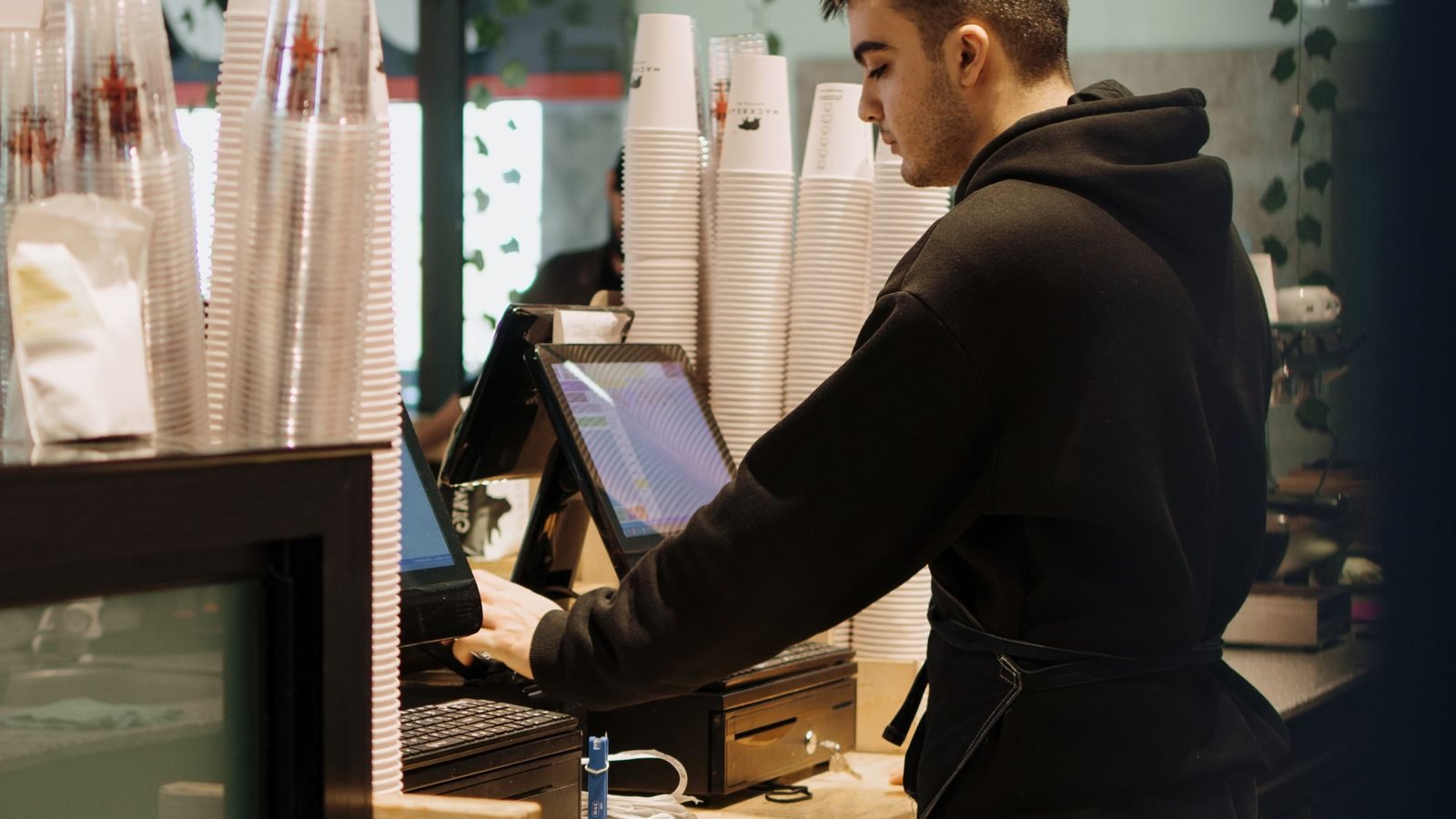
Prepare a simple sequence: landmark → entrance → choice → collection → opening hours. This is an editorial template for describing a brief, not a Blogger Bank feature. Each element should answer a different viewer question. A montage of coffee preparation can look appealing yet still fail to explain which side to enter from or whether to order at the counter.
Training example, not a Blogger Bank campaign or result: a small cafe on a street leading to offices wants to show its morning takeaway coffee. The creator starts at the corner of the building, shows the correct door, chooses a drink from the current menu and collects the cup. At the end, they point out where to check opening hours. They do not pretend to visit every day if this is their first time there.
- Landmark: show a place viewers will recognise on their approach and the direction to the cafe. Do not imply that a passage exists when it does not.
- Entrance: film the sign and the door customers use. If the cafe is in a courtyard, also show where to turn.
- Choice: name the drink actually being ordered and an available option. Do not turn the entire menu into an unreadable slide.
- Collection: show the usual collection point. Agree with staff how to film the scene without blocking the queue or accidentally filming customers.
- Opening hours: direct viewers to current information for that address. If the offer is available for fewer hours than the cafe itself, make the distinction clear.
You can shorten the collection scene in the edit, but that edit is not a measurement of preparation time. Remove promises such as “always ready straight away” and “you’ll never miss your tram”. You are commissioning a demonstration of the process, not proof of consistently fast service. If waiting is a genuine obstacle, improve service organisation first; a creator cannot solve it with a video alone.
Check information that may change
Before filming, record the drink’s name, option, extras, availability and correct address. Before publication, confirm them again with the person in charge of the shift. Seasonal syrup may run out, and holiday hours may differ from normal hours. Appoint one person at the cafe to give the creator approved information and collect feedback on the content.
Describe plant-based drinks and extras using current ingredient information, not packaging colours or the creator’s impression. A carton beside the coffee machine does not justify claiming that the finished drink is suitable for everyone with allergies. Poland’s Chief Sanitary Inspectorate (GIS) highlights the importance of food information; in advertising, direct questions about ingredients and allergens to the cafe’s current information. Do not add health advice to a coffee video script.
Also agree on what to do when the offer changes. If opening hours appear only in the caption, plan to update it. If outdated information is spoken in the video or embedded in the image, changing the profile alone will not remove it: you may need a revised version of the content or to withdraw the invitation on the agreed channel. Specify who contacts the creator and who approves the correction.
The video, cafe profile and place where customers check the offer should all lead to the same cafe. For a business with several locations, the chain’s name is not enough. Open the publication’s link on a phone and check the address and current hours. Do not send viewers to a general page where they must start guessing which location sells the drink shown.
Commission content for a specific channel
Separate publication on the creator’s profile from purchasing files for the cafe. In the first case, you commission access to their audience along with the agreed content. In the second, you receive files for the cafe to publish itself. You can agree on both, but list them separately: a video on the creator’s account does not automatically include a version for the cafe’s advertising.
For a short video, request readable captions and framing that keeps the entrance and drink name clear of the app’s interface elements. Agree where to put the address and how viewers can reach the current offer in the chosen format. Watch the version on a phone without sound. If it is unclear where to buy the coffee without the commentary, fix the information, not just the music.
Your Google Business Profile can support the journey from video to visit. According to Google’s instructions for Business Profile posts, an update can include a photo, video and button with a link. Request a shot of the entrance too if that is missing from the cafe’s information. Do not treat adding content as a promise of a higher Maps ranking or increased sales.
Agree on channels, how long the files may be used, permission to shorten them, add captions and use them in paid advertising. Also check the arrangements for music and people appearing in the content. Do not assume that receiving a file gives you freedom to use it everywhere. Describe the usage the cafe needs before production, while the creator can still factor it into their proposal.
For a creator’s advertising post, plan a clear disclosure of the commercial collaboration and identify the brand. Poland’s Office of Competition and Consumer Protection (UOKiK) recommends your own disclosure alongside the platform’s disclosure feature, where available. A natural-looking walk for coffee does not change the commercial nature of commissioned content. Check the disclosure when reviewing the video and caption, not only after a viewer points it out. The Google, GIS and UOKiK sources were checked on 20 November 2026.
Assess questions about the cafe and actual visits
Separate acceptance of the work from evaluation of the advertising. First, check whether the creator has delivered the agreed video, files or publication and whether the information is correct. Then collect available content statistics, questions about the cafe and your own purchase data. High view counts do not prove that viewers live nearby or came in for coffee.
Before launch, agree how the team will record customers’ voluntary answers to the question of how they heard about the cafe. You do not need names to record a referral source. If the channel supports a tagged link, compare clicks from the publication with questions and recorded visits. Each signal reflects a different stage: clicking through to the offer is not a purchase.
In the training example, questions such as “where is the entrance?” suggest that the approach scene needs improving. Questions about a drink that is no longer available point to an outdated offer. No questions despite many plays does not, on its own, establish success or failure. Check the audience, the clarity of the invitation and the cafe’s data rather than attributing sales results to video statistics.
Compare similar days and times, noting the weather, changes to opening hours and other promotional activity. An increase in orders after publication may have several causes. The cafe collects sales and visit data; Blogger Bank does not automatically track the journey from watching a video to buying at the counter.
Organise the creator’s visit through Blogger Bank
Prepare a brief for a takeaway coffee video on Blogger Bank. Include the route, address, filming time, available drink, required scenes and target channel. Specify whether you are commissioning a creator publication, files for the cafe or both deliverables. Applications let you compare creators interested in a specific visit rather than general cafe promotion.
Add filming conditions to the arrangements: a staff contact, areas where filming is allowed, how to avoid capturing incidental customers and a list of information to reconfirm. Agree on the delivery date, revisions, advertising disclosure and usage rights. Messages, files and the contract form part of the collaboration; the owner remains responsible for the offer’s availability and preparing the cafe.
When reviewing the work, follow the future customer’s journey: recognise the entrance, read the drink’s name, check the collection point and open the current hours. Ask for factual errors to be corrected before accepting the result. Do not make acceptance conditional on forced enthusiasm from the creator or a promise of a specific number of customers.
Start with one genuine reason to visit. Put it in the brief, walk the route with the creator and accept content that helps people find the cafe and order coffee, not just admire a nice cup.
Frequently asked questions
How can you advertise a cafe along a local route?
Choose a specific occasion, such as coffee on the way to work. Ask a creator to show a recognisable landmark, the entrance and ordering. Provide the current address and opening hours so viewers can fit the visit into their day.
What should a takeaway coffee video show?
Show the approach to the correct entrance, choosing an available drink and the usual collection point. Add the cafe’s name and where to check current hours. Use preparation close-ups to supplement, not replace, information needed before buying.
Should cafe advertising promise no queues?
Do not promise consistently queue-free service based on one creator visit. A shortened edit does not prove service time. Show the actual ordering and collection process, and confirm the offer’s availability with the team before publishing the video.
How should you present plant-based drinks and extras?
Name the option using the current menu and confirmed ingredients. Do not infer allergen information from a drink’s appearance or packaging. Direct ingredient questions to the cafe’s current information instead of promising safety for every viewer.
What needs updating when cafe opening hours change?
Check the post caption, cafe profile, destination page and information written or spoken in the video. Changing profile hours alone does not correct an old recording. Agree with the creator how to revise the content and who will handle contact.
Is a drink photo enough to advertise a cafe?
A photo can show the drink but does not always explain how to buy it. Add an identifiable cafe, address, availability and opening hours. If access is confusing, commission an additional entrance shot or a short video showing the route.
How can you measure cafe advertising with a creator?
Separate publication statistics, questions about the offer and recorded visits. Collect voluntary information about referral sources and your own purchase data. Compare similar days, accounting for weather and other activity; views are not proof of sales.
How do you commission a cafe video on Blogger Bank?
Describe the address, route, visit time, drink, scenes and target channel. Separate creator publication from files for the cafe. Choose from applicants, agree rights and revisions, and review the delivered content against information confirmed by the cafe.