Cosmetics influencer marketing: from education to purchase
Short answer
Cosmetics influencer marketing helps explain product use before a first purchase. Start with a customer's uncertainty, demonstrate use according to the instructions, and identify the right variant and place to buy. Blogger Bank connects brands with creators, helping collect applications and manage agreements, contracts and payments in one place. A campaign does not guarantee sales.
Cosmetics influencer marketing should start with what the customer does not yet understand. With an unfamiliar product, a beautiful shot and an enthusiastic creator may not be enough: viewers still do not know how to use it or whether it fits their everyday care routine. A creator can show the process up close, explain its limitations and identify the right variant. Only then does an invitation to buy have a concrete basis.
If you run a young brand, build the assignment around one such uncertainty. On Blogger Bank, you can collect applications from creators for a product demonstration instead of looking for someone simply to display your logo. Create a brand account and describe what viewers should be able to do after watching the content.
First, establish what the customer does not understand
Do not assume that a lack of purchases means a lack of trust in the brand. A customer may recognise the name without understanding the product format. Gather questions from store customer service, conversations before purchase and comments on your own posts. Separate questions about use from questions about availability. A demonstration can answer the former; the latter require up-to-date information from the brand or retailer.
Choose an uncertainty that can be addressed on video. “I do not know this brand” is too broad a brief. “I do not know how to use a shampoo bar or what to do with it after washing” already gives the creator a task. Instead of promising a breakthrough in hair care, show an everyday action that the packaging instructions do not explain clearly enough for the viewer.
Training example: a small Polish brand offers a shampoo bar. We are not describing a real campaign or Blogger Bank results. We assume that the brand wants to explain how to use and store the product before a first purchase. The lathering and drying method shown in the video must follow that specific manufacturer's instructions, not the creator's general advice about all bars.
In the assignment, record separately what customers have actually reported and what you still want to test. A question devised during a workshop can serve as a hypothesis for the script, but not as a quotation from a customer's review. If you are just starting to sell and have no questions yet, call the video a beginner's tutorial rather than a response to “hundreds of messages”.
From question to demonstration: plan a content series
An educational series does not have to repeat the same enthusiasm in different shots. The first piece shows how to use the product, the next clarifies an unclear step, and another makes choosing a product easier. Each should also work independently: viewers may encounter the final video first without knowing the earlier posts. The product name and context of use must not depend on watching the entire series.
Add a simple framework to the brief: customer question → scene → fact to verify → next step. For the shampoo bar training example, it could look like this:
- How do I start washing? The creator shows lathering without skipping the key movement. The brand checks that it follows the instructions for that product. Viewers go to the product page for the full directions for use.
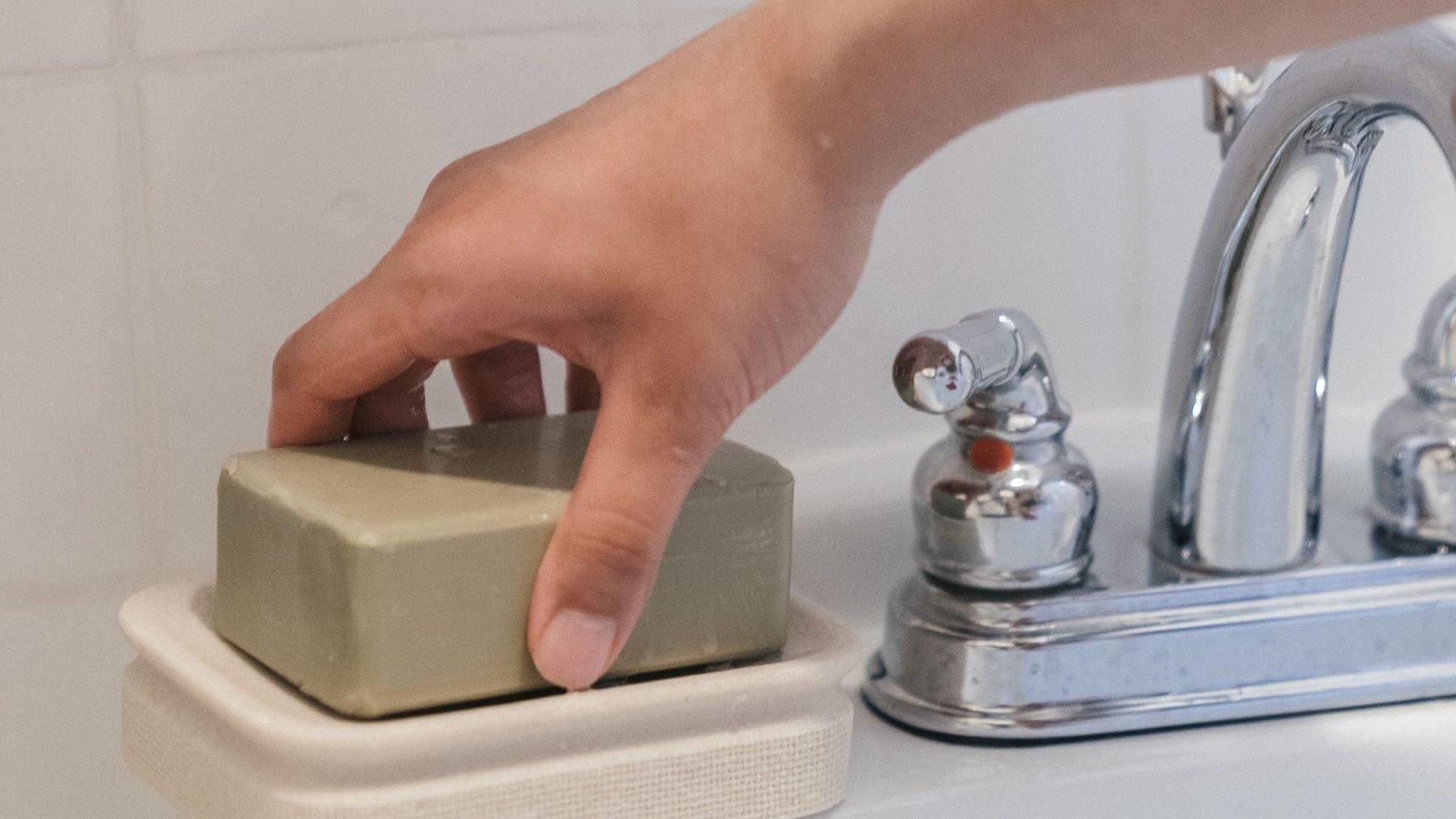
- What do I do with the wet bar? The creator shows the drying location and method specified by the manufacturer. The brand confirms the storage recommendations. Viewers know what to prepare in their bathroom before deciding to buy.
- Which bar am I looking at? The shot pairs the product with a clearly readable variant name. The brand checks that the label matches the store's product page. Viewers reach that variant rather than a general hair care category.
- What is still unclear? The next video answers a real question received after publication. The brand checks that the answer stays within verified information. Viewers get the missing explanation instead of another promise.
Do not make creators pretend this is their first encounter with a product they have used before. Agree on what must be shown, but leave them their natural vocabulary and pace. Before filming, check that the demonstration does not require an action contrary to the instructions merely because it looks better on camera. Do not hide an important step through editing either.
Choose a creator for their explanations, not just their reach
When reviewing a portfolio, pause on a piece in which the creator explains how to use something unfamiliar. Can you see the hands and the product? Does the commentary distinguish a product feature from a personal impression? Does an answer to a comment add a detail, or merely encourage a purchase? These observations help you assess the work your brand needs.
Ask applicants to point to an example of a similar demonstration and explain how they would show a difficult step in the instructions. You do not need a finished, unpaid trial video. You need confidence that the creator understands the assignment and can say what they do not yet know themselves. When discussing a cosmetic product's effects, profile popularity is no substitute for relevant expertise.
Match the audience to the question, not just to the beauty category. Someone accustomed to ordinary shampoo may need a different explanation from a viewer who has used bars for years. If the challenge is a foreign brand entering the market and building local trust, read the separate article about a foreign beauty brand in Poland. Here, the starting point remains understanding the product before purchase.
Separate the creator's experience from claims about effects
“I found the bar easy to hold” describes the creator's experience. “This product solves every scalp problem” is an entirely different promise. Do not turn a personal impression into an assurance of effectiveness for everyone. Give the creator instructions, verified product features and a list of claims the brand cannot substantiate. Do not require a positive review regardless of their experience using the product.
The basis for assessing claims is Commission Regulation (EU) No 655/2013 of 10 July 2013. It requires adequate, verifiable evidence for cosmetic claims; the presentation of effects should not go beyond the available substantiation. An ingredient's properties do not automatically transfer to the finished product. In the brief, therefore, link each promise to documentation for that specific cosmetic.
In the shampoo training campaign, do not promise treatment, universal suitability or an environmental advantage simply because the product comes as a bar. Focusing on use does not remove the need for verification: on-screen text, editing and comparisons can also imply effects. Review the entire piece, not just the spoken script. Clarify any questionable claim with the person responsible for product compliance before the creator records it.
A video's educational purpose does not remove its advertising nature. According to UOKiK's recommendations on influencer marketing, disclosure should be clear and unambiguous; the authority recommends two-level disclosure, using both the platform's tool and the creator's own label. Agree on the advertising disclosure and brand identification in the brief, then check them in the published content. Sources on claims and disclosures were verified on 19 November 2026.
Connect the content to a recognisable product and a place to buy it
After the tutorial, viewers should recognise the exact cosmetic they will see in the store. Check the name, variant and packaging appearance in the final shot and at the linked destination. If the creator showed a sample or an older label, explain the difference. Do not make shoppers guess whether a similarly named product is the one from the video.
The store link should continue the explanation: identify the right variant, provide instructions and give the information needed to choose. For in-store sales, name a confirmed place to buy. Availability at selected locations does not mean availability across the entire chain. Check this again on publication day instead of relying on arrangements made at the start of the collaboration.
Do not try to solve a distribution problem with a tutorial. Retail chain relationships, displays and shelf activity belong to trade marketing with creators. In this campaign, the content's job is to help customers understand how to use and recognise the product, not to secure it a place in a beauty retailer.

Check understanding and purchase signals
After publication, compare audience questions with the uncertainty recorded in the brief. If viewers keep asking about an omitted movement under the demonstration, improve the tutorial or commission a follow-up. A question about a specific variant may indicate a move towards choosing, but it does not confirm a purchase. An absence of comments does not prove that everything was understood either.
In the campaign notes, separate your observations: viewing the content, visiting product information, interest in a place to buy and a confirmed order. Record the source of every piece of information. If you have no sales data, call the result interest, not an increase in purchases. Do not attribute the entire sales change to a video when availability or the store's offer changed at the same time.
For beauty retailers, you need data from the retail partner and context, not just the creator's report. The guide to measuring a creator campaign in physical stores explains ways to interpret them. For an educational series, it is enough to establish what still needs explaining and which next piece of content will help viewers make a decision.
How to organise collaboration on Blogger Bank
In the assignment, distinguish filming the demonstration, publishing it on the creator's channel and the brand's subsequent use of the video. UGC for a product page does not automatically include publication to the creator's community. Agree on usage channels, duration, the scope of changes and any paid advertising. Settle further usage rights separately before preparing additional versions of the recording.
Post a brand assignment on Blogger Bank with the cosmetic's instructions, the audience's question and the expected deliverable. Creators can apply themselves and complete questionnaires, while you choose people suited to the demonstration. Ask applicants for an example of a product explanation and whether they will also publish the content. Compare answers against the task, not follower counts alone.
Blogger Bank lets you manage collaborations, communication, contracts and secure payment in one place. Funds reach the creator after the result is approved. For a brand running a series with different people, this provides a shared place for agreements and acceptance of work. Verification of cosmetic claims, product availability and the approval decision remain the brand's responsibility; the platform does not guarantee sales or provide checkout data from beauty retailers.
Start with one uncertainty and the instructions for a specific product. Turn them into a scene the creator can show accurately and a next step the viewer can actually take.
Frequently asked questions
How can influencer marketing help a young cosmetics brand?
Creators can show what a cosmetic does, how to use it and where to buy it. Start with a specific audience uncertainty, not just packaging. Collaboration supports product understanding but guarantees neither purchases nor entry into a beauty retail chain.
How do you promote a cosmetic whose use customers do not yet understand?
Plan content that answers questions about purpose, use and product choice in sequence. Demonstrate use according to the manufacturer's instructions. Avoid inventing problems or making unsupported promises. Each piece should resolve one specific uncertainty.
How do you choose influencers for cosmetics education?
Check whether creators explain product use clearly and answer questions similar to your customers'. Assess previous content, audiences and advertising disclosures. Popularity does not replace accuracy or the expertise needed to discuss a cosmetic product's effects.
What should a brief for a creator promoting a cosmetic include?
Specify the audience, purchase question, instructions, verified product features and purchase location. Separate mandatory information from the creator's own commentary. Agree on deliverables, deadlines, approval, advertising disclosure and usage rights. Do not demand positive feedback regardless of experience.
How does commissioning UGC differ from working with an influencer?
With UGC, the brand receives agreed content for specified channels. Influencer collaboration may include publication to the creator's community. Separate filming, publication and further usage rights. Buying a video alone does not provide access to the creator's audience.
How do you connect cosmetics education with a purchase at a beauty retailer?
Show recognisable packaging, the exact variant and a confirmed purchase location. Follow the demonstration with clear directions. Check availability before publication and do not imply stock across every store in a chain. Educational video does not replace effective distribution.
How do you assess an educational cosmetics campaign with creators?
Check whether viewers visit product information and ask more specific purchase questions. Separate interest from confirmed purchases. For in-store sales, you need retail partner data and context on promotions and availability. Views alone do not prove sales growth.
How do you organise a cosmetics brand's collaboration with creators on Blogger Bank?
Describe the product, audience and content needed to explain its use. Creators apply themselves and complete questionnaires. Choose people suited to the task and agree on scope. Blogger Bank brings collaborations, contracts and secure payment together in one place.