Music store advertising: how to demonstrate an instrument?
Short answer
Build music store advertising around an explained instrument demonstration for a specific buyer. Agree on the model, passage, recording signal chain and limits of the comparison. The creator should show its use and prepare viewers for a hands-on trial. Separate creator posts from file commissions, confirm rights and direct viewers to the store's current offer.
Music store advertising should show what a customer will be able to try on an instrument, not just how skilfully the invited musician plays. A beginner may admire a solo and still have no idea which model to pick up. A creator who pauses to explain tone selection, hand position and recording conditions gives them a concrete reason to visit the store. The video prepares them for a hands-on trial; it does not replace one or guarantee a purchase.
For this task, you need a creator who can both play and explain. Create a brand account on Blogger Bank and describe your instrument demonstration: who it is for, what viewers should hear and where it should take them next. Creators apply for the assignment, and you choose a proposal that fits the store's offering rather than commissioning just any performance on camera.
Choose the learning stage and intended use of the instrument
Start the brief with the buyer's situation. Someone choosing their first guitar needs a different explanation from a guitarist looking for an additional instrument for band rehearsals. In the first case, the creator can show how they hold the instrument and where the basic controls are. In the second, it makes sense to demonstrate a specific use, such as moving from chords to single notes. Do not try to answer both questions with a single “for everyone” slogan.
Choose a model from the range that the store can actually show to a customer. Record its full name, variant and the equipment used in the video. If the amplifier or effect is not part of the set being sold, do not leave that to guesswork. A close-up of a guitar should not suggest that everything viewers hear comes solely from the instrument on the shelf.
A catalogue photo helps identify the model but does not explain how to play it. An impressive clip without commentary, meanwhile, shows the musician's skills, not necessarily the product's usefulness to a beginner. Working with a creator makes sense between these formats: they demonstrate a passage and explain what to listen or look for. However, this will not solve a lack of stock or unclear information about what is included.
Commission a demonstration, not an unexplained show of skill
When choosing a creator, watch videos in which they explain something to a less experienced person. Do they name a setting before changing it? After playing, can they point out what they have actually demonstrated? Do they distinguish their own impressions from a feature listed in the specifications? Playing ability is necessary, but it is not enough to guide viewers through choosing an instrument.
Suggest a scene with a clear purchasing question. Instead of “play something impressive”, write: “play a simple passage, identify the setting you use and explain what the customer should check for themselves during a trial”. Leave the creator free to choose natural wording and how to perform. Do not require them to praise the comfort of a model they have not yet held.
Separate two possible assignments. A post on the musician's profile draws on their relationship with their audience, so check whether those people are interested in buying instruments and can visit the store. When ordering files for your own channels, recording skills and clear explanations matter more. Receiving a file does not automatically grant permission for every use. The guide to ordering a product video from creators can help you refine the list of versions and shots.
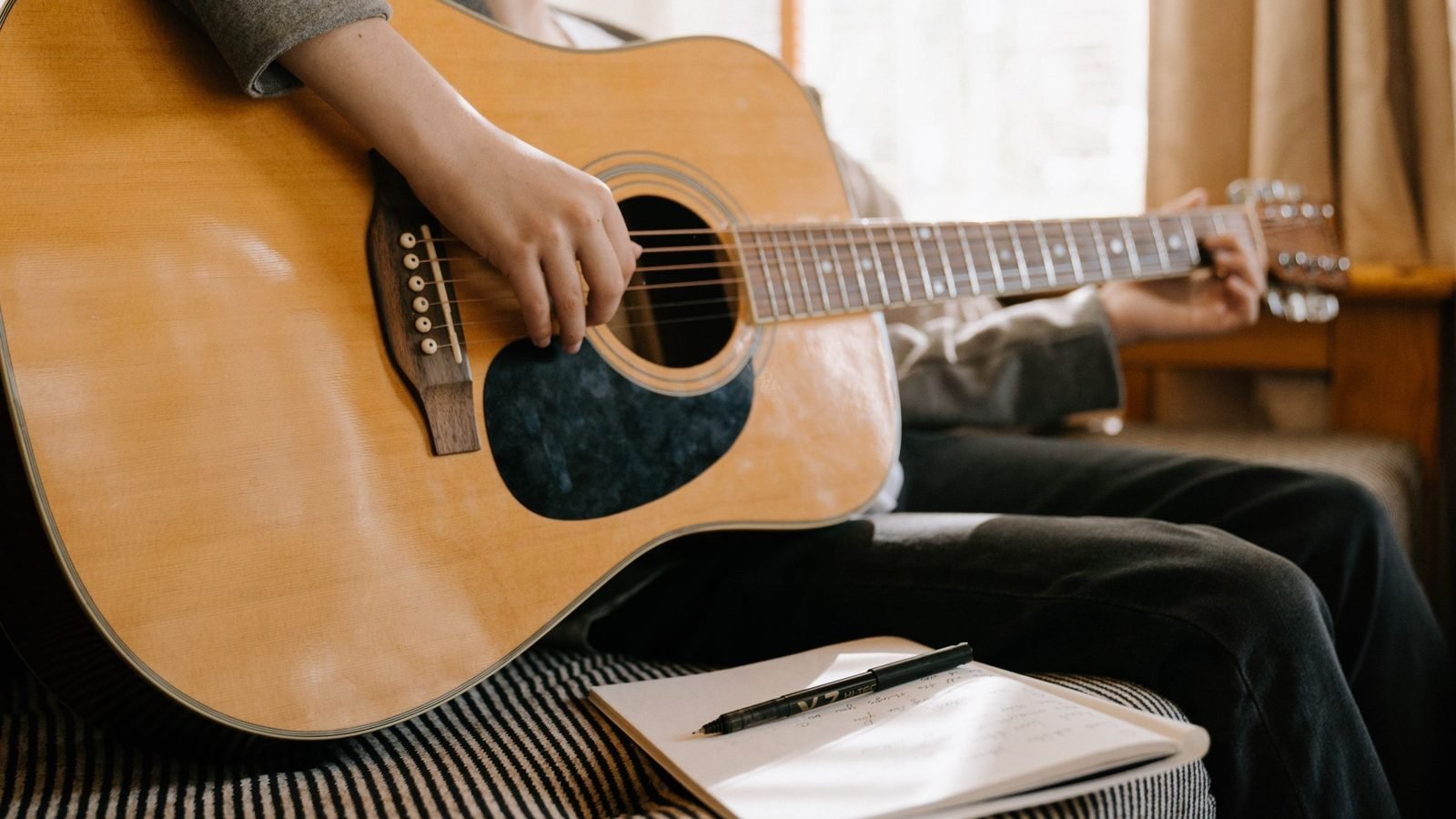
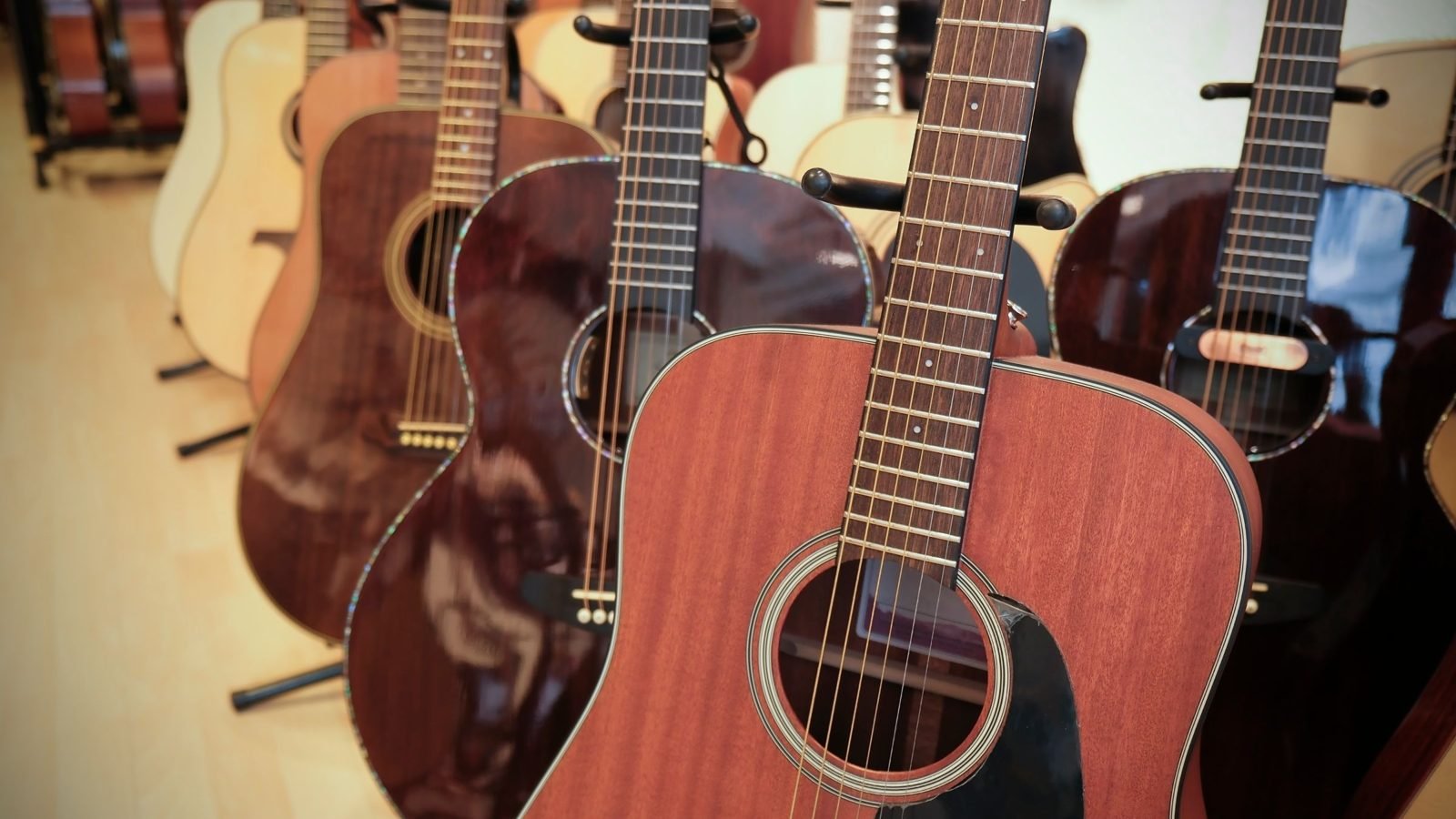
The photographs are illustrative. The guitar comparison is a training example, not a test of the instruments shown in the photos.
Disclose the recording signal chain and the limits of the comparison
The sound of an electric guitar in a video is not just the guitar. Yamaha's guide to choosing an electric guitar, checked on 22 November 2026, describes the signal's path through pickups, controls and an amplifier. So disclose the recording signal chain in the advertisement: the equipment and relevant settings through which the sound reaches the file. There is no need to recite a technical catalogue, but viewers should know what they are listening to.
Prepare a listening passport: a short note for the script and the post description. This is an editorial template proposed here, not a Blogger Bank feature. It helps the store review the recording and prevents the demonstration conditions from getting lost during editing. The creator fills it in with someone who knows the equipment shown.
- Model: the instrument's full name and variant, matching the offer.
- Passage: original or licensed material, with confirmation that the intended use is permitted.
- Recording signal chain: amplifier or interface, effects used, recording method and significant audio processing.
- Conditions: instrument settings, playing approach and what stays the same in the comparison.
- Limitation: what the passage cannot help assess, such as comfort in the buyer's hands.
- Invitation: a specific model to try and the current way to arrange a trial.
When comparing instruments, keep the passage, player and recording signal chain comparable, and identify every deliberate change. If one guitar is shown with an effect and the other without it, do not label the result as a difference caused solely by the models. Also agree on how changes to volume levels and processing during editing will be described. Hiding those decisions deprives viewers of the context needed to interpret what they hear.
Training example: two guitars without a winner
Imagine a store that wants to invite beginners to try two guitars from its range. This is a training example, not a Blogger Bank campaign or test. The creator prepares an original passage with chords and single notes. In the notes, they label the instruments model A and model B; in an actual post, they give their full names and the settings used.
They record both parts under the agreed conditions and say which amplifier or interface was used. After each passage, they show their hand on the neck, but describe comfort as a personal impression. The ending is not “model A is better”. Instead, the creator suggests: “listen to both passages, then visit and check which instrument feels more comfortable to hold”. We assign no results or properties to these fictional models.
When reviewing the video, the store checks that the labels match the shots and recording notes. If the editor has changed the order of the parts, the names must be corrected before the video reaches viewers. If the footage does not allow a fair comparison of conditions, describe it as a demonstration of separate setups instead. Do not add a ranking to footage that was not prepared as a comparison.
Connect the video to trying the instrument in the store
After listening, viewers should know where to try that exact model. The link can lead to its product page with current availability and the store's contact details. If a trial needs to be booked in advance, say so directly. Do not promise an instrument waiting for every visitor when you only have a demonstration unit or the range is changing.
Tell the store staff which video customers will see. The creator's name, featured models, recording signal chain and suggested next step are enough. A customer should not have to play the entire reel to a salesperson just to identify the guitar. If the setup from the video cannot be reproduced in the store, explain the difference before the trial begins.
A visit adds what the video cannot convey: the feel of the neck in your hand, the instrument's position and your own experience of playing. Do not treat a recording as a promise of identical sound on every device. Viewers may use a phone or headphones, while in the store they will hear the setup in a different environment. The advertisement should help them prepare questions, not make the purchasing decision for them.
You can revisit the same topic in a Google Business Profile update if you have the rights to use the material that way. After publishing, check the post's status: Google's help page on posts, checked on 22 November 2026, distinguishes between live, pending and not approved posts. Submitting the material alone does not confirm that it is available in search or guarantee more traffic.
Agree on rights to the performance and material
Before recording, establish which passage the creator will play and on what basis it can appear in an advertisement. Do not assume that performing a familiar tune yourself allows unrestricted commercial use. The person responsible for rights should confirm the scope before filming. An original composition also requires clear arrangements with its author regarding the commissioned video.
Separate permission to use the music from arrangements covering the visuals, performance and publication. Specify the store's channels, posting on the creator's profile, any paid advertising, the usage period and permission to edit shorter versions. If legal questions arise, give the specific plan to the person responsible for contracts. Do not try to solve the problem simply by changing a caption or muting a short passage.
If the goal is to promote the track itself rather than an instrument, you need a different plan. The guide to music promotion and reaching listeners distinguishes recording distribution from a creator's post. In a store advertisement, music demonstrates the product; the viewer's path leads to trying an instrument, not increasing streams of a single.
Clearly label a commercial post on the creator's profile and identify the advertised store. UOKiK's influencer marketing recommendations require an unambiguous, understandable disclosure and identification of the promoted brand. Check that the information is visible on a phone. A professional demonstration can be an advertisement without pretending to be an independent review or a spontaneous discovery of the store.
How to organise a collaboration with a creator through Blogger Bank
Describe an assignment for an explained instrument demonstration on Blogger Bank. Specify the audience, models, recording location, expected files and publication. Attach the listening passport as your own editorial requirements. Ask applicants for an example of a similar explanation and an idea for a scene, rather than requiring a promise of a certain number of future customers.
Choose a creator and agree on the workflow before recording. Blogger Bank lets you organise applications, arrangements, contracts and secure payment in one place. The store remains responsible for the accuracy of its offer, equipment availability and content review. The platform does not measure tone, automatically confirm music rights or replace the person who checks model labels.
Review the material against the written criteria: a visible instrument, the agreed passage clearly audible, a description of the signal chain, the comparison's limits, disclosure of the collaboration and a working route to a trial. After publication, separate video results from model enquiries, booked visits and sales. A customer asking about a guitar is valuable information, but not yet a purchase. If you cannot attribute a visit to the video, record missing data rather than inventing campaign success.
Start with one instrument and the question you hear most often when demonstrating it. With that topic prepared, commission a creator's demonstration that leaves customers knowing what they want to try in person.
Frequently asked questions
How can you advertise a music store with a creator?
Commission an explained instrument demonstration for a specific buyer. Agree on the model, passage, recording conditions and the viewer's next step. The creator should help people prepare for a trial, not just showcase their musical skills.
Will the best musician always be the best advertising creator?
No. Store advertising also requires the ability to explain choices to less experienced people. Check whether the creator names settings, demonstrates the instrument's use and separates personal impressions from information in the product specifications.
What should you disclose alongside a sound recording?
Give the instrument's full name and variant, the passage played and key elements of the recording signal chain. Include the amplifier or interface, effects, settings and audio processing. Viewers should understand what they hear and what the demonstration does not prove.
Does a video replace trying an instrument in the store?
No. A video helps viewers prepare questions but cannot show how comfortable an instrument feels in their own hands. What they hear also depends on the recording and their device. Invite customers to try the specific model in person.
How can you compare instruments without a misleading ranking?
Agree on a comparable passage, player and recording signal chain, and identify every change in conditions. Explain the listening limitations. Do not infer a model's overall superiority from different setups or one musician's personal impressions.
Can a familiar song be played in an advertisement?
Confirm rights for the intended use before recording. Performing a song yourself does not automatically grant permission for advertising. Before production begins, give the person responsible for rights the passage, publication channels and planned scope of use.
How should you direct viewers to the store?
Invite viewers to try a specific model and provide a working link to the current offer or contact details. Explain whether a trial requires booking. Make sure staff know the featured instruments and the video's demonstration conditions.
What should you include in a Blogger Bank assignment?
Specify the audience, instruments, recording location, demonstration and required explanations. Add recording conditions, rights, file versions and any publication on the creator's profile. Agree on acceptance criteria and an invitation to try the instrument, rather than commissioning a sales promise.