Music promotion: how do you plan to reach listeners?

Short answer
Start music promotion by choosing your listeners and checking the recording's availability. Separate distribution, media outreach and commissioned creator posts. Give the creator an agreed excerpt, confirmed usage rights and a clear route to listening. Review the completed content, and assess its reach separately from plays, saves and returns to the track.
Music promotion does not end when someone watches a video featuring the chorus. A record label also needs to know whether the viewer recognises the artist, finds the right recording and wants to return to it. Start your plan with the listener and an available track, then choose your channels. A creator can give a song a meaningful context: an original scene, a story about its sound or a situation that makes the audience want to listen. They cannot replace distribution or guarantee interest.
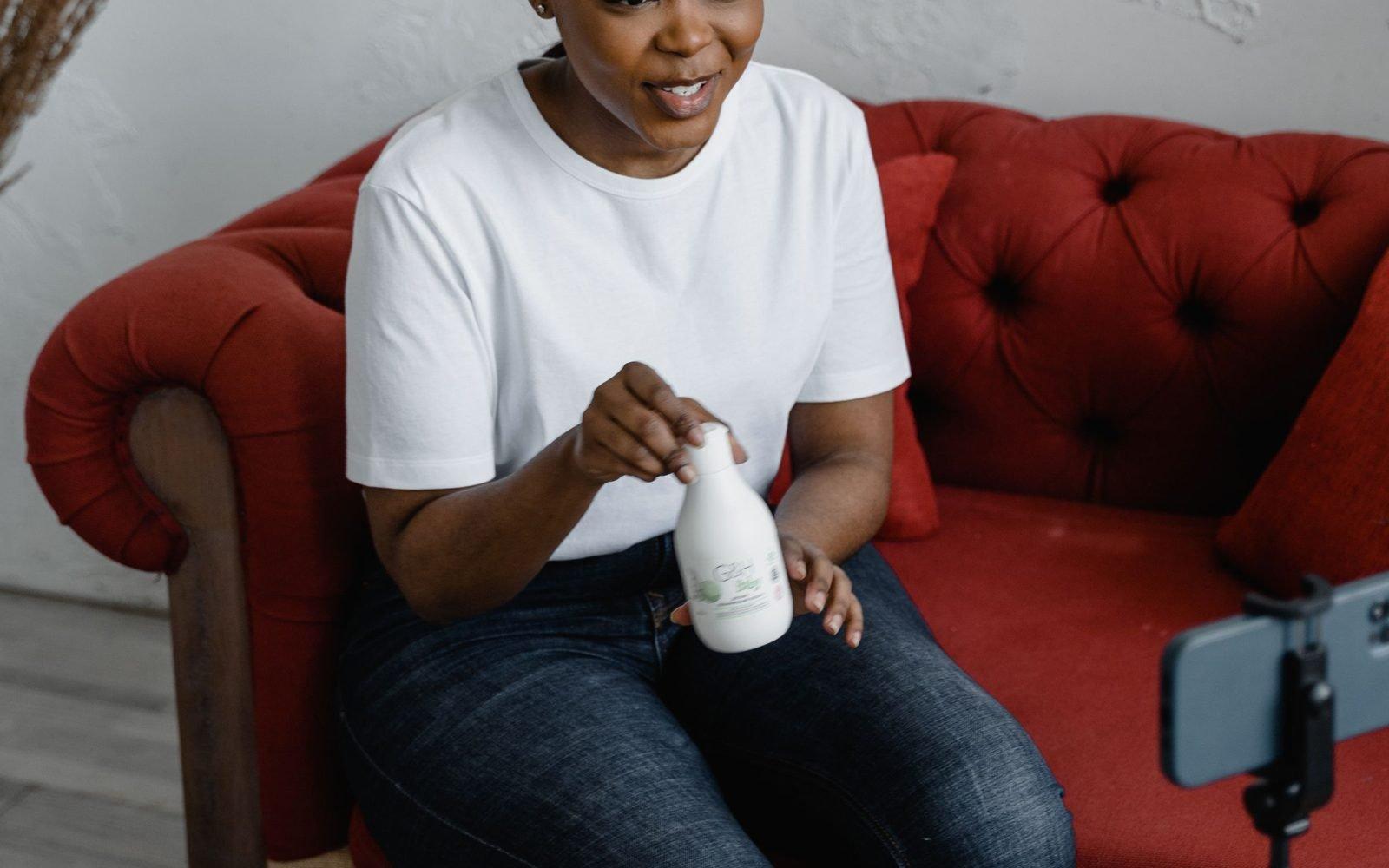
If your plan calls for a creator's post, create a brand account on Blogger Bank and describe a brief for content featuring the recording. Prepare the track title, target audience, an idea for using the excerpt and the intended publication channel. Applications will help you choose a creator for a specific task, not buy a promise of playlist placement.
First, decide who should hear the recording
“Music fans” is too broad a description to guide a collaboration. Choose people for whom this single could be their next discovery: fans of Polish alternative pop, listeners of mellow electronic music or people following the local rap scene. Add the language, the character of the sound and a reason they might be interested. Genre helps narrow the choice, but does not explain the listening situation on its own.
Separate existing fans from people who do not know the artist. You can show the first group how the recording came about. For the second, first let them hear an excerpt and recognise the artist's name. A video built around a joke from the previous tour may work for the band's community while making no sense to outsiders. Do not assess both groups with the same question about recognition.
Review the artist's previous posts and the available listener data. Note what you know from the dashboard and what you still want to test. Comments about the mood of a track may suggest a scene, but they do not prove that the entire audience shares those preferences. Frame a hypothesis in the brief: “We want to test whether this excerpt interests the creator's audience”, rather than claiming to have a ready-made formula for a hit.
Prepare an available track and one destination for the next step
First, confirm with the person responsible for distribution where the recording is available and under what name. Check the track version, artist profile, cover art and URL. Distribution delivers the recording to music services; promotion gives people a reason to find it and press play. Simply adding a single to a catalogue does not replace a plan for reaching listeners.
Choose one clear destination for the campaign's next step: the specific track or a simple page offering a choice of services. Do not send people to the label's general website if they then have to search for the song again. On a phone, check the route from the post to the recording, including when logged out. Make sure the link opens the right version, not a remix or the profile of another artist with a similar name.
Before release, distinguish between what viewers can do now and what they can do only once the music is available. A teaser should not pretend to offer a working playback link. If you use a signup or reminder page, explain what it actually does. A general launch plan with creators will help establish approvals and the publication window; here, add a check of the recording's availability to the schedule.
Separate owned channels, media, playlists and creator posts
The artist's channels give interested people somewhere to continue exploring. Prepare an up-to-date profile, a pinned announcement about the single and content explaining what they are listening to. You do not have to publish the same clip everywhere. A rehearsal excerpt, a story about the lyrics and a performance recording answer different questions. What matters is keeping the track title and the route to listening consistent.
For media outlets, prepare a short release description, a listening link, artist information and contact details. Pitching a story to a journalist is not commissioning coverage. An editorial team may decline or choose its own angle. If you buy sponsored content, agree on its scope and disclosure rather than later presenting it as an independent editorial recommendation.
Likewise, distinguish a curator submission from advertising. According to the Spotify for Artists instructions, checked on 18 November 2026, pitching a track to editors is for upcoming, unreleased music. Do not treat this route as a promotional submission form for an already released single or a guarantee of playlist placement. Other promotional tools have their own eligibility requirements; check the service's documentation for the release in question.
A creator post is a different purchase: you agree on the content, channel and how the recording will be identified. You can review the concept and accept the completed work, but you cannot commission a listener's decision. If you are considering a podcast host's endorsement, see the guide to podcast advertising and choosing a format. An audio file alone does not secure a slot in an existing show.
Match the creator's idea to the track instead of forcing a trend
When choosing a creator, watch their music-based content in full. Does the sound drive the scene, or does it get lost beneath speech? Do viewers ask about the tracks, or are they interested only in the clothes shown? Ask for examples and available data with the measurement period. A popular profile does not prove that its audience will listen to the genre you are promoting.
The idea should give the song room while preserving the creator's own voice. A track about the city at night might suit an original scene of a journey home. For a distinctive beat, the creator could build an edit around movement. For a lyric-driven song, a short story about its theme may matter more. These are suggestions to explore with the creator, not promises that particular formats will work.
Do not insist on a dance simply because a competing single appeared in a trend. If a creator usually talks about music, a sudden staged performance may undermine their credibility. Do not commission fake spontaneous enthusiasm either. A creator can honestly present an excerpt in a disclosed partnership without claiming to have been a fan of the artist for years.
Illustrative example, not a Blogger Bank campaign. A small Polish record label wants to draw fresh attention to an existing single. It chooses a short evening-walk scene in which the agreed excerpt sets the mood and the caption names the artist and track. The label first confirms the rights for the intended use. The creator proposes their own shots and a transition to the information about where to find the full recording.
When reviewing the content, the label checks that the agreed excerpt is audible, the name is not lost among captions and the supplied link leads to the single. It does not demand added praise or a promised number of future plays. If the scene works well but the track cannot be identified, the label fixes the identification before publication. This is a correction to the commissioned work, not a judgement of the creator's taste.
Agree on files, rights and disclosure before commissioning
Prepare a package the creator can actually use: an approved file or specified audio source, the exact excerpt, the spelling of the artist's name or stage name, the title, link and required information. Add editing boundaries: what may be shortened, whether the creator may speak over the music and who approves the version. Do not leave the choice of a similar-sounding recording to a random search result.
Check the rights to the video and the music it contains separately. Akademia ZAiKS distinguishes the rights of authors, performers and the recording producer. Paying to promote a single does not, in itself, establish that every permission is in place. Assign someone at the label to check authorisation for the specific use, channels and duration; if there is any doubt, submit the scope for legal review before production.
If the video will later be used in paid advertising or on another account, include that from the outset in the rights check and agreements with the creator. Do not assume permission for the initial post covers every subsequent use. Advertising disclosure is also part of the brief: agree on clear identification of the commercial partnership and advertiser, in line with UOKiK recommendations. Paid promotion of a recording should not look like the creator's independent discovery.
Use this information to describe a creator brief on Blogger Bank: specify the audience, single, planned content and publication channel. Ask applicants to suggest a scene and provide relevant examples. Choose a creator, agree on the scope, then review the content against the recorded criteria. The platform helps organise collaboration; it does not distribute recordings, award playlist placements or automatically confirm music rights.
Separate content reach from listening and repeat visits
Start the report with delivery: where the content appeared and whether it includes the correct audio, disclosure and route to listening. Then record the available results for the creator's post, together with the source and period. A video view, a link click and a track play are different events. Do not call a reel's viewers new listeners if you have no data showing that they moved on to the music.
On the label's side, check the signals available from music services: listeners, plays, track saves and sources of listening. Compare periods of similar length and account for other activity, such as an artist's post or media coverage. If the dashboard cannot connect a play to a particular video, state that limitation. Growth during the campaign does not prove that the creator caused every additional play.
In the single example, the label's report therefore has two parts: confirmation that the post was delivered, and separate observations from the available music data. Questions about the title may indicate that identification needs improvement. Clicks without further data do not yet allow you to assess whether people return to the recording. Plan the next piece of content around a specific obstacle instead of automatically repeating the video with the greatest reach.
Start by checking the link to the single and writing down who you want to introduce it to. Only then choose a scene and a creator who can bring it to life credibly.
Frequently asked questions
Where should music promotion begin?
Start by identifying the listeners you want to introduce the recording to and checking its availability. Prepare the correct link, artist name and title. Then choose channels and a content idea that gives people a reason to listen.
How does promotion differ from distributing a recording?
Distribution delivers a recording to music services. Promotion aims to interest people and help them find the track. Having a single in a catalogue does not guarantee listeners, and commissioning a creator's post does not replace the distributor's work.
When is it worth working with creators?
Consider collaboration when the recording is ready to share, rights have been checked and the creator can give the excerpt a fitting context. Provide a clear route to listening. Do not commission content just because a similar song became popular.
How do you choose a creator for a music genre?
Watch the creator's previous content, how they use sound and how their audience responds. Ask for examples and available data with the measurement period. Assess the scene idea and the audience's fit with the recording, not just follower numbers.
Does a creator's post guarantee plays?
No. You commission specific content and its publication, not someone's decision to listen. Video views and link clicks are not track plays. Assess music results separately, taking account of the available data and other promotional activity.
Who confirms the rights to use an excerpt?
The label should appoint someone to check authorisation for the specific use of the music. Consider authors', performers' and recording producers' rights and the intended channels. Commissioning a video or obtaining the creator's approval does not establish every permission.
How do you measure interest in a track after a campaign?
Separate publication delivery and reach from music data. Check available plays, listeners, saves and listening sources, specifying the period and data source. Do not attribute all growth to the campaign if measurement cannot establish that connection.
What can you commission on Blogger Bank, and what does the platform not do?
On Blogger Bank, you can describe a content brief, collect applications and choose a creator. Agree on publication and acceptance criteria. The platform is not a music distributor, playlist curator, artist manager or system for measuring streams.