Influencer collaboration without discount codes: how to start?

Short answer
Start influencer collaboration without a discount code with the product, publication objective and clear working terms. Separate the creator’s fee from the customer’s price. Agree on a CTA linking to a specific product page, advertising disclosure and link tracking. Blogger Bank lets you collect creator applications and organise collaboration; assess sales in your store’s analytics, accounting for its limitations.
Influencer collaboration without discount codes starts with deciding why the audience should visit your store. They do not have to get a lower price. They may want to check a shirt’s measurements, see an available colour or compare the cut with something they already wear. The creator’s job is to show the product and lead viewers towards that decision, not replace a nonexistent promotion with the promise of a “special offer”.
State that there is no code in the brief, before you start talking to candidates. Create a brand account on Blogger Bank and describe a publication without a discount. Prepare the product, its product page URL and the purpose of the content. Interested creators will apply themselves, and you can compare ideas for a recommendation that does not rely on a price reduction.
Separate the creator’s fee from the audience’s discount
Payment for preparing and publishing content covers the creator’s work. A discount concerns the customer’s purchase price. These are separate decisions. You can commission a paid integration in which the garment is available on standard terms and the link simply takes viewers to the offer. Do not present the absence of a code as a reason for the creator to work without payment.
Agree on what you are buying: a recording, a publication on the creator’s profile, answers to questions or also a file for the brand to use. Your cost plan should include the creator’s work, the product for the demonstration, shipping, any sample return and the agreed use of the content. Not offering customers a price reduction does not remove these items. It does, however, let you discuss the scope of work without mixing it with promotional terms.
Do not turn this decision into a declaration of your brand’s superiority. An undiscounted price does not prove a garment’s quality, and collaboration without a code is not inherently better than a promotional campaign. In this approach, you are simply testing whether the product presentation gives viewers enough reason to explore the offer. You are not promising the creator or yourself that the absence of a markdown alone will improve sales.
Choose a creator who can recommend products without a price promotion
Watch a candidate’s previous ads and check what remains of the message when you remove the code. Does the viewer still know who the product is for and what to check before buying? If the entire piece boils down to “I have a discount for you”, ask for a different idea rather than assuming the same script will work with its final sentence removed.
In the application, ask for a short proposal for the opening and ending of a video about your garment. For a shirt, the situation might be: “I’m looking for a cut I can also wear without a blazer.” The ending should lead to information on the product page. This is not a contest for the most impressive slogan, but a check that the creator understands the task and can speak to the right audience.
Also pay attention to replies beneath ads. When someone asks about sizing, the creator should distinguish personal experience from the store’s information. When someone requests a code, they should not announce a discount the brand has not agreed to. Having run promotions before does not rule a creator out; what matters is whether they can propose another way to recommend the product.
Do not turn the first assignment into a complete community-building programme. If you want to plan a return to questions about the garment, see the guide to fashion brand influencer marketing and conversations with your audience. Here, choosing a creator should lead to a clearly defined publication without a price incentive.
Include the offer, CTA and reply to code requests in the brief
Name the model, variant and destination page URL in the brief. Add this sentence: “This collaboration does not include a discount code or special purchasing terms for the audience.” The creator will then not have to guess whether the missing code is an oversight in the documents. Also agree on who confirms that the product information is current before publication.
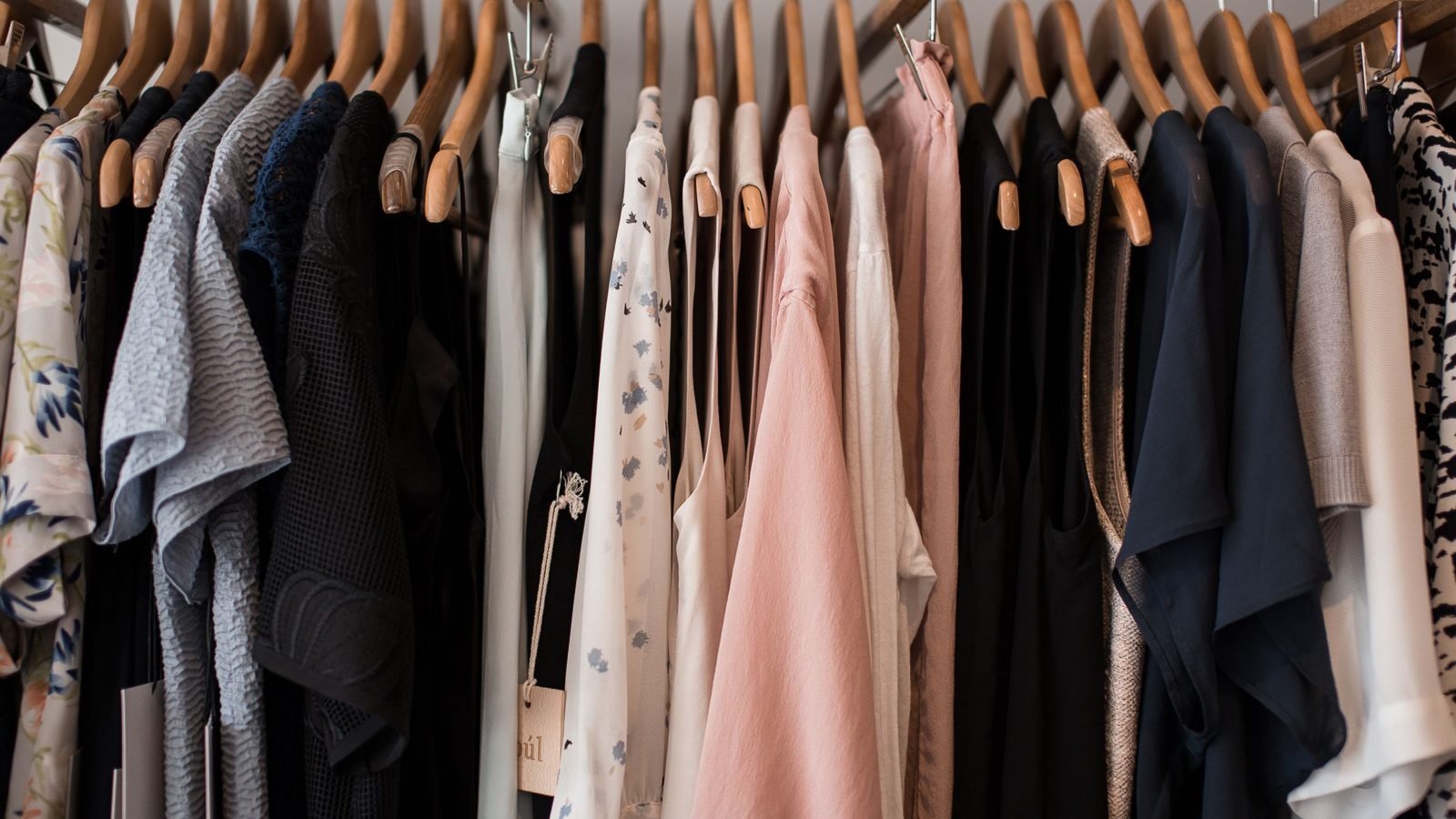
Educational example, not a Blogger Bank campaign: a Polish shirt brand commissions a presentation of a model from its permanent range. The creator shows the shirt in everyday use and directs viewers to that specific model’s product page. The brand supplies the description, measurements and information about available variants. It does not commission a story about a limited launch, because that is not the offer it is introducing.
In this example, an appropriate CTA is: “Check this shirt’s measurements and available colours on the page linked here.” Saying “Use my link to take advantage of a special offer” would be misleading if the link leads to the standard offer. The difference concerns the promise made to the viewer, not how appealing the wording sounds. A link tagged for measurement does not in itself provide an additional purchasing benefit.
Prepare a simple reply to discount requests too: “I don’t have a discount code for this collaboration. You’ll find the store’s current offer at the link.” Do not add “yet” or “maybe soon” unless there is such a plan. The creator does not have to apologise for the lack of a discount or argue that customers who ask for one do not understand the product.
Checklist of agreements before accepting the assignment
- Offer: the specified model, variant, product page and an explicit statement that there is no code.
- Deliverable: content format, publication location, deadline and any file delivery to the brand.
- Creator’s work: the scope of preparation, revisions and replies to audience questions.
- Message: the purpose of the demonstration, CTA and agreed reply to discount requests.
- Advertising and usage: how the collaboration will be disclosed and the agreed locations and scope of content use.
- Measurement: a tested link, available publication statistics and the deadline for delivering a summary.
Every item should have a concrete answer, not just “to be agreed”. If the brand wants to use the video in its own ads, say so before choosing the creator. If it expects comment management, define the topic and duration of that work. Do not add these tasks after publication under the general heading of “collaboration without a code”.
Plan publication without artificial urgency
The publication date may follow the collaboration schedule; it does not have to mark the end of an offer. In the brief, separate the content delivery date from information for buyers. For a product in the permanent range, do not commission a countdown or “last chance” wording simply to replace a missing discount. If size availability changes, confirm the facts before recording the message.
Before publication, compare the video with the shirt’s product page on a phone. Will viewers find the same model and the colour shown after clicking? Is it clear where to check measurements? Does the link lead to a homepage where they have to search for the product again? If the sizes shown are unavailable, agree on the next step with the creator rather than quietly changing the link destination to another garment.
The absence of a code does not turn a paid publication into an independent recommendation. According to the UOKiK recommendations on influencer marketing, checked on 22 November 2026, commercial content on an influencer’s profile should be labelled clearly and unambiguously, identifying the promoted brand. The authority recommends using both the platform’s feature and your own disclosure. Check their visibility in the finished content, not just their inclusion in the brief.
If you want to show an outfit rather than a single shirt, do not automatically imply savings. Showing how products work together is a separate content idea, described in the article on demonstrating the value of bundles without discounts. Adding more items to the frame does not replace clear purchasing terms.

Measure visits and orders without a discount code
To measure visits, use a link with UTM parameters prepared for that publication. The Google Analytics documentation on campaign URLs, checked on 22 November 2026, describes source, medium and campaign parameters, as well as distinguishing content through utm_content. These identify traffic sources in the store’s analytics; they are not a Blogger Bank feature or a substitute for configuring purchase tracking.
Agree on one naming convention with the person responsible for analytics. Record the creator, channel, destination URL, content identifier and date for each publication. Test the journey from the place where viewers will actually click the link. Check that redirects preserve the parameters and that the analytics tool records the visit under the appropriate consent settings. Do this before the collaboration ends, not afterwards.
Separate task completion from store results. Acceptance covers the video’s compliance with the brief, a correct link and the agreed publication statistics. Evaluating its effect covers recorded visits and attributed orders. A view is not a visit, and a visit is not a purchase. For orders, also account for cancellations and returns according to the store’s reporting approach.
A link will not reveal the customer’s entire journey. A viewer may return through a search engine, switch devices or decline consent for some measurement. Other brand activities may influence the same decision. An attributed purchase therefore does not prove that it would not have happened without the publication, and the absence of an attributed purchase is not definitive proof of no influence. Include these limitations alongside the result in the summary.
In the shirt example, the brand compares information about the content with product page visits and orders visible in analytics. It also records unavailable sizes and concurrent store activities. If there are visits but no purchases, it checks the offer and purchase journey rather than automatically concluding that a discount was the only missing element. The data helps choose the next test; it does not justify a predetermined answer.
Organise the collaboration on Blogger Bank
Post a brief on Blogger Bank for a garment presentation without a code. Include the product page, the purpose of the demonstration, expected deliverables and the agreement checklist. In the questionnaire, ask for an idea for the video’s opening, its final CTA and an example of a previous recommendation without a price promotion. This lets you compare responses to the same task, not just general expressions of interest.
Creators apply themselves and complete questionnaires; the brand chooses a creator and agrees on the scope. Blogger Bank brings together collaboration management, contracts and secure payment. Checking the offer, preparing tracking links and interpreting sales remain the brand’s responsibility. The platform helps organise work with a creator, but does not promise purchases or complete attribution.
Start with a specific shirt model and one publication objective. State that there is no discount, choose a useful CTA and check the product page before sending the assignment for execution.
Frequently asked questions
Does influencer collaboration require a discount code?
No, a discount code is not required for influencer collaboration. A brand can commission a product presentation, guide or demonstration of its use. Set the creator’s fee, publication scope and call to action in the brief without reducing the price.
How can you promote a fashion brand with influencers without discounts?
Start with a specific customer need and a product that meets it. A creator can show how a garment fits an everyday situation. Direct viewers to the relevant product page without inventing a price offer or artificial pressure to buy.
How do you choose an influencer for collaboration without a discount code?
Check whether the creator’s previous content helps explain products or relies mainly on price promotions. Ask for a publication idea without a code. Assess how the audience, communication style and proposed call to action fit the brand’s offer.
What should an influencer brief include when a brand offers no discounts?
Specify the publication objective, product, audience, required content and link destination. Explicitly state that there is no discount code and explain how to answer discount requests. Agree separately on payment, advertising disclosure and content usage rights.
What CTA should a garment ad use without a price promotion?
Match the CTA to information viewers need before buying: measurements, available colours or model details. The link should lead to the garment shown. Avoid messages suggesting a discount or limited availability if the brand cannot confirm them.
How do you measure influencer collaboration results without a discount code?
Use a tagged link and check attributed visits and orders in the store’s analytics. Compare results with the campaign objective. Account for consent, device and other channel limitations; an attributed purchase does not prove the collaboration alone caused the sale.
Does the absence of a discount exempt an influencer from advertising disclosure?
No, offering viewers no discount does not change the advertising nature of a paid publication. Agree on clear disclosure following current UOKiK recommendations. Do not present a commissioned recommendation as an independent opinion simply because the content contains no code.
How can you organise collaboration without discounts on Blogger Bank?
Describe the task and state that the brand provides no discount code. Creators apply themselves and complete questionnaires. Blogger Bank combines collaboration, contracts and secure payment; the brand selects a creator and agrees on deliverables and content usage.