Instagram advertising for a beauty salon: from video to booking
Short answer
Instagram advertising for a beauty salon needs a video that matches the available service and booking route. Define the name, scope, next step and person confirming appointments. Commission content for that specific task through Blogger Bank, collect applications and agree on rights. The platform helps organise collaboration but does not manage campaigns or bookings, or guarantee clients.
Instagram advertising for a beauty salon should lead to the same service shown in the video. If a creator talks about lash styling but clients click through to a confusing list of options, they have to start by asking what the salon offers. Before commissioning a video, connect its subject to a specific booking option and decide who will confirm appointments. Good content helps people make a decision; it cannot replace an available slot or a reply from reception.
Once you know which service to feature, post a brief on Blogger Bank for a salon advertising video. Prepare the service name, the client's question and the intended booking route. Creators can apply for a specific assignment, and you can compare their content proposals rather than commission a vague “Instagram promotion”.
Define the booking action the video should support
Specify in the brief what viewers can do after watching the ad. Choosing a calendar slot, messaging to ask about an option and requesting a callback are different actions. Do not group them all under “acquiring a client”. A message starts a conversation; a booking is only confirmed once the service and appointment time have been agreed.
Choose a route that fits how the salon works. If the scope needs explaining before someone books, invite them to get in touch and say what the conversation will cover. If clients can choose a service themselves, send them to its description and calendar. Do not promise instant confirmation if you only check messages after finishing hands-on work.
Write the video's task in one sentence: “After watching, viewers recognise the service name and know where to check availability.” This is not a forecast of booking numbers, but a content acceptance criterion. Separately, assign someone to check the link, current service information and answers to questions. The creator usually has no control over these decisions.
Match the video's promise to the available service
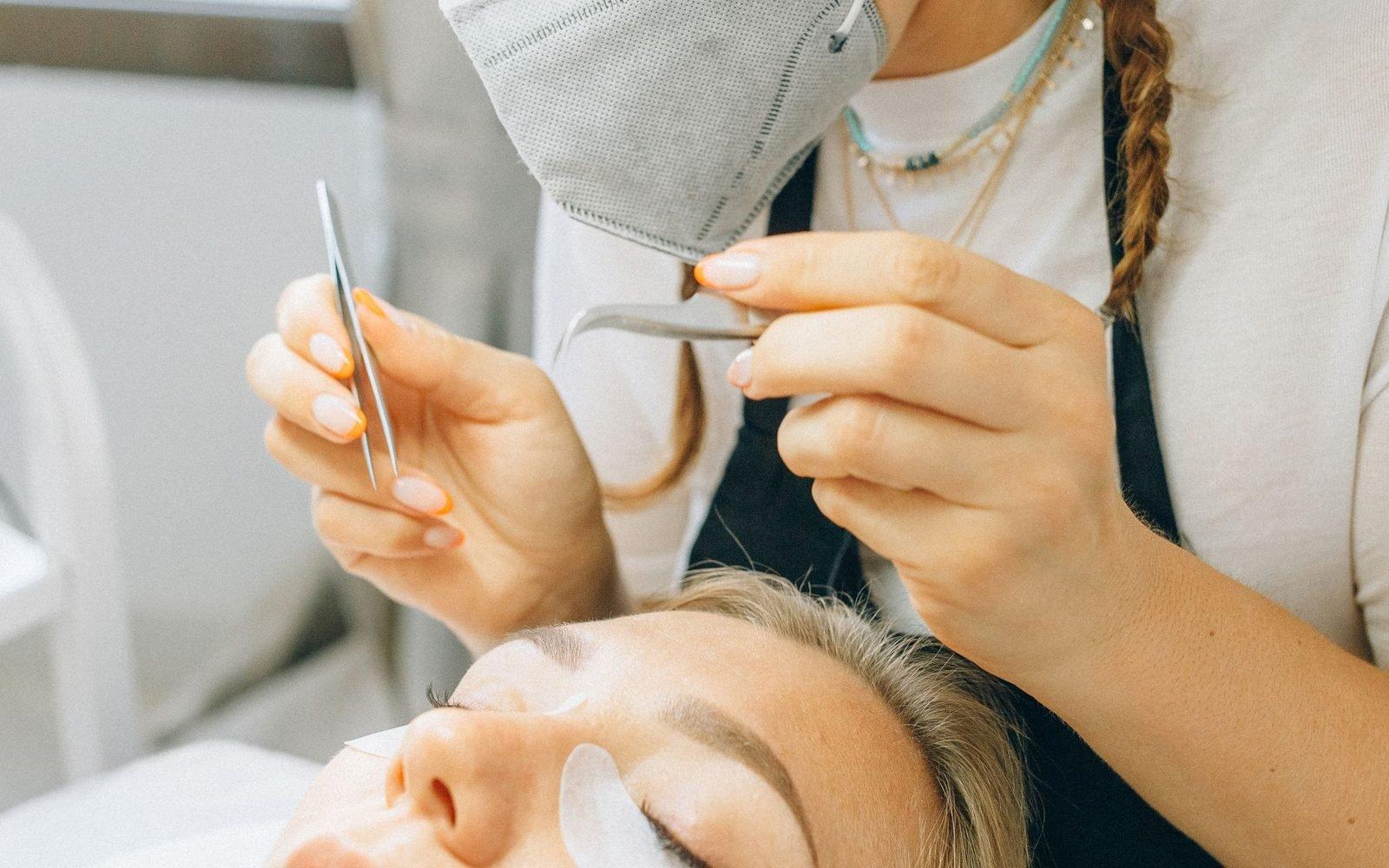
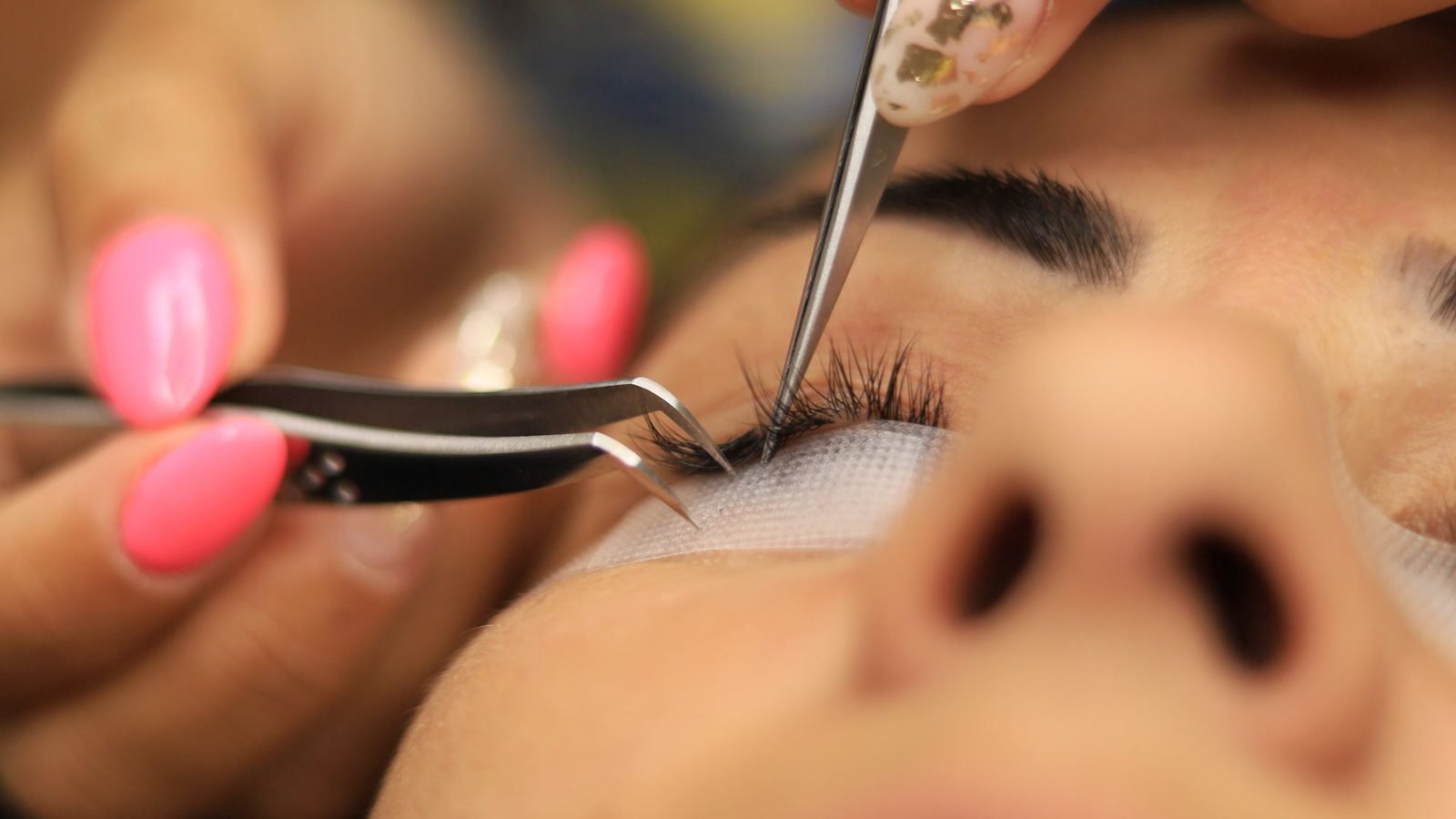
Training example, not a Blogger Bank campaign: a Polish lash studio commissions a video explaining the differences between its options. The owner supplies the names used in bookings and an approved description of what each includes. The creator asks questions from a first-time client's perspective, and the lash stylist explains the service without promising identical results for everyone.
The draft video refers to a “natural lash look”, but the booking page only lists technique names. Interested viewers do not know which option to choose. This does not necessarily mean the ad reached the wrong audience. There is a gap between the creator's wording and the salon's terminology. Add the correct name to the video and align the explanation on the page; do not make reception explain the same distinction to every client individually.
Before approval, compare what the appointment includes, too. Is the consultation shown part of the advertised service? Does the video cover an initial appointment or an infill? Are available slots for that particular option? If the offer changes, assign someone to pause the outdated ad or commission an update. Do not keep an old promise simply because the video still looks good.
Showing customer service is a separate task from aligning an ad with bookings. For scene ideas, see the guide to working with a creator to show a salon's service quality. Here, focus on whether clients can recognise every piece of information from the video when they book.
Choose between an advertising file and a creator's post
If the salon runs a paid campaign and needs a video, commission content for that use. Posting it on the creator's account does not have to be part of the assignment. If you also want to reach their audience, agree on publication separately and check where their followers are based. Where a creator lives does not prove their viewers can travel to the salon.
The guide to choosing a content creator for a beauty salon covers selecting a collaborator. For an advertising assignment, add the file's intended use, channels and planned usage period. Filming, publication, editing further versions and paid distribution should not be assumed extras. Confirm which of these tasks the creator accepts.
Separate responsibility for the campaign, too. A creator may produce a video, but that does not mean managing an advertising account, selecting audiences or answering enquiries. Blogger Bank helps organise work with creators; it is neither Meta's advertising dashboard nor a booking system. The salon or its specialist handles distribution, while a designated person handles client contact.
Connect the scene, the service and the next step
Prepare a short consistency checklist and use it both before filming and when reviewing the work. It is not a script to recite. It connects what clients see with what your team does after they click. Assign a named person or role to each stage rather than leaving responsibility with an unspecified “salon”.
- Video — creator and content approver. The scene explains the difference between lash styling options, and the caption gives the name used in the service list. Check: viewers can recognise the service without knowing the brief.
- Service information — salon owner. The description gives the current scope of the same service. Check: the name, location and conditions do not contradict the advertising content.
- Booking route — website or messaging contact. The link leads to the right place and the instructions explain what to do next. Check: following the route on a phone does not require searching for the service again.
- Appointment confirmation — reception or a designated stylist. The client receives the agreed service, location and time. Check: simply sending a question is not recorded as a completed booking.
In the lash studio training example, the opening addresses uncertainty about choosing an option. The middle scene shows the stylist's explanation, and the ending points to the current description and available appointments. Each section has a purpose. An interior shot can provide context, but should not replace information needed to make a choice.
Before running the ad, open the destination on a phone as a new client would. Check that finding the right option does not require knowing an industry abbreviation. If booking requires a conversation, give reception the video's name and an explanation of the promoted option. Do not show real appointment diaries or client messages in the video; prepare a demonstration screen without their data.
Separate content problems from enquiry handling problems
Once the ad is running, do not judge everything by a single “leads” figure. Distinguish a view, a visit to the service page, an enquiry, a confirmed booking and an attended appointment. Each stage answers a different question. A salon may receive relevant messages but lack convenient slots; a new edit will not remove that obstacle.
Record reasons why bookings remain incomplete without pressuring clients or collecting unnecessary information. Repeated questions about “which service is in the video?” point to inconsistent naming. Questions about getting there may justify making the location clearer. A lack of availability calls for a decision about the offer or ad delivery. Do not automatically assume you need a longer form or a more impressive video.
You can identify the source of an enquiry through a tagged link and a client's voluntary answer. Do not put personal data in URL parameters. Remember that some people will see the ad and later book another way. Compare similar periods while accounting for appointment availability and other salon activity; a report cannot fully establish what caused every visit.

Confirm rights and versions before running the ad
Agree on channels, the usage period, permitted edits and the participation of people appearing in the video. Confirm that the agreement covers the planned advertising, not just organic publication. Avoid including unsuspecting clients in the background or reflections. If consent or licence terms remain unclear, resolve them before running the ad rather than treating file delivery as permission for every use.
Check music separately. Meta's music guidelines require appropriate licences for commercial use. A track being available in the app does not in itself confirm advertising rights. Ask where the soundtrack comes from and what use is covered; also agree on a music-free version if it may be needed for editing within the agreed terms.
For advertising posts on a creator's profile, follow UOKiK's disclosure recommendations: clearly identify the advertising nature and promoted brand, and use two-level disclosure through the platform's feature and your own wording. Before paid distribution, also check Meta's current advertising standards. Salon approval of a video does not replace the platform's ad review.
When accepting delivery, open the final file, not just a preview sent in a message. Compare captions with the service name, check that speech is intelligible and that the ending leads to the correct next step. Gather feedback into one list. Changing the service after script approval is a different scope of work from correcting a caption error — agree on this with the creator before further versions are produced.
Organise the assignment in Blogger Bank
Create an advertising video assignment from your brand account on Blogger Bank and attach the consistency checklist: the service, the viewer's question, the destination page and the person approving the information. In the questionnaire, ask creators how they would show the difference between options, for a similar work sample and to confirm they can film on location. You will receive responses to a defined task, not just expressions of interest in collaborating.
Agree with your chosen creator on the content, revisions, rights, deadline and any publication. Blogger Bank brings collaboration management, contracts and secure payment together in one place. This makes it easier to refer to the agreed deliverable when reviewing the work. Campaign management, calendar accuracy and booking handling remain the responsibility of the salon or its contractors; the platform does not guarantee clients.
Start with one available service. Before sending the brief, compare its name in the planned video, service description and booking destination — and assign someone to confirm appointments.
Frequently asked questions
How can Instagram advertising attract clients to a beauty salon?
Connect content showing a specific service with current information and a straightforward booking route. A creator's video can explain the appointment and help viewers assess suitability. Running an ad alone does not guarantee bookings or attended appointments.
What should a UGC video advertising a beauty salon show?
Show the service, its actual scope, location and booking method. Address a specific concern before booking rather than filming only interiors. Confirm information with the salon, and do not present one person's experience as a guarantee of identical results.
Should you commission UGC for an ad or an influencer post?
Choose UGC when you need content for advertising run by the salon. Consider an influencer post to reach their audience, and check its location. Producing the file, publishing it and granting paid advertising rights require separate agreements.
Why does a salon ad generate enquiries but no bookings?
Check the video's consistency with the offer, appointment availability, audience location and enquiry handling. An enquiry signals interest, not readiness to visit. Record reasons for dropping out without pressuring clients. Do not automatically assume the form itself is the problem.
How do you prepare a brief for a beauty salon advertising video?
Describe the service, audience, pre-visit question and intended next step. Add required shots and confirmed service information. Agree on formats, revisions, deadline, disclosures and advertising rights. Separate the creator's responsibilities from handling appointment bookings.
Can an influencer's video be used in a salon's paid advertising?
Do not assume permission to publish includes paid advertising. Agree on channels, usage period, editing and use of participants' likenesses. Check the music too. Advertising through a creator's account may require additional permissions on the platform.
How do you measure a salon ad using creator content?
Separate views, enquiries, confirmed bookings and attended appointments. Decide how to identify enquiry sources, recognising the limits of links and clients' answers. Compare similar periods and appointment availability. Video likes alone do not confirm that you have acquired new clients.
How does Blogger Bank help prepare a beauty salon ad?
The salon describes the content needed, and creators apply and complete questionnaires. Blogger Bank brings collaboration management, contracts and secure payment together. Agree on rights to use the video in advertising. Campaign management and booking handling remain separate tasks.