Online film and TV castings in Poland 2026: where to look, how to apply, self-tapes and extra work
Short answer
Current film and TV castings in Poland come through casting and extras agencies, casting groups on social media and drama schools. An application usually means photos, basic details and a short video, and increasingly a self-tape recorded on a phone. Between castings you can earn on camera with brand briefs — sign up as a creator on Blogger Bank.
Film and TV castings increasingly start online: instead of queuing, you send photos, a short introduction or a self-tape. Below you will find where to look for current castings in Poland, how to apply, how to record a self-tape and what working as an extra looks like. And if you want to earn in front of the camera between castings too — sign up as a creator on Blogger Bank and apply to brands' video briefs.
Where to find current film and TV castings
Film and series productions rarely look for people in one place. You will usually find them across several channels:
- Casting agencies and extras agencies — they keep databases of people and receive requests from productions. Joining a database is a starting point, not a guaranteed role.
- Casting profiles and groups on social media — casting directors and assistants often post calls on Facebook and Instagram, especially for extras.
- Drama schools, theatres and film schools — student films are good first material for a portfolio.
- Production cities — most shoots happen in large centres, so searching for castings in Warsaw or Kraków makes sense: productions look for local people there.
Read every call carefully: who the producer is, when the shoot takes place, whether a fee and contract type are stated. Be careful with calls that charge for taking part in a casting or for a "database entry with a guaranteed role".
How to apply for a casting online
Your application should help the casting director quickly judge whether you fit the role. Usually you need:
- current photos — a headshot and full-length shot, in natural light, without heavy filters or retouching;
- basic details — height, size, hair colour, city, languages, skills (e.g. horse riding, dance, driving licence);
- a short intro video — name, city, a few sentences about yourself, profile and full-length shots;
- experience — a list of productions or recordings if you have them; if not, say so plainly.
Follow the instructions in the call: file format, email subject, video length. Applications that ignore them are often rejected before anyone watches them.
Self-tape: how to record an audition at home
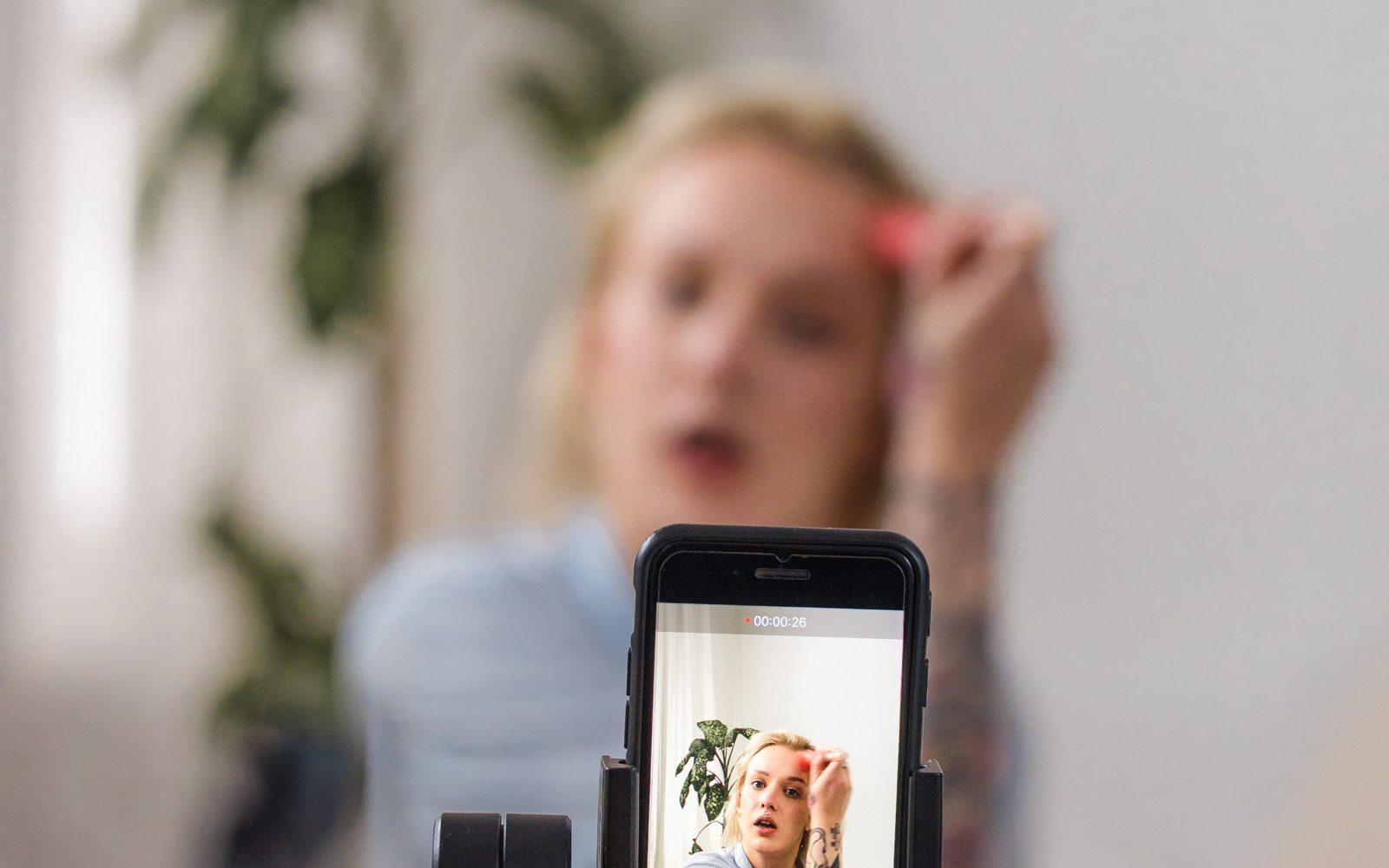
A self-tape is a recording you make yourself instead of an in-person audition. The production sends a script excerpt and notes, and you send the recording back by the deadline.
- Framing — phone in landscape (unless asked otherwise), on a tripod, at eye level; frame from the chest up.
- Light — face a window or lamp, no strong light behind you.
- Background — a plain, light wall with nothing distracting.
- Sound — a quiet room; an external microphone helps but is not essential.
- Reader — someone off-camera reads the other lines, more quietly than you; look just beside the lens, not into it.
- File — name it as instructed (usually name, surname, role) and test the link before sending.
Record several takes and send the best one, unless the production asks for two interpretations. The same skills — working with a phone camera, light and speaking naturally to the lens — are what brands pay for, as we explain in how to become a UGC creator.
Working as an extra: what it involves and how to start
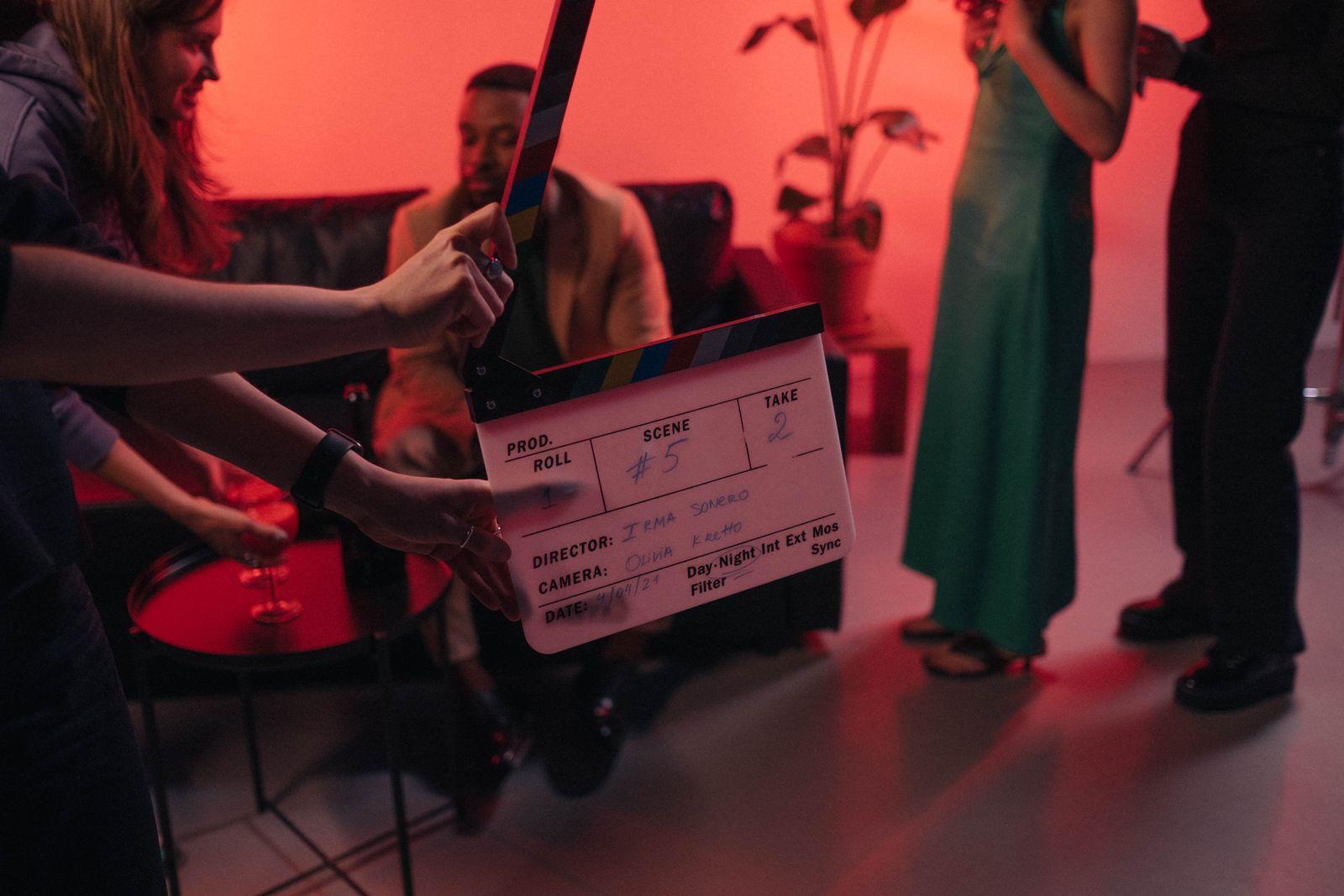
An extra appears in the background of a scene: a passer-by, a restaurant guest, a fan in the stands. No acting experience is needed, but you must be available and patient, because shooting days can be long and takes are repeated.
- How to start — sign up with an extras agency or answer calls in casting groups for your city.
- What to agree before the shoot — time and place, expected working hours, fee, contract type and payment date, required clothing.
- On set — listen to the assistant director, don't look into the camera, don't post photos from set without the production's consent.
Extra work is a good way to see a film set from the inside, but it can be irregular. That is why many people combine it with other on-camera work.
Between castings: video jobs from brands
Castings come in waves, and acting skills are useful to brands too. Companies order short videos with real people: product reviews, short scenes for social media ads, UGC content. It is work that rewards exactly what you practise on a self-tape: being natural, handling a script and the camera. How much you can earn is covered in how much a UGC creator earns in Poland, and how to win briefs in how to apply to a brand brief.
Blogger Bank — on-camera jobs without waiting for a casting
Blogger Bank is a platform where brands post content briefs and creators — including actors, models and extras — apply to them themselves.
- Instead of sending photos around groups — you build one profile with your portfolio and videos.
- Instead of waiting for an agency call — you browse brand briefs and apply to the ones that suit you.
- Instead of verbal arrangements — the contract with the brand is generated automatically.
- Instead of working only in your city — many briefs can be recorded at home on your phone.
See which creators are already active in the influencer catalogue, and check what UGC means in our glossary.
Frequently asked questions
Where can I find current film castings in Poland?
Current film and TV castings in Poland appear through casting agencies, extras agencies, casting groups on Facebook and Instagram, and drama schools. Most calls come from large production cities such as Warsaw and Kraków, where shoots take place.
How do I apply for a casting online?
Send current headshots and full-length photos, basic details such as height, size and city, a short intro video and a list of your experience. Follow the instructions in the call: file format, email subject and application deadline.
What is a self-tape?
A self-tape is an audition recording that an actor makes on their own instead of attending an in-person audition. The production sends a script excerpt and notes, and the actor sends back the recording by the deadline, usually as a link.
How do I record a good self-tape on my phone?
Put your phone on a tripod at eye level, record in landscape with light in front of you and a plain background. Have someone off-camera read the other lines. Record several takes, send the best and name the file as instructed.
Do extras need acting experience?
No. An extra appears in the background of a scene and needs no acting experience. Availability, punctuality and patience matter most, because shooting days can be long. You can start by joining an extras agency or answering calls in casting groups.
What should an extra agree on before a shoot?
Before the shoot, agree the time and place, expected working hours, fee, contract type, payment date and required clothing. Keep these arrangements in writing, for example in a message, so you have something to refer back to if questions arise.
How can I spot a suspicious casting call?
Be careful with calls that name no production, give no shoot dates or fee, charge for taking part in a casting, or promise a role after joining a paid database. Always check who is actually publishing the call before sending your details.
How can I earn on camera between castings?
Between castings you can record short videos for brands: product reviews, ad scenes and UGC content. On Blogger Bank you build a creator profile with your portfolio, browse brand briefs and apply yourself to the ones that suit you.