Influencer campaigns: an idea for creative unboxing
Short answer
Plan creative unboxing in an influencer campaign around an action demonstrating product use. Define what viewers should understand and ask the creator for their own demonstration approach. Test the scene with a sample package, separate requirements from inspiration, and assess product clarity, not just views. On Blogger Bank, you can describe the task and collect applications from interested creators.
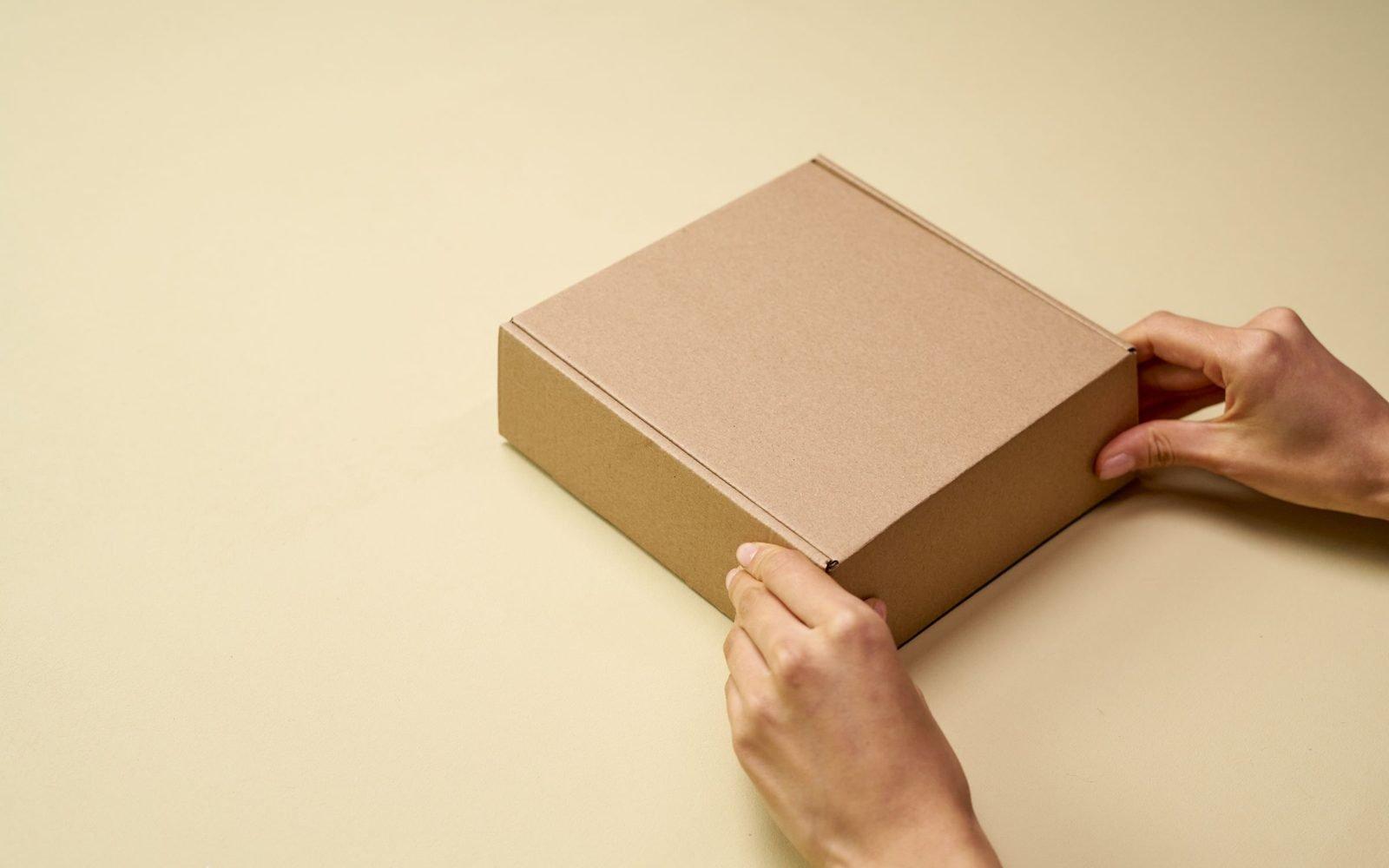
Creative unboxing in an influencer campaign should start with a question: what will viewers understand about the product once the creator puts the box aside? Revealing the contents starts a story, but does not necessarily explain why someone would buy the product. Suggest an action that demonstrates its use: arranging a set on a desk, packing accessories or preparing the product for everyday use. The packaging should lead into that scene, not replace it.
To make an unboxing clear, check that the visuals, spoken words and captions convey the same information. Automatic captions need checking. The brand should review the finished content with its collaboration disclosure, not just an impressive box-opening moment.
Once you have a proposal, create a brand account on Blogger Bank and describe your unboxing assignment. Instead of sending a ready-made script to people at random, present the task to creators who apply themselves. Ask for their demonstration ideas. You will be choosing not just a profile, but also a way to show the product.
What should viewers understand about the product after unboxing?
Choose one feature that can be seen in action. “A practical set” is a judgement. “The dividers can be moved to fit your own supplies” suggests a specific scene. Write a sentence viewers should be able to finish: this product will be useful when I… If the answer requires a lengthy explanation off camera, narrow the focus of the video.
Separate the feature from the brand's claims. Visibly moving an insert between compartments shows how the organisation works. It does not yet prove that the product speeds up work, helps everyone stay tidy or lasts longer than alternatives. Creators can show their own way of using it and describe their impressions, but should not be given promises to repeat that they have not verified.
Also establish exactly what the customer will receive. If you are preparing a special presentation for the campaign, distinguish it in the video from the set available in the shop. A prop used in the scene should not look like part of the order if it is not included. A creative idea loses its purpose when viewers remember an extra that they then look for on the product page.
You will find a description of the format itself in the unboxing glossary entry. Here, the task is to design the transition from opening a parcel to understanding how the product is used. Dispatch arrangements and delivery checks are covered separately in the product shipping process for creators; an elaborate video script is no substitute for that process.
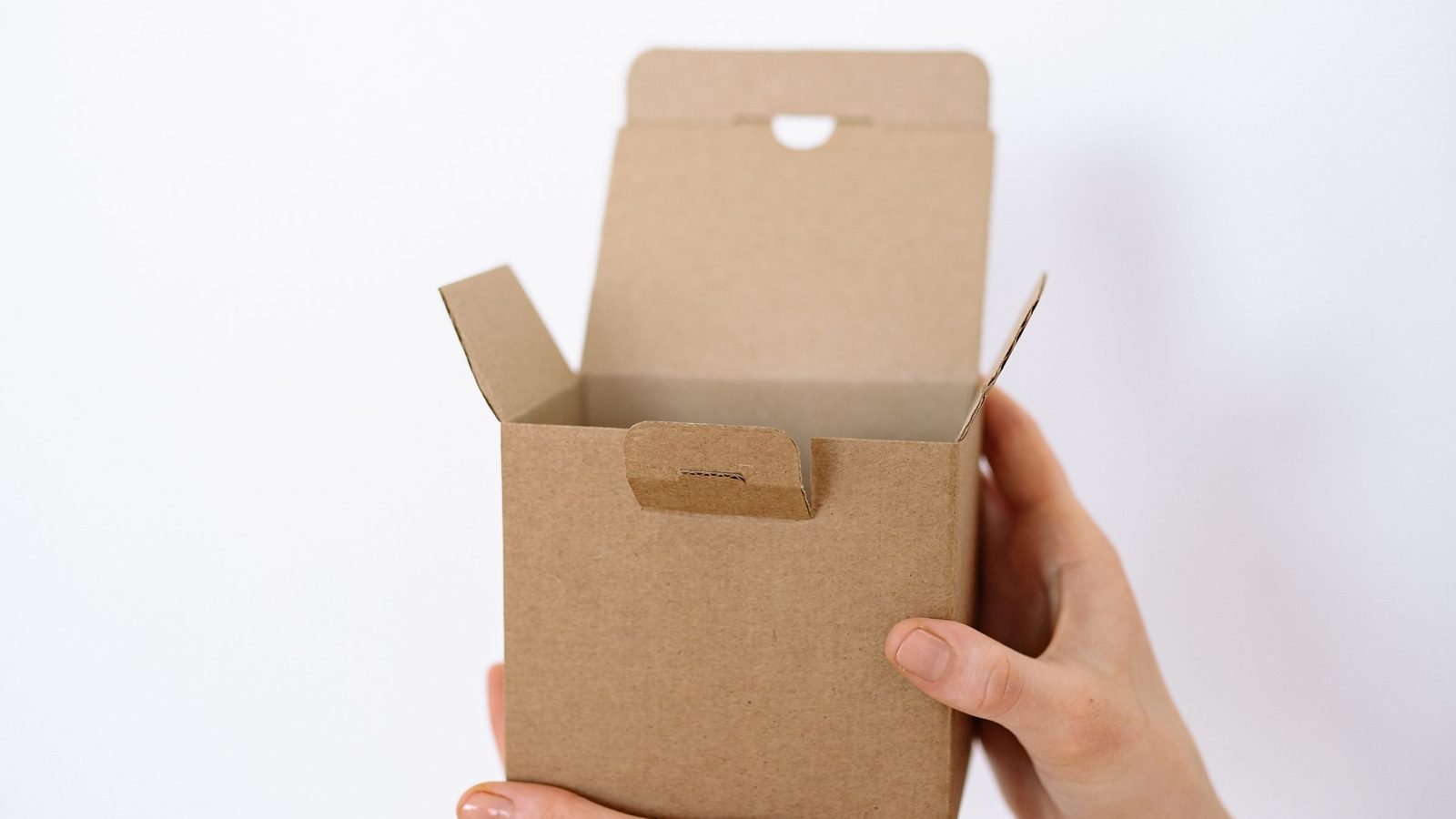
How do you devise an action that demonstrates the product's use?
Start with the final shot and work backwards to the contents of the parcel. What should the creator hold, arrange or prepare to make the use clear? Then check whether reaching that result actually requires your product. If you could just as easily remove it from the scene and the video would still tell the same story, the idea is more about playing with packaging than demonstrating the product.
Educational example, not an actual campaign: a Polish stationery brand suggests that a creator arrange a work set on their own desk. The creator takes the items out of the parcel, chooses the supplies they actually use and adjusts the dividers to fit. In the final shot, they reach for the item they need. The idea centres on the adjustable layout, not on feigned surprise at each extra.
This idea lets the creator choose the context. Someone who takes notes might show page markers and pens, while an illustrator might use sketching tools. The brand checks beforehand that the chosen items really fit the set. It does not insist on staged clutter or a statement such as “from today, I work twice as fast”. The shared element is the demonstration of use, not a memorised script.
A second educational example: an accessories brand suggests packing a travel organiser before heading out. The creator takes out the organiser, lays their own small belongings beside it, distributes them among the pockets and shows how they retrieve a chosen item. The final shot shows the closed product and where it sits in the bag. The scene answers a question about access and compartment layout, not an abstract claim about “travel comfort”.
If the accessories do not fit inside or the zip is difficult to close, that is a reason to change the concept, not hide the problem through editing. Choose a different use case or product variant. Before shipping, ask the creator for a brief answer: what will they demonstrate with their own hands, where will they film, and what should viewers notice without a voice-over?
What does the brand specify in the brief, and what is left to the creator?
A creative unboxing brief should distinguish requirements from suggestions. Requirements include the correct model, use in accordance with the instructions, a clearly visible name and the agreed scope of the content. The order in which items are taken out or an idea for the final shot can serve as inspiration. Creators need to know which decisions they can change without asking and which affect the purpose of the assignment.
- Goal: describe what viewers should learn about the product, not just the emotions they should feel.
- On-camera evidence: specify the action that reveals the chosen feature and the moment when the product should be recognisable.
- Boundaries: provide instructions, limitations on use and information that must not be presented as verified results.
- Creative freedom: leave room for the creator's own words, setting and transition into the demonstration, provided these do not change the facts about the product.
- Acceptance: record what content you are commissioning, where it will appear and exactly which elements you will check.
Working with influencers does not require directing their reactions. Do not make delight, a surprised expression or a positive opinion on first touching the product mandatory in the brief. You can agree to show the contents and functions; there is no value in pretending that a prepared scene is a spontaneous discovery. An honest comment from the creator may include a question or reservation.
Also agree on how to disclose the commercial nature of the post. For the Polish market, refer to the UOKiK recommendations on influencer marketing. Do not treat impressive packaging as a reason to hide the collaboration. A gift with no obligations is not a substitute for commissioning a video: if you need a specific post, discuss its terms before dispatch.
Separate publication on the creator's profile from the brand's subsequent use of the video. Channels, duration, permission to make changes and use in advertising require a separate agreement; do not assume that receiving a file gives you unrestricted usage rights. The legal basis concerning the scope of agreements is the Polish Act on Copyright and Related Rights, particularly Article 41. We cover the commissioning specification in more detail in our guide to ordering a product video from creators.
A trial before shipping: can the idea be filmed comfortably?
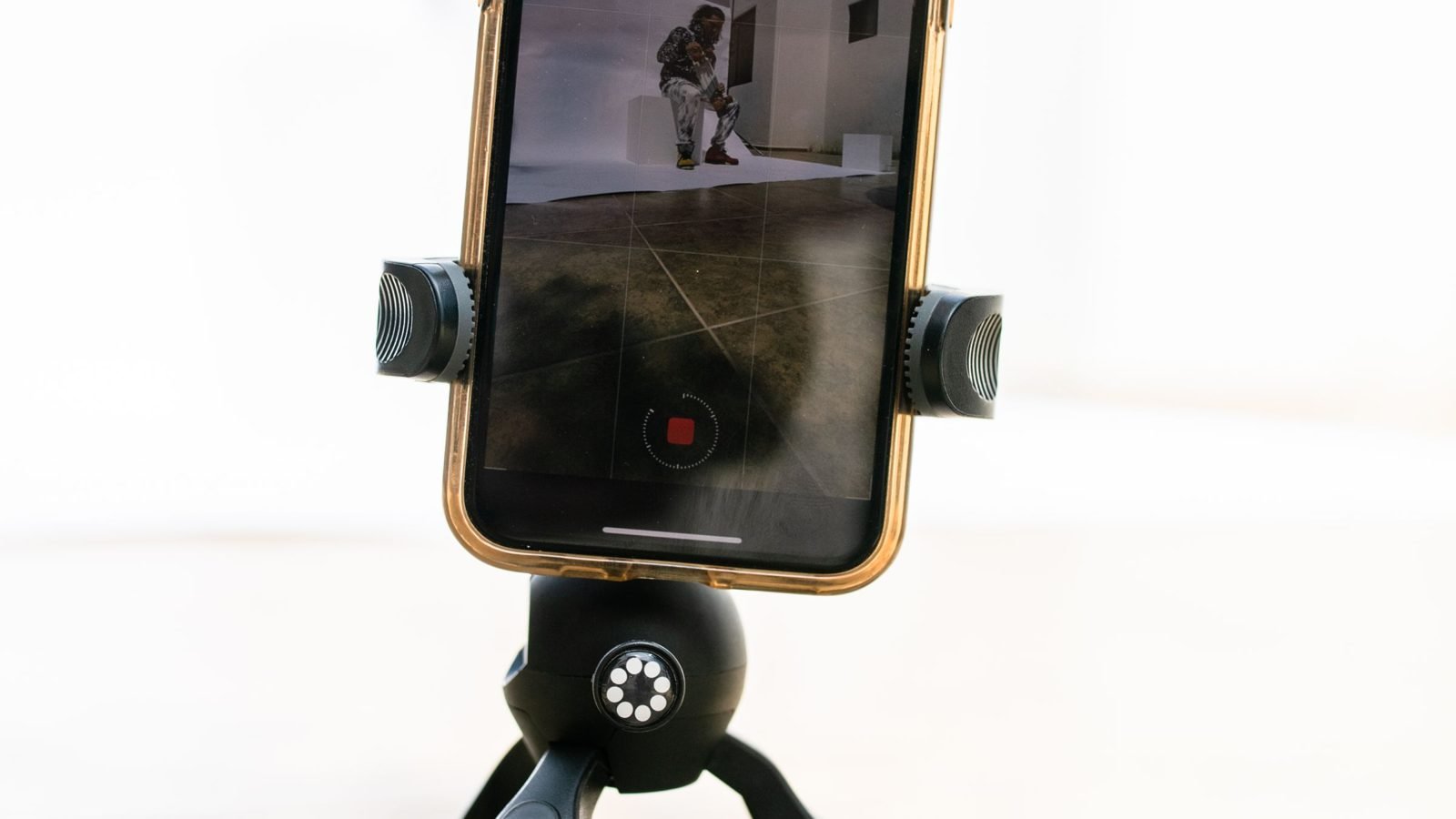
Test the scene using a parcel prepared exactly as it would be for the creator. Put a phone in the intended position and perform every action without someone holding the product out of shot to help. The trial should reveal obstacles: a hand hiding a detail, an item placed out of reach or a step that cannot be performed while keeping the phone in a stable position.
Check visuals, voice and captions in the test recording
Record the words spoken while the product is being taken out, too. Rustling paper or the sound of opening can set the scene, but does not replace a spoken instruction. When the creator says “do not get this part wet”, it should be clear which part they are holding. Compare the test captions with the voice and product instructions; check names, negatives and when the text appears. If packaging noise drowns out an important word, fix the recording rather than guessing what was said.
W3C WAI explains that captions convey speech and sounds needed to understand the content and are synchronised with the recording. Automatic captions need checking and editing. Do not mechanically describe every rustle: distinguish decorative sound from information without which viewers cannot understand the action. Our guide to UGC video accessibility at brand acceptance covers the broader review.
Do not judge only how the packaging looks in a photograph. Start recording and check when the product appears, how many actions precede its use and whether the key moment is visible. If the demonstration needs explaining after someone watches the video, change the movement or camera position. Only then add decorations; otherwise, you will improve the set while leaving the same clarity problem unresolved.
Show the test footage to someone who has not seen the brief. Ask what the product was, which brand it belonged to, what it was for and which items were included in the set being sold. This is an editorial check for clarity, not a study of campaign effectiveness. An answer of “a nice box”, with no answer about use, indicates which part of the video needs redesigning.
Allow for retakes. If the entire idea depends on destroying a decoration in a one-off action, the creator cannot recreate it after a focus or sound problem. Suggest a version in which the important action can safely be filmed again. Do not require risky use of tools or actions contrary to the instructions for the sake of surprise.
How do you evaluate the content beyond view counts?
First assess whether the task was completed, then the audience's response. When reviewing the video, check that the agreed action is visible, the product is recognisable and props have not been confused with the set's contents. Attach feedback to specific scenes. “You cannot see the divider being moved” provides grounds for a revision; “it lacks the wow factor” does not tell the creator what to change.
Check the meaning before acceptance
Add a compact acceptance record to feedback on the specific file: product part indicated / word in the recording / caption text / correction. Fill it in for the scene where the visuals, voice and text diverge. The creator can then tell whether to fix the transcript, the spoken line or the shot itself.
Educational example, not a Blogger Bank campaign: a creator takes a container lid out of the box and says “do not put it in the dishwasher”. The automatic captions omit “not”. In this example, the product instructions confirm that the lid must not go in the dishwasher.
- Product part indicated: the lid held in the creator's hand, not the whole container.
- Word in the recording: “not” in “do not put it in the dishwasher”.
- Caption text: “do put it in the dishwasher” — the instruction's meaning is reversed.
- Correction: restore the negative, synchronise the complete sentence with the lid demonstration and check the revised export with and without sound.
Do not accept this version just because the box opening looks impressive. Check the correction first and make sure the text still refers to the right part. This review prevents a change in meaning; it does not guarantee conversions. In a Blogger Bank assignment, you can record requirements and refer feedback to a scene and word during acceptance. The brand compares the visuals, voice and captions — the platform does not do this automatically.
After publication, consider the available viewing statistics alongside audience questions and visits to the specified page. If the creator can share audience retention data, check whether viewers reach the demonstration. Record missing data as missing data, not as a poor result. Questions about the model or its use offer a different kind of information from comments solely about the box.
Do not infer sales from views alone. Comparing videos by different creators does not isolate the effect of the parcel either: audiences, storytelling and publication times all vary. Treat such a comparison as guidance for the next trial. In your post-campaign notes, record what was clear, what needed explaining and which element of the script is worth testing again.
How do you organise the collaboration through Blogger Bank?
On Blogger Bank for brands, you can describe an assignment that interested creators apply for themselves. In the task description, specify the product, audience and demonstration you want to develop together. In the questionnaire, ask for a scene proposal and an example of a previous video showing an item in use. This is a concrete way to find an influencer for the task rather than choosing solely by profile size.
Create a brand account and prepare an assignment asking for an unboxing idea. When comparing applications, assess audience fit, the clarity of previous demonstrations and filming conditions. Confirm the scene, publication scope and acceptance process with your chosen creator. Blogger Bank brings collaboration, contracts and secure payment together in one place; you arrange the concept, parcel preparation and delivery with the creator, not with an automated unboxing generator.
Start by writing one sentence about how the product is used and asking the creator for an action that demonstrates it. Prepare the final version of the parcel only after a successful trial.
Frequently asked questions
How do you plan creative unboxing in an influencer campaign?
Start with one product feature viewers should see. Suggest a simple action demonstrating that feature, then agree on the recording sequence with the creator. Test the idea with a sample package before preparing the full shipment.
What should a PR package include to make filming easier for the creator?
Include the product, brief instructions for safe use and an item needed to demonstrate it. Every extra should support the demonstration, not obscure the product. Make the package easy to open and include clear information about the agreed collaboration.
Does a creative package guarantee that an influencer will post?
No. An attractive package can inspire content, but it does not replace a publication agreement. If a brand needs a specific video, it agrees on the collaboration scope before shipping. An unconditional gift leaves the creator free to decide whether to show anything.
How do you find an influencer for a product unboxing?
Check whether the creator can demonstrate product use and speaks to the right audience. Watch their previous demonstrations, storytelling and recording quality. Ask for their own idea rather than choosing solely by follower count.
Are automatic captions enough?
Not without checking. Compare them with the recording, product names and instructions. A missing negative can reverse the meaning. Include important sounds and make sure the text is synchronised with the action being shown.
How do you measure the results of a creative unboxing campaign?
Match evaluation to the goal: assess attention through views and audience retention, and interest through questions and website visits. Also analyse demonstration accuracy. Views alone do not prove sales or show that a creative package outperforms an ordinary one.
Can a brand use an unboxing video in its own advertising?
Do not assume receiving a video grants unrestricted usage rights. Agree with the creator on channels, duration, permitted edits and advertising use. Treat publication on the creator's profile separately from handing over content for the brand's activities.
How does Blogger Bank help organise an influencer campaign?
On Blogger Bank, a brand describes the collaboration, and interested creators apply themselves and complete questionnaires. The platform brings together collaboration, contracts and secure payment. The unboxing concept, content and publication terms must be agreed with the selected creators.