Influencer marketing and customer retention: how can you encourage repeat purchases?
Short answer
Choose a group of first-time buyers and a need that arises as they use the product. Commission a creator series with inspiration and demonstrations of compatible additions, agreeing on channels and rights. Assess subsequent orders across groups with equal observation periods. Blogger Bank helps organise collaboration and payment, while the store handles retention analysis.
Influencer marketing for customer retention is a different task from reaching new audiences. Someone who has bought a kit does not need to watch another unboxing. They need a reason to use it, an idea for their next project and help choosing a compatible accessory. Commissioning a creator to make a series of these materials gives customers a useful reason to return. A video cannot, however, replace a good product or reliable customer service.
Start with a specific group of buyers and a need that arises after their first order. Use that description to create a brand account on Blogger Bank and post a brief for a content series. Creators will apply, and you can compare their questionnaire responses and proposals. The platform brings collaboration, contracts and secure payment together. The store handles audience selection, distribution and repeat purchase analysis.
Separate existing customers from new audiences
For this campaign, select customers with a confirmed first purchase. People watching a reel, visiting the store or abandoning a basket are different groups. They may return to the website without becoming repeat buyers. Mixing them in one report makes it easy to mistake traffic growth for customer retention. Before starting, define which orders count as purchases and how you will handle cancellations and returns.
The marketing funnel with creators covers the broader customer journey. Here, we start only after the transaction. The aim is not to reach everyone who has seen an ad again, but to help people who already own a particular product. The content should suit their situation, and the result should concern their next order, not simply another interaction with the brand.
Define the group by their first product and purchase period, rather than dividing people solely by whose creator code they used. Someone who bought a starter kit may need inspiration, while an experienced buyer purchasing supplies for their own project may need information about compatible additions. The creator does not need a customer list. A description of customers' needs and anonymised support questions is enough to work with.
Choose a need between the first and second purchase
Check what might stop a customer from using the product again. Having no ideas is a different problem from unclear instructions or a faulty component. Commission inspiration for customers who lack ideas. When someone cannot perform a basic task, a post-purchase instructional video can help. A product complaint needs customer service, not another shopping recommendation.
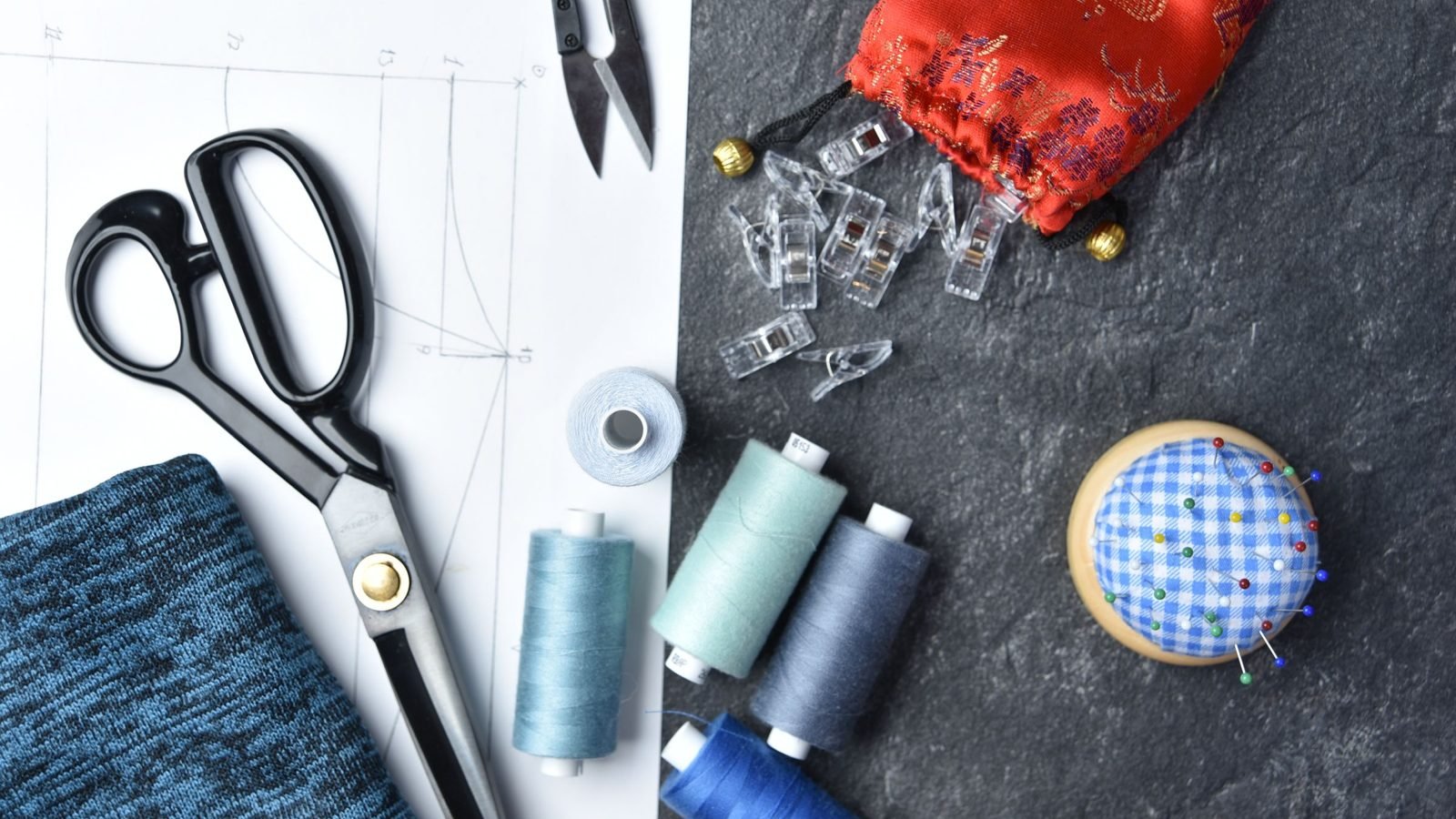
Illustrative example, not a Blogger Bank project: a Polish sewing supplies store wants a series for people who bought a starter kit. Customers already know how to use it but do not know what to sew next. The creator demonstrates an idea for a practical drawstring bag, then a version with a different finish, explaining how to choose accessories compatible with the kit. They do not promise results that require no practice.
In this example, the reason for a second purchase is not simply a reminder of the store's name. It is a new project for which the customer wants fabric or an accessory. First show what they can make with the equipment they already own. Only then explain what they actually need to add. If every episode requires an entirely new kit, the series no longer helps customers get more from their first purchase.
Before writing the brief, put the goal in one sentence: “After watching, the customer will be able to choose their next project and check whether they have the necessary items.” You can assess that outcome in the finished video. “The customer will like the brand more” does not tell the creator what to show. Treat buyers' questions as input for choosing a topic, not as proof that the proposed series will increase sales.
Commission a series that fits the stage of product use
The series should share a starting point, but each episode must offer a benefit of its own. Do not assume customers will watch everything in sequence. At the beginning, identify the product or kit, the required skill level and the topic. End with a specific step: choosing a project, checking compatibility or visiting the relevant accessory page. A generic “browse our range” does not explain why someone should return.
- Inspiration: the creator shows a finished project and identifies which parts of the purchased kit can be used to make it. The store checks whether the idea matches the group's skills.
- Development: the next piece shows a different finish or use. It explains what can still be used from the first kit and what is needed for the new version.
- Choosing an addition: the creator demonstrates the feature that determines whether an accessory is compatible. The store approves the product recommendation and the page the content links to.
Choose a creator for their ability to develop a topic, not just for one successful reel. Ask for an example in which they explain the difference between variants and show a product in use. If you are commissioning UGC video for the store's channels, follower count cannot replace a clear demonstration. If the creator will also publish on their own channels, agree on that as a separate part of the collaboration; their audience is not automatically your customer base.
Post a brief on Blogger Bank, describing the purchased kit, the next customer need and the intended sequence of content. In the questionnaire, ask about category experience, an example of similar work and a proposal for developing the first topic. Choose the creator based on their responses and portfolio, then agree on scripts, file versions, revisions and acceptance. The deliverable is an approved series, not a guaranteed number of orders.
Use a short acceptance checklist: the correct kit, genuinely compatible accessories, clear speech, legible captions and a working route to the product. Approve specific file versions. If the range changes and the creator now shows a different variant from the one available, do not simply replace the link beneath the old video. A contract and secure payment help manage the commercial side of the collaboration; the brand retains responsibility for checking the content's accuracy.
Agree on channels, rights and timing
Before filming, decide where customers will see the content. A video on an ideas page, an excerpt in a message and a paid ad may require different versions and agreements with the creator. Specify channels, usage duration, cut-downs, captions and translations. Do not treat permission to publish on the creator's profile as automatic permission for every later use. The collaboration disclosure must remain clear in promotional content.
Base the timing on the need, rather than a fixed sequence of messages for everyone. Inspiration for a new project makes sense once customers have had time to get to know the kit. A reminder about an additional item should account for purchase history so it does not recommend a product just ordered. If the store has no reliable information about the stage of use, do not pretend to know what the customer is doing. Offer a choice of projects instead of saying “you definitely need this by now”.
Check the rules for contacting customers through the chosen channel separately. A purchase alone does not determine whether you may send another marketing message. The person responsible for communications should assess permissions, recipients' preferences and the opt-out process. This guide does not replace that assessment. Blogger Bank helps you commission content, but it does not establish the basis for sending messages or manage the store's CRM.
Influencer marketing and post-purchase automation
Illustrative example, not a Blogger Bank project: a Polish shoe care store commissions a creator to demonstrate how to use a purchased care product and choose a suitable brush. The content aims to help customers care for their shoes, not sell them the same kit again. The store wants to use the demonstration in an automated post-purchase message. Before launching it, the store works through this checklist:
- Content purpose: check that the demonstration matches the product ordered and explains a specific task. Separate instructions for using a product the customer already owns from suggestions for an additional item.
- Send trigger and exclusions: check the event that triggers the message and the audience segment in the store's tool. Test both a customer who meets the condition and someone who should not receive the offer. Exclude customers who have already bought the brush from the brush offer, including those who buy it after entering the sequence. Confirm that the system checks the latest purchase history before sending; do not assume this from the automation's name alone. Account for contact permissions and opt-outs.
- Rights and versions: confirm the agreed use in messages and the correct file, cut-down and captions. Record which version was approved so an earlier edit does not end up in the template.
- Test send: receive the message in a test inbox rather than relying solely on the editor preview. Check its appearance on a phone and computer, readability without images and the link to the correct variant. Open the product page and confirm availability and consistency with the demonstration. Testing the message's appearance does not replace a separate check of the send trigger and exclusions.
- Checks after launch: assign someone at the store to check sends, exclusions and whether the product information remains current. Decide who will stop the message if the accessory is withdrawn or an error is found. Set a date for the next check.
On Blogger Bank, you organise creator applications, questionnaires, contracts and secure payment for the content. Automation, CRM, send testing and order analysis remain the responsibility of the store and its tools. When accepting the creator's work, you check the finished demonstration; before launching communications, you separately check the entire sending workflow.

Compare groups over equal observation periods
Before the campaign, decide how you will identify a customer and their next order. Start with the store's purchase history, not the list of video plays. Put customer identification in order within your own system, without passing buyers' data to the creator. Record the first purchase date, product type, membership of the group receiving the series and the date of the next qualifying order.
Compare groups acquired in a similar period, giving them the same amount of time to make another purchase. A customer acquired at the end of a reporting period has not had the same opportunity to return as one acquired at the beginning. Flag incomplete observation windows and wait before assessing them, rather than declaring that a new group does not return. Set the window length according to your category's buying cycle, not an arbitrary campaign reporting deadline.
Also check the definition used by your report. Shopify's customer reports documentation, checked on 15 November 2026, explains that new-customer data in these reports can include their entire order history, not just transactions within the selected period. A later purchase can therefore change the picture of an earlier group. Selecting a month on screen does not, by itself, ensure equal observation periods.
Separate supporting signals from commercial results. Plays show exposure to the content, clicks show a next step, and a second purchase shows a buyer returning. A creator code or tagged link helps attribute a transaction to an interaction. Neither proves that the customer would not have bought again without the video. A high ROAS does not answer the retention question either: it concerns attributed revenue relative to advertising spend, not customers' subsequent behaviour.
If you want to assess the series' impact, plan a comparison group with an analyst. It should be as similar as possible in terms of first product, purchase period and contact conditions. Where feasible, random assignment to variants reduces differences caused by audience selection itself. Record concurrent promotions, stock shortages and changes in customer service. Without that comparison, describe observed repeat purchases, not sales growth “caused by the creator”.
Testing the content and testing the send itself answer different questions. To compare creator content with other material, keep the offer and timing the same. Comparing a message with no message, on the other hand, tests the send as a whole, not just the creator's contribution. In either case, attributed revenue is not automatically additional sales or profit. Account for margin, returns, content production, tools and customer service in your assessment.
Develop the series using customer questions and repeat purchases
After the first cycle, compare customer questions with video topics and orders within complete observation windows. If people ask whether an accessory is compatible, improve that part of the demonstration. If they click through to a product but find an unavailable variant, fix the store journey. If they watch the ideas without buying again, check whether the project actually needs any additional supplies. Useful content does not always lead to an immediate transaction.
Do not add a points programme simply because the series did not deliver the expected result. First check the product, customer service, topic relevance and accessory availability. When assessing profitability, include content production, distribution, customer service and returns. Start with one need among existing customers: commission a series, assign someone to keep it up to date and assess subsequent orders only after the agreed observation period.
Frequently asked questions
Can influencer marketing support customer retention?
Yes, if creator content helps customers use their purchased product and choose necessary additions. Exposure to content alone does not mean a customer has returned. Assess results through subsequent purchases, accounting for the category's natural buying cycle.
How can you use creator content in post-purchase marketing automation?
Match content to the purchased product and a specific customer need. Agree on usage rights for messages. Configure send conditions and exclusions in the store's system. Blogger Bank helps organise creator collaboration; it does not replace an email tool.
How does customer retention differ from remarketing?
Retention concerns keeping customers and their subsequent purchases. Remarketing means reaching people familiar with the brand again, including those who have never ordered. Recovering someone's first abandoned basket is therefore not yet evidence of improved customer retention.
How can you check whether creator content increases repeat purchases?
Compare similar customer groups with equal time to purchase again. Where conditions allow, randomly assign customers to variants. Separate the content's effect from discounts, contact frequency and changes to the offer. A creator code alone does not prove additional sales.
Does revenue attributed to automation mean profit?
No. Reports attribute sales using defined rules, but do not automatically show profit or additional orders. When assessing performance, account for margin, returns, content production, tools and customer service. Do not credit creator content with all attributed sales.
When should you send customers the next piece of creator content?
Base sends on post-purchase needs and order history rather than one schedule for everyone. Do not recommend an accessory the customer has just bought. Check contact permissions, recipient preferences and whether the product shown in the content is still current.
What should you check before launching an automated message with UGC?
Check content rights, audience selection, the send trigger and exclusions for customers who already bought the accessory. Verify the link, product availability and message appearance. Assign someone to monitor sends and keep content up to date after launch.
How do you organise influencer collaboration on post-purchase content?
Describe the purchased product, recipient's need, format and intended channels. On Blogger Bank, creators apply themselves and complete questionnaires. The platform brings collaboration, contracts and secure payment together. The store manages sending messages and analysing purchases.