How can you attract private-event customers to your restaurant?
Short answer
To attract private-event customers to your restaurant, use a local creator to show one concrete event option: the room layout, package inclusions and conditions. Direct the video to a date enquiry or venue viewing rather than ordinary table booking. Blogger Bank helps you commission the material and choose a creator; the restaurant handles enquiries and reservations.
How can you attract customers for private events at your restaurant when food photos get likes but nobody asks about a celebration? The organiser is not just choosing a meal. They need to know where the family will sit, whether the room is private and what the offer includes. A local creator can guide them through those questions on video: show the space, discuss an event option with the host and direct viewers to an enquiry about a date.
Do not commission another general menu review. Create a brand account on Blogger Bank and post a task showcasing your private-event offer. The creator should help a prospective organiser imagine their own occasion, not promise a fully booked calendar. The restaurant still handles enquiries, venue viewings and bookings.
Why a beautiful room photo is not enough
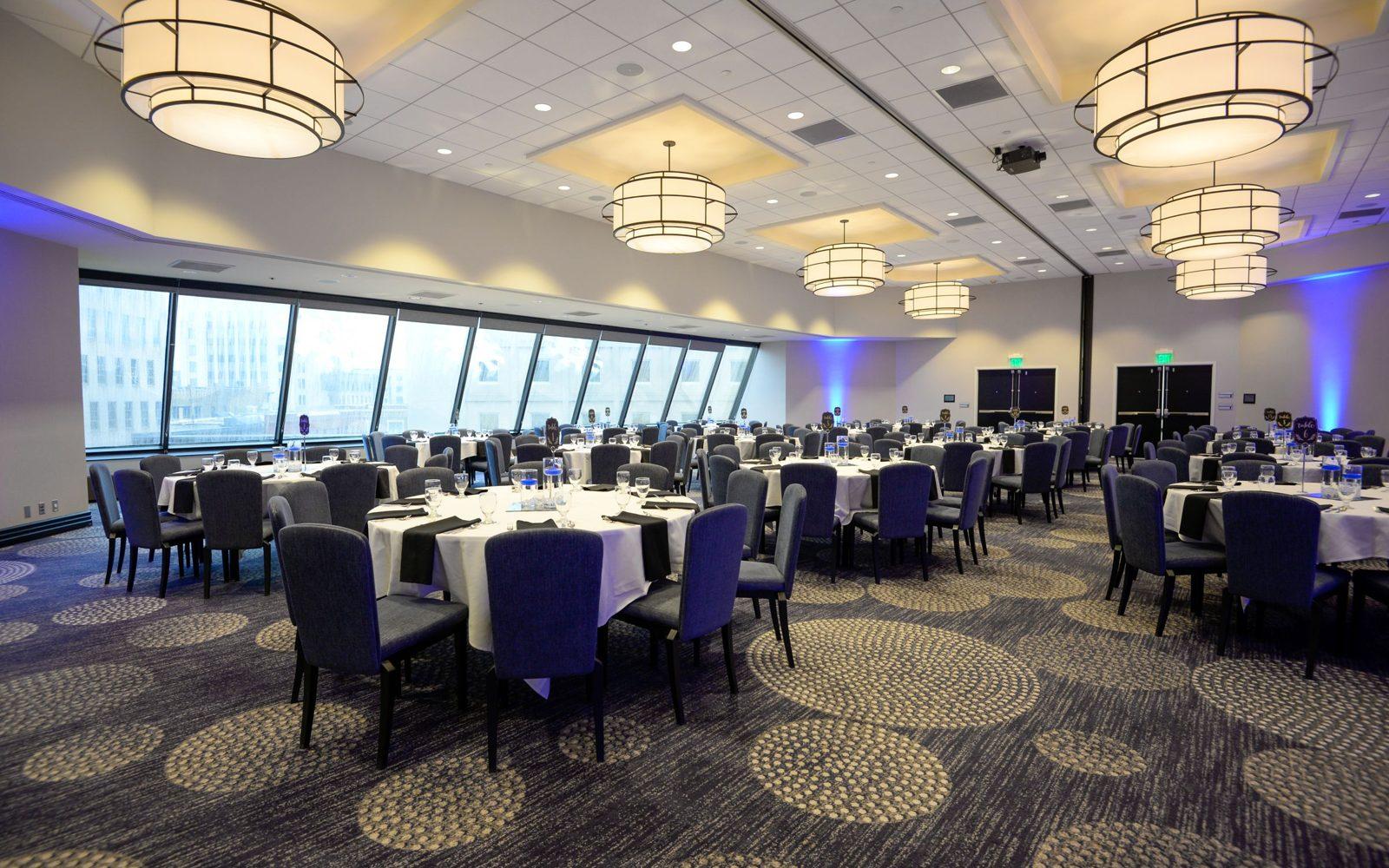
“We host private events” leaves most of the work to the customer. Is that a family lunch, a party with dancing or a company gathering? A photo of an empty room does not show the space between chairs, the route to the toilets or whether regular service will continue next door. A viewer may put down their phone before asking a first question.
A package discount will not explain those conditions, but it will reduce revenue from the event. A leaflet provides an address without taking anyone around the venue. Paid advertising can reach the neighbourhood, but it needs material that addresses an organiser's concerns. This is where a creator helps: instead of reading a brochure, they walk the guest's route and ask the host about practical arrangements. They cannot fix a cramped room or an offer the kitchen cannot deliver.
Start with one type of event. Someone planning a quiet anniversary lunch needs different information from a person arranging a team dinner. Everyday visits are covered separately in our guide to restaurant marketing with creators. Here the aim is not a table booking for tonight, but contact from someone considering an event for a group.
Prepare an offer you can actually demonstrate
Before filming, write down what the restaurant genuinely provides in the promoted option. For each layout, confirm the seating capacity, menu, room-use period, service and extras charged separately. Distinguish exclusive hire from a section of the restaurant. Do not use maximum capacity as a promise of comfortable seating in every arrangement.
You also need a short list of limitations: entrance steps, no separate room, finishing time, parking availability, menu changes or bringing a cake. Do not make the creator guess. If a condition depends on the date or guest count, describe it that way. The person responsible for events confirms current pricing and availability.
A room walkthrough rather than a montage of decorations
The first scenario is a guided video tour. The creator starts at the entrance and shows the route to the room, set tables and walkways. The host explains which area is reserved for the group and where staff can move. The camera should show the full layout, not just an impressive table detail. This lets viewers decide whether to arrange a viewing.
Prepare a real layout for the type of occasion being promoted. If you show an alternative arrangement, label it and confirm its seating capacity separately. Do not edit different rooms to look like one space. Arrange filming without incidental guests; a prepared interior and people who knowingly agree to appear are enough for the demonstration. You do not need footage of a private celebration.
Show one package from the place setting to dessert
The second scenario answers “what does this offer include?”. The creator shows a place setting, sample dishes from the selected menu and how they are served. Alongside the host, they explain what the package covers and what must be ordered separately. Hired decorations must not look like a standard inclusion if the restaurant does not provide them.
This is an offer demonstration, not a pretend review of a banquet that has taken place. Label a staged demonstration as an example setup. Leave alcohol promotion out of this material; focus on space, food, non-alcoholic drinks and service. When the package changes, update the offer page and video description rather than leaving an old promise beside a new price list.
A conversation that leads to a viewing
The third scenario is a short conversation between the creator and the event coordinator. Instead of a general welcome, it answers how to share an approximate guest count, what to prepare before a meeting and how to arrange a room viewing. At the end, give the viewer one action: enquire about a date or book a visit. Do not send them to a regular table-booking form if it cannot handle events.
Choose a creator whose audience could organise an event in your area. Check audience city data and previous material about family gatherings, local venues or company events. If you only need files for the restaurant, a portfolio of interiors and clear storytelling matter more than follower numbers. Categories, task examples and rates are available on the page for restaurant creators; they are not a ready-made quote for a video about your room.
Commission a specific showcase through Blogger Bank
On Blogger Bank, you post a task with the location and required material, and interested creators apply. You do not have to explain the room separately to every person. Compare proposed shots, previous work and availability to visit when the interior can be prepared without disrupting service. Distinguish a post on the creator's account from files commissioned for your own channels.
Example brief, not a customer campaign: “Show the room for a family anniversary: entrance, table layout, walkways and a place setting from the current package. Record a conversation with the event coordinator about what the offer includes and how to arrange a viewing. We need a vertical video with captions and photos of the whole arrangement. Do not film guests or promote alcohol. The post must lead to the restaurant's enquiry form.”
Add the address, filming date, file list, publishing destination, payment, usage rights and revision arrangements. The restaurant supplies an approved package description and a contact person. Post a task for a room video and collect creators' proposals. Keep messages, files and agreements with the task; banquet customers are not managed there.
For paid collaboration, you reserve the budget before production and the creator receives payment after you accept the result. This controls acceptance of the material, not bookings. You can agree on barter, but refreshments do not automatically buy an unlimited number of videos. Posting a task does not require a subscription; access to all applications, chat and hiring requires one under the platform's current terms.

Review the video as information for an organiser
Before accepting the video, watch it without sound and check the captions on a phone. Can viewers identify the correct room, seating layout and package inclusions? Will they understand that the decorations are an optional extra if that is the agreement? Verify the address, conditions, advertising disclosure and link. Consolidate the host's and kitchen's feedback in one message instead of sending contradictory revisions.
Also test the path after clicking: video, event offer, form or phone call, restaurant response. The form should let someone provide the occasion, preferred date, approximate guest count and contact details. Do not ask for a guest list immediately. Clearly distinguish an enquiry from a confirmed booking; the creator does not confirm availability in comments on the restaurant's behalf.
Measure event conversations, not just likes
Assign someone at the restaurant to record each enquiry's source and progress: a suitable event, a scheduled viewing, a sent proposal, a confirmed booking or the reason for declining. A link assigned to the post and the question “how did you hear about our room?” help, but do not establish the creator's entire impact on their own. These are restaurant records, not an automatic Blogger Bank report.
Compare similar periods and event types. Do not attribute every new enquiry to the video if you also launched advertising or a seasonal offer. Interest without bookings may reflect unsuitable dates, a mismatched package or slow replies. If you need everyday diners rather than group events, the appropriate starting point is our guide to attracting restaurant customers on weekdays.
Where to start
- Post a Blogger Bank task showcasing one type of event, with a description of the room and a confirmed package.
- Choose a creator, prepare the layout and review the video against the information an organiser needs.
- Direct the post to a working restaurant contact route; assess enquiries, viewings and bookings separately.
Start with one room and one event option you can genuinely deliver. A useful showcase gives the customer a reason for a specific conversation, not just another photo to like.
Frequently asked questions
What should a video about an event room show?
An event-room video should show the entrance, actual table layout, walkways and a sample place setting. Add confirmed package conditions and an enquiry route. Decorations alone do not help viewers assess whether the space suits their occasion.
Do we need to film an actual banquet?
You do not need to film an actual banquet to present a restaurant offer. Prepare a sample arrangement without guests and label it a demonstration. Anyone appearing should knowingly agree to participate; do not use incidental celebration attendees.
Which creator suits family-event promotion?
For family-event promotion, look for a creator with an audience in your area and experience showing venues or family gatherings. Check audience city statistics and previous work. For files alone, presentation quality matters more than follower numbers.
Can a small restaurant promote private events?
A small restaurant can promote events that match its real capabilities. Show an intimate option rather than pretending to be a large banquet hall. Confirm seating, availability and service, and explain whether the group has a separate room.
Are refreshments enough to pay the creator?
Refreshments can be part of agreed barter if the creator accepts the terms. They do not automatically secure a video, photos and a post. Before the visit, record deliverables, timing, usage rights and both parties’ contributions.
Where should viewers go after watching the video?
Direct event-video viewers to the current offer and an enquiry form or the person handling events. Ask for the occasion, date and approximate guest count. Submitting a form should not appear to confirm a room reservation.
Does Blogger Bank handle banquet bookings?
Blogger Bank supports commissioning material and working with a creator: applications, agreements, files and acceptance. The restaurant handles room availability, customer enquiries, viewings and bookings through its own channels. These are not automatic outcomes of a post.
How can we assess whether collaboration generated enquiries?
Record each enquiry’s source, suitability and next stage at the restaurant. Separate viewings, sent proposals and confirmed reservations. Compare similar periods and account for other advertising; video likes do not establish that private events were sold.