PR Package, Barter, Gift or Advertising? 7 Situations Where Influencers Most Often Get It Wrong
Short answer
A first low-value PR package with no expectations from the brand is a gift: if you show it, say you received the product from the brand. Repeated packages from the same brand, barter, free services for a post and affiliate links are, according to UOKiK, marked as advertising. What decides is the mechanism of the collaboration, not the name the brand uses.
Legal status as of 15 September 2026. Translated by the Blogger Bank editorial team from the Polish original.
1. The first PR package from a brand, with no conditions
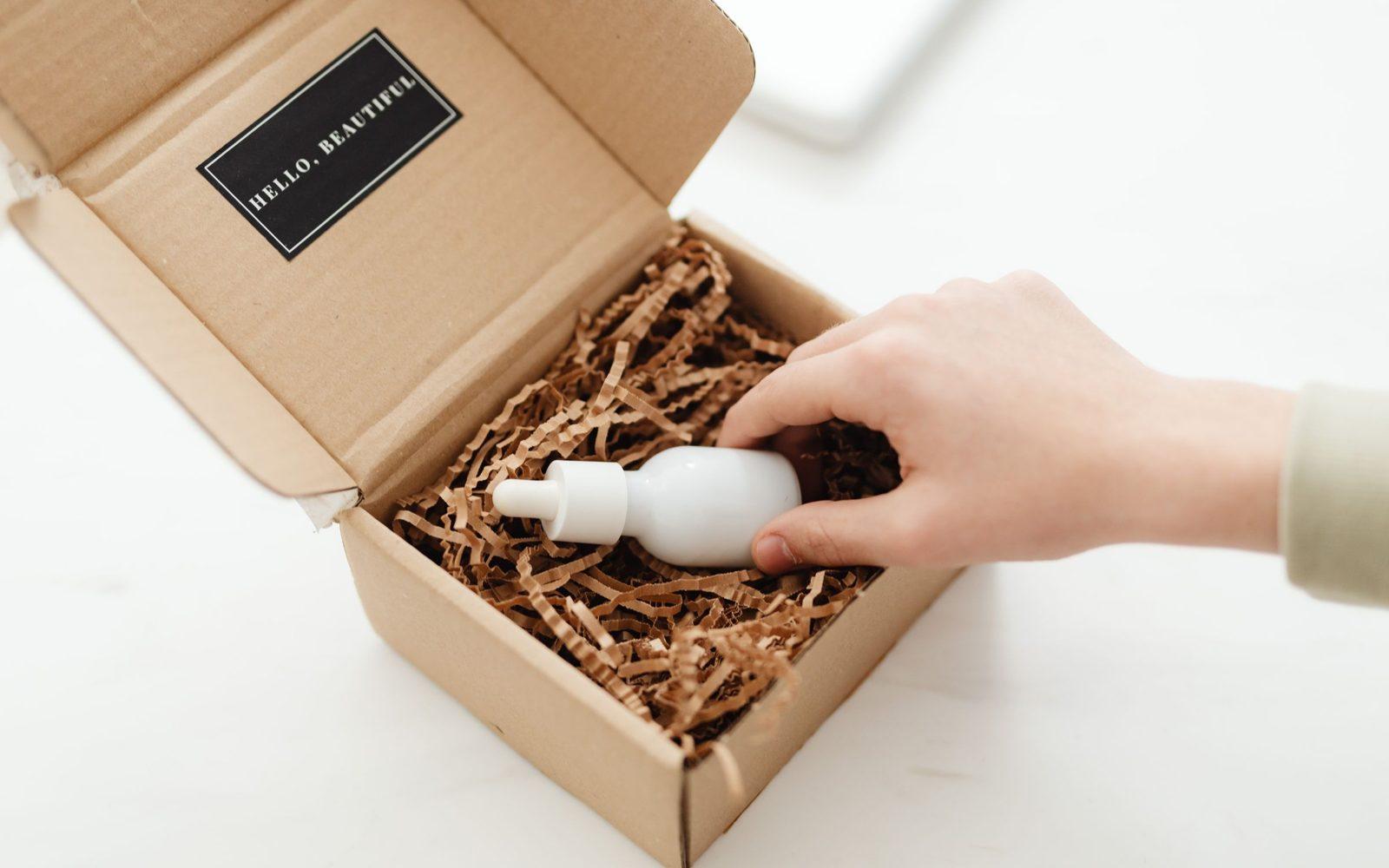
A brand sends cosmetics. It does not expect a post, does not send a brief, does not set a deadline and does not approve the material. The influencer alone decides whether to show anything at all. This is a classic example of a PR package understood as a gift – provided the gift is of low value and there really is no obligation on the creator's side.
If the influencer decides to show such a first gift, according to the UOKiK recommendations they should inform their audience that they received the product from the brand, for example by marking the publication as a gift. They should not create the impression that they bought the product themselves.
The key is the absence of an agreement – including an implied one – and the absence of the brand's influence on the publication. A message saying "we're sending a package, we're counting on three stories by Friday" changes the situation.
2. It's already the third package from the same brand
Here UOKiK takes a much stricter approach. Further gifts from the same brand, regularly shown by the influencer, can create a relationship based on reciprocity: the brand gives products, and the creator delivers exposure.
The recommendations state that publications about repeated gifts from the same brand should be marked as advertising material. There is no single magic number of days after which the relationship becomes a "first gift" again. What counts is the nature of the cooperation, its frequency and the circumstances.
This is worth remembering especially with permanent PR lists. The lack of a signed contract does not automatically mean there is no commercial relationship.
3. A product instead of money for a specific post
This is barter. If the influencer is to publish a specific piece of content and the remuneration is a phone, clothes, cosmetics, a treatment or a stay, we have a commercial collaboration. The form of payment does not change the advertising nature of the publication.
The material must be marked as advertising. It is also good to agree on the value of the benefits and to write down exactly what each party is to do. The sentence "let's do a barter" is too imprecise when later one party expects one story and the other a whole photo shoot, a Reel and five stories.
Barter also has tax consequences, so the value of the product or service handed over should not be random.
4. A free treatment, hotel or dinner in exchange for a publication
A material benefit does not have to take the form of a thing that can be put in a package. A free service can also be remuneration. If a restaurant invites an influencer to dinner on condition of a story, a hotel gives a stay for a Reel, and a clinic performs a treatment in exchange for promotion – that is a commercial collaboration.
In practice, it is with services that the temptation most often appears to write only "invitation" or "as a guest". If the publication is part of the settlement, the audience should know that they are dealing with advertising.
In addition, in the beauty, medical or wellness sector you need to check whether the subject of the advertisement itself may be promoted in the planned way. Correctly marking the collaboration does not legalise advertising that breaches sector-specific regulations.
5. A product for review – the influencer did not buy it, but the brand does not interfere with the opinion
Here the answer is not always black and white. UOKiK indicates that you need to take into account the value of the product, the possibility of returning it and whether the brand has an influence on the review.
For products or services of low value that cannot be returned due to their nature, the authority recommends at least clear information that the product or access was provided free of charge. Examples include a free tasting menu or a game key assigned to an account.
If, however, the brand influences the content of the review, requires specific ratings, approves the material or makes the benefit conditional on publication – we enter the area of advertising. In such cases, calling the content an "independent review" can be particularly risky.
6. A discount code or an affiliate link
The influencer did not get money for the post itself, but receives a commission on sales generated by the code or link. This is also a material benefit. UOKiK states explicitly that publications with affiliate links should be marked as advertising material.
It does not matter whether anyone actually clicked the link and bought the product on a given day. What matters is that the creator has an economic interest in the sale. The audience should know this context before making a purchasing decision.
With affiliate deals it is also worth clearly agreeing how long the code works, how the commission is calculated, whether it covers returns and how the creator can verify the sales report. This is no longer just a question of marking advertising, but also of settling the contract correctly.
7. The collaboration has ended, and the influencer still uses the product
The influencer completed the campaign, received payment and a few weeks later spontaneously shows the product again, because they actually use it. If the new publication is not covered by the contract and the creator receives no additional benefit for it, UOKiK indicates that it does not have to be marked as advertising.
This is important, because the rules are not meant to lead to a situation where every mention of a brand after one collaboration becomes advertising for the rest of your life. However, you need to be careful with campaigns where remuneration is linked to a longer period, affiliation or other benefits. Then "the collaboration has ended" may not be so obvious.
The simplest test: what exactly am I publishing for?
If a doubt arises before publication, it is worth asking a few questions: Did I receive money, a product, a service, a discount or a commission? Does the brand expect a publication? Does it set the date, the content or the way the product is shown? Is this another gift from the same company? Do I have an economic interest in the sale?
One answer will not always settle the matter, but such a test quickly shows that the name used by the brand – "gift", "PR package", "ambassador box" – does not determine the legal classification.
With unusual collaboration models it is good to assess the whole mechanism, not a single message. Especially when the benefit is of high value, the collaboration is recurring or the product is subject to additional advertising restrictions.
About the author

Natalia Łukawska – attorney (adwokat), founder of Influ na Legalu. She advises influencers, marketing agencies and brands on contracts, advertising, copyright and running influencer marketing campaigns, including in regulated industries and the beauty sector.
Frequently asked questions
Does a first PR package with no conditions need to be marked?
If the influencer decides to show it, according to the UOKiK recommendations they should tell their audience that they received the product from the brand, for example by marking the publication as a gift. They should not suggest they bought it themselves. This applies to a low-value gift with no obligation on the creator.
When does a PR package stop being a gift?
When there is an agreement, including an implied one, or the brand influences the publication. A message saying "we're sending a package, we're counting on three stories by Friday" changes the situation: it is now a collaboration, not a gift.
How should repeated packages from the same brand be marked?
The UOKiK recommendations state that publications about repeated gifts from the same brand should be marked as advertising material. There is no magic number of days after which the relationship becomes a "first gift" again; what counts is the nature, frequency and circumstances of the cooperation.
Is barter advertising if no money changes hands?
Yes. If the influencer is to publish specific content and the remuneration is a product or service, it is a commercial collaboration. The form of payment does not change the advertising nature of the publication, so the material must be marked as advertising.
Is a free dinner, hotel stay or treatment for a story also a collaboration?
Yes. A free service can also be remuneration. If the publication is part of the settlement, the audience should know it is advertising, not just an "invitation". In the beauty, medical or wellness sector you also need to check sector-specific rules.
How do I mark a product received for review?
For low-value products that cannot be returned, UOKiK recommends at least clear information that the product or access was provided free of charge. If the brand influences the content, requires ratings, approves the material or makes the benefit conditional on publication, it is advertising.
Do posts with a discount code or affiliate link need to be marked?
Yes. A commission on sales is a material benefit, and UOKiK states explicitly that publications with affiliate links should be marked as advertising material. It does not matter whether anyone clicked and bought on a given day.
After a collaboration ends, must every mention of the brand be marked?
No. If the new publication is not covered by the contract and the creator gets no additional benefit for it, UOKiK indicates it does not have to be marked as advertising. Be careful when remuneration is linked to a longer period, affiliation or other benefits.