Influencer fan meetup at a brand venue: how to organise it
Short answer
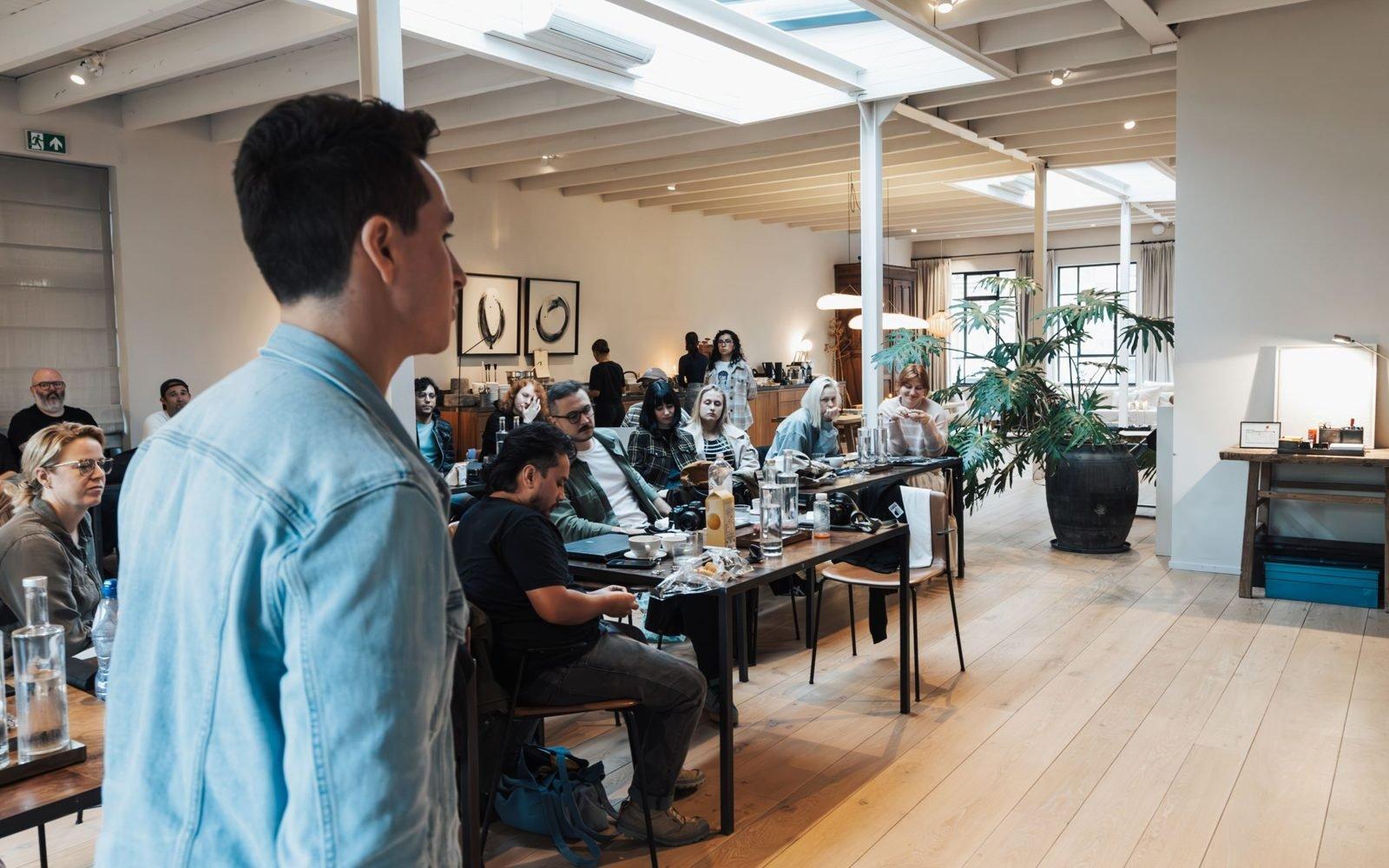
Plan an influencer fan meetup around a promise to guests: a conversation, shared activity or photo. Match the creator, venue capacity and registration to it. Separate the creator's work from the host's responsibility for admission, service and safety. Before announcing it, walk the entire participant journey; afterwards, compare registrations, actual visits and delivery of the programme.
Start planning an influencer fan meetup at your brand's venue by deciding exactly what visitors will get. A conversation on stage, a shared activity or a moment for a photo? Then choose the creator, registration process and entry arrangements to match that promise. Simply announcing a popular person's appearance does not tell guests whether they will actually get to meet them.
If you already have an event idea, create a brand account on Blogger Bank and describe the creator assignment: the venue, date, role at the meetup and promotional content. Applications will help you choose a partner to discuss the collaboration with. Guest registration and event operations remain the brand's responsibility.
Guests come for the creator but remember the brand's service
At a fan meetup, the creator is the reason people travel, while the venue hosts the experience. This differs from an event or press trip for invited creators, where the primary result is content. Here, the main outcome is keeping a promise to the audience. Social media coverage is an extra, not an excuse for poorly organised admission.
Choose a format connected to the venue. A bookshop could host a conversation about reading and a book signing, a restaurant could introduce a particular dish together with guests, and a gaming space could organise a game with a host. These are conceptual examples, not descriptions of Blogger Bank campaigns. In each case, the product or service should fit naturally into the programme rather than interrupt the meetup with a compulsory sales presentation.
Also decide what the meetup does not include. If you have planned a conversation for the whole room, do not promise everyone individual contact. If photos are included, explain the queue rules and how that part will end. An unspoken boundary turns into on-site negotiations with guests that staff have no basis for resolving.
Check willingness to attend, not just reach
When choosing an influencer, ask about their local audience and experience of interacting in person. Where a creator lives does not prove that their followers live nearby. Request up-to-date information on audience geography and, if they have held meetups before, an account of how those went: how they led the conversation, what required the host's help and how they responded to a change of plan.
Assess their fit with the format separately. Someone who makes excellent short videos may not want to run workshops or moderate a discussion. Do not replace that conversation with a follower count. Ask directly whether the creator prefers answering a host's questions, doing something together or talking to people individually. Before announcing the event, check their availability, travel arrangements and boundaries for audience interaction.
An expression of interest is not a booking. A profile poll may help you choose a topic, but its results do not provide a list of people ready to arrive at a specific time. To plan admission, you need your own registration for the actual date and a clear explanation of what confirmation means. Do not convert likes into expected attendance.
Match your promise to the slowest stage
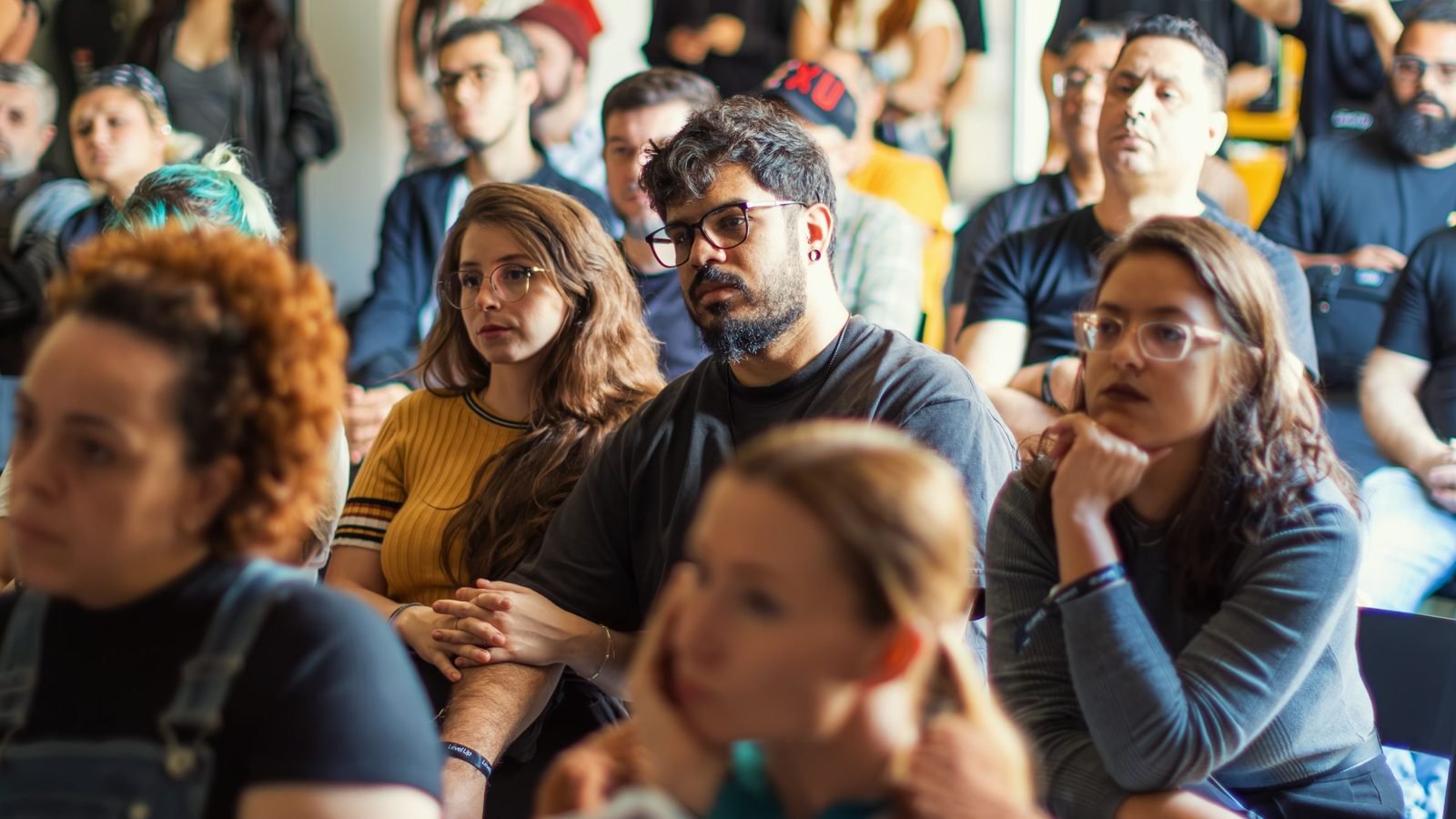
Do not base the number of places on the size of a profile. First, confirm the permitted use of the space for your proposed layout with the venue manager, and review entry, exit, queues and staff operations with the person responsible for safety. Then assess how many guests can take part in the promised activity. A room may hold more people than a creator can meet individually.
Rehearse the entire guest journey with your team: checking registration, leaving a coat, reaching the activity, asking the host a question, taking a photo and leaving. Time the actual rehearsal in your own venue, not just the moment the shutter clicks. The result helps organise the work; it is not a safety assessment or a guarantee of the pace during the event.
If individual meetings will not fit into the available time, change the offer before registration opens. You could separate the group session from an individually booked part, or choose only a conversation with the audience. Do not promise everyone a photo while hoping some people will give up. A waiting list is fairer than too many confirmed places.
An organisational example: a café plans a conversation with a creator followed by photos. During the rehearsal, the team discovers that the photo queue crosses the order collection route. They move this part to a separate space and change the layout before announcing the event. If there is no safe solution, they drop photos from this format rather than leave guests to deal with the problem.
Registration should explain admission, not just collect names
Prepare one place with current information: the exact address and entrance, start time, programme, participation conditions, accessibility of the space and organiser contact details. State whether confirmation covers the whole meetup, a particular entry time slot or a specific activity. If participation requires a purchase, guests must not discover this only at the door.
In the confirmation, explain the rules for accompanying guests, late arrivals and cancellations. Also say where to check for a date change. At the entrance, staff should be able to distinguish a confirmed booking from a waiting-list entry without scrolling through private messages on the creator's phone. Do not invite people to turn up without registering unless you have planned how to accommodate them.
Collect only the information needed to manage participation and decide who can access the list. Before launching the form, prepare the rules for data processing, photography and participation by minors with the person responsible for these matters. Do not treat a booking as automatic consent to a newsletter or use of someone's likeness in advertising. This organisational plan does not replace a legal assessment of the specific event.
Set out the creator's work and the host's work separately
In the assignment, separate attendance from event promotion. The creator can announce the meetup, remind people of the rules, take part in the programme and publish coverage, but each action requires agreement. Also specify who approves admission information and who updates announcements when registration closes. The creator should not independently promise extra places.
- On-site role: conversation, leading an activity or individual interaction; attendance hours, preparation, breaks and a contact person.
- Announcements: agreed formats, dates, registration link, advertising disclosure and facts that must match the brand's announcement.
- Post-event content: scope, delivery deadline and intended use. The creator's attendance does not mean consent to unrestricted advertising use of their recordings.
- Changes of plan: procedures for delays, creator unavailability or cancellation; the decision-maker and the guest information channel.
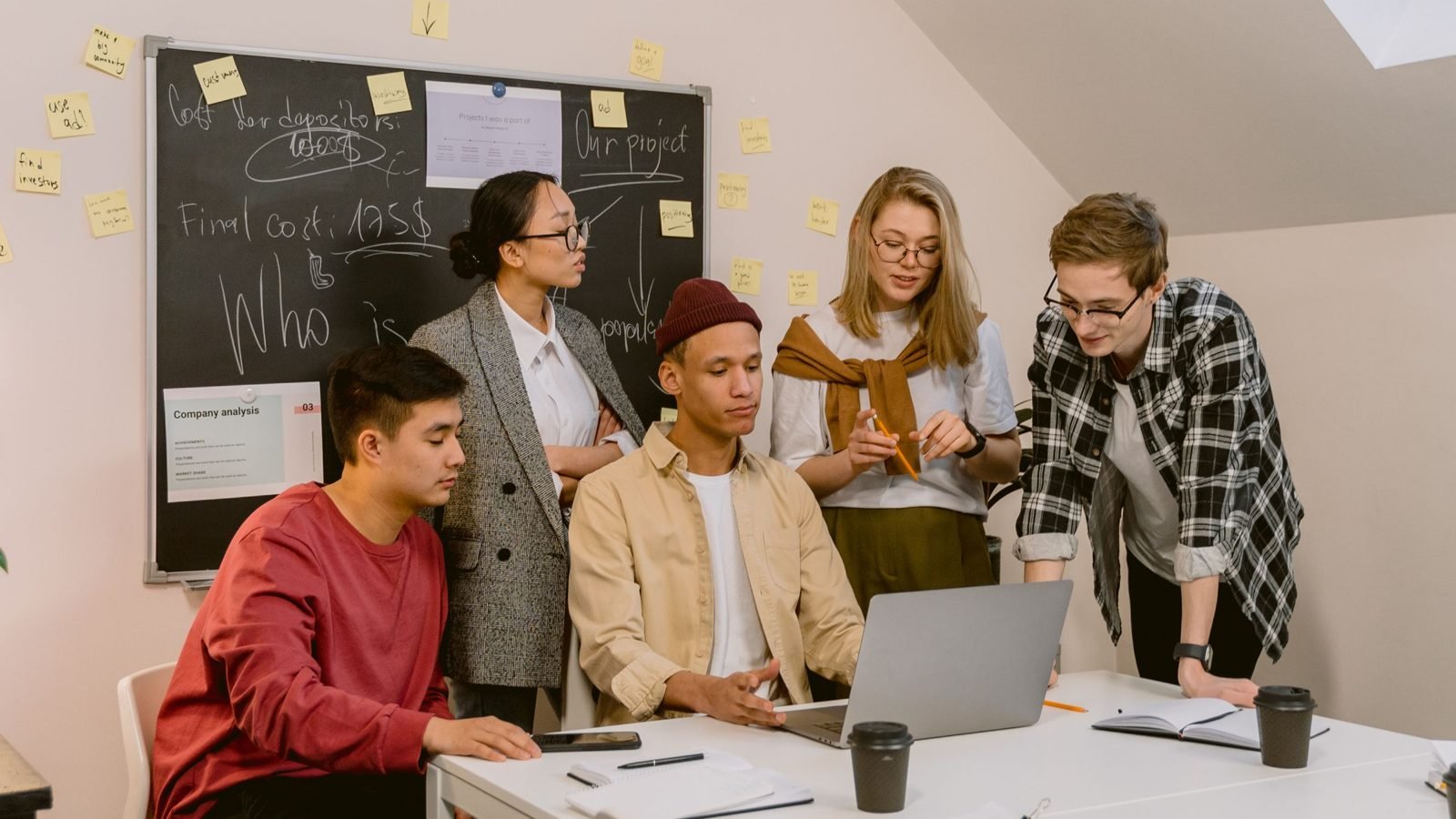
Create an assignment on Blogger Bank with this scope, compare applications and confirm the details with your chosen creator in chat. The result should be an agreed contribution and communication plan, not just a list of profiles. For a first collaboration, the guide to organising a creator visit to a local business can also help; audience participation requires the additional host planning described here.
The brand appoints an event manager, admission staff and a contact for the creator. Do not ask one employee to manage the queue, run the programme and handle the venue's normal service simultaneously. Include team time, equipment, tidying the space and a contingency for changes of plan in your preparation sheet. The creator's fee does not represent the entire workload.
Before opening, walk the guest route and review how to stop activities
The practical check starts outside the door. Check where people will wait and whether the queue blocks other users of the space. Walk the route to the activity, toilets and exit; review it against any accessibility needs guests have reported. Do not promise full accessibility simply because there are no steps at the entrance.
In its guide Managing crowds safely, the UK's HSE highlights clear responsibilities, risk assessment, movement management and audience monitoring, among other points (page updated: 16 March 2023; accessed: 12 November 2026). This is a supporting list of organisational topics, not an interpretation of Polish law or a ready-made safety plan for your venue.
With those responsible for the venue, agree who stops admission, pauses an activity and leads communication if a problem arises. Staff need to know these arrangements before the creator arrives. Also prepare a calm announcement about delays or the end of part of the programme. In an emergency, venue procedures and instructions from the relevant emergency services apply, not improvisation by the creator.
Plan brand content so it does not disrupt the meetup. Designate a filming area and agree on the rules for appearing in shots before the event. Do not record the guest list or registration screen. A photo of a full room is not more important than clear passageways and respecting agreements with participants.
After the meetup, count visits, not just posts
In your review, separate registrations, confirmed admissions and participation in the announced activity. Agree on counting rules before the event: someone leaving and returning should not become an additional guest. Collect the agreed announcement and coverage statistics from the creator, but do not add views to participant numbers. These are different types of information.
If the aim was to introduce the venue's offer, choose a separate indicator: service enquiries, bookings for another visit or use of a tagged offer. Measure it in the brand's own system. Without a comparison and knowledge of other activities, do not attribute every subsequent transaction to the meetup. Blogger Bank helps organise creator collaboration; it does not replace measurement of the venue's visitor traffic or sales.
Talk to staff about where guests waited or repeatedly asked the same questions. If the audience came but did not receive the promised interaction, the problem is the format, not insufficient promotion. If registrations were low, check the date, travel, promise and creator fit before planning a larger event.
Start by writing down the promise to guests and walking through its delivery with your team in the venue. Only then publish the creator assignment and open registration for a format you can manage.
Frequently asked questions
Where should you start when organising an influencer fan meetup?
Start with a specific promise to participants: a conversation, activity or photo. Then check whether the venue and team can deliver it. Only once the format is ready should you choose the creator, date, registration rules and event communications.
How do you choose an influencer for a meetup at a local business?
Check whether the audience is local and the creator is comfortable interacting in person. Ask about audience geography and experience with similar formats. Neither the creator's home address nor their follower count confirms that local people will attend.
Should every participant be guaranteed a photo?
Only if it is promised and you have a delivery plan. A conversation for the whole room does not mean individual meetings. If photos require separate registration, explain this before bookings open, not at the entrance.
How do you decide how many places to offer at a creator meetup?
Confirm space capacity with the venue manager and movement arrangements with the safety lead. Separately test delivery of the promised activity. Registration limits must reflect both constraints; the creator's follower count does not determine the number of places available.
What should guests receive in their registration confirmation?
Provide the exact entrance, time, booking scope, participation conditions and organiser contact. Explain the rules for late arrivals, accompanying guests and cancellations. Also identify where updates appear so guests know where to check for programme changes.
What should you agree with the influencer before announcing the event?
Agree on the on-site role, attendance hours, breaks, announcements and post-event content. Record advertising disclosure requirements, recording usage and procedures for changes of plan. Appoint someone from the brand to confirm information intended for the public.
Does Blogger Bank handle fan registration for the event?
In this scenario, Blogger Bank helps describe the assignment, collect creator applications, select a creator and agree on collaboration in chat. The brand organises guest registration, admission, safety and visit measurement using its own tools and venue.
How do you assess the results of an influencer fan meetup?
Separate registrations from actual admissions and participation in the announced activity. Assess creator content and a chosen business indicator, such as subsequent bookings, separately. Views of event coverage alone do not prove attendance or the event's impact on sales.