Gym advertising: show the first independent visit
Short answer
Gym advertising for beginners can explain an ordinary first visit instead of promising a change in physique. Ask a creator to show the route to staff, facility rules and how to get help. Plan controlled scenes without unintended visitors, agree on publication or file usage, and assess questions, visits and membership purchases separately.
Gym advertising for beginners should show what someone will do after walking through the door. Images of machines and a motivational slogan do not explain where to check in for a first visit or whom to ask for help. Invite a local creator to follow that route: from the entrance, through a conversation with staff, to finding their way around the gym floor. Someone familiar to viewers can ask the everyday questions a new customer may not want to ask in public.
You can commission this video through Blogger Bank. Create a brand account and describe the visit you want to show, rather than looking for a creator with a ready-made fitness transformation story. Creators apply for the assignment, and you choose someone who can calmly explain the place. Contracts, agreements and secure payment help organise the collaboration; they do not replace the gym's customer service or guarantee membership sales.
Turn beginners' concerns into scenes
Start with the questions heard at reception, not a list of equipment. A new visitor may not know whether the street entrance leads to the gym, whether they should approach a staff member first or what to bring under the facility's rules. Choose questions about the practical arrangements for a visit. The video should not determine which workout is suitable for a particular person.
For each question, write down a scene that answers it. “Where do I check in?” calls for showing the way to staff, not a caption saying “friendly atmosphere”. “Where can I check the rules?” means pointing to the actual place where that information is available. If the answer depends on the time of day, show that distinction in on-screen text. Polished editing will not fix a contradiction between the advertisement and the visit.
A discount or a photograph of a fit person does not do the same job as a tour. They can draw attention to an offer, but they do not show what happens on arrival. A creator helps when viewers recognise their own situation in the questions being asked. If the problem is missing signs in the building or an unclear process for welcoming newcomers, fix it before filming. Advertising should not conceal difficulties customers will encounter on site.
When choosing a creator, watch their previous conversations and explanatory videos. Check whether their audience lives within travelling distance of the gym. An athletic physique is not a measure of someone's ability to give a tour, and a large reach does not prove a local audience fit. Ask for an idea for the video's opening question: the answer will show whether the creator understands beginners or immediately moves on to showing off a workout.
Show the entrance and how to find your way around
Build the video around one continuous route, even if you film it in separate shots. Viewers should recognise the entrance, the point of contact with staff and where to go next. Do not jump from the facade to the middle of the gym floor, skipping the moment when a newcomer has to decide where to go. Show the real signs and normal service process, not a special route prepared only for the camera.
The first-visit map is an editorial template for planning a video, not a Blogger Bank feature. The following training example describes a fictional gym with a reception desk. Replace its elements with your facility's actual procedures:
- Entrance: the creator finds the door and shows the gym's sign. Viewers know which side to enter from.
- Staff: the creator says this is their first visit. A staff member explains where to start and where to find the current terms of use.
- Facility rules: the camera shows the way to information about changing rooms and gym-floor rules, without filming private spaces or customers' documents.
- Available help: a staff member explains where and during which hours visitors can ask questions, and what that help covers.
- Next visit: the creator shows where to check current opening hours and information needed before returning.
Before filming, walk this route with someone unfamiliar with the facility. Do not immediately tell them which way to go; note where they hesitate. If showing the route requires a lengthy explanation first, simplify the signs or clarify the scene. This is a check on the video's clarity, not a test of the visitor's abilities. Do not publish it as research proving the effectiveness of the advertisement.
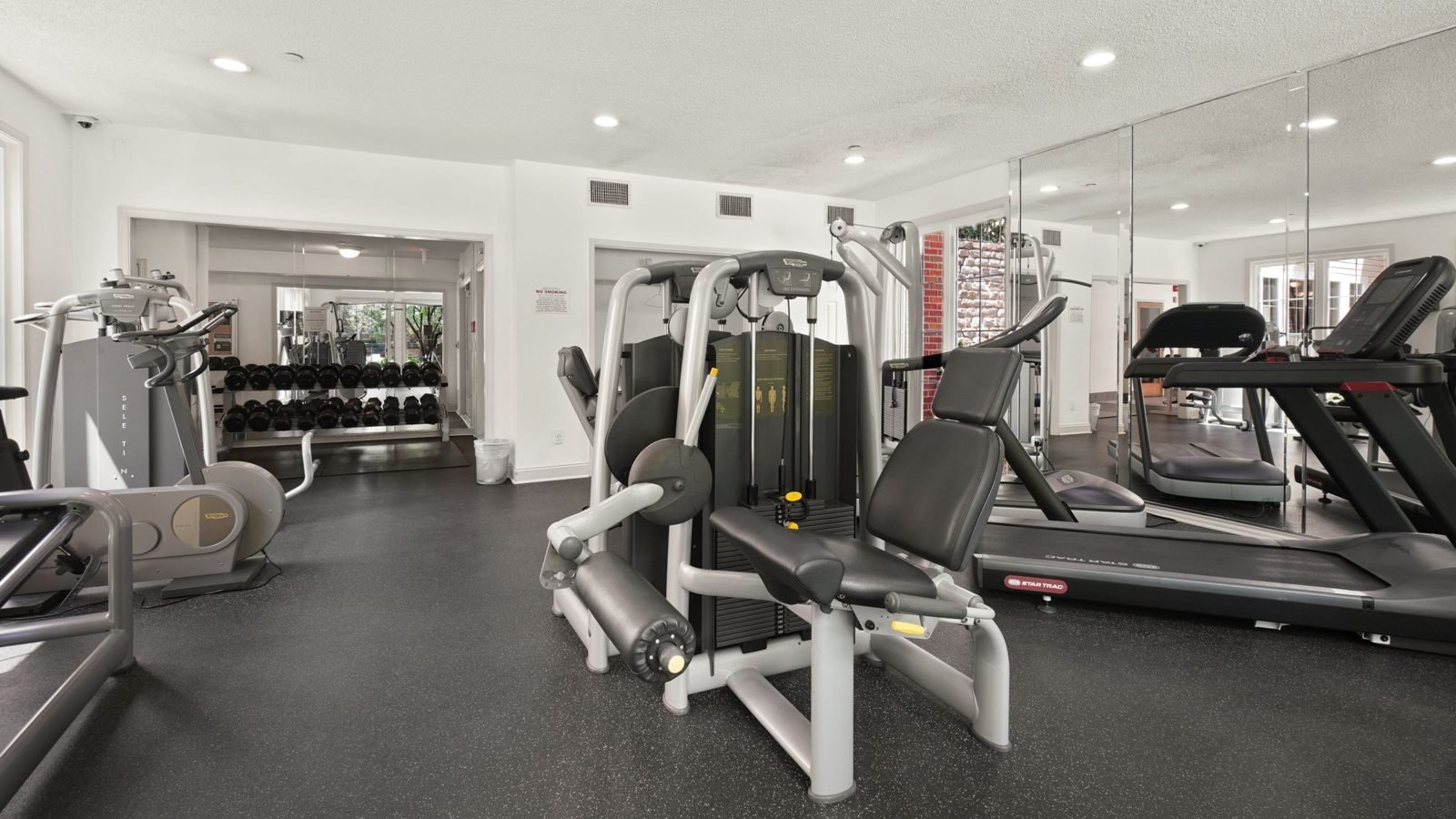
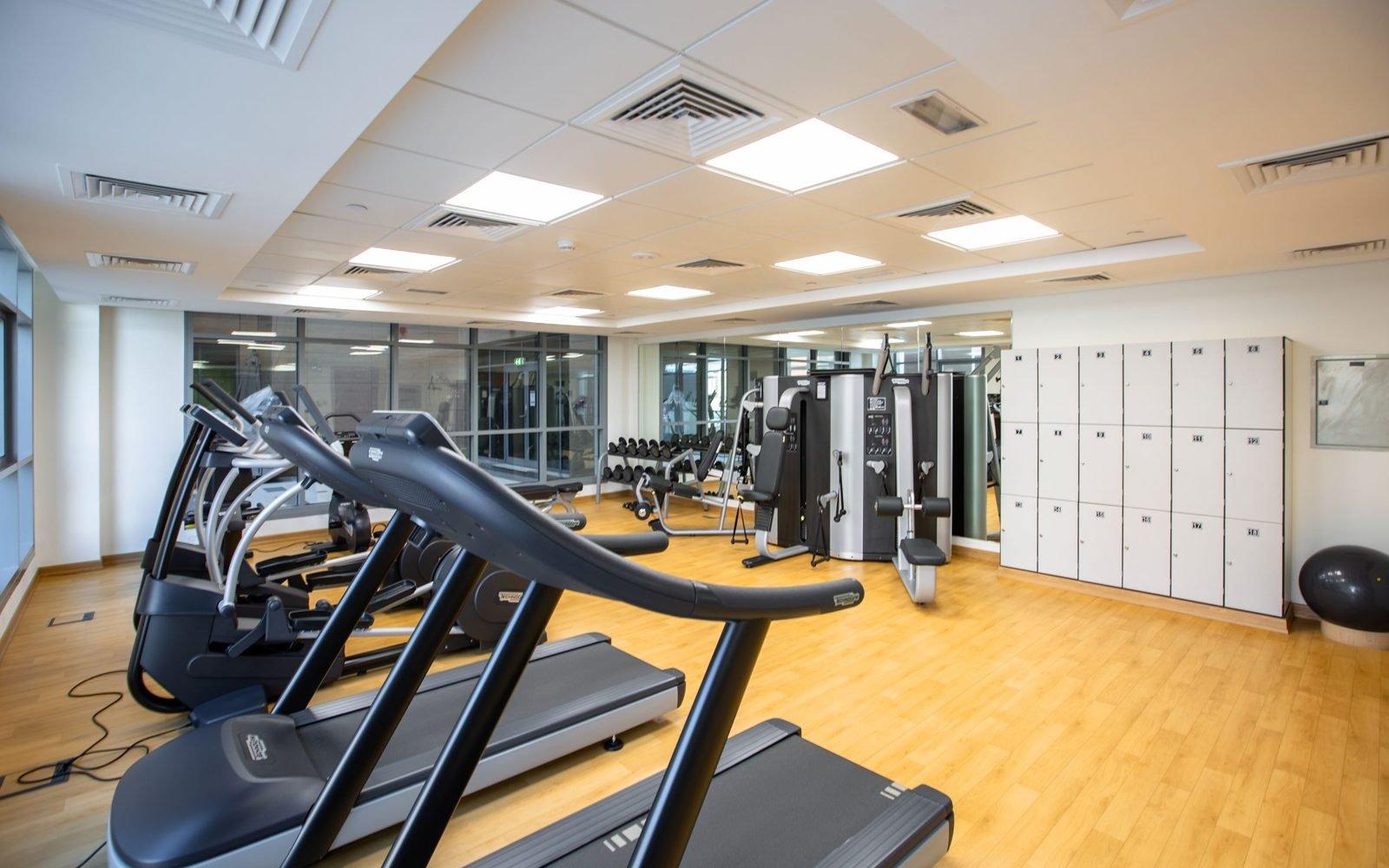
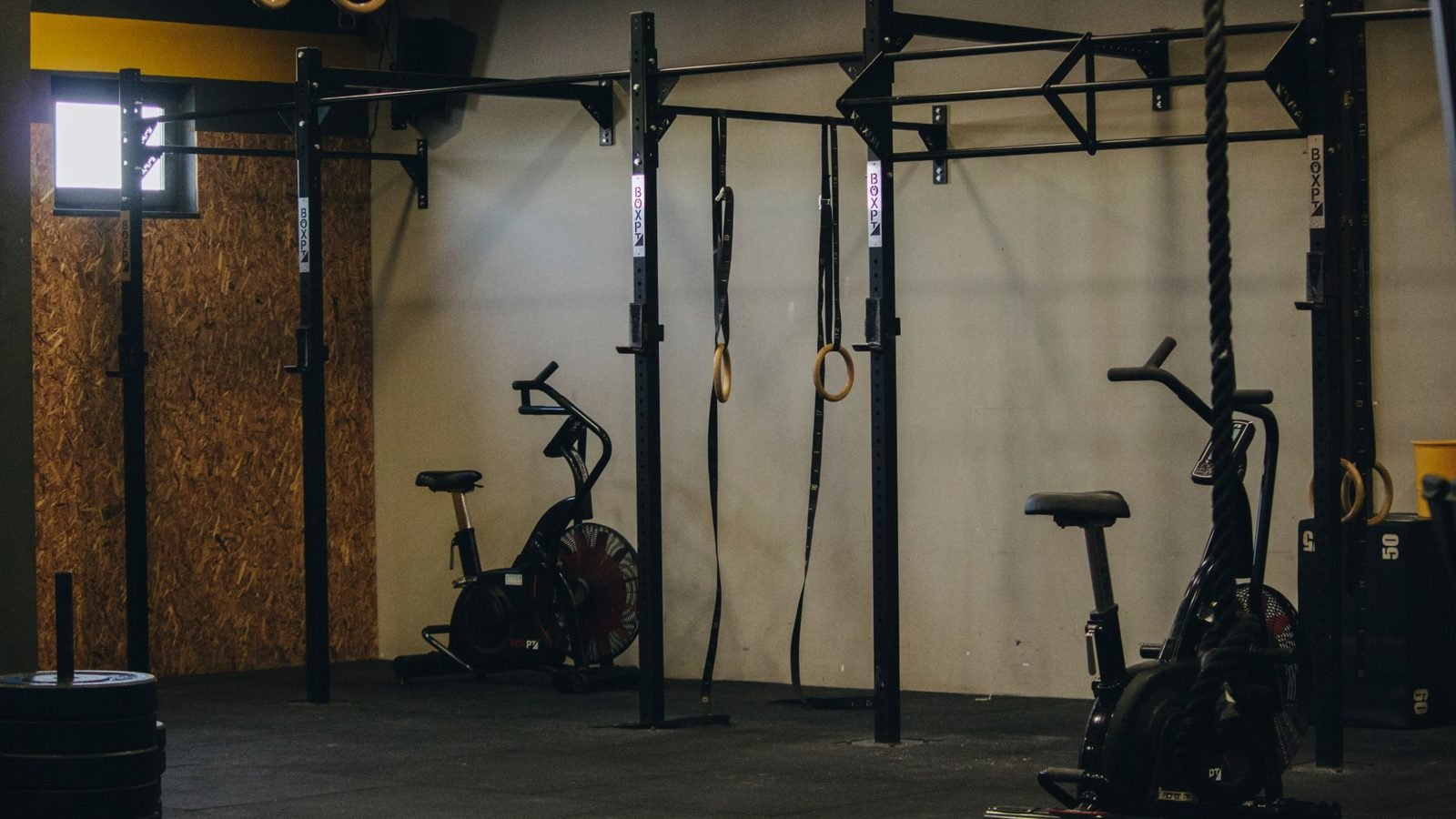
The photographs in this guide illustrate a training example; they do not document a Blogger Bank campaign. In an advertisement for a particular gym, however, show its actual interior. Do not replace it with stock imagery suggesting different equipment, space or service availability.
Explain where and when help is available
“You won't be on your own” sounds reassuring, but does not say who will actually be there. Agree with the gym manager whom a new visitor should approach, how to recognise that person and when they are available. Separate explanations of facility rules from individual workout coaching. A staff member appearing on camera should not imply that every visitor will receive the same conversation at any hour.
The video can show a simple exchange: the creator asks for help with practical arrangements, and staff point out the right contact. If a different procedure applies outside reception hours, describe it in line with how the gym actually operates. Do not show access codes, data on screens or security arrangements. Viewers only need to know where to find current instructions intended for customers.
If you also offer sessions with a trainer, present them as a separate service rather than including them in ordinary admission. The guide to personal trainer advertising explains how to show such a session. In a video about a first independent visit, identifying available help matters more than describing the entire training offer.
Separate the tour from exercise instruction
Here, the creator appears as a visitor getting to know the facility. They do not need to pretend to be a trainer or perform a difficult exercise to make the video interesting. They can point out different areas of the gym floor, ask a staff member a question and show information about the rules. Do not add a universal exercise routine, weights or health advice to these scenes. An advertising video is not individual instruction.
Also reject “before and after” scenes if they would imply a guaranteed result. In this campaign, the content promises familiarity with a place, not a change in physique. The creator can describe their own impression of the visit, but should not say that everyone will feel the same. Instead of “say there is nothing to be afraid of”, write this in the brief: “show whom visitors can approach with a question”.
Arrange filming in an agreed part of the facility and at a time that lets you control the frame. Plan the participation of people appearing in the advertisement and agree with them how their likeness may be used. Do not build the production around filming unsuspecting gym users. Check mirror reflections, the background of conversations and the sound too; voices and private information may be captured from outside the frame. Show the way to the changing room through signage, not by recording its users.
Include the advertising disclosure in the script and check it in the finished file. UOKiK recommends clear, unambiguous advertising labels and identification of the promoted brand; source checked on 21 November 2026. Use your own disclosure and the platform's available tool in line with the recommendations. Do not present a commissioned tour as a spontaneous, independent review.
Assess questions about the first visit
After publication, check what interested viewers still do not understand. A question about the correct entrance suggests a need to improve wayfinding. A question about whether a trainer is always waiting on the gym floor may mean the video has blurred the scope of services. Record the topic of the concern, where it was posted and the gym's answer, without copying people's personal data into a working report for the creator. A recurring question is a clue that a specific scene needs improving.
Keep questions, first recorded visits and membership purchases separate. A video view is not a visit, and a visit does not mean a purchase. If you ask visitors how they heard about the gym, keep “I don't know” as an unknown source. Do not attribute all new customers to the creator simply because they arrived after publication. Set the observation period before the campaign and compare events recorded in the same way.
When the problem concerns booking a group class, a different process is needed from a tour of an open gym floor. In that case, see the article on trial class bookings without overcrowding the group. Do not carry messages about reserving a place over to independent visits if the gym does not actually operate that booking system.
The video can also supplement information on your Business Profile. Google describes posts with photos and videos that let businesses share current information with customers; source checked on 21 November 2026. Use the recording there only within the agreed usage rights. Publishing alone does not guarantee a better search ranking or more visits.
How to organise a creator collaboration through Blogger Bank
Post an assignment on Blogger Bank with a first-visit map, the facility's address, the video's intended audience and filming restrictions. Describe the outcome: viewers should recognise the entrance, know where to check in for their first visit and find information about help. Creators respond to the assignment, so you can compare their proposals against the same list of scenes. The Blogger Bank page for brands also explains the collaboration model.
Before choosing a creator, decide whether you are commissioning a post on their profile or files for the gym's channels. In the first case, also check the audience fit and how viewers will be directed to information about a visit. In the second, focus primarily on the clarity of the explanation and preparation of the content for the agreed publishing channels. Delivery of a file does not automatically grant permission for every channel, paid advertising or unrestricted editing.
Record the places of use, duration, permitted changes, required versions and approval process in the agreement. Name a gym employee who will check practical details before publication. When reviewing delivery, watch the video both with and without sound: is the route clear, do captions leave signs visible, are there no unintended people in the mirrors, and does the message about help reflect reality? These are acceptance criteria for the content, not a promise of marketing results.
Start with an assignment showing one real route through the gym. Confirm it with staff before filming, then check new visitors' questions after publication. Commission the next video to answer a missing question, not simply to show the equipment again.
Frequently asked questions
How do you advertise a gym to beginners?
Show an ordinary first arrival: the route to staff, facility rules and how to get help. The creator should ask a newcomer's questions, not show off athletic skills or promise everyone the same experience.
What should you film instead of before-and-after results?
Film how to find your way around: recognising the entrance, talking at reception and locating information about the rules. This answers beginners' practical questions without suggesting that a visit will produce a specific health outcome or change in physique.
Does the creator have to lead a workout?
No. In a first-visit video, the creator explores the facility and asks how it works. Separate the tour from exercise instruction, and present individual training as a separate service if the gym offers it.
How can you film without invading gym users' privacy?
Plan controlled scenes at an agreed place and time, without unintended visitors. Arrange participants' involvement and agree how their likeness may be used. Before publication, check backgrounds, mirror reflections, sound and any visible documents or screens.
Can the video promise training results?
Do not promise guaranteed changes to health or physique. A first-visit video should explain how the facility works. Creators may describe their own impressions, but should not present one experience as evidence of other people's future results.
How does this differ from a trial class campaign?
A gym tour explains independent use of the facility and contact with staff. A trial class campaign requires bookings, group availability and confirmations. Do not suggest reserving a place if ordinary admission does not require it.
How do you assess a first-visit video's impact?
Analyse recurring questions and identify scenes needing clarification. Record identifiable enquiries, first visits and membership purchases separately. Do not treat views as attendance or attribute customers to the campaign when their source could not be established.
How do you commission content through Blogger Bank?
Describe the facility, audience, first-visit route, scenes and filming restrictions. Choose from applicants and agree on the deliverable, publication or files, and usage rights. At acceptance, check route clarity and whether the information reflects the gym's actual service.